
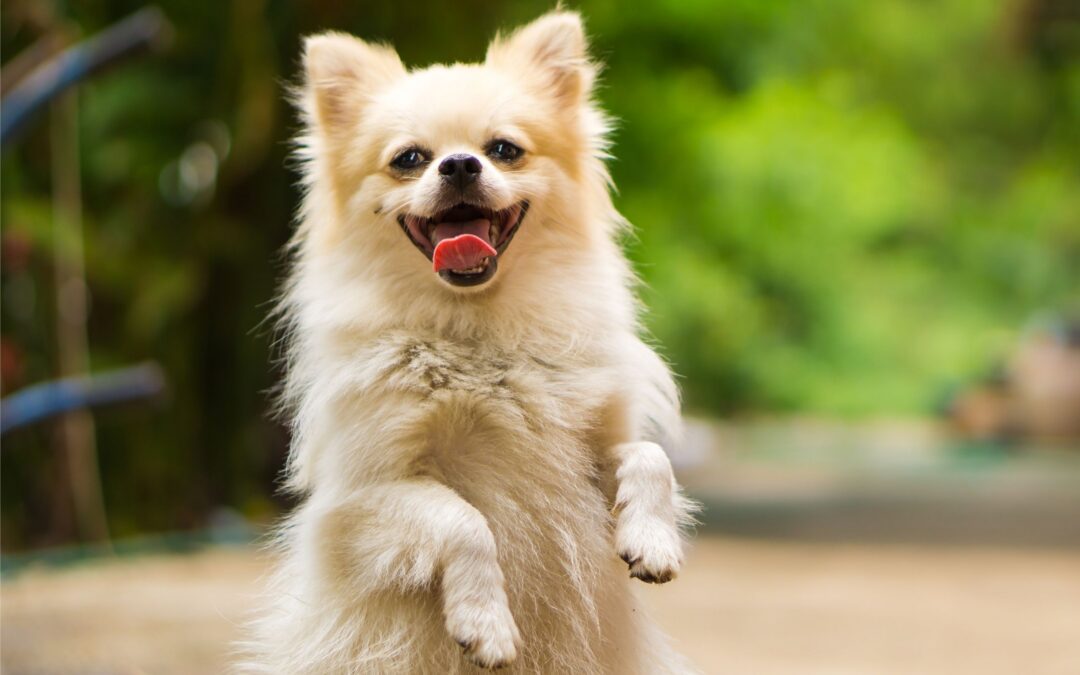
There’s something about October that makes everything feel a little cozier.
The leaves are changing, the sweaters are coming out, pumpkin spice is suddenly everywhere, and our calendars fill up with Thanksgiving dinners, Halloween costumes and all the little traditions that make fall feel like fall.
Our pets, of course, are thrilled about some of this.
The cooler weather means better walking temperatures. There are leaves to investigate, interesting smells everywhere, and—if you’re a dog—an increased possibility that someone might drop a piece of turkey.
Excellent.
But fall also brings a few seasonal changes that our pets don’t necessarily understand. Thanksgiving foods, Halloween candy, costumes, decorations, guests, colder weather and an abundance of pumpkins can all create opportunities for curious noses and enthusiastic snackers to get themselves into trouble.
So, before you settle in with your pumpkin spice latte, let’s talk about making October a little safer for the four-legged members of your family.
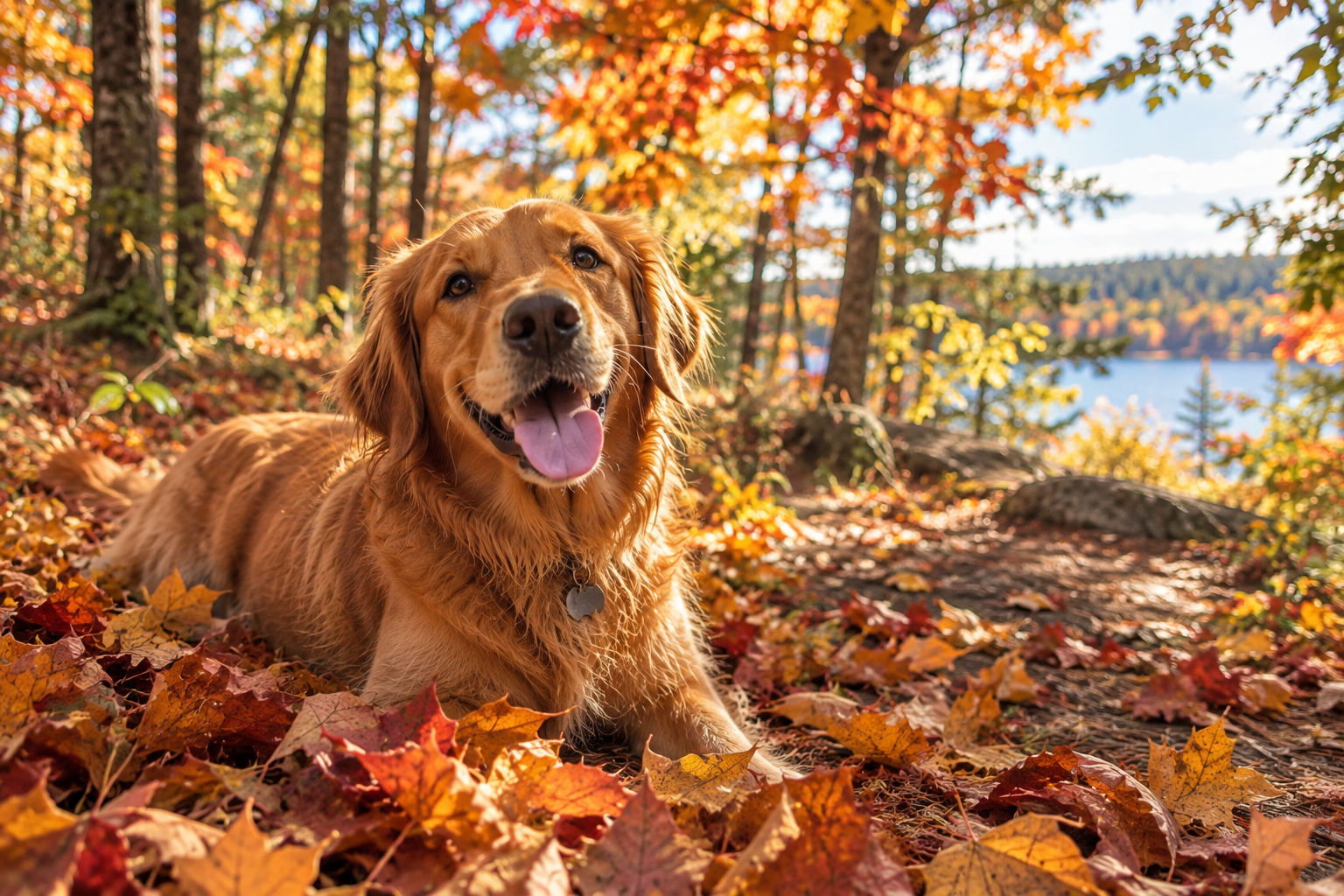
🦃 Thanksgiving: Please Don’t Share the Whole Dinner
Thanksgiving is a wonderful time to gather with family, enjoy a big meal and appreciate everything we have to be thankful for.
Your dog, however, may have a slightly different definition of Thanksgiving.
To your dog, Thanksgiving is the magical day when the kitchen smells incredible, food appears everywhere and humans seem unusually generous.
We understand the temptation to share.
A little plain, cooked turkey meat can be an appropriate treat for many pets. The important word here is plain. Turkey covered in gravy, butter, seasoning or other rich ingredients is a different story.
And while your dog may look at you as though you have personally betrayed them by not handing over the entire turkey, there are some things that really should stay on the human side of the table.
Watch out for:
Turkey bones: Cooked bones can splinter and cause serious problems if swallowed. The turkey carcass belongs securely in the garbage—not in the dog bowl.
Turkey skin and fatty foods: Rich, fatty foods can cause vomiting and diarrhea and may contribute to pancreatitis in some pets.
Stuffing: Many stuffing recipes contain onions, garlic, leeks or other ingredients that aren’t safe for pets.
Desserts: Chocolate, raisins and grapes are dangerous for dogs, and sugar-free products may contain xylitol, which is toxic to dogs.
The garbage: Let’s be honest—this may be the biggest Thanksgiving hazard of all. A garbage bag full of turkey scraps is basically a five-star restaurant to a determined Labrador.
If you’d like your pet to participate in the Thanksgiving feast, consider setting aside a small amount of plain, cooked turkey before seasoning and offering it as a special treat.
Your dog doesn’t need to know that gravy exists.
Some secrets are best kept between the humans at the dinner table.
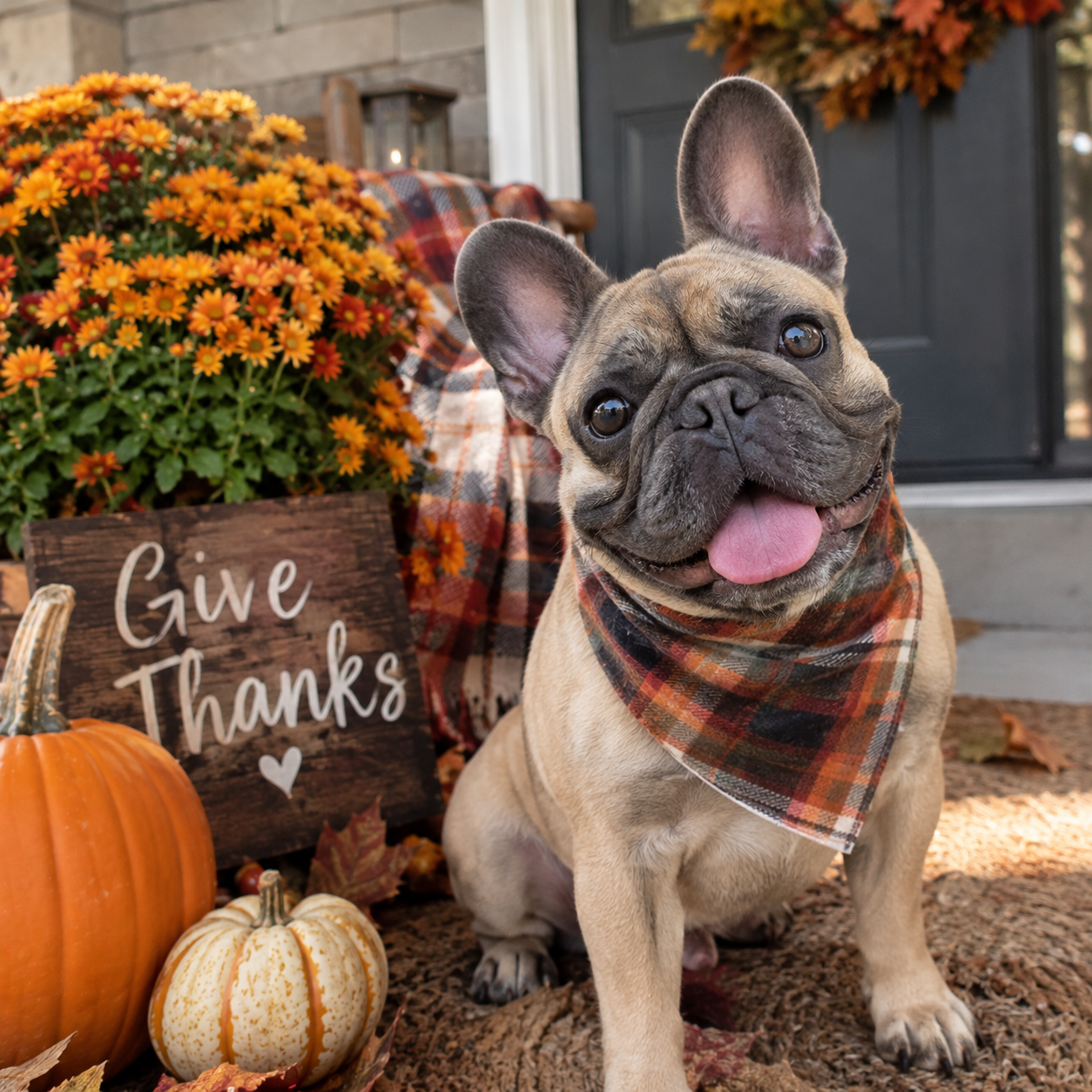
🎃 Pumpkin: Good, Bad or Just Instagram?
October has apparently been declared the official month of pumpkin.
Pumpkins are on porches. Pumpkins are in coffee. Pumpkins are in baked goods. Pumpkin-shaped everything is suddenly available.
And while pumpkin itself can be perfectly reasonable for pets, pumpkin-flavoured does not automatically mean pet-friendly.
Plain, cooked pumpkin or plain canned pumpkin can be an appropriate addition to some pets’ diets and is sometimes recommended as a source of fibre. But pumpkin pie, pumpkin spice baked goods and pumpkin-flavoured coffee drinks are a very different situation.
They’re often packed with sugar, fat and other ingredients that your pet simply doesn’t need.
So if you’re tempted to share your pumpkin spice muffin with your dog, perhaps don’t.
Your dog already thinks the muffin is theirs. We don’t need to encourage this behaviour.
What about pumpkin seeds?
Plain, cooked pumpkin seeds can be okay for many dogs and cats in moderation, but they don’t need to become a major part of your pet’s diet. Avoid seeds that have been heavily salted, seasoned or coated with ingredients that aren’t pet-safe.
And remember that whole pumpkins can also become a chewing opportunity for curious pets. If your dog enjoys turning every seasonal decoration into a snack, keep pumpkins somewhere they can’t be dismantled.
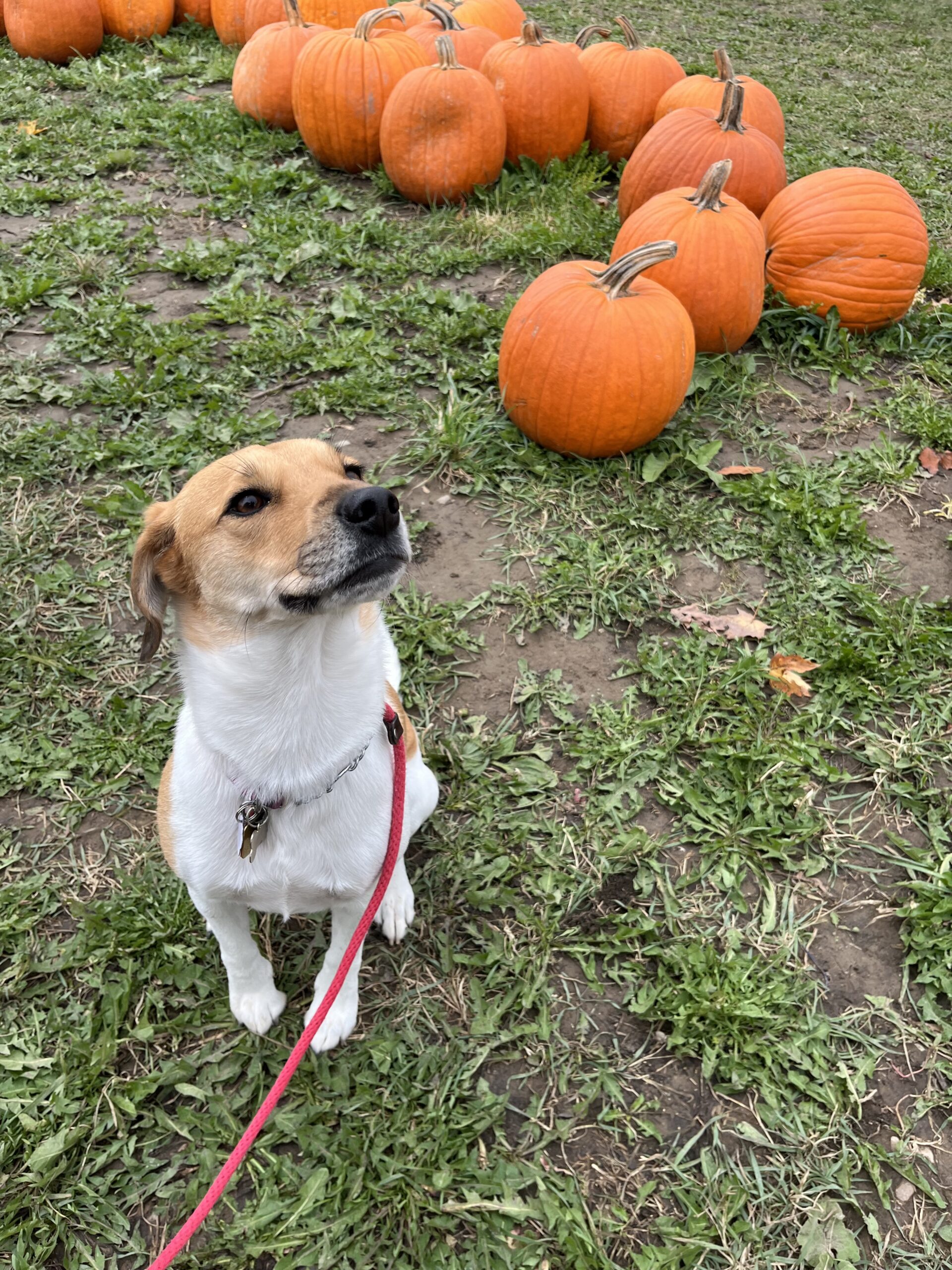
👻 Halloween: The Night of Suspicious Strangers
Imagine Halloween from your pet’s perspective.
The doorbell rings.
Again.
And again.
And again.
Strangers keep appearing at the door wearing masks, hats and costumes. Children are running around. There are strange noises outside. The humans keep opening the front door. And someone has put a giant inflatable skeleton in the yard.
Honestly, we’re not sure we’d know what to make of it either.
For some pets, Halloween is exciting. For others, it can be overwhelming or frightening.
Keep the candy out of reach
Chocolate is toxic to dogs and cats, and sugar-free candies and other products containing xylitol can be particularly dangerous for dogs.
The safest approach is simple: keep the candy bowl somewhere your pet cannot reach it.
And remember that “my dog has never stolen food before” is not a reliable safety plan.
Halloween candy smells very interesting to a dog.
Give nervous pets an escape plan
If your pet becomes anxious with visitors, the front door constantly opening or unfamiliar noises, give them somewhere quiet to retreat.
A bedroom, office or other comfortable room away from the front door can provide a much-needed break from the action.
Add their bed, some water and a favourite toy, and let them enjoy Halloween from a distance.
Not every pet needs to attend the party.
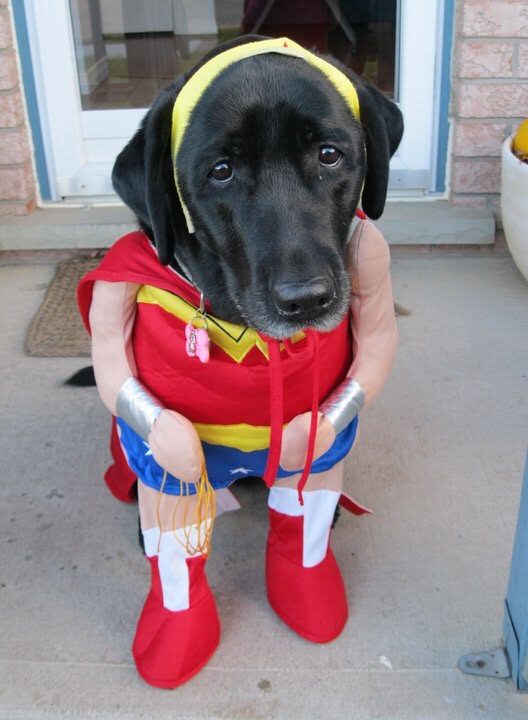
Costumes are optional
We know. Pet costumes are adorable.
But your pet’s comfort matters more than getting the perfect Halloween photo.
If your dog or cat enjoys wearing a costume, make sure it allows them to move, breathe, see and hear normally. Avoid anything restrictive, tight around the neck or likely to become tangled.
And if your pet clearly hates wearing it?
Take it off.
They will survive without becoming a tiny dinosaur for Instagram.
Be careful with decorations
Candles, electrical cords, small decorations and anything easily chewed can all become hazards for curious pets.
Cats in particular may find dangling decorations absolutely irresistible.
And if your pet has a history of chewing things they shouldn’t, Halloween is probably not the month to discover that your new decorative skeleton has a surprisingly delicious plastic hand.
🐈 Cats Did Not Ask for Halloween
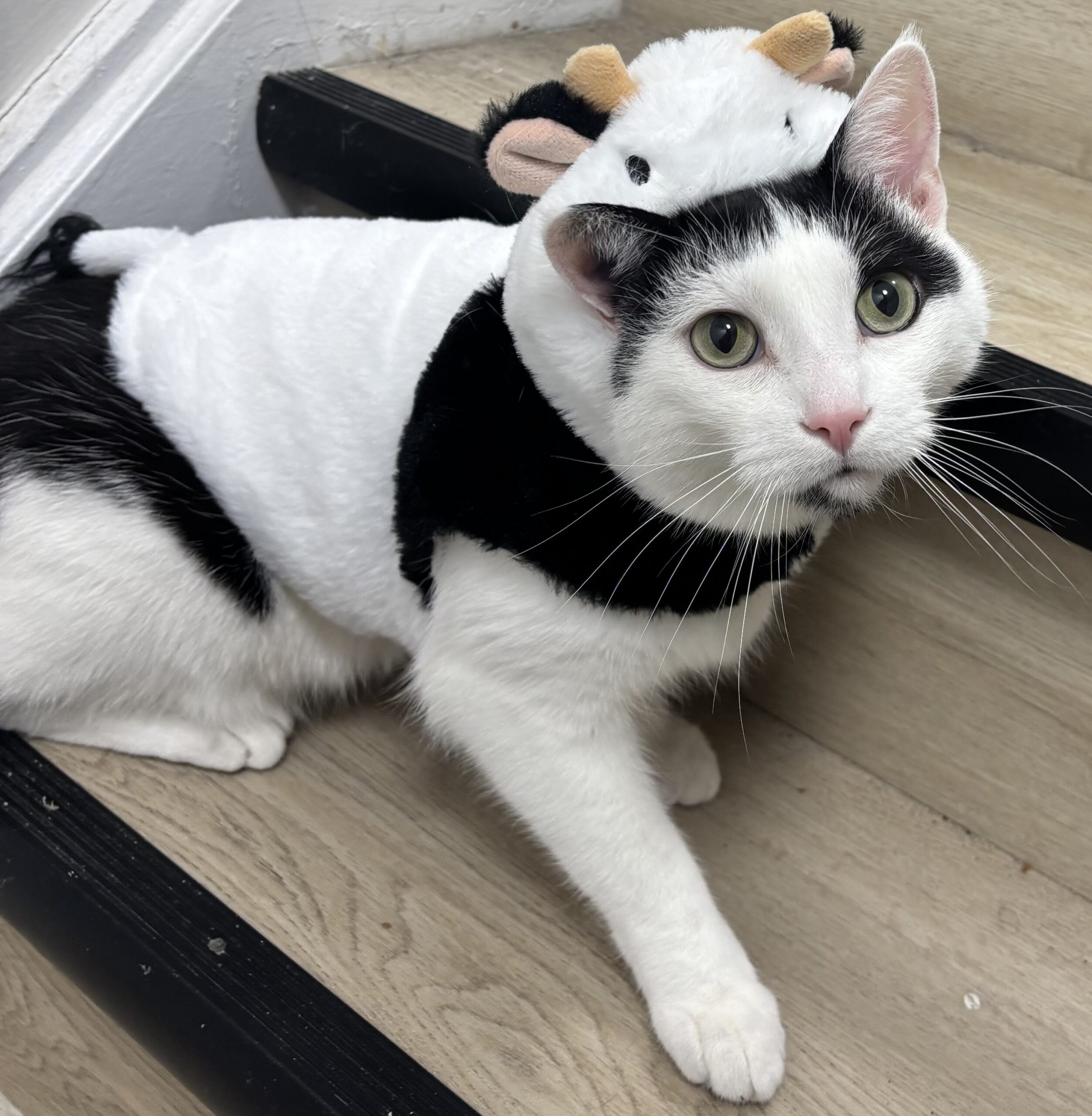
Dogs tend to get most of the attention when we talk about Halloween safety, but our feline friends have their own concerns.
Cats can become stressed by unfamiliar visitors, loud noises and changes to their environment.
And unlike dogs, many cats are experts at disappearing when something makes them uncomfortable.
If your cat normally goes outdoors, Halloween night is a particularly good time to keep them inside. With doors opening and closing repeatedly and unfamiliar people coming and going, there is a greater opportunity for a cat to slip outside unnoticed.
Give your cat a quiet, comfortable place to retreat and let them decide whether they want to participate.
They may choose to spend Halloween under the bed.
Honestly, that’s a perfectly respectable Halloween plan.
🍂 Fall Isn’t Just About the Holidays
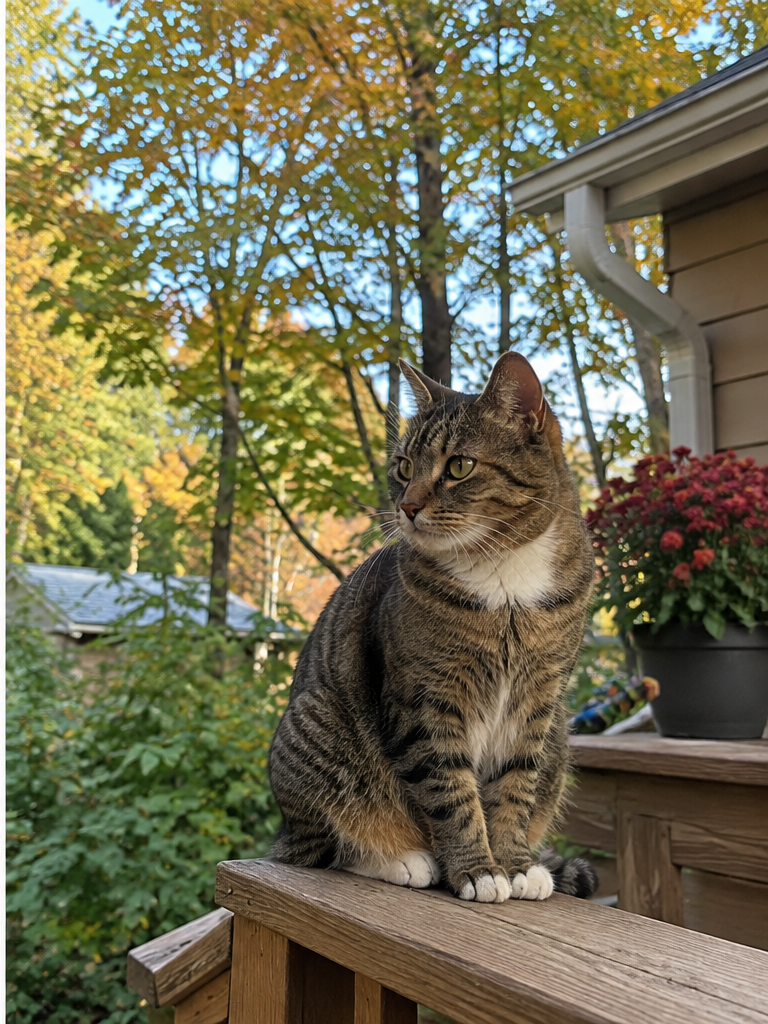
Thanksgiving and Halloween get most of the attention in October, but there are plenty of other seasonal changes worth keeping in mind.
Cooler temperatures
Our pets often love cooler weather, but that doesn’t mean every pet handles it the same way.
Senior pets and animals with arthritis or other mobility concerns may become more uncomfortable as temperatures drop. Pay attention to changes in how your pet gets up, walks, climbs stairs or settles down.
If your older pet suddenly seems stiff or reluctant to move, don’t automatically assume it’s simply because they’re getting older. Changes in mobility are worth discussing with your veterinary team.
What’s hiding in the yard?
Fall yard cleanup can uncover all sorts of interesting things for a curious pet.
Keep an eye out for mushrooms, fallen fruit, compost and other things your pet might decide to investigate—or eat.
And remember that wildlife doesn’t disappear when summer ends.
Raccoons, skunks, porcupines and other wildlife are still active in the fall as they prepare for winter. Give them plenty of space and keep curious pets supervised outdoors.
Don’t forget parasite prevention
Cooler weather doesn’t necessarily mean parasites have packed up for the year.
Fleas and ticks can remain active into the fall, depending on weather conditions. Keep following your pet’s parasite prevention plan unless your veterinary team has advised you otherwise.
Your pet doesn’t need to see a calendar before a flea decides to move in.
🍁 A Quick Fall Pet-Safety Checklist
Before Thanksgiving:
☐ Keep turkey bones and the turkey carcass safely away from pets
☐ Avoid sharing rich, fatty foods and seasoned leftovers
☐ Check ingredients before offering your pet a special treat
☐ Give nervous pets a quiet place to retreat from guests
Before Halloween:
☐ Keep candy completely out of reach
☐ Check costumes for comfort and safety
☐ Secure candles, electrical cords and small decorations
☐ Give anxious pets a quiet space away from the front door
☐ Keep cats safely indoors during trick-or-treating
☐ Make sure your pet’s identification information is current
Throughout the fall:
☐ Continue your pet’s parasite prevention plan
☐ Check yards for mushrooms, fallen fruit and other hazards
☐ Supervise pets around wildlife
☐ Pay attention to changes in mobility as the weather cools
☐ Make sure senior pets have a warm, comfortable place to rest
❤️ Enjoy the Season Together
Fall is supposed to be fun.
We want our pets to be part of that fun too—whether that’s sharing a little plain turkey at Thanksgiving, going for a walk through the leaves, posing for an unnecessarily adorable Halloween photo, or simply curling up beside us while the weather gets cooler.
A little preparation can go a long way toward keeping the season enjoyable for everyone.
And if your pet does manage to eat something they shouldn’t, don’t wait until they start looking sick before asking for advice. Contact your veterinary team or an emergency veterinary hospital for guidance as soon as possible. Knowing what your pet ate, approximately how much and when they ate it can be very helpful.
From all of us at Parkdale Animal Hospital, we hope you and your two-, three-, four- and occasionally mysteriously many-legged family members have a happy, healthy and slightly spooky October!
And yes—we fully support pumpkin spice season.
Just maybe not in the dog bowl.
Happy Thanksgiving, Happy Halloween and Happy Fall from all of us at Parkdale Animal Hospital!