
Dog Laboratory
Laboratory testing plays an important role in modern veterinary medicine.
Dog In-House Laboratory Testing
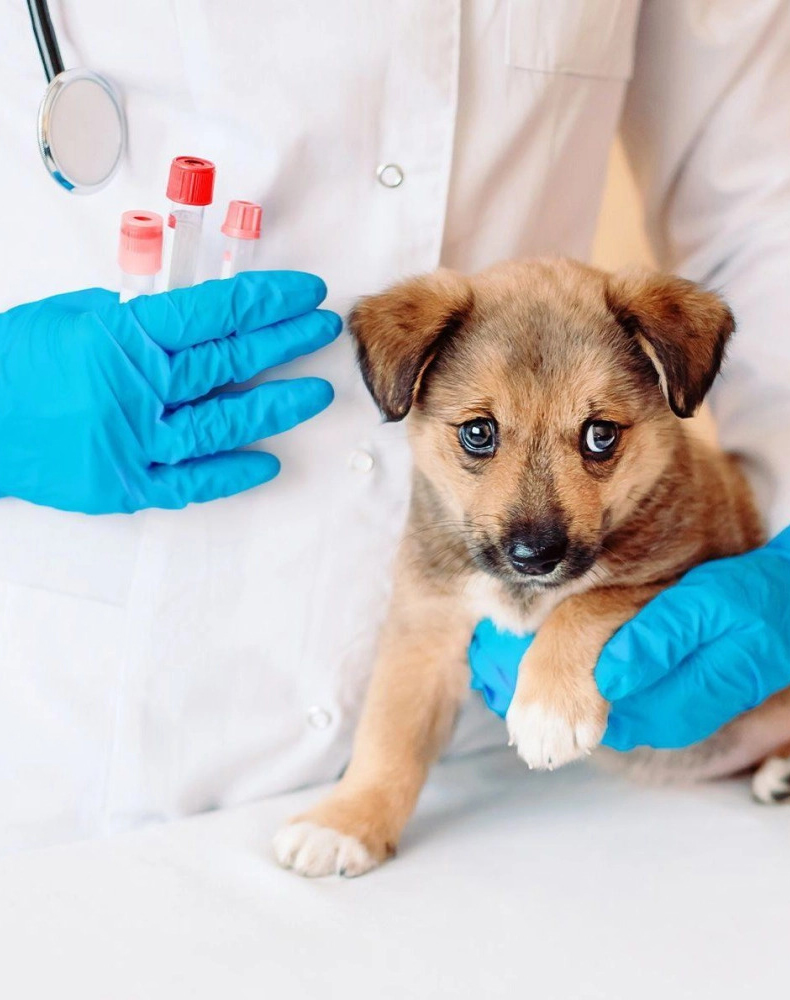
Many illnesses and medical conditions cannot be diagnosed through physical examination alone, and diagnostic testing often provides critical information about a dog’s internal health. Laboratory evaluations help veterinarians identify disease, monitor ongoing medical conditions, guide treatment decisions, and support preventive healthcare throughout every stage of life.
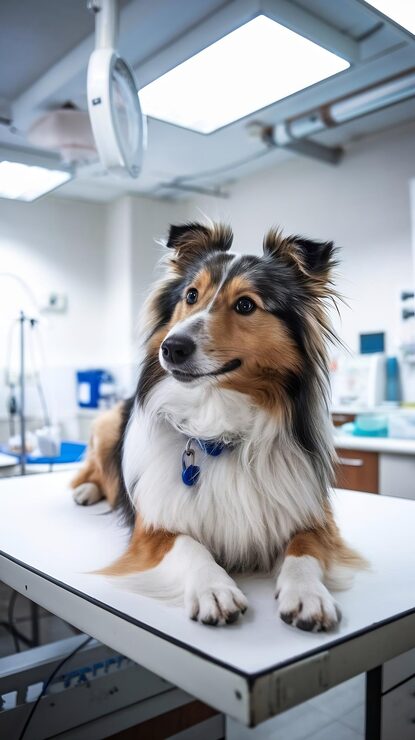
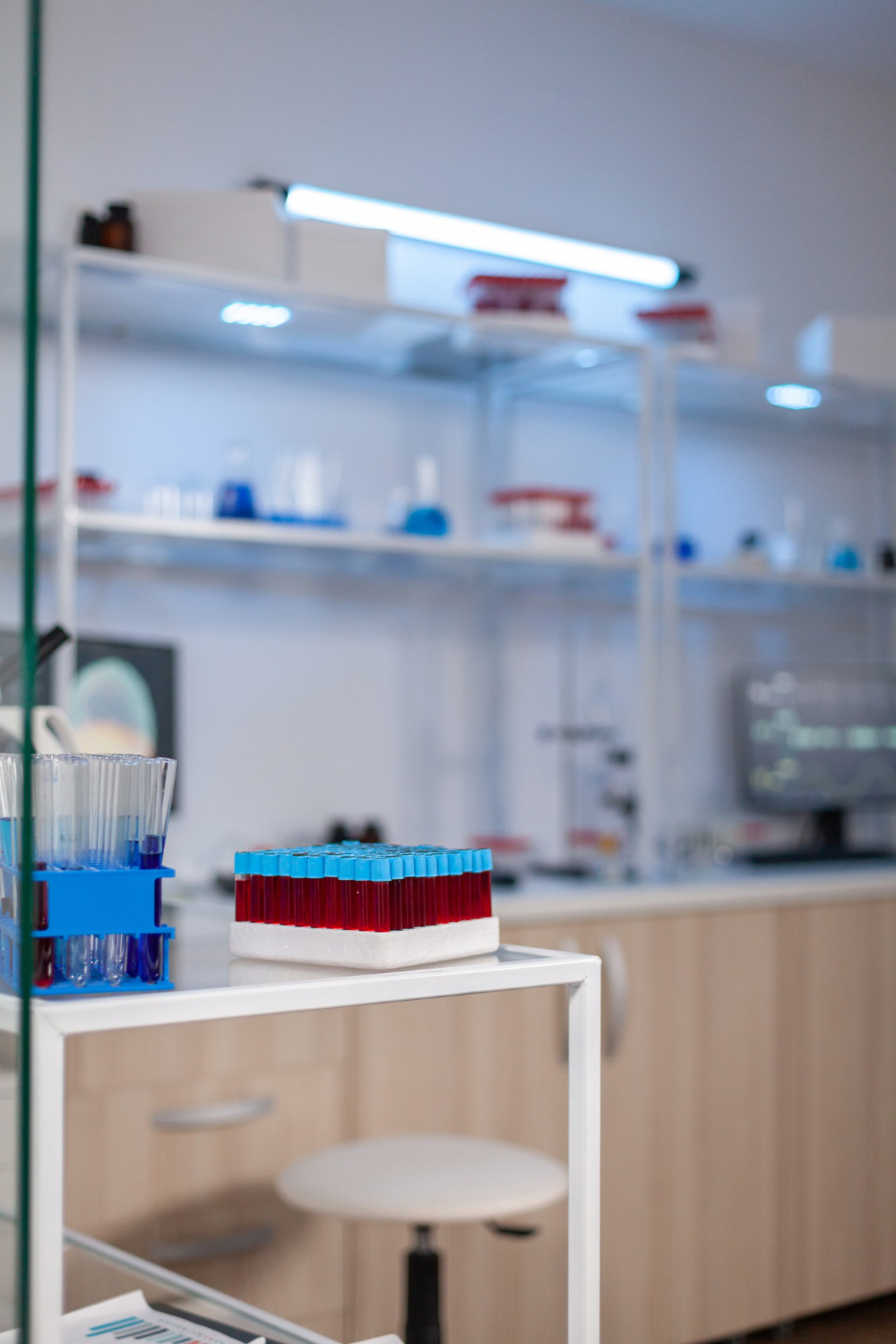
At Parkdale Animal Hospital, our in-house lab allows us to perform many important diagnostic tests quickly and efficiently. Having access to in-house testing means results are often available sooner, allowing treatment decisions to be made more rapidly and helping our team provide timely medical care for patients who may be sick, injured, or experiencing ongoing health concerns.
Laboratory testing is valuable not only when dogs are visibly ill, but also as part of routine wellness care. Many diseases develop gradually and may not produce obvious symptoms during the early stages. Routine screening can sometimes detect abnormalities before significant illness becomes apparent, allowing earlier treatment and improved long-term outcomes.
Whether a dog is experiencing sudden illness, managing a chronic disease, preparing for anesthesia, or attending a routine wellness examination, laboratory diagnostics often provide important insight into their overall health.
Why Laboratory Testing Is Important
Physical examinations provide valuable information about a dog’s health, but they cannot always reveal what is happening internally. Many medical conditions affect organs, blood cells, hormones, or metabolic function long before visible symptoms appear.
Laboratory testing helps veterinarians evaluate important aspects of internal health, including organ function, hydration status, infection, inflammation, blood cell production, electrolyte balance, and metabolic activity.
Diagnostic testing may also help identify underlying causes for symptoms such as vomiting, diarrhea, weight loss, increased thirst, lethargy, poor appetite, coughing, urinary changes, skin problems, or behavioural changes.
In some cases, laboratory abnormalities may be detected even when dogs appear outwardly healthy. This is especially important for senior pets, as age-related diseases often develop slowly and subtly over time.
Lab results also help veterinarians monitor chronic diseases and evaluate how well treatments are working. Ongoing testing allows medications, diets, and treatment plans to be adjusted appropriately as a patient’s condition changes.
Because laboratory diagnostics provide objective medical information, they are an essential part of both preventive care and illness management.
In-House Veterinary Laboratory Services
At Parkdale Animal Hospital, we offer a variety of in-house laboratory services to support rapid diagnosis and ongoing patient care.
In-house testing allows many samples to be processed directly within the hospital, reducing wait times for results and helping veterinarians make faster medical decisions when needed.
Our laboratory services may include complete blood counts, blood chemistry testing, urinalysis, cytology, infectious disease screening, and pre-anesthetic bloodwork.
Some specialized testing may also be submitted to external veterinary laboratories when additional advanced diagnostics are required. Combining in-house capabilities with referral laboratory support allows comprehensive evaluation for many medical conditions.
Blood Testing and Organ Function Assessment
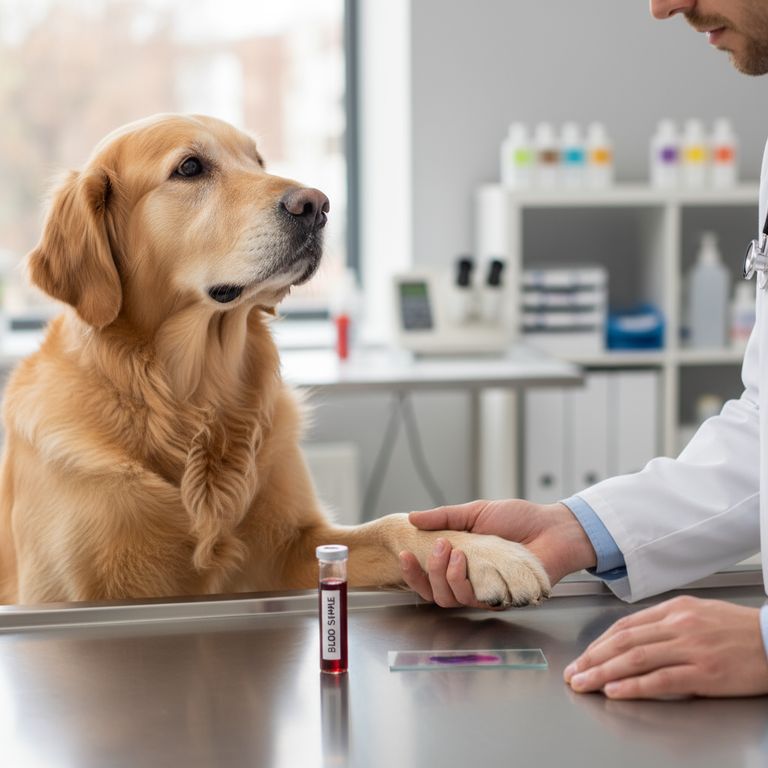
Blood testing is one of the most commonly performed diagnostic tools in veterinary medicine. Bloodwork provides valuable information about a dog’s internal organ health, immune system activity, hydration, and metabolic function.
A complete blood count, often called a CBC, evaluates red blood cells, white blood cells, and platelets. These values help assess conditions such as anemia, infection, inflammation, immune system abnormalities, and clotting disorders.
Red blood cells are responsible for carrying oxygen throughout the body. Low red blood cell levels may indicate anemia caused by blood loss, chronic disease, immune-mediated illness, or other medical conditions.
White blood cells play an important role in the immune system. Abnormal white blood cell counts may suggest infection, inflammation, stress, immune system activation, or certain cancers.
Platelets are involved in blood clotting. Low platelet counts may increase the risk of bleeding and may occur with some infectious diseases, immune-mediated conditions, or bone marrow disorders.
Blood chemistry testing evaluates organ function and metabolic health. Chemistry panels commonly assess the kidneys, liver, pancreas, blood sugar regulation, electrolytes, proteins, and other important biochemical values.
Bloodwork may help identify conditions such as kidney disease, liver disease, diabetes mellitus, pancreatitis, dehydration, electrolyte imbalances, hormonal disorders, or systemic infection.
Because many diseases affect blood values before severe symptoms develop, routine blood testing is an important part of preventive healthcare and early disease detection.
Urinalysis and Urinary Health
Urine testing is often performed alongside bloodwork to provide a more complete picture of internal health. A urinalysis provides important information about the kidneys, urinary tract, hydration status, and metabolic function.
Urinalysis may help diagnose urinary tract infections, bladder inflammation, kidney disease, diabetes, urinary crystals, or other metabolic abnormalities.
The concentration of urine provides information about kidney function and hydration status. Dogs with kidney disease may lose the ability to concentrate urine effectively over time.
A urinalysis may also detect glucose, protein, blood, bacteria, inflammatory cells, or abnormal crystals within the urine. These findings can help guide additional diagnostic testing or treatment recommendations.
Dogs showing increased thirst, increased urination, urinary accidents, difficulty urinating, or blood in the urine often benefit from prompt urinalysis evaluation.
Routine urine testing may also be recommended for senior pets or dogs with chronic medical conditions to help monitor long-term health.
Fecal Testing and Parasite Screening
Fecal testing is commonly used to evaluate intestinal health and identify gastrointestinal parasites. Many intestinal parasites are microscopic and cannot be detected reliably without laboratory analysis.
Parasites such as roundworms, hookworms, whipworms, and Giardia may contribute to diarrhea, weight loss, poor growth, vomiting, or gastrointestinal irritation. Some intestinal parasites may also pose risks to human health.
Routine fecal screening is especially important for puppies, newly adopted dogs, dogs that visit parks or daycare facilities, and pets experiencing digestive symptoms.
Even dogs that appear healthy may carry intestinal parasites without obvious symptoms. Regular testing helps identify infections early so appropriate treatment can be provided.
Fecal testing may also help investigate chronic digestive issues or persistent gastrointestinal abnormalities.
Cytology and Microscopic Evaluation
Cytology involves microscopic examination of cells collected from the skin, ears, lumps, masses, or other abnormal tissues. Cytology is a minimally invasive diagnostic tool that often provides rapid information about inflammation, infection, or abnormal cell populations.
Skin cytology may help diagnose bacterial or yeast infections contributing to itching, redness, hair loss, or skin irritation.
Ear cytology is commonly performed in dogs with recurrent ear infections, head shaking, odor, or ear discharge. Microscopic evaluation helps identify yeast, bacteria, inflammatory cells, or other abnormalities affecting the ears.
Fine needle aspiration and cytology may also be used to evaluate lumps or masses beneath the skin. Although additional testing or biopsies may sometimes be needed, cytology often helps determine whether growths appear inflammatory, infectious, benign, or potentially more serious.
Because cytology results are frequently available quickly, this diagnostic tool helps veterinarians make timely treatment recommendations for many common conditions.
Infectious Disease Screening
Lab testing is also important for identifying certain infectious diseases and parasite-related illnesses. Specialized blood tests may detect exposure to or infection with conditions such as Lyme disease, heartworm disease, tick-borne infections, or viral illnesses.
Infectious disease screening may be recommended based on a dog’s symptoms, travel history, parasite exposure risk, or regional disease prevalence.
Early diagnosis of infectious disease often improves treatment outcomes and may help reduce complications associated with delayed care.
Routine parasite screening and preventive care also play important roles in protecting both dogs and public health.
Wellness Screening and Preventive Care
Lab testing is not only valuable for sick pets. Routine wellness screening is increasingly recognized as an important part of preventive veterinary medicine in dogs.
Many diseases begin gradually and remain clinically silent during early stages. Bloodwork and urinalysis may sometimes detect abnormalities before visible symptoms develop, allowing treatment to begin earlier.
Baseline laboratory values are also helpful because they provide comparison points for future monitoring. Small changes over time may become more apparent when previous results are available for reference.
Wellness screening recommendations vary depending on age, breed, lifestyle, and medical history. Young healthy dogs may require less frequent testing, while senior dogs often benefit from more comprehensive routine monitoring.
Preventive laboratory screening helps support proactive healthcare rather than waiting until illness becomes advanced or severe.
Senior Dog Laboratory Monitoring
Senior dogs benefit greatly from regular laboratory evaluations because age-related diseases often develop gradually and subtly.
Conditions such as kidney disease, liver disease, diabetes, arthritis, hormonal disorders, and heart disease become increasingly common as dogs age. Many of these illnesses initially produce only mild or nonspecific symptoms.
Routine bloodwork and urinalysis may help detect early changes before major clinical signs appear. Earlier diagnosis often allows earlier medical intervention and may help maintain quality of life for longer periods.
Senior wellness screening may also help identify underlying disease before anesthesia, surgery, or dental procedures are performed.
Because aging affects every dog differently, individualized monitoring plans are important for maintaining long-term health and comfort.
Pre-Anesthetic Bloodwork and Patient Safety
Pre-anesthetic bloodwork is commonly required before surgical procedures and dental treatments.
Bloodwork helps evaluate organ function, blood cell counts, hydration status, and metabolic health before anesthesia is administered. Identifying underlying abnormalities beforehand may improve patient safety and help guide anesthetic planning.
Some dogs may appear healthy during physical examination while still having underlying medical conditions that could influence anesthetic risk.
Pre-anesthetic testing allows veterinarians to tailor medications, fluids, monitoring, and supportive care to the individual patient’s needs.
At Parkdale Animal Hospital, patient safety and individualized care remain important priorities during all anesthetic procedures.
Compassionate Diagnostic Care
At Parkdale Animal Hospital, we are committed to providing thorough diagnostic evaluations and compassionate veterinary care for dogs at every stage of life.
We understand that laboratory testing can sometimes feel overwhelming for dog owners, especially when medical concerns arise unexpectedly. Our team takes the time to explain diagnostic findings clearly, discuss treatment recommendations, and answer questions so families feel informed and supported throughout the process.
By combining physical examinations, laboratory diagnostics, and individualized treatment planning, we strive to provide comprehensive medical care focused on both early detection and long-term wellness.
Schedule a Wellness Examination
If your dog is showing signs of illness, requires routine laboratory screening, or would benefit from diagnostic testing, the team at Parkdale Animal Hospital is here to help.
To learn more about our in-house laboratory services or to schedule a wellness examination, please contact our hospital at 519-885-1200 or click here.