
Dog Medications
Medications play an essential role in modern veterinary medicine.
Dog Medications and Pharmacy Services
They help treat illness, manage chronic medical conditions, control pain, prevent parasites, and improve quality of life for dogs of all ages. From short-term antibiotics for infections to long-term medications for arthritis or heart disease, veterinary medications are often an important part of helping dogs remain healthy, comfortable, and active.
At Parkdale Animal Hospital, we provide veterinary-approved medications along with individualized guidance to help ensure treatments are both safe and effective. Our team understands that managing medications at home can sometimes feel overwhelming, especially when dogs require multiple treatments or long-term care. We take the time to explain treatment plans clearly, answer questions, and support owners throughout every stage of their dog’s medical care.
Every dog responds differently to medications, and treatment recommendations are always based on the individual patient’s age, health status, medical history, lifestyle, and specific condition. Proper medication selection, dosing, monitoring, and follow-up are all important components of safe veterinary care.
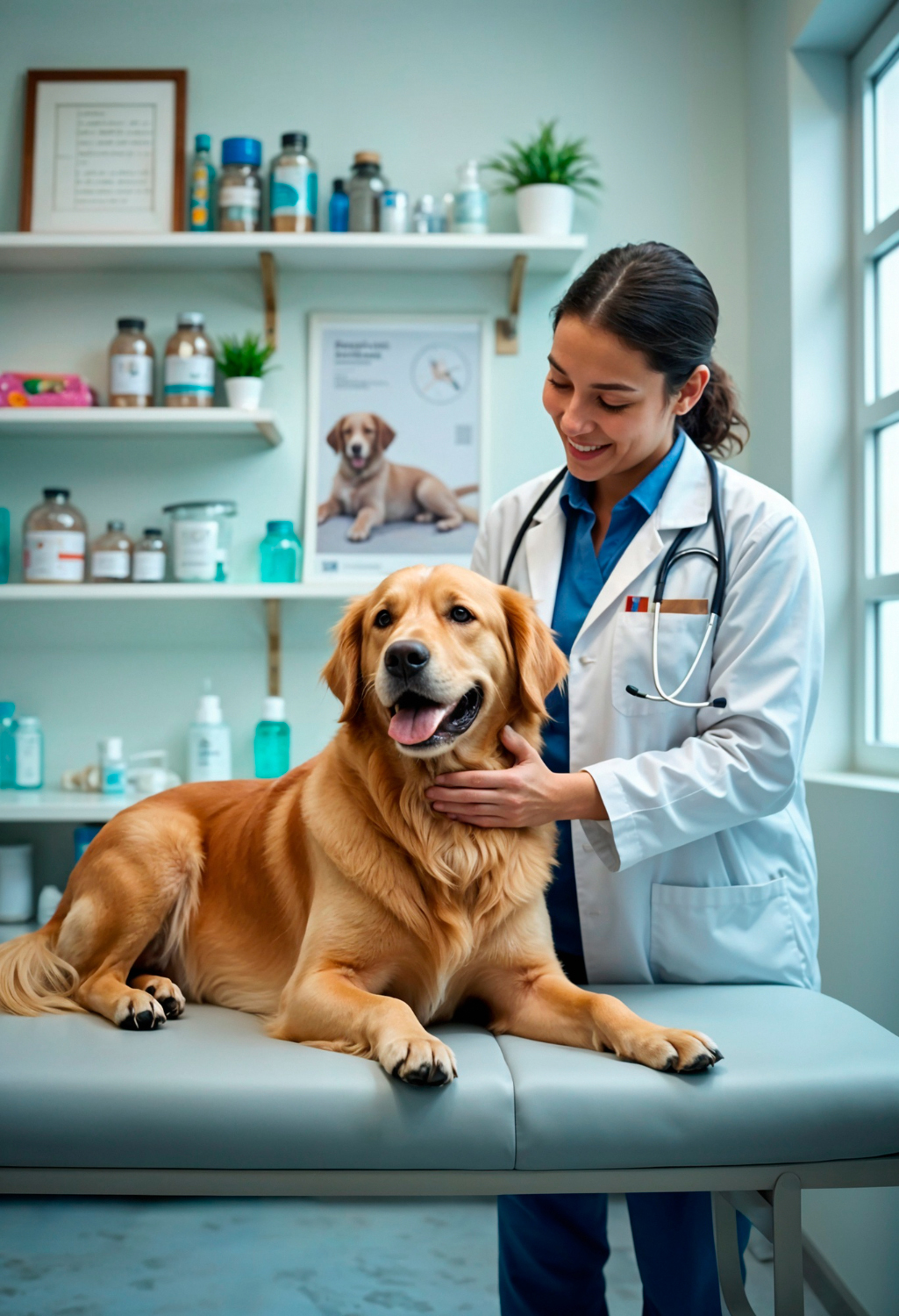
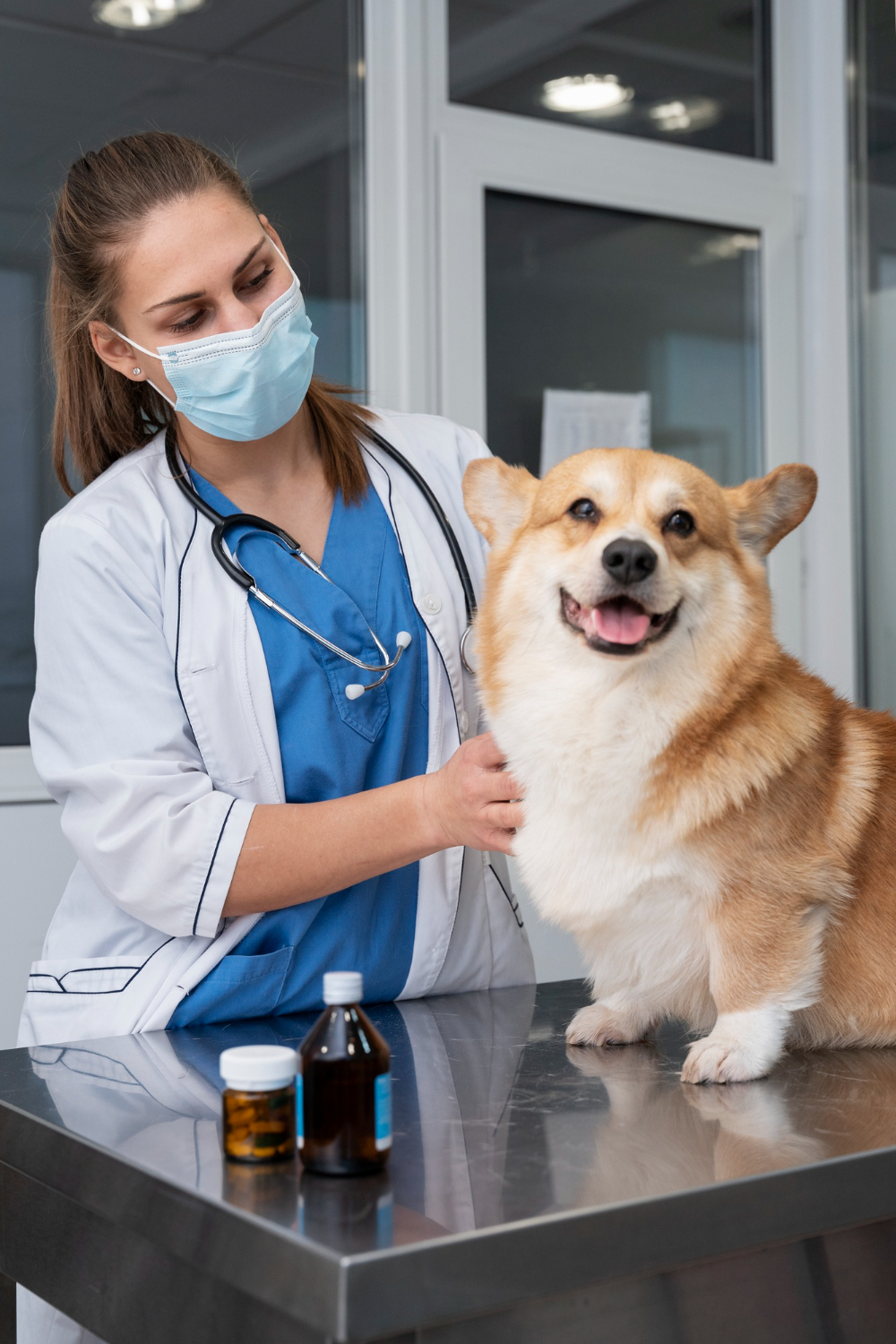
The Role of Medications in Veterinary Medicine
Veterinary medications are used to treat a wide variety of medical conditions affecting dogs. Some medications are prescribed for short-term illnesses or temporary recovery periods, while others are used long-term to help manage chronic disease and maintain quality of life.
Infections are among the most common reasons dogs require medication. Bacterial infections affecting the skin, ears, urinary tract, respiratory system, or gastrointestinal tract may require antibiotics or other supportive therapies. Proper diagnosis is important because not all infections require the same medications, and inappropriate antibiotic use can contribute to resistance or ineffective treatment.
Many dogs also require medications to help manage allergies or chronic skin disease. Dogs with allergies may experience itching, redness, ear infections, skin irritation, or hair loss that can significantly affect comfort and wellbeing. Medical management often helps reduce inflammation and improve quality of life.
Pain management is another major area where medications play an important role. Dogs experiencing arthritis, injury, surgery, dental disease, or chronic medical conditions may benefit from individualized pain control plans that support comfort and mobility.
Heart disease, endocrine disorders, gastrointestinal disease, anxiety, seizure disorders, and many other chronic conditions may also require ongoing medication management to help stabilize symptoms and support long-term health.
Preventive medications are equally important because they help protect dogs from parasites and infectious disease before illness develops. Flea, tick, heartworm, and intestinal parasite prevention are key components of preventive veterinary care.
Individualized Treatment Plans
No two dogs are exactly alike, and medication recommendations should always be tailored to the individual patient. Factors such as age, breed, body weight, medical history, lifestyle, and existing health conditions all influence which medications may be most appropriate.
Some dogs may have underlying kidney or liver disease that affects how medications are processed by the body. Others may require special dosing adjustments due to age, concurrent disease, or interactions with other medications.
At Parkdale Animal Hospital, our veterinary team carefully evaluates each patient before prescribing medications. Whenever possible, treatment plans are designed to balance effectiveness, safety, comfort, and ease of administration for both pets and owners.
Some dogs require only temporary treatment, while others benefit from long-term management strategies involving multiple medications, nutritional support, and routine monitoring.
Because medical needs may change over time, follow-up care and regular reassessment remain important parts of successful treatment.
Safe Medication Administration at Home
Administering medications properly is essential for both safety and treatment effectiveness. Even highly effective medications may not work as intended if they are not given consistently or according to veterinary instructions.
Our veterinary team provides detailed guidance regarding dosage, timing, administration methods, storage recommendations, and potential side effects. We understand that giving medications to dogs is not always easy, and we work with owners to find practical solutions that fit their dog’s temperament and routine.
Some medications are given with food, while others work best on an empty stomach. Certain medications must be administered at specific intervals to maintain proper blood levels and treatment effectiveness.
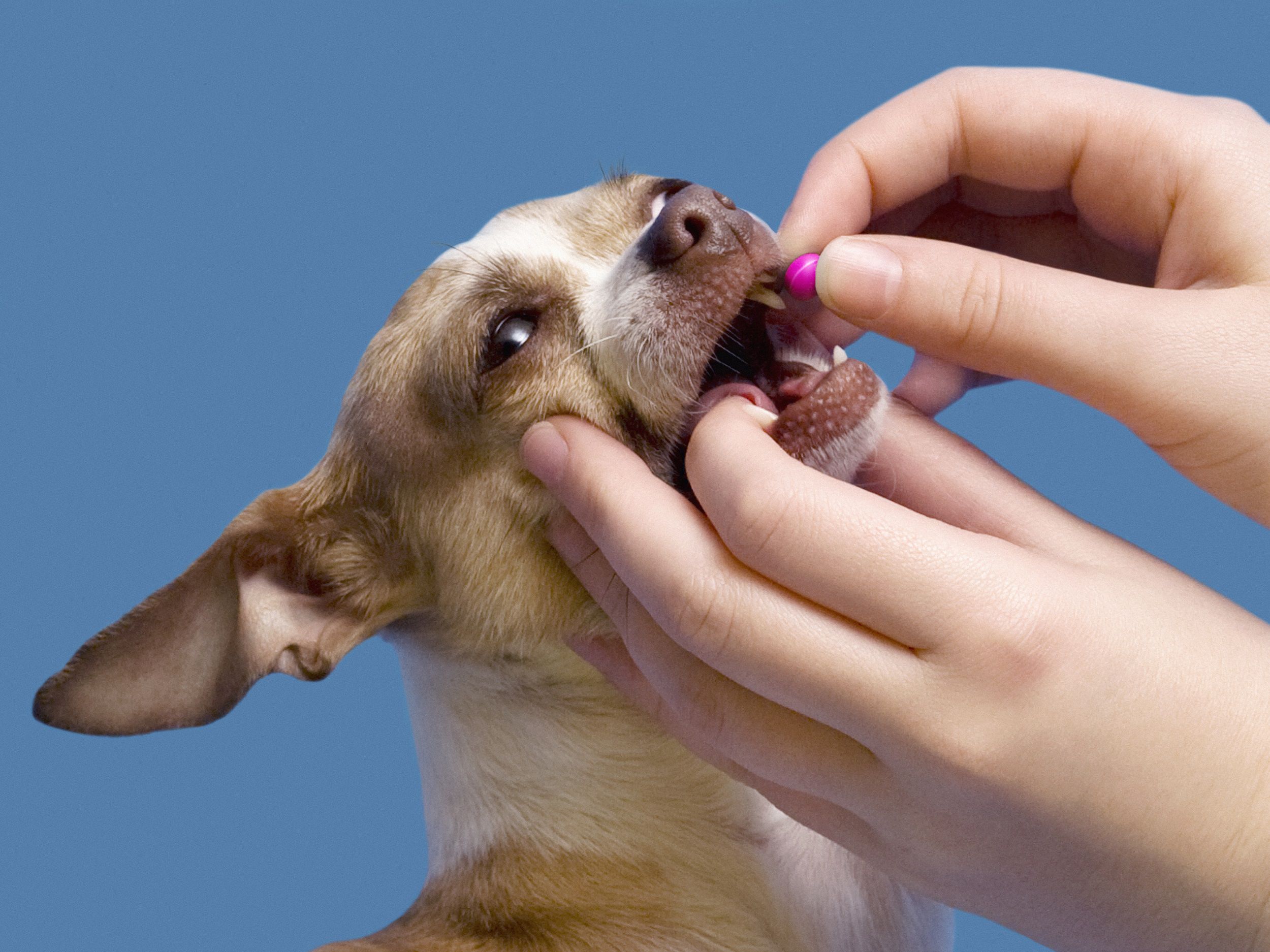
Liquid medications, capsules, chewable tablets, topical products, eye medications, ear medications, and injections may all require different administration techniques. Demonstrating proper handling and administration often helps owners feel more confident caring for their dogs at home.
Consistency is especially important for chronic conditions such as heart disease, diabetes, seizures, arthritis, or hormonal disorders. Missing doses or stopping medications abruptly may sometimes lead to worsening symptoms or medical complications.
Owners should always contact their veterinarian before making changes to prescribed medications or treatment schedules.
Preventive Medications for Dogs
Preventive medications are an important part of maintaining long-term health and reducing the risk of serious illness. Many parasites and infectious diseases can be prevented far more easily than they can be treated after infection develops.
Flea and tick prevention helps protect dogs from skin irritation, allergic reactions, infestations, and tick-borne diseases such as Lyme disease. Parasite populations continue to increase throughout many areas of Ontario, making prevention increasingly important.
Heartworm prevention protects dogs from a potentially life-threatening parasite spread through mosquito bites. Because heartworm disease can cause severe damage to the heart and lungs, routine prevention remains one of the safest and most effective forms of protection.
Intestinal parasite prevention also plays an important role in both dogs and public health. Some intestinal parasites can affect humans as well as animals, particularly young children or immunocompromised individuals.
Preventive medications are often tailored to a dog’s lifestyle, travel history, outdoor exposure, and regional parasite risk. Our veterinary team helps owners select safe and effective prevention strategies appropriate for their dog’s individual needs.

Pain Management and Comfort Care
Pain management is an important component of veterinary medicine because untreated pain can significantly affect a dog’s comfort, mobility, behaviour, and overall quality of life.
Dogs experiencing pain may become less active, reluctant to exercise, withdrawn, irritable, or hesitant to interact normally. Chronic pain may also contribute to muscle loss, reduced mobility, and worsening health over time.
Arthritis is one of the most common chronic pain conditions affecting dogs, particularly senior pets. Dogs with arthritis often experience stiffness, limping, difficulty rising, reluctance to climb stairs, or reduced interest in physical activity.
Pain management plans are highly individualized and may involve medications, weight management, rehabilitation, lifestyle adjustments, nutritional support, or other supportive therapies.
Surgical procedures and injuries also require appropriate pain control to support healing and recovery. Managing discomfort effectively often improves appetite, mobility, rest, and overall recovery outcomes.
At Parkdale Animal Hospital, we believe maintaining comfort is an important part of compassionate veterinary care. Our team works closely with families to develop pain management plans that prioritize both safety and quality of life.
Monitoring and Follow-Up Care
Some medications require ongoing monitoring to ensure they remain both safe and effective over time. Monitoring recommendations depend on the specific medication, the condition being treated, and the individual patient’s health status.
Bloodwork is commonly used to monitor organ function, medication effects, electrolyte balance, and disease progression. Dogs receiving long-term medications for conditions such as arthritis, seizures, endocrine disease, or heart disease may require periodic laboratory testing.
Blood pressure monitoring may also be important for dogs with kidney disease, heart disease, hormonal disorders, or certain medication regimens.
Weight assessment and physical examinations help veterinarians evaluate treatment response and determine whether medication adjustments are needed.
Routine follow-up appointments allow owners to discuss any concerns, side effects, behavioural changes, or challenges associated with administering medications at home.
Monitoring is especially important because some diseases naturally progress over time, requiring treatment plans to be adjusted periodically to maintain the best possible quality of life.
Medication Safety Tips for Pet Owners
Medication safety is extremely important because dogs may react very differently to medications than humans do. Certain medications that are considered safe for people can be highly dangerous or even fatal to dogs.
Owners should never give human medications without direct veterinary guidance. Common over-the-counter products such as ibuprofen, acetaminophen, or certain cold medications can cause serious toxicity in dogs.
Medications should always be stored securely and kept out of reach of pets and children. Many flavored veterinary medications are designed to be palatable, which may increase the risk of accidental ingestion if bottles are left accessible.
Dosing instructions should be followed carefully, including timing, frequency, and administration recommendations. Giving too much medication or administering medications too frequently can increase the risk of side effects or toxicity.
Owners should also watch for possible side effects such as vomiting, diarrhea, reduced appetite, lethargy, behavioural changes, or allergic reactions. If concerning symptoms develop after starting a medication, veterinary advice should be sought promptly.
Clear communication between veterinarians and pet owners helps reduce risks and improve treatment success.
Supporting Owners Through Treatment
Managing a dog’s medical treatment at home can sometimes feel stressful, especially when dogs require long-term medications or multiple therapies. Questions about administration, side effects, scheduling, or monitoring are very common.
At Parkdale Animal Hospital, our veterinary team is committed to helping owners feel informed and supported throughout the treatment process. We believe strong communication and client education are important parts of providing high-quality veterinary care.
We are always happy to answer questions regarding medications, preventive care, administration techniques, monitoring recommendations, or treatment plans. Our goal is to help families feel confident caring for their dogs while ensuring the dogs receive safe, effective, and compassionate medical support.
Contact Our Team
If you have questions about your dog’s medications, preventive care, chronic disease management, or treatment plan, the team at Parkdale Animal Hospital is here to help.
To learn more about our pharmacy services or to schedule an examination, please contact our hospital at 519-885-1200 or click here.