
Dog Preventive Care
Preventive care is one of the most important aspects of maintaining your dog’s long-term health and quality of life.
Preventive Veterinary Care for Dogs
Rather than waiting until illness develops, preventive veterinary medicine focuses on identifying health concerns early, reducing disease risk, and supporting overall wellness throughout every stage of life.
At Parkdale Animal Hospital, we believe proactive healthcare plays a critical role in helping dogs live longer, healthier, and more comfortable lives. Regular wellness visits, vaccinations, parasite prevention, nutritional guidance, and routine screening tests all work together to support your dog’s physical wellbeing and detect medical concerns before they become more serious.
Many diseases develop gradually and may not produce obvious symptoms during the early stages. Dogs are often very good at hiding discomfort, which means significant illness can sometimes progress before owners notice visible changes at home. Preventive care allows veterinary teams to monitor subtle changes over time and intervene earlier when problems arise.
Every dog has unique healthcare needs based on age, breed, lifestyle, medical history, and environmental exposure. Because of this, preventive care is most effective when it is individualized and adjusted throughout the dog’s life.

What Is Preventive Veterinary Care?
Preventive care includes a wide range of veterinary services designed to maintain health, reduce disease risk, and identify medical problems early. Rather than focusing only on treating illness after symptoms develop, preventive medicine emphasizes proactive monitoring and wellness support.
Routine preventive care often includes wellness examinations, vaccinations, parasite prevention, laboratory screening, dental evaluations, nutrition counseling, weight management, and ongoing health monitoring.
Preventive medicine also involves educating pet owners about lifestyle factors that influence health, including nutrition, exercise, dental hygiene, parasite control, and age-related changes.
By identifying concerns earlier, veterinarians are often able to begin treatment sooner, potentially improving outcomes and reducing the risk of complications.
Why Preventive Care Is Important
Routine preventive care offers many important long-term benefits for dogs and their families.
One of the greatest advantages of preventive medicine is early disease detection. Many medical conditions, including kidney disease, diabetes, arthritis, thyroid disorders, liver disease, heart disease, and dental disease, may begin gradually with subtle or nonspecific symptoms. Early identification often allows treatment to begin before severe illness develops.
Preventive care may also help reduce long-term treatment costs. Managing diseases during earlier stages is often less complicated and less expensive than treating advanced illness after major complications occur.
Maintaining regular wellness care can also improve quality of life by helping dogs remain comfortable, active, and healthy throughout their lives.
Vaccinations and parasite prevention help protect dogs against serious infectious diseases that may otherwise cause significant illness or even become life-threatening.
Preventive care is especially important because dogs age much faster than humans. Significant medical changes can occur over relatively short periods of time, particularly in senior pets. Routine monitoring allows veterinary teams to track changes over time and respond appropriately as needs evolve.
Wellness Examinations and Physical Assessments
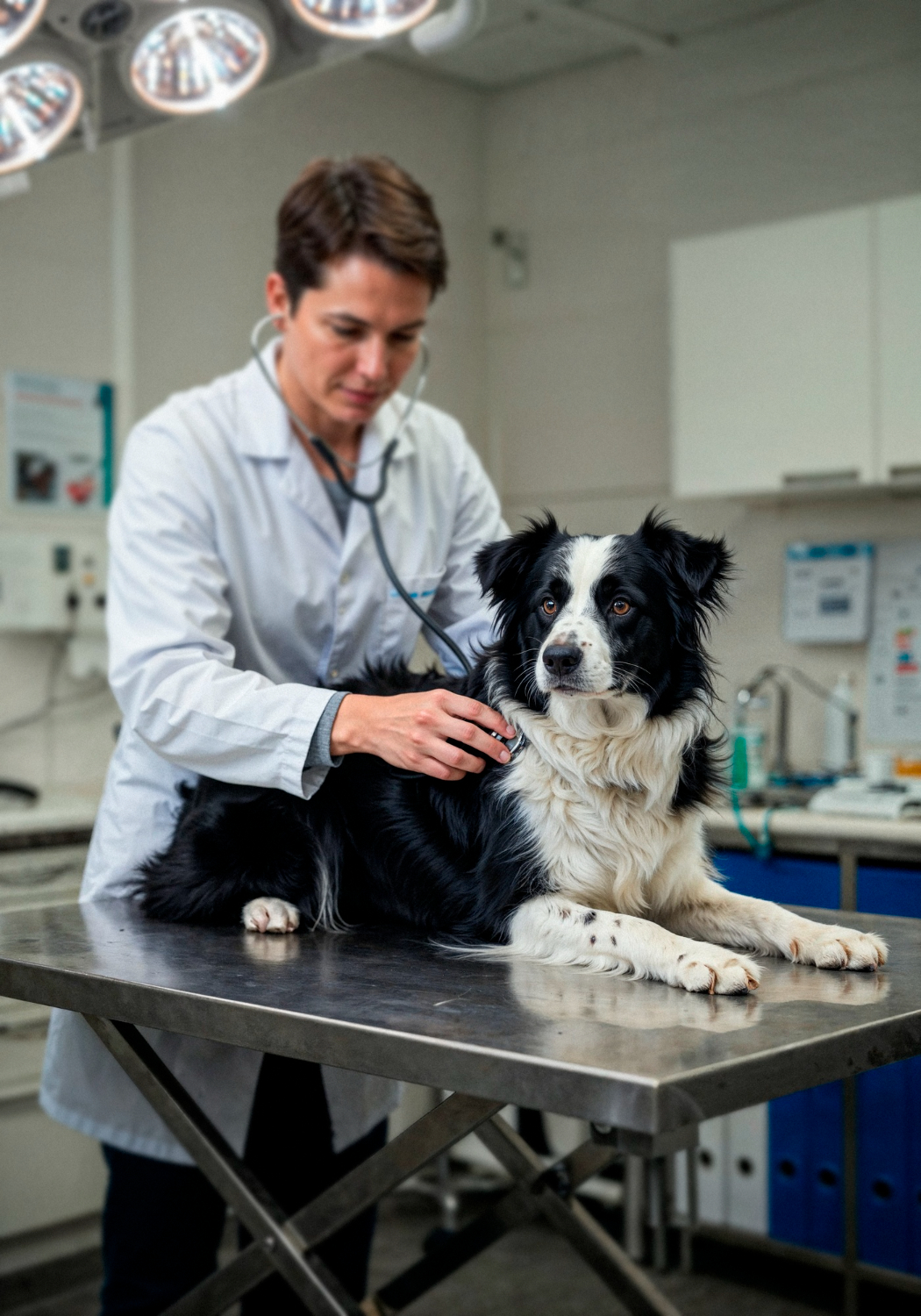
Regular wellness examinations are the foundation of preventive veterinary medicine. Even healthy-appearing dogs benefit from routine physical examinations because many medical conditions may not be obvious at home during early stages.
During a wellness examination, veterinarians assess overall health and look for subtle abnormalities that may indicate underlying disease.
Physical examinations commonly include evaluation of body weight, body condition score, muscle condition, heart and lung function, skin and coat health, eyes, ears, teeth, abdomen, mobility, and joint function.
Veterinarians may also assess hydration status, lymph nodes, neurologic function, and signs of pain or discomfort.
Routine examinations provide valuable opportunities to discuss behavioural changes, dietary concerns, mobility issues, parasite prevention, dental care, and age-related health changes with pet owners.
Because dogs change over time, regular wellness visits allow healthcare recommendations to be adjusted according to the pet’s current needs and lifestyle.
Vaccinations and Infectious Disease Prevention
Vaccinations are an important part of preventive healthcare because they help protect dogs against potentially serious infectious diseases.
Vaccination recommendations are tailored based on each dog’s age, lifestyle, travel habits, exposure risk, and medical history. Not every dog requires identical vaccine protocols, which is why individualized care is important.
Core vaccines commonly protect against diseases such as distemper, parvovirus, adenovirus, and rabies. Additional lifestyle-based vaccines may be recommended for dogs with increased exposure risk due to boarding, daycare attendance, travel, social activity, or outdoor exposure.
Vaccines work by helping the immune system recognize and respond more effectively to infectious organisms before severe illness develops.
Routine vaccination discussions also provide opportunities to review changing lifestyle risks and ensure dogs remain appropriately protected over time.
Parasite Prevention and Protection
Parasite prevention is another major component of preventive veterinary medicine. Fleas, ticks, heartworm disease, and intestinal parasites can all significantly affect a dog’s health and comfort.
Fleas may cause severe itching, allergic reactions, skin infections, and tapeworm transmission. Tick
Heartworm disease, spread through mosquito bites, can cause serious cardiovascular and respiratory damage if left untreated.
Intestinal parasites may contribute to digestive problems, poor growth, weight loss, and public health concerns because some parasites may also affect humans.
Preventive medications are designed to protect dogs before infestation or infection occurs. Recommendations are based on the dog’s lifestyle, outdoor activity, travel history, and parasite exposure risk.
Routine parasite prevention helps reduce disease risk while improving comfort and overall wellness.
Early Disease Detection Through Screening
One of the most valuable aspects of preventive care is the ability to identify disease before obvious symptoms develop.
Routine laboratory screening may help detect early abnormalities involving the kidneys, liver, blood sugar regulation, thyroid gland, immune system, or blood cell production.
Bloodwork, urinalysis, fecal testing, blood pressure monitoring, and other screening tools provide important information about internal health that cannot be determined through physical examination alone.
In some cases, laboratory abnormalities may appear months or even years before visible clinical symptoms develop.
Early diagnosis often allows earlier treatment, which may improve long-term outcomes and slow disease progression.
Baseline laboratory values are also helpful because they provide comparison points for future monitoring as dogs age.
Lifestyle-Based Preventive Care
Preventive healthcare recommendations should always be tailored to the individual dog. Age, breed, activity level, environment, travel habits, and medical history all influence preventive care needs.
Highly active dogs may require different nutritional support and parasite prevention than sedentary indoor pets. Dogs that travel frequently or visit boarding facilities may have different vaccination requirements than dogs with limited social exposure.
Certain breeds may also be predisposed to specific medical conditions that benefit from earlier screening or monitoring.
Lifestyle-based care allows veterinarians to create more personalized healthcare plans focused on the unique risks and needs of each patient.
At Parkdale Animal Hospital, we work closely with owners to understand their dog’s routine, environment, and lifestyle so recommendations can be tailored appropriately.
Senior Preventive Care
Senior dogs often benefit from more frequent monitoring because age-related diseases become increasingly common as dogs grow older.
Conditions such as arthritis, kidney disease, heart disease, diabetes, thyroid disorders, cognitive dysfunction, and cancer may develop gradually and initially produce only subtle changes.
Older dogs may experience changes in mobility, appetite, weight, thirst, hearing, vision, or behaviour that warrant medical evaluation.
Routine wellness visits and laboratory screening become especially important during senior years because early intervention often helps maintain quality of life for longer periods.
Senior preventive care may also include pain management discussions, mobility assessments, nutritional adjustments, dental evaluations, and monitoring for chronic disease progression.
Because dogs age more rapidly than humans, small changes over a few months may represent significant medical developments.
Dental Health and Preventive Medicine
Dental care is another important part of preventive healthcare that is sometimes overlooked.
Dental disease is extremely common in dogs and may contribute to pain, infection, inflammation, bad breath, and difficulty eating. Bacteria associated with dental disease may also affect other organs, including the heart and kidneys.
Routine wellness examinations allow veterinarians to monitor oral health and identify signs of dental disease before more serious complications develop.
Preventive dental care may include home dental hygiene recommendations, dental diets, dental chews, and professional dental cleanings when needed.
Maintaining oral health helps support comfort, appetite, and overall wellbeing throughout life.

Building a Long-Term Wellness Plan
Preventive care is most effective when it is consistent and individualized over time. Rather than approaching healthcare only when illness develops, ongoing wellness planning allows veterinary teams to monitor changes proactively and adapt recommendations as dogs age.
Long-term wellness plans may include vaccination schedules , nutritional guidance , parasite prevention programs, laboratory screening recommendations, dental care
Strong communication between veterinarians and pet owners is an important part of successful preventive healthcare. Understanding a dog’s lifestyle, habits, behaviour, and medical history helps create more personalized and effective care plans.
At Parkdale Animal Hospital, our veterinary team works closely with families to support lifelong health through compassionate, evidence-based preventive medicine.
Compassionate Preventive Veterinary Care
At Parkdale Animal Hospital, we are committed to helping dogs live longer, healthier lives through proactive and individualized veterinary care.
We believe preventive medicine is one of the most valuable investments owners can make in their dog’s long-term health and wellbeing. By focusing on early detection, disease prevention, and ongoing wellness support, we strive to help dogs remain comfortable, active, and healthy throughout every stage of life.
Our team is always happy to answer questions about vaccinations, nutrition, parasite prevention, wellness screening, senior care, and preventive healthcare recommendations tailored to your dog’s specific needs.
Schedule a Wellness Visit
If you would like to schedule preventive care or discuss your dog’s long-term health plan, the team at Parkdale Animal Hospital is here to help.
To schedule a wellness examination or learn more about our preventive veterinary services, please contact our hospital at 519-885-1200 or click here.