
Dog Emergency Care
If you feel your dog is experiencing an emergency, please contact us immediately or come directly to the clinic right away so we can assess your pet without delay.
Dog Emergency Care
Time can be critical in urgent situations, and it is always better to have your dog seen as soon as possible rather than wait and monitor at home.
If our hospital is closed, please seek care at the Emergency Clinic of Waterloo Region. They can be reached at 519-650-1617 and are equipped to provide urgent and after-hours emergency veterinary care.
Medical emergencies in dogs rarely give any warning. One moment your dog may seem completely normal, and the next you are faced with something frightening and urgent. These situations are stressful, emotional, and often overwhelming for pet owners. At Parkdale Animal Hospital, we understand how quickly these moments can unfold, and our goal is to provide calm, focused, and immediate care when your dog needs it most during our regular hospital hours.
Emergency veterinary care is not just about treating the medical problem in front of us. It is also about supporting you through a very difficult experience. When you arrive with a sick or injured dog, our team prioritizes rapid assessment and stabilization, while also making sure you understand what is happening and what steps we are taking. Clear communication is a key part of emergency care, especially when emotions are running high.
While some emergencies are dramatic and obvious, others can be subtle at first. Knowing what to look for can make a significant difference in how quickly your dog receives treatment.
When a Dog May Need Emergency Care
There are certain signs in dogs that should always be taken seriously, even if you are unsure how severe the situation is. Difficulty breathing is one of the most urgent warning signs. Dogs who are struggling to breathe may show open-mouth breathing, exaggerated chest movement, or appear anxious and unable to settle. This is always considered an emergency.
Collapse or fainting is another situation that requires immediate attention. Even if your dog seems to recover quickly afterward, the underlying cause may be serious and should be assessed without delay. Similarly, seizures are always concerning, especially if they are new, prolonged, or occur in clusters.
Gastrointestinal signs such as severe vomiting or diarrhea can also become emergencies, particularly if they are persistent or accompanied by lethargy or weakness. In some cases, dogs can become dangerously dehydrated very quickly.
Trauma is another common reason for emergency visits. This may include being hit by a vehicle, falling from a height, or any significant physical injury. Even if external injuries are not obvious, internal trauma can still be present.
Toxin exposure is also a major concern in dogs. Many household substances that seem harmless to people can be dangerous or even life-threatening to dogs. If you suspect your dog has eaten something toxic, it is always better to seek help immediately rather than wait for symptoms to appear. Contact the Pet Poison Helpline, a 24/7 animal poison control center, at 1-855-764-7661 to have the risk of poisoning assessed.
Other urgent signs include difficulty urinating, significant bleeding, sudden weakness, severe pain, heat-related illness, or a swollen and distended abdomen. Any of these signs warrant prompt veterinary evaluation because they may indicate serious underlying conditions.
Common Emergency Conditions in Dogs
In veterinary emergency medicine, there are certain conditions that are seen more frequently than others. Bite wounds and lacerations are common, especially in social dogs or those involved in outdoor interactions. While some wounds may appear small on the surface, they can extend deeper into tissue and require thorough cleaning and sometimes surgical repair.
Fractures and broken bones are another frequent emergency. These injuries are often the result of trauma and require both pain management and diagnostic imaging to determine the best course of treatment.
Foreign body ingestion is also very common in dogs. Many dogs are naturally curious and may swallow toys, bones, fabric, or other objects. Depending on the location and size of the object, this can lead to obstruction and may require surgical intervention.
Allergic reactions can vary widely in severity. Some dogs may experience mild swelling or itching, while others may develop life-threatening anaphylactic reactions that affect breathing and circulation.
Poisoning cases are another important category of emergency. These can range from mild gastrointestinal upset to severe neurologic or organ damage depending on the substance involved and how quickly treatment is started. Contact the Pet Poison Helpline, a 24/7 animal poison control center, at 1-855-764-7661 to have the risk of poisoning assessed.
Respiratory distress, urinary obstruction, severe infections, and neurologic emergencies such as sudden collapse or disorientation are also seen in emergency settings. Each of these situations requires rapid evaluation because they can deteriorate quickly without intervention.
Toxicities in Dogs
Dogs explore the world with their mouths, which unfortunately puts them at risk for ingesting harmful substances. Some toxins are well known, while others may surprise pet owners.
Chocolate is one of the most commonly recognized toxins, and even small amounts can cause significant issues depending on the type and size of the dog. Grapes and raisins are also dangerous and can lead to kidney failure in some dogs, even in relatively small quantities.
Xylitol, a sweetener found in sugar-free gum and certain baked goods, is particularly dangerous and can cause a rapid drop in blood sugar as well as liver damage. Human medications, including over-the-counter pain relievers, are another frequent cause of toxicity cases.
Cannabis products have also become more common in emergency cases, often resulting in sedation, disorientation, or more severe neurologic signs in dogs. Household cleaners, rodenticides, and certain ornamental plants can also pose serious risks.
If you ever suspect your dog has ingested something toxic, time is extremely important. Prompt veterinary attention can significantly improve outcomes, even in potentially severe cases. Contact the Pet Poison Helpline, a 24/7 animal poison control center, at 1-855-764-7661 to have the risk of poisoning assessed.
Heatstroke in Dogs
Heatstroke is one of the most serious and preventable emergencies seen in dogs. It can occur when a dog is exposed to high temperatures, excessive humidity, or strenuous exercise without adequate cooling.
Early signs often include heavy panting, restlessness, and difficulty settling. As the condition progresses, dogs may become weak, uncoordinated, or collapse. Vomiting can occur, and the gums may appear unusually bright red. In severe cases, body temperature rises to dangerous levels, leading to organ damage or even death if not treated quickly.
Heatstroke requires immediate veterinary intervention. Even if a dog seems to recover partially on the way to the clinic, internal damage may still be occurring. Rapid cooling, intravenous fluids, and supportive care are often necessary.
Emergency Diagnostics and Treatment
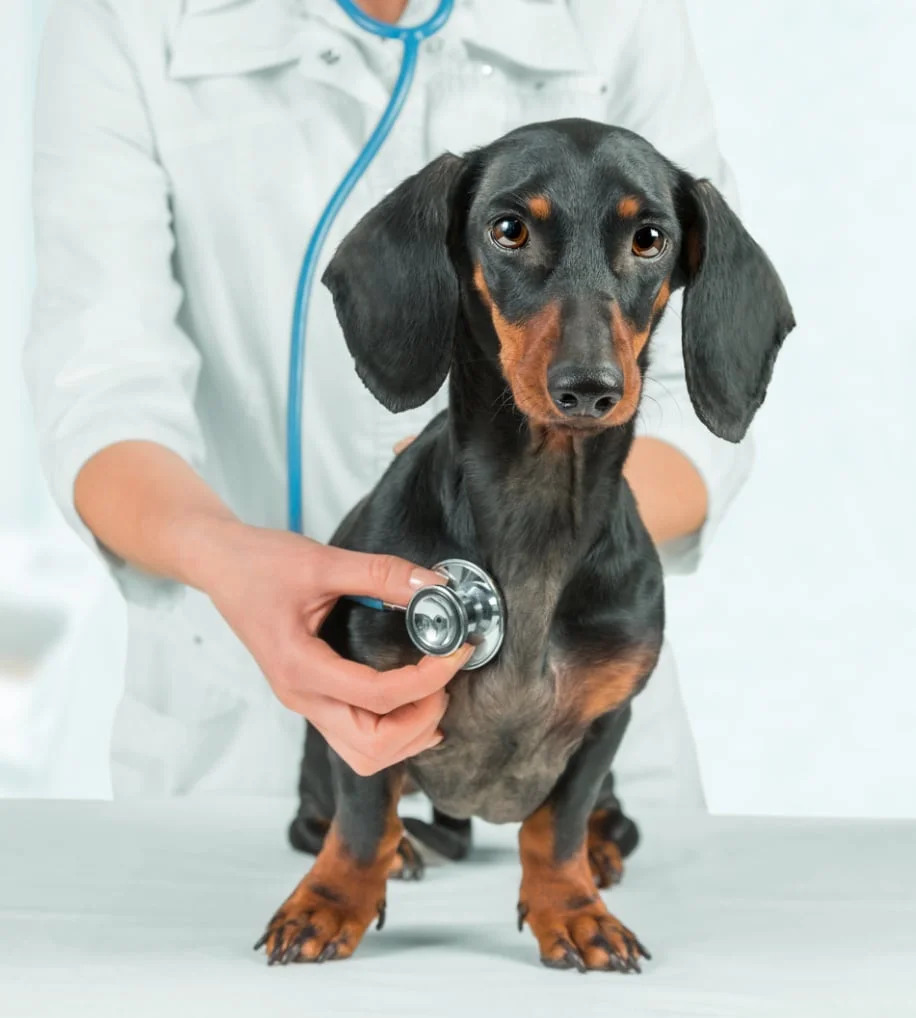
When a dog arrives in an emergency condition, the first priority is always stabilization. Once the patient is stable enough, diagnostic testing is often required to determine the underlying cause of illness or injury.
This may include bloodwork to assess organ function, hydration status, and infection markers. Diagnostic imaging such as X-rays or ultrasound may be used to evaluate internal injuries, foreign bodies, or other abnormalities.
Many emergency patients require oxygen therapy, especially those with breathing difficulties or shock. Intravenous fluids are commonly used to support circulation and hydration. Pain management is also a critical part of emergency care, as many conditions are painful and distressing.
In some cases, surgery may be required to address injuries, remove foreign objects, or correct life-threatening conditions. Hospitalization is often necessary to monitor recovery and provide ongoing treatment.
Preparing for Emergencies
While emergencies cannot always be prevented, being prepared can make a significant difference in how quickly your dog receives care. Having important veterinary contact information easily accessible is a simple but valuable step.
It is also helpful to know the location and hours of nearby veterinary clinics, especially those that provide urgent care. Keeping up with routine preventive care, including vaccinations and parasite control, can reduce the risk of certain emergency situations.
For dogs with chronic medical conditions, close monitoring is important. Changes in appetite, behavior, or energy levels should never be ignored, as they may indicate an underlying problem that is developing.
Compassionate Emergency Care
Emergency situations are not only medical events; they are emotional ones. Pet owners often arrive feeling frightened, uncertain, and worried about their companion. Our role is to provide both medical care and emotional support during these moments.
At Parkdale Animal Hospital, we focus on treating each dog with urgency while also making sure families feel informed and supported. We take the time to explain what we are doing, why we are doing it, and what to expect next. Even in the most urgent situations, clarity and compassion remain central to our approach.
Contact Us Immediately
If your dog is experiencing a medical emergency, it is important not to wait. Contact us right away at 519-885-1200 so we can guide you on the next steps and prepare for your arrival. In emergencies, early intervention can make a meaningful difference in outcomes, and our team is here to help when you need us most.