
Dog Microchipping
Microchipping is one of the safest, simplest, and most effective ways to help protect your dog if they ever become lost or separated from your family.
Dog Microchipping Services
Although collars and identification tags remain important, they can sometimes break, slip off, or be removed. A microchip provides permanent identification that stays with your dog for life and significantly increases the likelihood of a successful reunion.
At Parkdale Animal Hospital, we strongly recommend microchipping as part of responsible pet ownership and preventive healthcare. Every year, countless pets become lost unexpectedly due to open doors, damaged fences, travel accidents, storms, or frightening situations. Even well-trained dogs can become disoriented or panic when startled.
Microchipping offers owners peace of mind by providing a reliable form of identification that remains with the pet permanently. While no identification system is perfect on its own, combining a microchip with a collar and identification tags provides the best possible protection for your dog.
What Is a Microchip?
A microchip is a tiny electronic device approximately the size of a grain of rice. It is implanted just beneath the skin, typically between the shoulder blades. Each microchip contains a unique identification number that is linked to the owner’s contact information through a secure registration database.
The microchip itself does not contain personal information directly. Instead, the identification number is associated with the owner’s information stored within the registry database. When the chip is scanned, veterinary clinics, shelters, or animal control officers can access the registry and contact the pet owner.
Microchips are designed specifically for permanent pet identification. They are durable, biocompatible, and intended to remain functional for the lifetime of the animal.
Because the chip is implanted beneath the skin, it cannot be easily lost, damaged, or removed during normal activity.
Why Microchipping Is Important
One of the biggest advantages of microchipping is that it provides permanent identification regardless of whether a collar or tag is present.
Collars and identification tags remain valuable and should always be used whenever possible, but they are not foolproof. Dogs may lose collars while playing outdoors, escaping fences, swimming, or during accidents. In some cases, frightened dogs may slip out of collars entirely.
Without identification, it can be very difficult for shelters or veterinary clinics to determine ownership of a lost pet.
Microchipping greatly improves the chances of reuniting lost dogs with their families. Shelters and veterinary hospitals routinely scan stray animals for microchips during intake examinations. If a chip is detected and the owner’s contact information is current, the family can often be contacted quickly.
Microchips are especially valuable for dogs that travel frequently, participate in outdoor activities, or may be at higher risk of escaping due to anxiety or fear-related behaviours.
Even indoor pets benefit from microchipping because unexpected situations can happen very quickly. Open doors, damaged screens, visitors entering the home, or frightening noises may all lead to accidental escapes.
How Microchipping Works
The microchipping procedure itself is very quick and straightforward. The chip is inserted beneath the skin using a sterile applicator needle, similar to the process used during routine vaccinations.
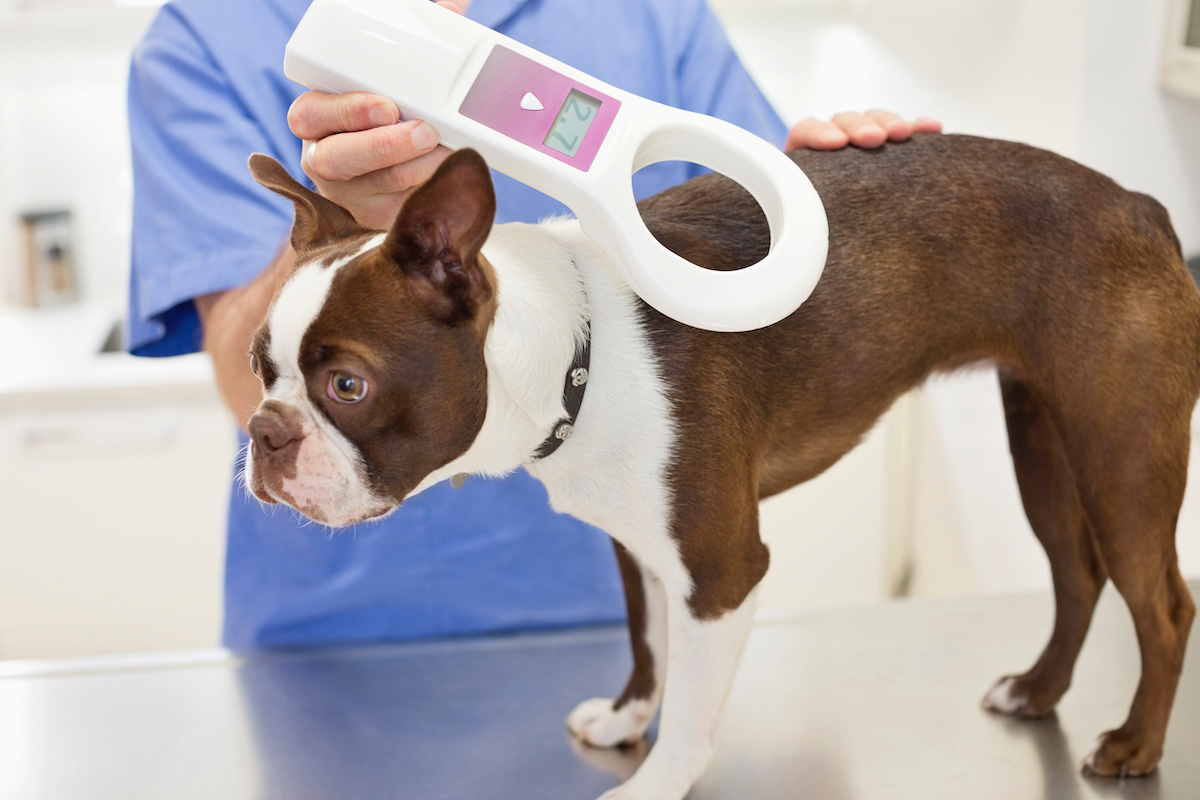
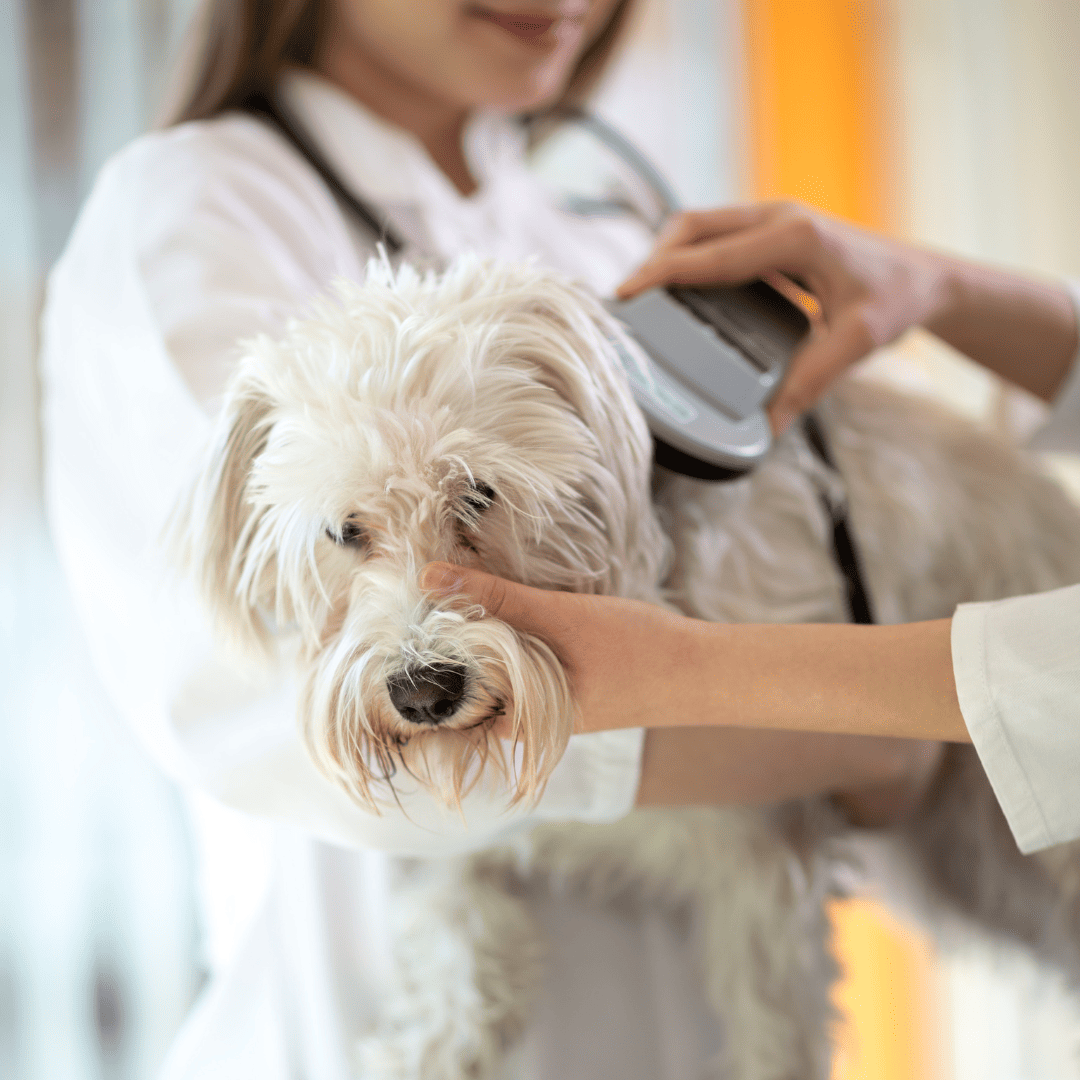
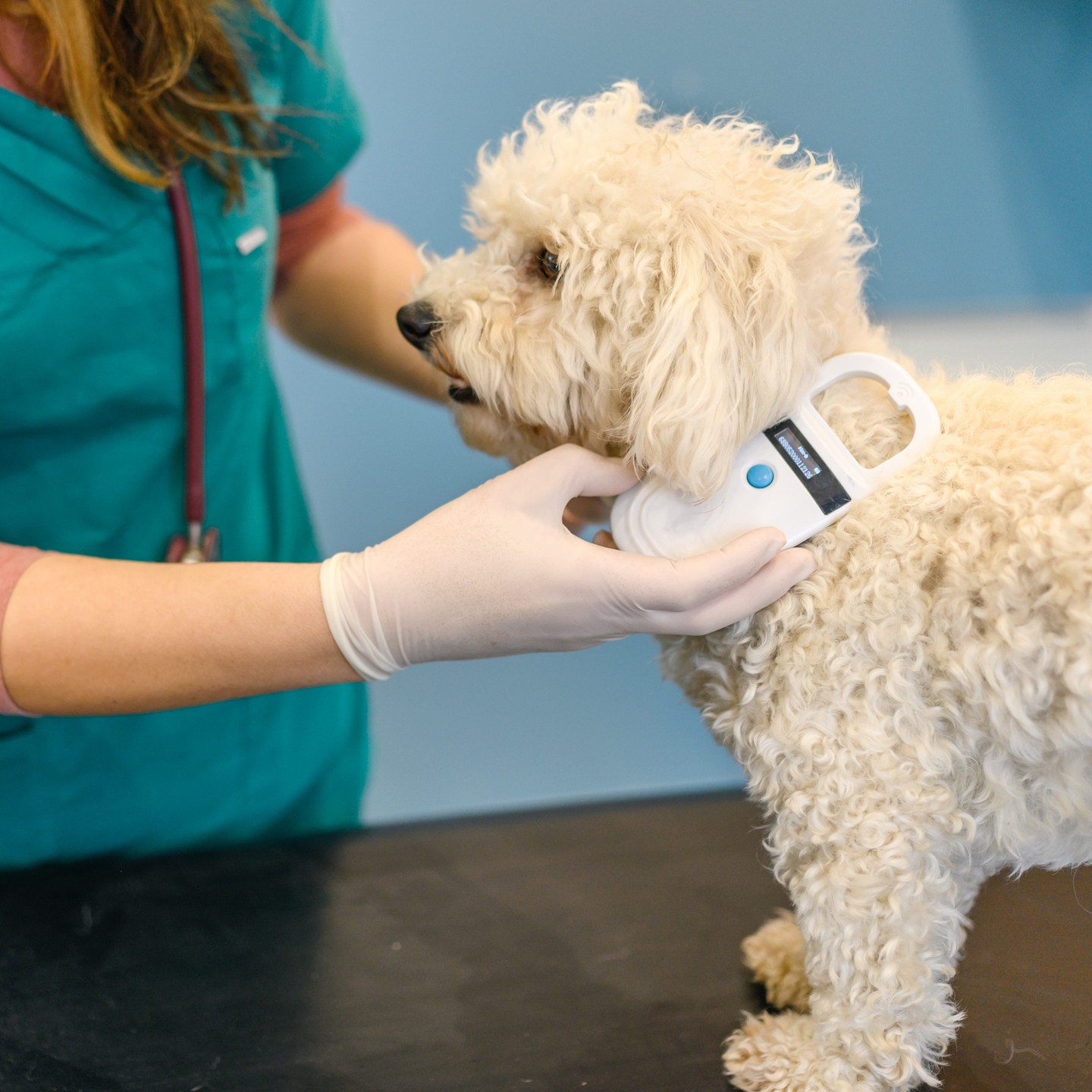
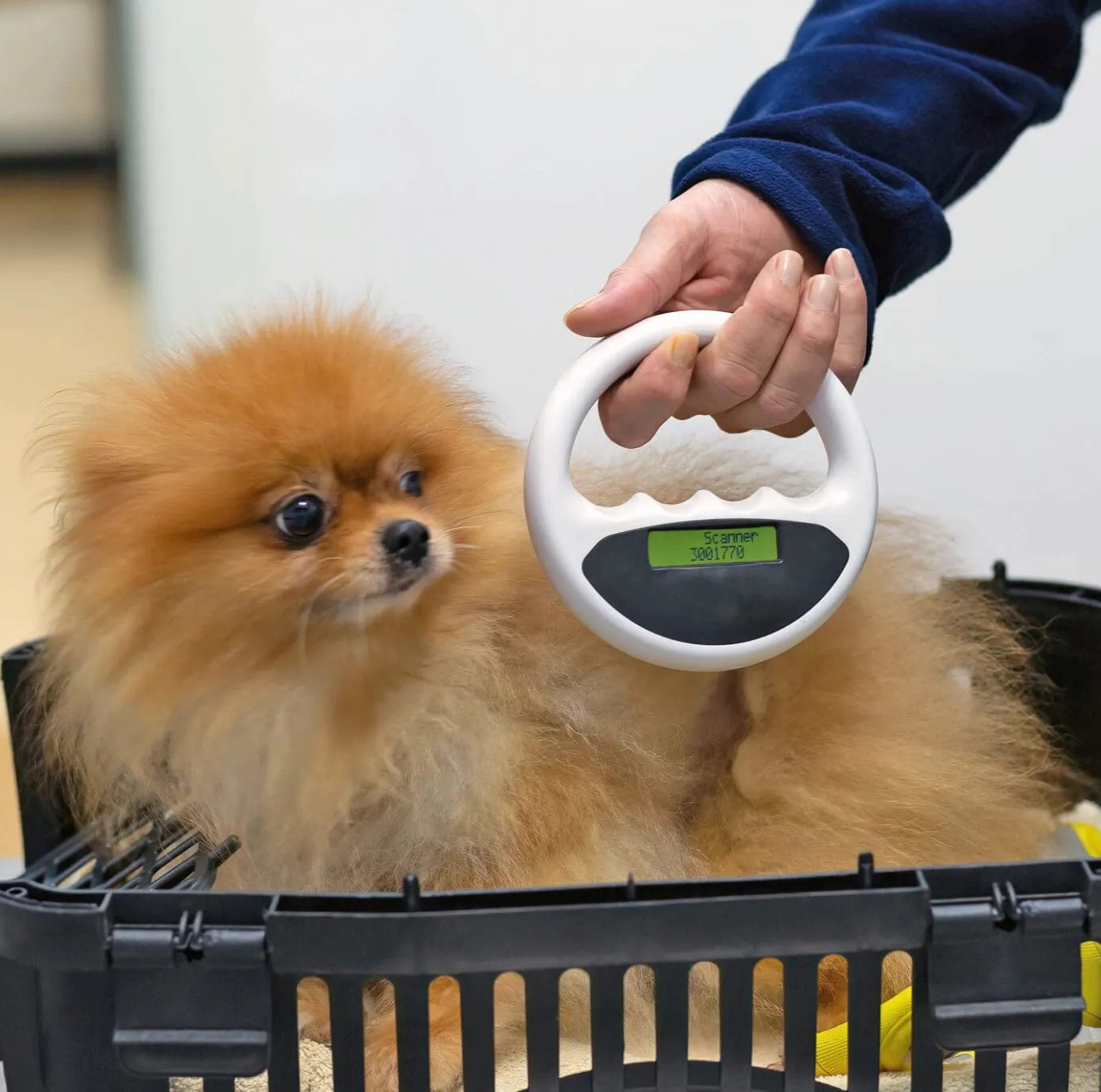
Once implanted, the microchip remains inactive until registered with the companies database then it can be scanned with a specialized handheld scanner. Veterinary clinics, shelters, and animal control agencies commonly use these scanners when evaluating found pets.
When scanned, the chip transmits its unique identification number. This number is then used to access the pet owner’s registered contact information within the microchip database.
The process does not involve batteries, GPS tracking, or ongoing electrical activity within the body. Microchips function using radio-frequency identification technology and activate only when scanned.
Because the procedure is minimally invasive and extremely fast, most dogs tolerate implantation very well.
Does a Microchip Track My Dog’s Location?
One common misconception is that microchips function like GPS tracking devices. Traditional pet microchips do not provide real-time location tracking or monitoring.
Instead, microchips function as permanent identification tools that help shelters and veterinary professionals identify lost pets after they have been found and scanned.
Although GPS collars and tracking devices may provide additional security for some dogs, they depend on batteries, charging, signal availability, and the dog continuing to wear the device. Microchips remain valuable because they are permanent and do not rely on external equipment.
Using both visible identification tags and permanent microchip identification provides the best overall protection for pets.
Is Microchipping Safe?
Microchipping is considered extremely safe and has been widely used in veterinary medicine around the world for many years.
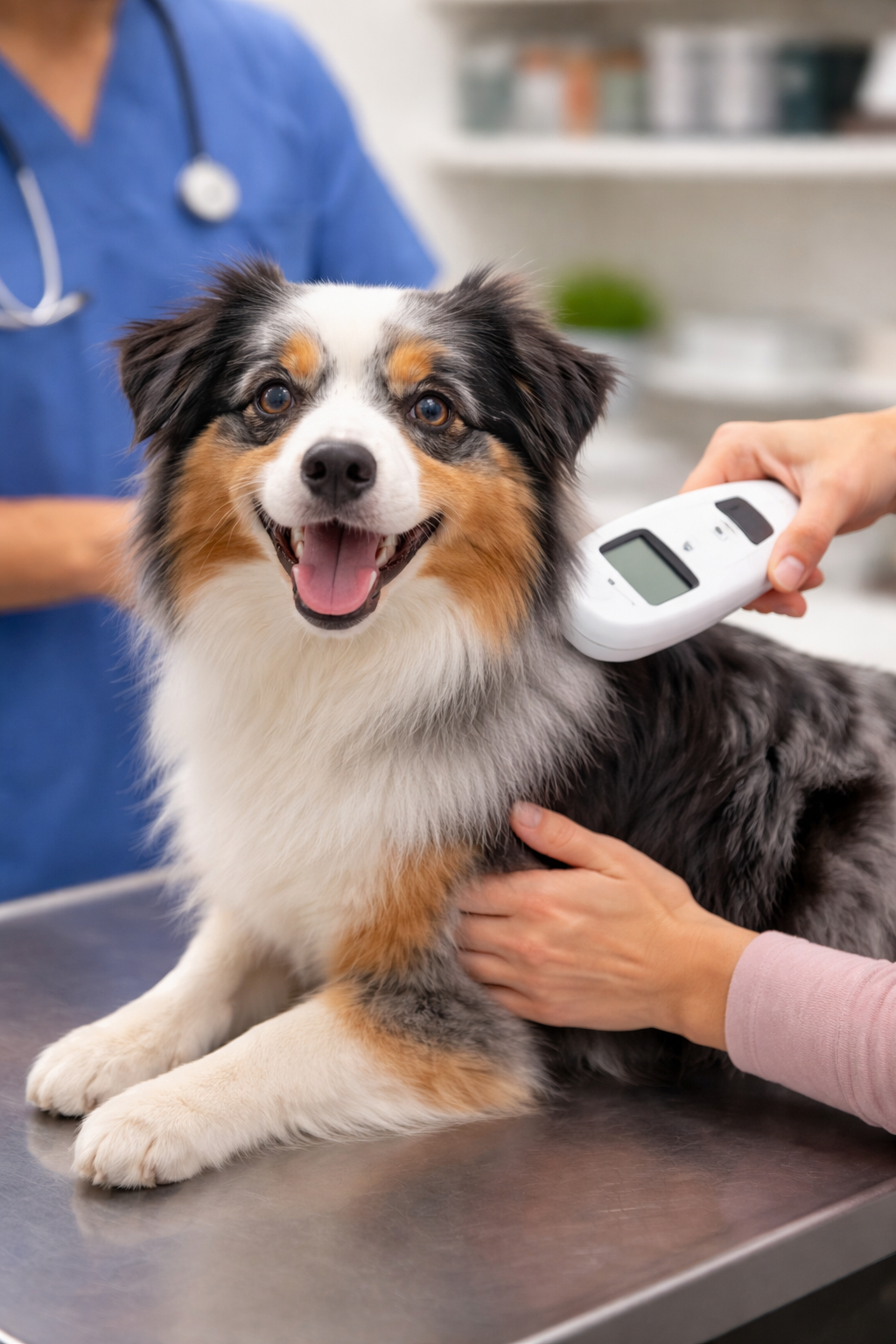
The procedure requires no anesthesia in most cases and causes only minimal discomfort lasting a few seconds. Many dogs react similarly to how they would during a routine vaccine injection.
Once implanted, the chip generally requires no maintenance or replacement. Complications are very uncommon, and most dogs experience no issues after implantation.
Occasionally, a microchip may shift slightly beneath the skin after placement, but this rarely affects its ability to be detected by a scanner.
Because the procedure is so safe and minimally invasive, microchipping is considered an important part of preventive veterinary care for dogs of all ages.
When Should Dogs Be Microchipped?
Dogs can be microchipped at almost any age. Many puppies are microchipped during early veterinary visits, by breeders or shelters as part of their routine preventive care.
Microchipping is also commonly performed during spay or neuter procedures because pets are already under anesthesia at that time. However, anesthesia is not required for implantation.
Newly adopted dogs should also be evaluated to determine whether a microchip is already present. In some cases, adopted pets may already have a chip but the registration information has not yet been updated to the new owner.
Adult dogs that have never been microchipped can safely receive a microchip during a routine veterinary appointment at any time.
Because unexpected escapes can happen regardless of age, breed, or training level, it is never too late to consider permanent identification for your dog.
Keeping Microchip Information Updated
A microchip is only effective if the registration information associated with it remains accurate and current.
One of the most common reasons lost pets cannot be reunited with their families is outdated contact information within the microchip registry. If a phone number, address, or email changes, owners should update their information promptly with the microchip company.
Even the best identification system becomes less effective if veterinary clinics or shelters cannot reach the registered owner.
At Parkdale Animal Hospital, we encourage owners to periodically confirm that their registration information remains current, especially after moving or changing phone numbers.
Owners who are unsure whether their pet’s microchip information is up to date may contact the registry directly or ask our veterinary team for assistance.
Microchipping and Travel Requirements
Microchipping is often required for international travel and may be necessary for certain travel documents, import permits, or proof of ownership records.
Many countries require pets to be microchipped before rabies vaccination documentation or international health certificates can be considered valid. Some destinations also specify approved microchip standards for entry.
Because travel requirements vary widely between countries, owners planning international travel with their dog should begin preparing well in advance.
Microchipping also provides added security during travel because unfamiliar environments, transportation changes, and stressful situations may increase the risk of pets becoming separated from their owners.
Reuniting Lost Pets with Their Families
Microchipping has helped reunite countless lost pets with their families worldwide. Many dogs that would otherwise remain unidentified have been returned home safely because a veterinary clinic or shelter was able to scan a microchip and contact the owner.
In some cases, dogs have been reunited with owners months or even years after becoming lost.
While no identification system can completely prevent pets from becoming lost, microchipping dramatically improves the chances of successful recovery.
The emotional stress of losing a pet can be overwhelming for families. Knowing that your dog has permanent identification in place can provide valuable peace of mind and improve the likelihood of a safe reunion if an unexpected situation occurs.
Compassionate Preventive Care
At Parkdale Animal Hospital, we view microchipping as a simple but powerful step in protecting your dog’s safety and supporting responsible pet ownership.
Preventive care involves more than vaccinations and medical treatment alone. Permanent identification is an important part of helping keep dogs safe throughout their lives.
Our veterinary team is happy to answer questions about microchipping, registration, and pet identification options. We believe clear communication and education help owners make informed decisions that support their pet’s long-term wellbeing.
Schedule a Microchipping Appointment
If you would like to have your dog microchipped or confirm whether your pet already has a microchip, the team at Parkdale Animal Hospital is here to help.
To schedule a microchipping appointment or learn more about permanent pet identification, please contact our hospital at 519-885-1200 or click here.