
Dog Grooming
Regular grooming is an important part of maintaining your dog’s overall health, comfort, and quality of life.
Dog Grooming and Hygiene
Regular grooming is an important part of maintaining your dog’s overall health, comfort, and quality of life. While many people think of grooming as simply keeping a dog clean or improving appearance, proper grooming plays a much larger role in preventive healthcare. Routine grooming helps support healthy skin and coat function, improves comfort, and often allows medical concerns to be identified earlier before they become more serious.
At Parkdale Animal Hospital, we encourage routine grooming as part of a complete wellness care plan for dogs of all ages and breeds. Consistent grooming not only helps dogs feel more comfortable, but also gives owners valuable opportunities to monitor their pet’s health more closely over time.
Every dog has different grooming needs depending on coat type, breed, age, lifestyle, and underlying medical conditions. Some dogs require only occasional bathing and brushing, while others need frequent coat maintenance and professional grooming to remain healthy and comfortable. Understanding your dog’s individual grooming requirements can help prevent skin problems, discomfort, and hygiene-related medical issues.
Why Grooming Is Important for Dogs
Healthy skin and coat function as important protective barriers for the body. The skin helps regulate temperature, protects against environmental irritants, and supports the immune system. Routine grooming helps maintain this barrier while reducing the buildup of dirt, oils, dead hair, and debris that may contribute to irritation or infection.
Brushing and coat maintenance also help distribute natural skin oils throughout the fur, which can improve coat condition and reduce dryness or tangling. For many dogs, regular grooming sessions become an important part of maintaining comfort and cleanliness throughout the year.
Grooming additionally provides valuable opportunities to identify changes that may otherwise go unnoticed. During brushing or bathing, owners may detect lumps, skin irritation, parasites, hair loss, ear problems, or other abnormalities earlier than they would during normal daily interactions. Early detection often allows veterinary treatment to begin sooner and may help prevent conditions from worsening.
Routine grooming can also improve comfort for dogs that are prone to matting, excessive shedding, or skin sensitivity. Thick or tangled coats may trap moisture, debris, and bacteria against the skin, increasing the risk of irritation and infection. Keeping the coat clean and well maintained can help reduce these complications.
Grooming Needs Vary Between Dogs
Not all dogs require the same grooming schedule. Grooming frequency and maintenance depend heavily on the individual dog and their specific coat characteristics.
Dogs with long or continuously growing coats often require regular brushing and professional grooming appointments to prevent tangles and matting. Breeds with thick double coats may need more frequent brushing during seasonal shedding periods, while short-haired dogs may require less intensive coat maintenance.
Activity level also influences grooming needs. Dogs that spend significant time outdoors may accumulate dirt, debris, moisture, or environmental allergens in their coats more frequently than indoor pets. Swimming, hiking, and outdoor activities may increase the need for bathing or brushing.
Age and medical conditions can also affect grooming requirements. Senior dogs may have more difficulty grooming themselves naturally and may develop changes in skin or coat quality over time. Dogs with allergies, hormonal conditions, arthritis, obesity, or chronic skin disease may require more specialized grooming routines to maintain comfort and skin health.
Because every dog is different, there is no universal grooming schedule that applies to all pets.
Brushing and Coat Maintenance
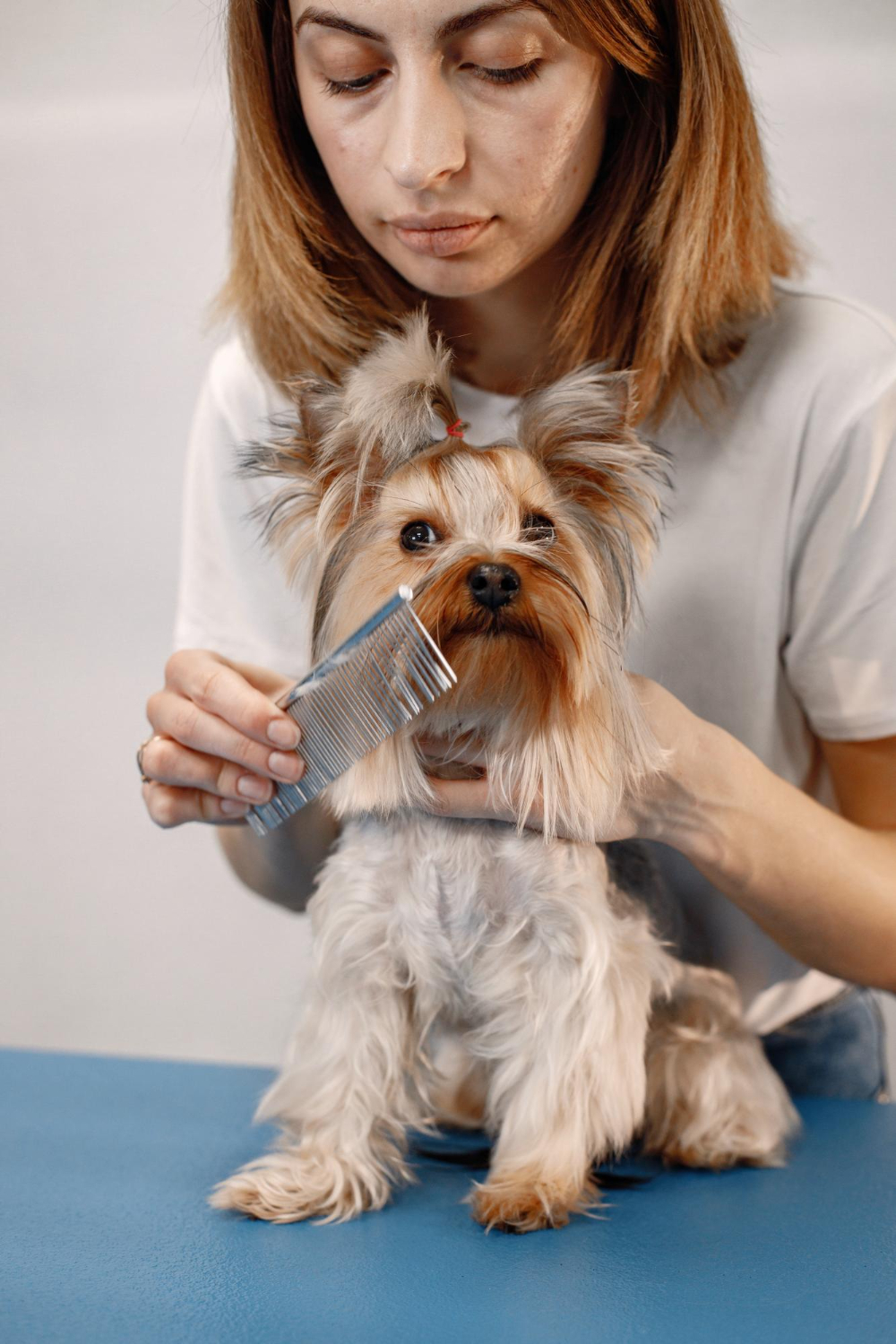
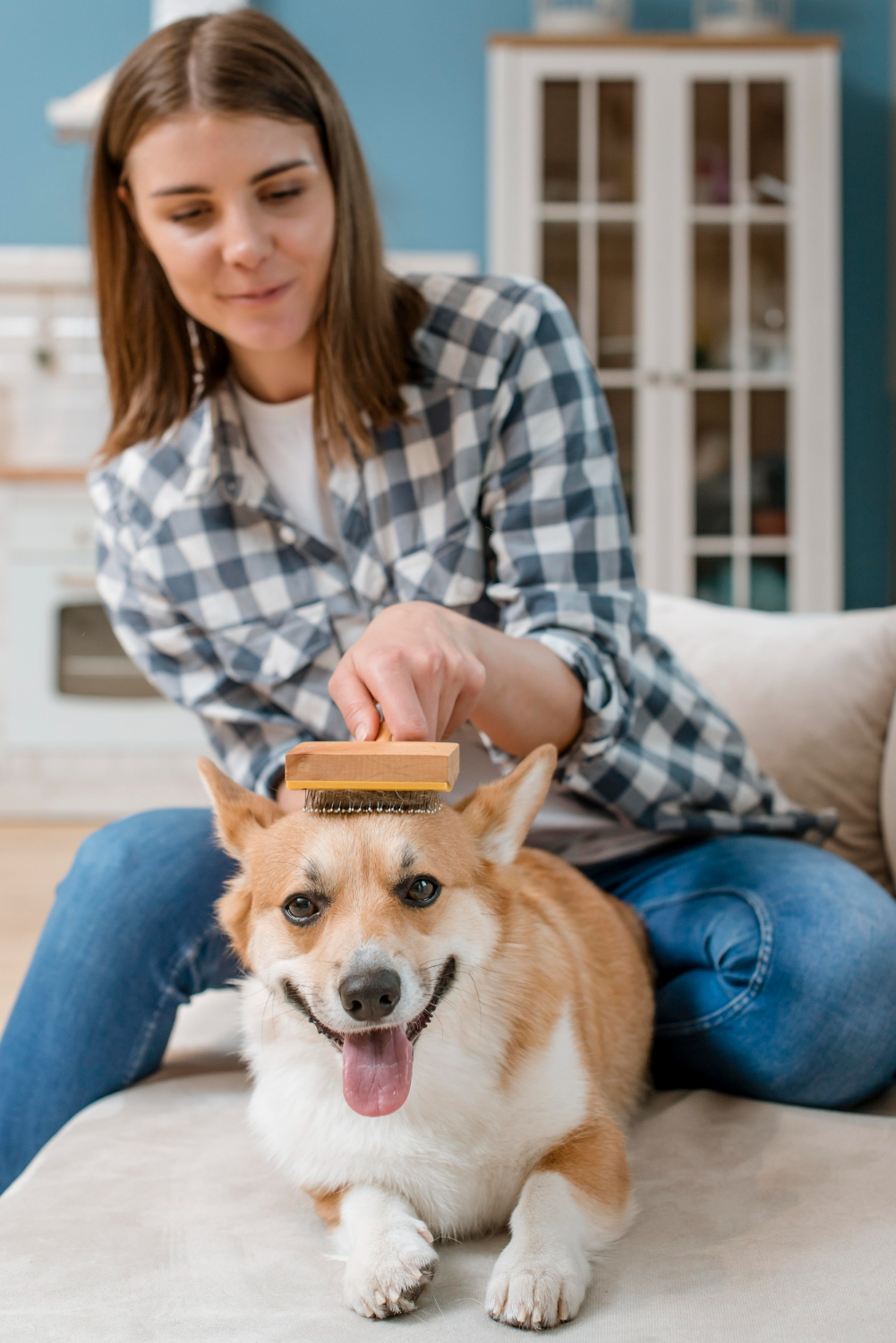
Routine brushing is one of the simplest and most beneficial aspects of grooming care. Regular brushing helps remove loose hair, dirt, and debris while reducing tangles and matting.
Matting can become painful for dogs if left untreated. Tight mats may pull on the skin, restrict airflow, trap moisture, and create areas of irritation underneath the coat. In severe cases, matting may contribute to skin infections, inflammation, or difficulty moving comfortably.
Brushing frequency depends on coat type. Some dogs benefit from daily brushing, while others may only need brushing several times per week. Long-haired breeds and dogs with curly or dense coats generally require more consistent coat maintenance.
Regular brushing may also help reduce shedding throughout the home by removing loose fur before it accumulates on furniture or flooring. Many dogs also enjoy the attention and physical interaction associated with gentle grooming sessions when introduced positively and gradually.
Bathing and Skin Health
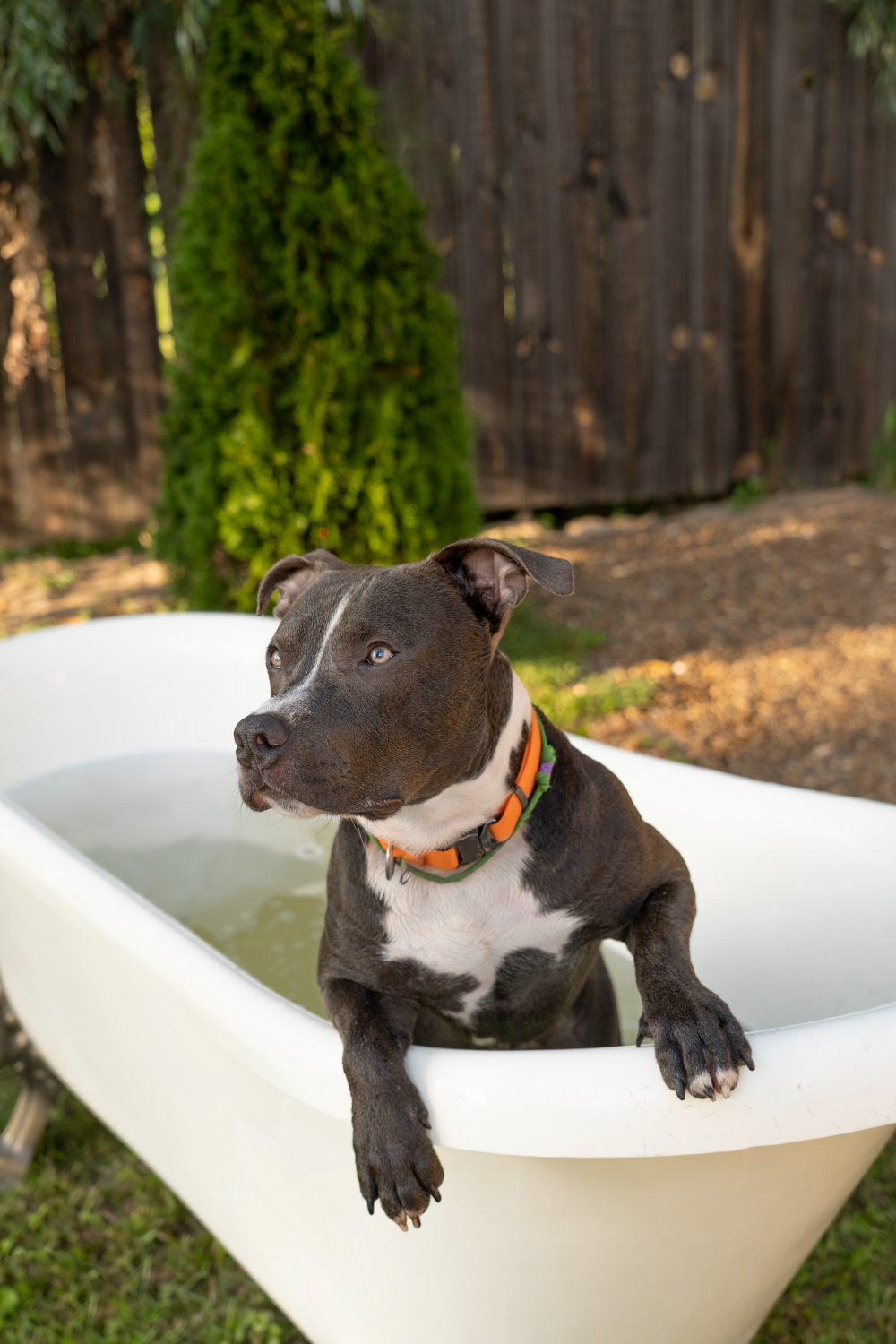
Bathing helps remove dirt, allergens, excess oils, and environmental debris from the coat. However, bathing frequency should be tailored to the individual dog, as excessive bathing may contribute to skin dryness or irritation in some patients.
Some dogs require relatively infrequent bathing, while others with skin conditions, allergies, or heavy outdoor exposure may benefit from more regular bathing schedules. The choice of shampoo is also important, as certain products may be too harsh or irritating for sensitive skin.
Medicated shampoos may sometimes be recommended for dogs with skin disease, allergies, infections, or excessive oil production. Using inappropriate products, including many human shampoos, may disrupt the skin barrier and worsen irritation.
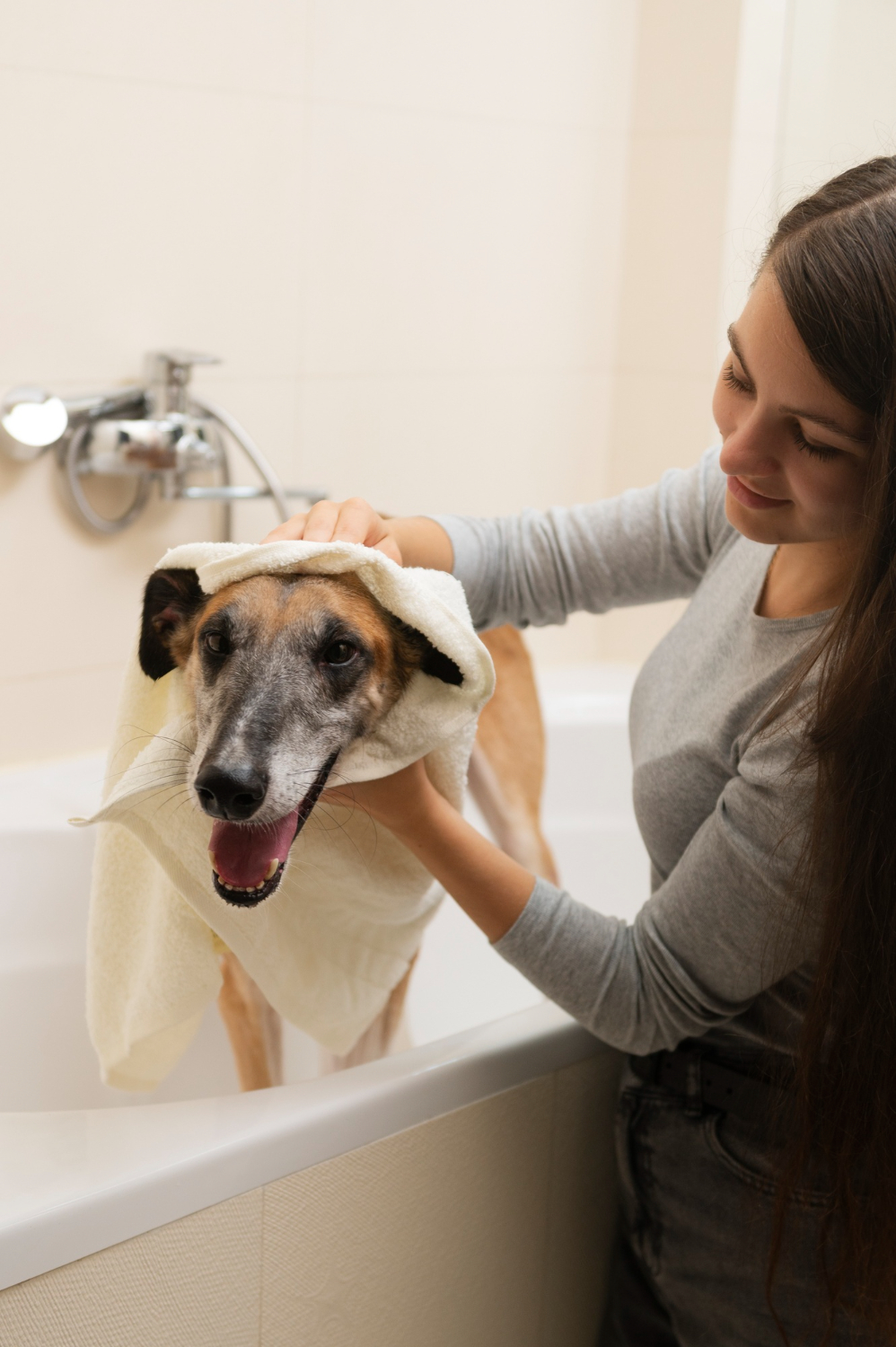
After bathing, proper drying is important, particularly for dogs with thick coats or skin folds where trapped moisture may contribute to irritation or infection.
If your dog experiences chronic itching, recurrent skin infections, odor, excessive dandruff, or ongoing skin irritation, veterinary evaluation is recommended before beginning new grooming products or routines.
Nail Care and Mobility
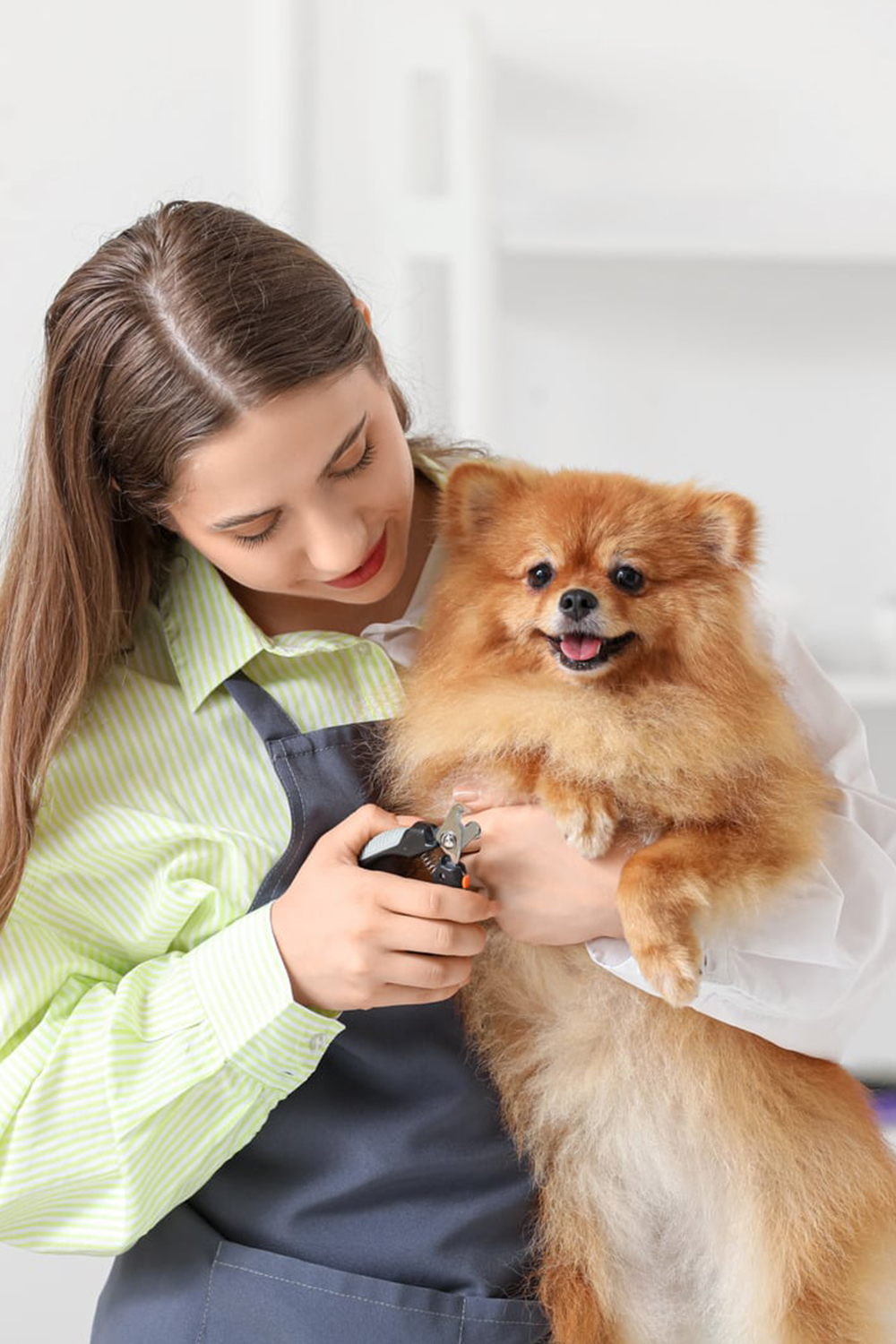
Nail trimming is another important component of routine grooming in dogs. Overgrown nails can affect a dog’s comfort, posture, and mobility. As nails become excessively long, they may alter the way a dog walks and places weight on their feet.
Long nails can contribute to discomfort while walking, difficulty maintaining traction on smooth surfaces, and abnormal joint stress over time. In some cases, nails may split, crack, or become torn, which can be painful and may require medical treatment.
Some dogs naturally wear down their nails through outdoor activity, while others require regular nail trims to maintain proper length. Frequency varies depending on lifestyle, activity level, and individual nail growth rates.
Many dogs are sensitive about having their feet handled, so gradual positive training and calm handling are important. Routine nail trimming from a young age often helps dogs become more comfortable with the process over time.
If owners are uncomfortable trimming nails at home, professional grooming or veterinary assistance may help reduce stress while maintaining nail health safely.
Ear Cleaning and Ear Health
Ear care is particularly important for certain dogs, especially those with floppy ears, allergies, frequent swimming exposure, or a history of recurrent ear infections.
The ear canal creates a warm environment where moisture and debris may accumulate, increasing the risk of inflammation or infection. Routine ear maintenance may help reduce these problems in susceptible dogs.
Signs of ear irritation may include head shaking, scratching at the ears, redness, odor, discharge, or sensitivity when the ears are touched. Chronic ear infections can become painful and may lead to more serious complications if left untreated.
However, not all dogs require routine ear cleaning, and excessive cleaning may sometimes worsen irritation. Appropriate ear care depends on the individual dog’s needs and medical history.
Our veterinary team can recommend safe ear-cleaning techniques and products when maintenance is appropriate. It is important to avoid inserting cotton swabs deeply into the ear canal, as this may cause injury or push debris further into the ear.
Grooming as an Opportunity for Early Detection
One of the most valuable aspects of routine grooming is the ability to identify medical concerns earlier. During brushing, bathing, or nail trimming, owners often notice changes that may otherwise remain hidden beneath the coat.
Grooming sessions may help detect lumps, bumps, skin infections, parasites, wounds, hot spots, or areas of hair loss. Changes in coat texture, skin pigmentation, odor, or sensitivity may also become more apparent during close physical examination.
Early detection allows veterinary evaluation to occur sooner, which may improve treatment outcomes and help prevent progression of disease.
Parasites such as fleas and ticks may also be identified during grooming sessions. Prompt recognition and treatment can help reduce discomfort and decrease the risk of parasite-related disease.
For senior dogs especially, regular hands-on grooming often helps owners monitor for gradual physical changes associated with aging.
Professional Grooming Services
Some dogs benefit greatly from professional grooming services, particularly breeds with complex coat maintenance requirements. Professional groomers can assist with bathing, brushing, clipping, nail trimming, ear care, and coat management that may be difficult for owners to perform at home.
Professional grooming may help reduce matting, improve cleanliness, and maintain coat health more effectively for dogs with high-maintenance coats.
However, it is still important for owners to remain actively involved in monitoring their dog’s skin, coat, and overall health between grooming appointments. Changes identified during routine home care should still be evaluated by a veterinarian when concerns arise.
Dogs with medical conditions affecting the skin or ears may also require specialized grooming approaches to avoid worsening irritation.
Supporting Long-Term Comfort and Wellness
Consistent grooming contributes to both physical comfort and overall wellbeing. Dogs that are clean, free of mats, and properly maintained often experience improved mobility, reduced skin irritation, and better coat condition.
Grooming also strengthens the bond between dogs and their owners through regular positive interaction and handling. When introduced gradually and performed calmly, grooming can become a comfortable routine that many dogs tolerate well.
At Parkdale Animal Hospital, we believe grooming is an important part of preventive healthcare and long-term wellness. Proper grooming supports healthy skin, improves comfort, and helps identify medical concerns earlier.
Our veterinary team is happy to provide guidance on brushing routines, bathing schedules, ear care, nail trimming, and skin health recommendations tailored to your dog’s individual needs.
Schedule an Examination
If your dog is experiencing skin irritation, hair loss, recurrent ear infections, excessive scratching, or coat concerns, the team at Parkdale Animal Hospital is here to help.
To schedule an examination or discuss your dog’s grooming and skin health needs, please contact our hospital at 519-885-1200 or click here.