
Dog Vaccination
Vaccinations are one of the most important parts of preventive veterinary medicine and play a major role in helping dogs live longer, healthier lives.
Dog Vaccinations and Preventive Immunization
Vaccinations are one of the most important parts of preventive veterinary medicine and play a major role in helping dogs live longer, healthier lives. Many serious infectious diseases that once caused widespread illness and death in dogs can now be prevented or significantly reduced through proper vaccination and preventive care.
At Parkdale Animal Hospital, we believe vaccination is not a “one size fits all” approach. Every dog has different health needs, lifestyles, environmental exposures, and risk factors. Because of this, vaccination plans should be individualized based on your dog’s age, breed, medical history, lifestyle, travel habits, and overall level of exposure to other animals.
Whether you have a new puppy, an active adult dog, or a senior companion, vaccinations help provide protection against potentially life-threatening diseases while supporting your dog’s long-term health and well-being.
Why Vaccinations Are Important for Dogs
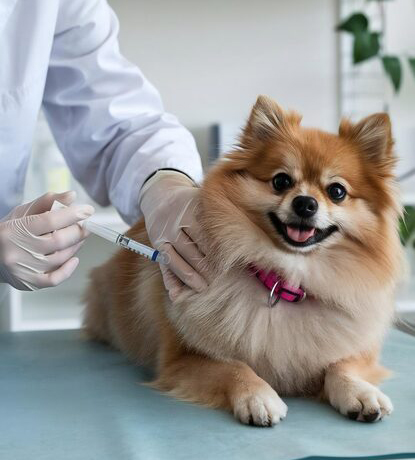
Vaccines work by helping the immune system recognize and respond to specific infectious diseases before they can cause serious illness. When a dog is vaccinated, the immune system learns how to identify certain viruses or bacteria so the body can respond more effectively if exposed in the future.
Many of the diseases vaccines help protect against are highly contagious and can spread rapidly between dogs through direct contact, respiratory droplets, contaminated surfaces, wildlife exposure, or shared environments.
Some of these illnesses can cause severe gastrointestinal disease, respiratory infections, neurological symptoms, organ damage, or even death. Certain diseases, such as rabies and leptospirosis, may also pose risks to human health.
Vaccinations not only help protect individual dogs but also help reduce the spread of disease within the larger pet population. This is particularly important in areas where dogs gather together, such as boarding facilities, dog parks, training classes, grooming salons, daycare facilities, hiking trails, and veterinary clinics.
Preventive healthcare, including vaccinations, is often far safer, less stressful, and less costly than treating serious infectious diseases after they occur.
Understanding Core Vaccines for Dogs
Core vaccines are vaccines considered highly important for most dogs regardless of lifestyle because they protect against diseases that are severe, widespread, or pose significant health risks.
One of the most important core vaccines is the rabies vaccine. Rabies is a fatal viral disease that affects the nervous system of mammals, including both animals and humans. Because rabies is considered a public health concern, vaccination is legally required in many areas. Rabies is typically transmitted through bites from infected wildlife such as bats, raccoons, skunks, or foxes.
Distemper is another serious viral disease that affects the respiratory, gastrointestinal, and nervous systems. Canine distemper can cause symptoms such as fever, coughing, vomiting, diarrhea, seizures, and neurological damage. Unfortunately, distemper can be fatal, especially in puppies and unvaccinated dogs.
Parvovirus is a highly contagious and potentially life-threatening virus that causes severe vomiting, bloody diarrhea, dehydration, and immune suppression. Parvovirus spreads easily in the environment and can survive for long periods on contaminated surfaces. Puppies are particularly vulnerable, and treatment for parvovirus often requires intensive hospitalization.
Adenovirus vaccination helps protect against infectious canine hepatitis, a disease that can affect the liver, kidneys, eyes, and respiratory system.
These vaccines are often grouped together into combination vaccines that provide protection against multiple diseases with a single injection.
Lifestyle Vaccines and Individual Risk Factors
In addition to core vaccines, some dogs may benefit from lifestyle or non-core vaccines depending on their activities, environment, and risk of exposure.
Bordetella vaccination is commonly recommended for dogs that spend time around other dogs. Bordetella is one of the bacteria associated with kennel cough, a contagious respiratory infection that spreads easily in boarding facilities, grooming salons, daycare programs, dog parks, training classes, and shelters.
Dogs that frequently socialize with other dogs or participate in group activities are often at greater risk of respiratory disease exposure.
Leptospirosis vaccination has become increasingly important in many regions. Leptospirosis is a bacterial disease spread through contaminated water, soil, or wildlife urine. Dogs can become infected through puddles, lakes, streams, or outdoor environments frequented by wildlife.
Leptospirosis can cause serious kidney and liver disease and may also be transmitted to humans. Because wildlife exposure is common even in urban and suburban areas, many veterinarians now recommend leptospirosis vaccination more frequently than in the past.
Lyme disease vaccination may also be recommended for dogs living in or traveling to areas where ticks are common. Lyme disease is transmitted through tick bites and can lead to joint pain, fever, lethargy, kidney complications, and chronic health problems in some dogs.
Your veterinarian will discuss your dog’s individual lifestyle and help determine which vaccines are appropriate based on their level of risk.
Puppy Vaccinations and Early Protection
Puppies are especially vulnerable to infectious diseases because their immune systems are still developing. During the first few weeks of life, puppies receive some temporary protection from their mother’s antibodies. However, this protection gradually decreases over time, leaving puppies susceptible to infection.
Because maternal antibodies can interfere with vaccine effectiveness early in life, puppies require a series of vaccinations spaced over several weeks to help ensure proper immunity develops.
Puppy vaccine appointments are an important part of early preventive care and also provide opportunities to monitor growth, discuss nutrition, answer training questions, and address behavioural concerns.
Until puppies are fully vaccinated, owners should be cautious about exposing them to high-risk environments where infectious diseases may be present. Areas heavily frequented by unknown dogs, such as dog parks or public spaces, can increase the risk of exposure before full immunity is established.
Proper vaccination during puppyhood provides the foundation for long-term protection and health throughout adulthood.
Vaccinations for Adult Dogs
As dogs mature, ongoing vaccination remains an important part of preventive healthcare. Adult dogs require booster vaccines to help maintain protection over time.
The frequency of vaccination depends on the specific vaccine, your dog’s age, lifestyle, and overall health. Some vaccines require annual boosters, while others may provide protection for longer intervals.
At Parkdale Animal Hospital, vaccination recommendations are based on current veterinary guidelines, scientific evidence, and your dog’s individual needs rather than using the exact same schedule for every patient.
Routine wellness examinations are performed at the same time as vaccine visits. These appointments allow veterinarians or Registered Veterinary Technicians to monitor your dog’s overall health, detect medical concerns early, and discuss preventive care recommendations tailored to your pet.
Senior Dogs and Vaccination Needs
Senior dogs still benefit from preventive healthcare and vaccination, although recommendations may sometimes be adjusted depending on age, medical history, and underlying health conditions.
Older dogs may develop chronic illnesses that affect the immune system or overall health, making regular wellness care increasingly important. Vaccination plans for senior pets are individualized carefully to balance disease protection with overall health considerations.
Even senior dogs who spend most of their time indoors may still be exposed to infectious diseases through wildlife, outdoor walks, veterinary visits, grooming appointments, or interactions with other dogs.
Regular veterinary examinations help determine which vaccines remain appropriate and beneficial as your dog ages.
Are Vaccines Safe?
Vaccines used in veterinary medicine undergo extensive testing and monitoring to help ensure safety and effectiveness. The vast majority of dogs tolerate vaccinations very well with minimal or no side effects.
Some dogs may experience mild temporary reactions such as soreness at the injection site, mild fatigue, decreased appetite, or slight swelling. These reactions are generally short-lived and resolve within a day or two.
More serious vaccine reactions are uncommon but can occur in rare cases. Signs of a more significant reaction may include facial swelling, hives, vomiting, difficulty breathing, severe lethargy, or collapse.
Our veterinary team carefully reviews your dog’s medical history and monitors for any concerns that may influence vaccine recommendations. If your dog has experienced vaccine sensitivities in the past, adjustments to future vaccine plans may sometimes be recommended.
Overall, the benefits of vaccination in preventing serious infectious diseases generally far outweigh the risks associated with vaccination.
The Importance of Preventive Veterinary Care
Vaccinations are only one part of a comprehensive preventive healthcare plan. Routine veterinary visits allow for early detection of disease, monitoring of weight and body condition, dental evaluations, nutritional guidance, parasite prevention, and discussions about behavioural or lifestyle concerns.
Many medical conditions are easier to manage when identified early, often before obvious symptoms develop at home.
Preventive care helps support your dog’s quality of life while reducing the risk of preventable illness and complications later on.
At Parkdale Animal Hospital, we focus on building individualized healthcare plans designed to support dogs through every stage of life, from puppyhood through the senior years.
Why Vaccination Recommendations May Differ Between Dogs
One of the most common questions dog owners ask is why vaccination recommendations sometimes differ from one dog to another.
The reason is that every dog’s level of risk is unique. A dog who spends most of their time at home may have different needs than a dog who travels frequently, attends daycare, visits dog parks regularly, or participates in training classes and social events.
Geographic location can also influence vaccine recommendations because certain diseases are more common in some areas than others. Lifestyle changes over time may also affect which vaccines are appropriate.
Our goal is always to provide thoughtful, individualized recommendations based on current veterinary medicine and your dog’s specific circumstances.
Supporting Lifelong Health for Your Dog
Preventive healthcare and vaccination play an important role in helping dogs live long, healthy, and active lives. By protecting against serious infectious diseases, vaccinations help reduce unnecessary suffering and support your dog’s overall well-being throughout every life stage.
At Parkdale Animal Hospital, we are committed to helping pet owners make informed decisions regarding preventive care and vaccination. We are always happy to answer questions, discuss vaccine recommendations, and create personalized healthcare plans tailored to your dog’s needs.
Schedule a Wellness and Vaccination Appointment
Whether you have a new puppy, an adult dog due for booster vaccines, or a senior pet needing preventive care, our veterinary team is here to help support your dog’s lifelong health.
To learn more about dog vaccinations or to schedule a wellness appointment, contact Parkdale Animal Hospital by phone at 519-885-1200 or click here.