
Cat Illness and Disease Care
Cats are incredibly resilient animals, but they are also experts at hiding illness and discomfort.
Cat Illness and Disease Care
Unlike people, cats cannot tell us when something hurts or explain when they feel unwell. In many cases, the earliest signs of disease are subtle changes in behaviour, appetite, grooming habits, or energy levels that can easily be overlooked at home.
At Parkdale Animal Hospital, we understand how important early detection and individualized medical care are when it comes to cat health. Cats often compensate quietly for illness until conditions become more advanced, which is why recognizing subtle changes and seeking veterinary attention early can make such an important difference in both comfort and long-term outcomes.
Our approach to feline medicine focuses on thorough evaluation, thoughtful diagnostics, compassionate care, and clear communication with owners. Whether your cat is experiencing sudden illness, chronic disease, unexplained behavioural changes, or age-related health concerns, our goal is to help identify the underlying cause and create a treatment plan tailored specifically to your cat’s needs and quality of life.
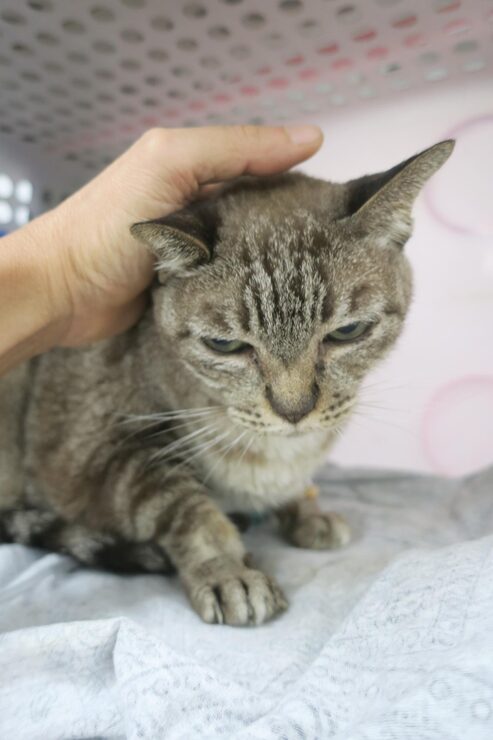

Why Cats Hide Illness So Well
Cats evolved as both predators and prey animals. In the wild, showing weakness or vulnerability could place them at risk, so cats instinctively mask pain and illness whenever possible.
Because of this, many cats continue eating, interacting, and behaving relatively normally even while significant disease is developing internally. Owners are often surprised to learn how advanced a condition may be by the time symptoms become noticeable.
This is one reason regular veterinary examinations are so important. Subtle changes that may seem minor at home can sometimes be early indicators of underlying medical concerns.
Some of the earliest signs of illness in cats may include:
- Sleeping more than usual
- Changes in appetite
- Weight loss
- Increased thirst
- Changes in litterbox habits
- Decreased grooming
- Hiding more often
- Reduced activity
- Behavioural changes
- Vomiting
- Diarrhea
- Difficulty jumping
- Bad breath
- Changes in breathing
Cats rarely exaggerate symptoms. In fact, many cats minimize them as much as possible.
Common Illnesses and Diseases in Cats
Cats can develop a wide variety of medical conditions throughout their lives. Some illnesses are acute and develop suddenly, while others progress slowly over months or years.
Some of the more common feline medical conditions include:
- Kidney disease
- Hyperthyroidism
- Diabetes
- Arthritis
- Dental disease
- Urinary tract disease
- Gastrointestinal disease
- Respiratory infections
- Heart disease
- Skin allergies
- Obesity
- Cancer
Many of these conditions become increasingly common as cats age. However, because cats often age very gracefully outwardly, underlying disease can sometimes remain hidden without routine monitoring and diagnostics.
Kidney Disease in Cats
Chronic kidney disease is one of the most common illnesses seen in older cats.
The kidneys play many important roles within the body, including filtering waste products, regulating hydration, maintaining electrolyte balance, and supporting blood pressure control. Over time, kidney function may gradually decline.
Cats with kidney disease may develop:
- Increased thirst
- Increased urination
- Weight loss
- Poor appetite
- Vomiting
- Muscle loss
- Decreased grooming
- Lethargy
Because kidney disease often develops gradually, symptoms may initially be very subtle.
Early detection is especially important because while kidney disease cannot be cured, early management may help slow progression, improve quality of life, and help cats feel better longer.
Management may involve:
- Prescription kidney diets
- Hydration support
- Blood pressure monitoring
- Medication
- Regular bloodwork and urine monitoring
At Parkdale Animal Hospital, we focus heavily on individualized treatment plans and ongoing monitoring to help support long-term comfort and quality of life for cats with chronic kidney disease.
Hyperthyroidism in Cats
Hyperthyroidism is another very common condition in middle-aged and older cats.
This disease occurs when the thyroid gland produces excessive thyroid hormone, causing the body’s metabolism to accelerate.
Cats with hyperthyroidism often develop:
- Weight loss despite eating well
- Increased appetite
- Increased vocalization
- Hyperactivity
- Vomiting
- Increased thirst
- Changes in coat quality
- Restlessness
Because some hyperthyroid cats initially appear energetic or “healthy for their age,” the condition may go unnoticed for longer than expected.
Untreated hyperthyroidism can eventually place strain on the heart, kidneys, and other organs. Fortunately, several treatment options are available depending on the individual patient and family goals.
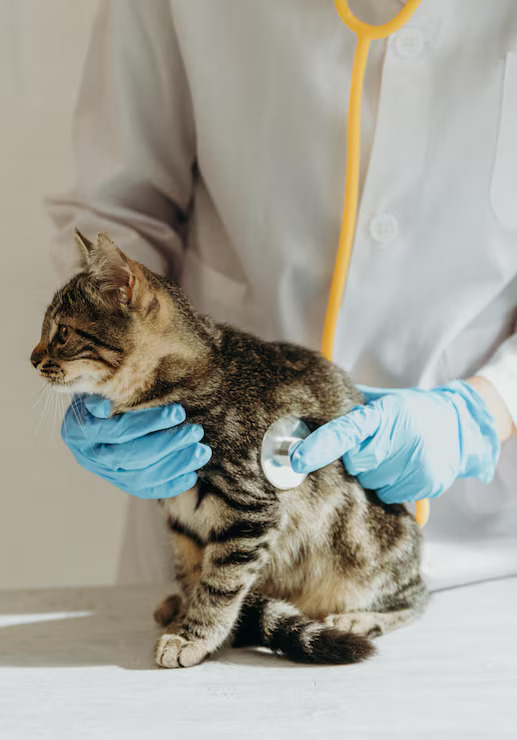
Diagnosis typically involves bloodwork and physical examination findings.
Diabetes in Cats
Feline diabetes is becoming increasingly common, particularly in overweight or obese cats.
Diabetes occurs when the body cannot properly regulate blood sugar levels. Cats with diabetes may experience:
- Increased thirst
- Increased urination
- Weight loss
- Increased appetite
- Weakness
- Changes in activity level
Some diabetic cats may also develop weakness in their hind legs due to nerve involvement associated with prolonged elevated blood sugar levels.
Treatment often involves a combination of:
- Insulin therapy
- Prescription diets
- Weight management
- Blood glucose monitoring
- Ongoing veterinary monitoring
Many owners feel overwhelmed initially after a diabetes diagnosis, but with appropriate support and management, many diabetic cats continue to enjoy an excellent quality of life.
Our team works closely with owners to provide education, monitoring plans, and individualized support throughout the management process.
Arthritis and Chronic Pain in Cats
Arthritis is extremely common in cats, particularly as they age, yet it frequently goes unrecognized because symptoms are often subtle.
Unlike dogs, arthritic cats may not limp noticeably. Instead, owners may observe:
- Difficulty jumping
- Hesitation with stairs
- Reduced grooming
- Sleeping more
- Irritability
- Decreased activity
- Stiffness
- Changes in litterbox habits
Many owners assume these changes are simply “normal aging,” when in reality chronic pain may be significantly affecting quality of life.
At Parkdale Animal Hospital, we strongly believe that identifying and managing pain is an important part of cat healthcare. Arthritis management may involve:
- Weight management
- Pain medication
- Joint supplements
- Environmental modifications
- Mobility support
- Ongoing monitoring
Even relatively small improvements in comfort can make a significant difference in a cat’s daily wellbeing.
Dental Disease in Cats
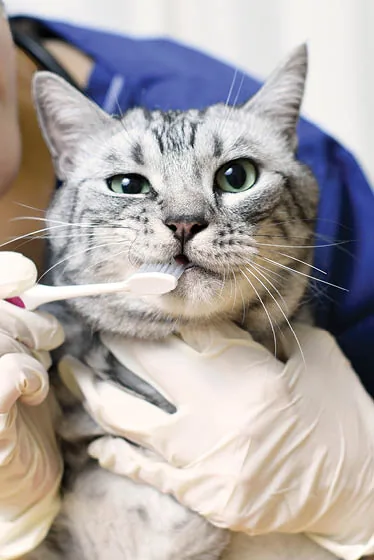
Dental disease is one of the most underdiagnosed medical conditions in cats.
Many cats continue eating despite severe dental pain because eating is driven by survival instinct. Owners are often surprised to learn how uncomfortable their cat has likely been once dental disease is identified and treated.
Common dental issues include:
- Gingivitis
- Periodontal disease
- Tooth resorption
- Fractured teeth
- Infection
- Oral inflammation
Signs of dental disease may include:
- Bad breath
- Dropping food
- Pawing at the mouth
- Decreased grooming
- Reduced appetite
- Weight loss
- Irritability
Because much of cat dental disease occurs below the gumline, dental x-rays are often necessary to fully evaluate the teeth and surrounding structures.
Treatment may involve professional dental cleaning, extractions, pain management, and ongoing home care recommendations.
Urinary Tract Disease in Cats
Urinary issues are another common concern in cats and can range from mild irritation to life-threatening emergencies.
Cats experiencing urinary disease may show signs such as:
- Frequent litterbox trips
- Straining to urinate
- Blood in the urine
- Urinating outside the litterbox
- Vocalizing during urination
- Excessive licking
Male cats who become unable to urinate due to a urinary blockage require emergency veterinary treatment immediately. Urinary blockages are extremely painful and can rapidly become life-threatening.
Urinary disease in cats may involve:
- Stress-related inflammation
- Bladder stones
- Infection
- Crystals
- Urinary obstruction
Diagnosis often involves urine testing, bloodwork, imaging, and physical examination findings.
Gastrointestinal Disease in Cats
Digestive issues are very common in cats and may involve either short-term illness or chronic disease.
Symptoms may include:
- Vomiting
- Diarrhea
- Weight loss
- Poor appetite
- Constipation
- Changes in stool quality
While occasional vomiting is sometimes dismissed as “normal” in cats, frequent vomiting should never be ignored.
Underlying causes may include:
- Food sensitivities
- Hairballs
- Inflammatory bowel disease
- Pancreatitis
- Parasites
- Foreign material ingestion
- Cancer
- Chronic kidney disease
- Hyperthyroidism
Because gastrointestinal symptoms can overlap between many conditions, diagnostic testing is often important to determine the underlying cause and appropriate treatment plan.
Obesity and Preventative Health
Obesity is one of the most common medical concerns affecting cats today.
Excess weight significantly increases the risk of many health conditions, including:
- Diabetes
- Arthritis
- Urinary disease
- Reduced mobility
- Decreased grooming ability
- Cardiovascular strain
Unfortunately, because weight gain often occurs gradually, many owners do not realize their cat is overweight until mobility or health concerns begin developing.
Healthy weight management involves much more than simply feeding less food. Safe weight loss requires individualized calorie planning, proper nutrition, and ongoing monitoring to avoid complications.
At Parkdale Animal Hospital, we focus on realistic, sustainable weight management plans tailored to each cat’s lifestyle and medical needs.
The Importance of Diagnostic Testing
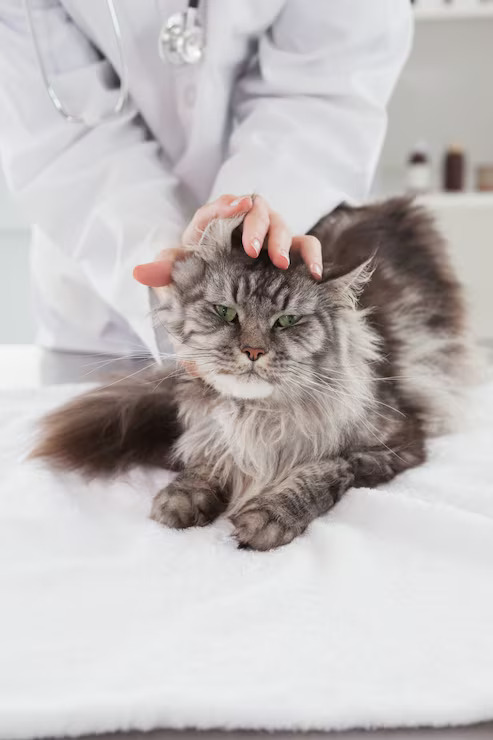
Because cats hide illness so effectively, diagnostic testing often plays an important role in identifying disease earlier and more accurately.
Depending on your cat’s symptoms and age, diagnostics may include:
- Bloodwork
- Urinalysis
- Blood pressure measurement
- X-rays
- Ultrasound
- Dental x-rays
- Thyroid testing
- Fecal testing
Many medical conditions become far easier to manage when identified early.
Routine wellness testing in middle-aged and senior cats can sometimes detect disease before obvious symptoms even appear at home.
Monitoring Chronic Disease in Cats
Many cat illnesses are chronic conditions that require long-term management rather than short-term cures.
Conditions such as kidney disease, diabetes, arthritis, hyperthyroidism, and heart disease often require ongoing monitoring and adjustments over time.
At Parkdale Animal Hospital, we believe long-term disease management should focus not only on medical numbers and test results, but also on overall comfort, quality of life, and the relationship owners share with their pets.
Monitoring may involve:
- Repeat bloodwork
- Blood pressure monitoring
- Weight tracking
- Medication adjustments
- Nutritional support
- Ongoing communication with owners
Every cat responds differently to illness and treatment. Our goal is to tailor recommendations to the individual patient while helping owners feel informed and supported throughout the process.
Compassionate, Relationship-Based Feline Care
At Parkdale Animal Hospital, we understand how stressful it can be when a cat becomes sick or starts showing changes at home. Because cats often hide illness so well, owners frequently worry they may have missed something earlier. Our team is here to support you without judgment while helping guide you through diagnosis, treatment, and long-term care decisions.
As an independently owned hospital, we focus on relationship-based medicine built around communication, education, integrity, and individualized care. We believe owners deserve clear explanations, thoughtful recommendations, and realistic treatment plans tailored to both the cat and family involved.
Whether your cat is experiencing sudden illness, chronic disease, subtle behavioural changes, or age-related medical concerns, our team is committed to providing thorough, compassionate care focused on preserving comfort, wellbeing, and quality of life.
If you are concerned your cat may be showing signs of illness or disease, please contact Parkdale Animal Hospital to schedule an examination by phone at 519-885-1200 or clicking here