
Cat Emergency Care
If you feel your cat is experiencing an emergency, please contact us immediately or come directly to the clinic right away so we can assess your cat without delay.
Cat Emergency Care
Time can be critical in urgent situations, and it is always better to have your cat seen as soon as possible rather than wait and monitor at home.
If our hospital is closed, please seek care at the Emergency Clinic of Waterloo Region. They can be reached at 519-650-1617 and are equipped to provide urgent and after-hours emergency veterinary care.
Few things are more stressful for a cat owner than realizing something may be seriously wrong with their cat. Cats are incredibly good at hiding illness and discomfort, which means that when obvious symptoms do appear, they can sometimes indicate a more urgent medical concern. In many cases, subtle changes at home are the first indication that a cat needs medical attention.
At Parkdale Animal Hospital, we understand how frightening and overwhelming emergencies can feel. Our team is committed to providing compassionate, thorough, and timely care for cats experiencing urgent medical concerns while also supporting owners through difficult and emotional situations.
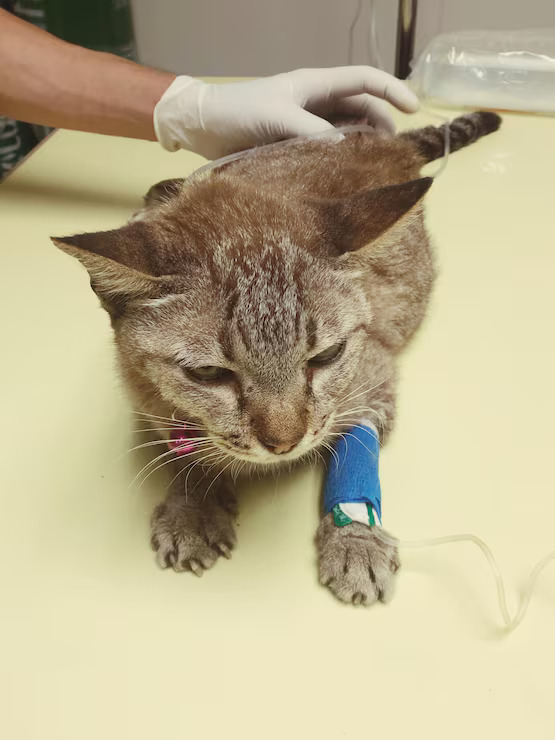
Emergency care involves much more than simply reacting to a crisis. It requires rapid assessment, careful monitoring, advanced diagnostics, pain management, stabilization, and thoughtful communication with pet owners throughout the process. Because cats often respond differently to illness than dogs, feline emergency medicine also requires an understanding of the unique ways cats express stress, pain, and disease.
Whether your cat is struggling to breathe, unable to urinate, suddenly weak, injured, or simply “not acting like themselves,” prompt veterinary attention can make an important difference in both outcome and comfort.
Understanding Emergencies in Cats
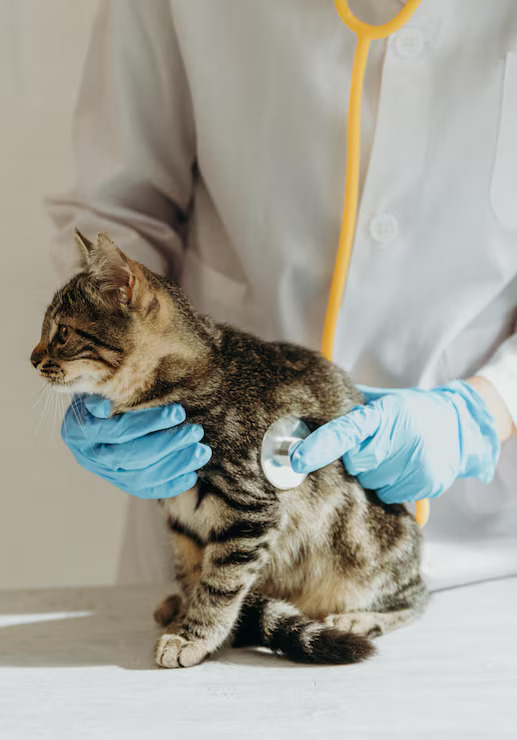
Cats are naturally very stoic animals. Many will continue eating, moving around, and interacting with family members despite significant illness or pain. Unlike people, they cannot tell us where something hurts or explain what they are feeling.
For this reason, emergency situations in cats do not always appear dramatic initially. In some cases, the earliest signs may be surprisingly subtle.
Changes that should never be ignored include:
- Difficulty breathing
- Open-mouth breathing
- Collapse or sudden weakness
- Inability to urinate
- Repeated vomiting
- Loss of appetite
- Hiding or sudden behavioural changes
- Severe lethargy
- Pale gums
- Crying out in pain
- Sudden paralysis or inability to use the hind legs
- Trauma or suspected injury
- Seizures
- Significant bleeding
Because cats can deteriorate quickly once symptoms become noticeable, early evaluation is often extremely important.
Even if a condition ultimately turns out to be minor, it is always safer to have concerning symptoms assessed promptly rather than waiting too long and risking progression of disease.
Our Approach to Cat Emergency Care
At Parkdale Animal Hospital, our approach to emergency medicine focuses on three major priorities: stabilization, comfort, and communication.
When a cat arrives for emergency care, our first step is to rapidly assess their condition and identify any life-threatening concerns that require immediate intervention. Some cats may need oxygen support, pain management, intravenous fluids, temperature support, or emergency stabilization before further diagnostics can safely be performed.
At the same time, we recognize how stressful veterinary emergencies can be for both cats and owners. Cats experiencing illness or pain are often frightened and overwhelmed, particularly in unfamiliar environments. Our team works carefully to minimize fear and stress whenever possible through gentle handling, quiet environments, and individualized care.
Communication is also a critical part of emergency medicine. We believe owners deserve clear explanations, honest recommendations, and ongoing updates throughout their cat’s treatment and hospitalization. Our goal is to help you understand what is happening, what concerns us medically, and what the next steps may involve.
Difficulty Breathing in Cats
Breathing difficulties are always considered an emergency in cats.
Unlike dogs, cats rarely pant unless they are under severe stress or experiencing significant respiratory compromise. Open-mouth breathing, increased breathing effort, rapid breathing, or noticeable abdominal effort when breathing should all be treated seriously.
Breathing issues in cats can be caused by a variety of conditions including:
- Asthma
- Heart disease
- Fluid around the lungs
- Pneumonia
- Trauma
- Airway obstruction
- Severe stress
- Cancer
- Infection
Cats experiencing respiratory distress are often very fragile and can worsen rapidly if stressed excessively. For this reason, handling is kept as calm and minimal as possible while oxygen support and stabilization are initiated.
Diagnostic testing such as chest x-rays, ultrasound, bloodwork, or oxygen monitoring may then help determine the underlying cause and guide treatment recommendations.
Urinary Emergencies in Male Cats
One of the most common emergencies involves male cats who are unable to urinate due to a urinary blockage.
A blocked cat cannot properly empty their bladder, causing urine and toxins to build up within the body. This condition is extremely painful and can become life-threatening if not treated quickly.
Signs of a urinary blockage may include:
- Frequent trips to the litterbox
- Straining to urinate
- Crying while attempting to urinate
- Producing only small amounts of urine
- Blood in the urine
- Vomiting
- Hiding
- Restlessness
- Lethargy
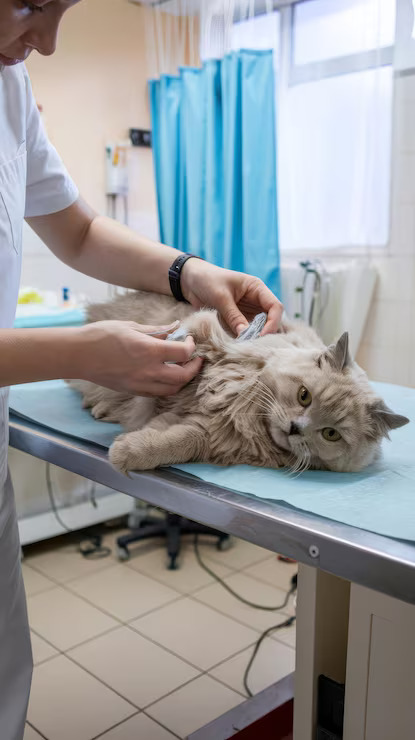
Many owners initially mistake these signs for constipation because blocked cats often repeatedly enter the litterbox and strain.
Without treatment, urinary blockages can lead to severe electrolyte abnormalities, kidney damage, bladder rupture, and death. Prompt veterinary care is critical.
Treatment typically involves pain management, stabilization, bloodwork, intravenous fluids, and placement of a urinary catheter to relieve the obstruction. Hospitalization and ongoing monitoring are usually required afterward to help reduce the risk of recurrence and support recovery.
Vomiting, Diarrhea, and Gastrointestinal Emergencies
Occasional mild digestive upset can happen in cats, but repeated vomiting, severe diarrhea, inability to keep food down, abdominal pain, or complete loss of appetite may indicate a more serious problem.
Potential causes include:
- Foreign material ingestion
- Intestinal blockages
- Pancreatitis
- Toxin exposure
- Infection
- Gastrointestinal inflammation
- Kidney disease
- Liver disease
- Cancer
Cats are particularly sensitive to prolonged periods without eating. Even relatively short periods of decreased appetite can contribute to complications such as hepatic lipidosis, a potentially serious liver condition.
Emergency evaluation may involve bloodwork, x-rays, ultrasound, and supportive care such as intravenous fluids, anti-nausea medication, nutritional support, and pain management.
Toxin Exposure in Cats
Cats are uniquely sensitive to many substances that may be harmless to people or even dogs. Certain toxins can cause severe illness very quickly, which is why immediate veterinary attention is important whenever toxin exposure is suspected.
Common feline toxins include:
- Lilies
- Certain human medications
- Essential oils
- Antifreeze
- Rodenticides
- Some flea and tick products intended for dogs
- Household cleaners
- Chocolate
- Toxic plants
Even small exposures can sometimes have serious consequences in cats.
If you suspect your cat may have ingested or been exposed to a toxin, contacting a veterinarian immediately is extremely important. Early treatment often significantly improves outcomes.
Depending on the situation, treatment may involve inducing vomiting, activated charcoal administration, intravenous fluids, bloodwork monitoring, hospitalization, or supportive care.
Pain Management in Emergency Medicine
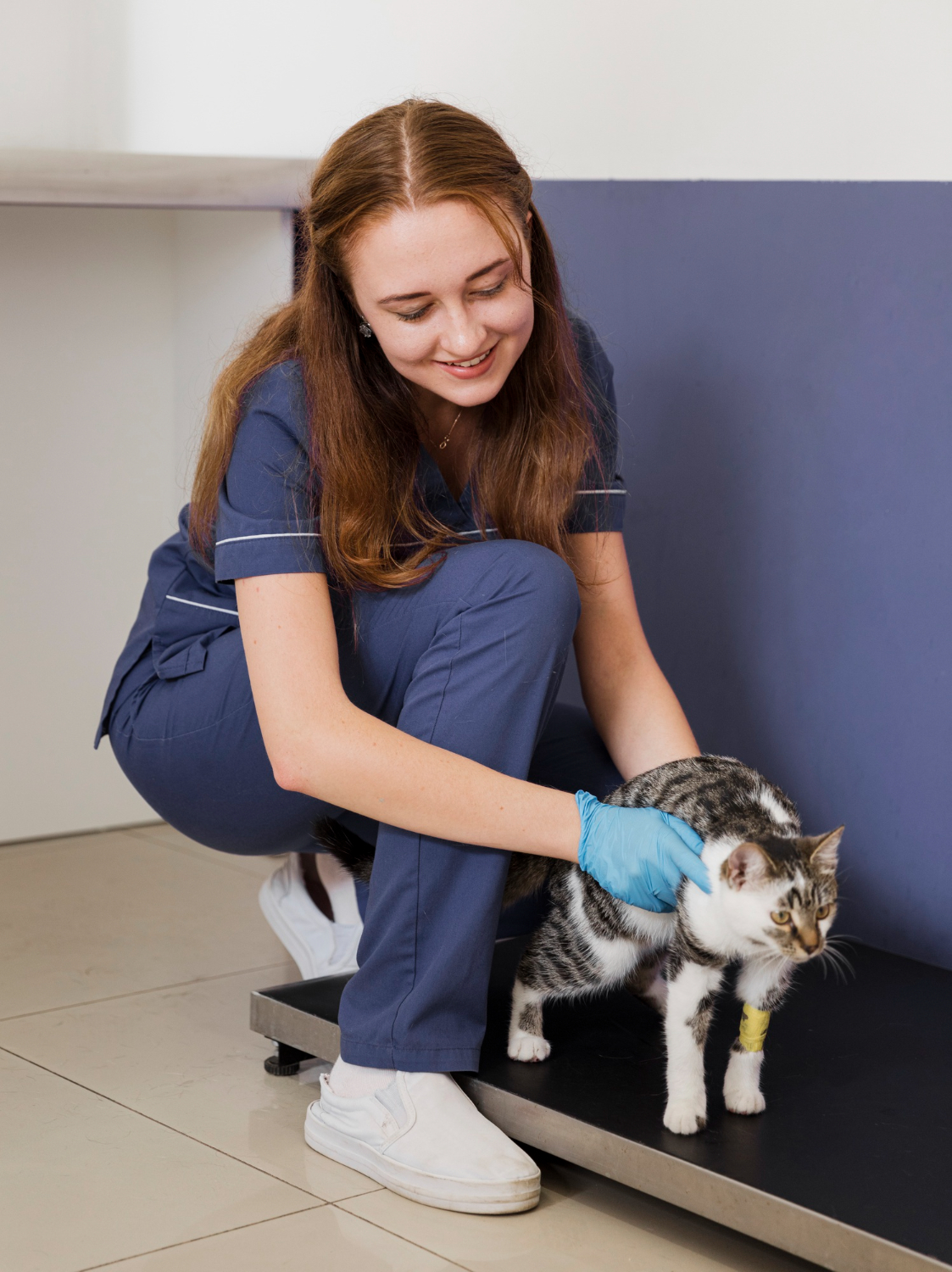
Pain management is a critical part of cat emergency care.
Cats frequently hide discomfort, and signs of pain are often more subtle than many owners expect. A painful cat may simply become quiet, withdrawn, less interactive, or reluctant to move.
At Parkdale Animal Hospital, we strongly believe that identifying and managing pain is an important part of providing high-quality medical care.
Pain control may involve injectable medications, oral medications, local anesthetics, or multimodal pain management strategies tailored to your cat’s individual condition and medical needs.
Providing effective pain management not only improves comfort but can also help reduce stress, improve recovery, and support healing.
Emergency Diagnostics and Monitoring
Emergency medicine often requires rapid diagnostic testing to help determine what is happening internally and how urgently intervention is needed.
Depending on your cat’s condition, diagnostics may include:
- Bloodwork
- Urinalysis
- Blood pressure monitoring
- X-rays
- Ultrasound
- ECG monitoring
- Oxygen monitoring
These tests help our team evaluate organ function, hydration status, electrolyte abnormalities, internal injuries, respiratory disease, and many other potentially serious conditions.
Monitoring is equally important. Cats experiencing emergencies can sometimes change quickly, which is why hospitalized patients are closely observed throughout treatment and recovery.
Our team continually reassesses comfort, breathing, circulation, hydration, temperature, pain levels, and response to treatment to ensure care remains tailored to your cat’s evolving needs.
Hospitalization and Supportive Care
Some emergency patients can safely return home after treatment, while others require hospitalization for ongoing monitoring and supportive care.
Hospitalized cats may receive:
- Intravenous fluids
- Oxygen therapy
- Nutritional support
- Pain management
- Temperature support
- Continuous monitoring
- Urinary catheter care
- Repeat bloodwork or imaging
We understand that hospitalization can feel stressful for owners. Our team works hard to provide updates, answer questions, and ensure you understand your cat’s condition and treatment plan throughout their stay.
Because cats are highly sensitive to stress, we also focus on creating as calm and comfortable an environment as possible during hospitalization.
Knowing When to Seek Emergency Care
One of the hardest parts of being a cat owner is knowing when something is serious enough to require urgent medical attention.
In general, it is always safest to contact a veterinarian promptly if your cat is:
- Having difficulty breathing
- Unable to urinate
- Suddenly unable to walk
- Repeatedly vomiting
- Extremely lethargic
- Collapsed or weak
- Crying out in pain
- Experiencing seizures
- Bleeding significantly
- Showing sudden behavioural changes
- Not eating for an extended period
- Experiencing trauma
Trusting your instincts as an owner is important. Many owners know when their cat simply is not acting normally, even before symptoms become severe.
Early intervention often provides more treatment options and may help prevent complications from becoming more advanced.
Compassionate Care During Stressful Moments
At Parkdale Animal Hospital, we understand that emergency visits are often emotional, frightening, and unexpected. Our goal is not only to care for your cat medically, but also to support you through the process with honesty, compassion, and clear communication.
As an independently owned hospital, we are able to focus on individualized, relationship-based care centered around what is best for both you and your pet. We believe in providing thoughtful recommendations, transparent discussions, and thorough medical care without losing sight of the emotional side of veterinary medicine.
Every cat that presents for an emergency, is treated as an individual. Some situations require aggressive intervention, while others focus more heavily on comfort, stabilization, and quality of life. Our role is to help guide you through those decisions while ensuring your cat receives attentive and compassionate care every step of the way.
If your cat is experiencing a medical emergency or you are concerned something may be wrong, please contact Parkdale Animal Hospital by phone at 519-885-1200 or click here as soon as possible. Our team is here to help support both you and your cat during urgent and stressful situations.