
Cat Eye Care
A cat’s eyes are not only one of their most recognizable features, they are also an incredibly important indicator of overall health and wellbeing.
Cat Eye Care
Cats rely heavily on their vision to navigate their environment, communicate, hunt, play, and interact with the world around them. Because of this, even relatively minor eye problems can quickly become painful, frustrating, or potentially serious if left untreated.
At Parkdale Animal Hospital, we understand how concerning eye problems can be for cat owners. Eye conditions often appear suddenly, may worsen quickly, and can significantly impact both comfort and quality of life for your cat. Our goal is to identify eye issues early, determine the underlying cause, and create a treatment plan tailored to your cat’s specific needs.
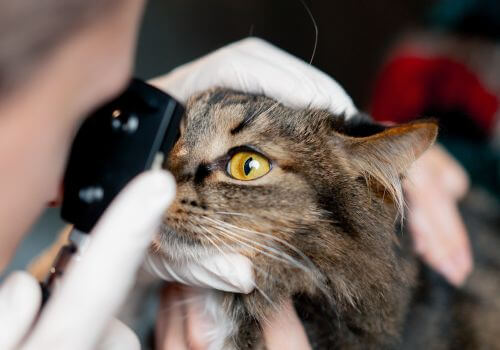
Cat eye care involves much more than simply treating redness or discharge. The eyes are delicate, complex structures that can be affected by infections, injuries, allergies, inflammation, trauma, high blood pressure, systemic illness, and even dental disease. In some cases, eye changes may actually be the first visible sign of an underlying medical condition elsewhere in the body.
Because cats are so skilled at hiding discomfort, subtle eye changes should never be ignored. Prompt veterinary evaluation can often help prevent worsening pain, long-term damage, or permanent vision loss.
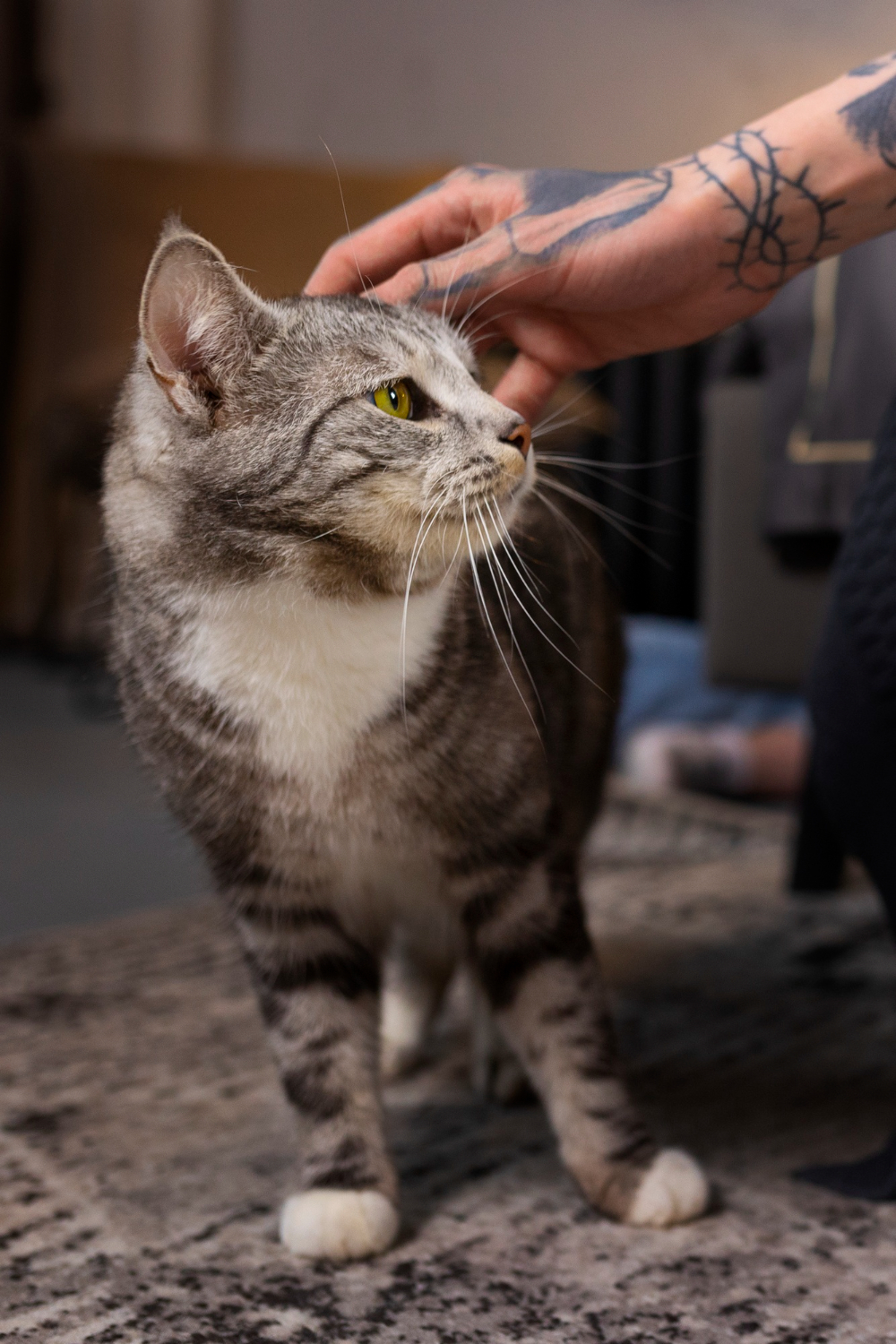
Understanding Eye Problems in Cats
Cats commonly develop eye issues throughout their lives, ranging from mild irritation to serious medical emergencies. Some conditions develop gradually over time, while others appear suddenly and progress rapidly.
Signs of an eye problem in cats may include:
- Redness
- Squinting
- Excessive tearing
- Cloudiness
- Swelling
- Discharge
- Pawing at the face
- Keeping one eye closed
- Changes in pupil size
- Sensitivity to light
- Bulging of the eye
- Vision changes
- Behavioural changes
Because the eye contains many sensitive structures, even small abnormalities can cause significant discomfort. Cats may not vocalize pain, but signs such as hiding, decreased appetite, reduced grooming, or irritability can sometimes indicate that an eye condition is causing discomfort.
Eye conditions can also worsen surprisingly quickly. A scratch on the surface of the eye, for example, may progress into a deep ulcer if not treated appropriately. Certain conditions can threaten vision within a relatively short period of time.
For this reason, eye concerns are often treated with a higher level of urgency than many owners initially expect.
Why Cats Are Prone to Eye Issues
Cats are naturally curious animals, and their eyes are exposed to a variety of environmental irritants and potential injuries throughout their lives. In addition, certain cat-specific viruses and medical conditions can make cats particularly susceptible to eye disease.
Some of the most common causes of eye problems in cats include:
- Viral infections
- Corneal ulcers
- Conjunctivitis
- Trauma or scratches
- Foreign material in the eye
- Allergies or irritation
- High blood pressure
- Glaucoma
- Uveitis
- Dry eye
- Dental disease
- Age-related changes
In many cats, eye conditions are not isolated problems. Instead, they may be linked to broader medical issues occurring elsewhere in the body. This is one reason why thorough veterinary evaluation is so important when eye abnormalities are present.
Conjunctivitis in Cats
Conjunctivitis is one of the most common eye conditions seen in cats. It refers to inflammation of the conjunctiva, the pink tissue surrounding the eye and inner eyelids.
Cats with conjunctivitis may develop:
- Red or swollen eyes
- Squinting
- Increased tearing
- Eye discharge
- Frequent blinking
- Sensitivity to light
Feline conjunctivitis is commonly associated with upper respiratory infections and feline herpesvirus. In some cats, herpesvirus can remain dormant within the body and flare up periodically during times of stress or illness.
Some cats experience only mild intermittent symptoms, while others may develop more severe or chronic eye inflammation.
Treatment depends on the underlying cause and severity of the condition. This may involve antiviral medication, antibiotic eye medications, anti-inflammatory treatment, lubricating drops, or supportive care.
Because some infectious eye conditions are contagious between cats, prompt treatment and appropriate management are important, particularly in multi-cat households.
Corneal Ulcers and Eye Injuries
The cornea is the clear outer surface of the eye. Corneal ulcers occur when this surface becomes damaged or scratched.
Even small ulcers can be extremely painful. Cats with corneal ulcers may:
- Squint intensely
- Keep the eye closed
- Paw at the face
- Produce excessive tears
- Avoid bright light
- Develop cloudy areas on the eye
Ulcers may develop from trauma, rough play, foreign material, viral infections, or underlying eye disease.
Because the cornea is such a delicate structure, ulcers can worsen quickly if left untreated. Deep ulcers may even threaten the integrity of the eye itself.
At Parkdale Animal Hospital, special stains are often used during eye examinations to help identify corneal ulcers that may not otherwise be visible. Treatment may involve medicated eye drops, pain management, protective collars, antiviral medications, or referral to a veterinary ophthalmologist for more advanced care if needed.
Prompt treatment is extremely important to help reduce pain and preserve vision.
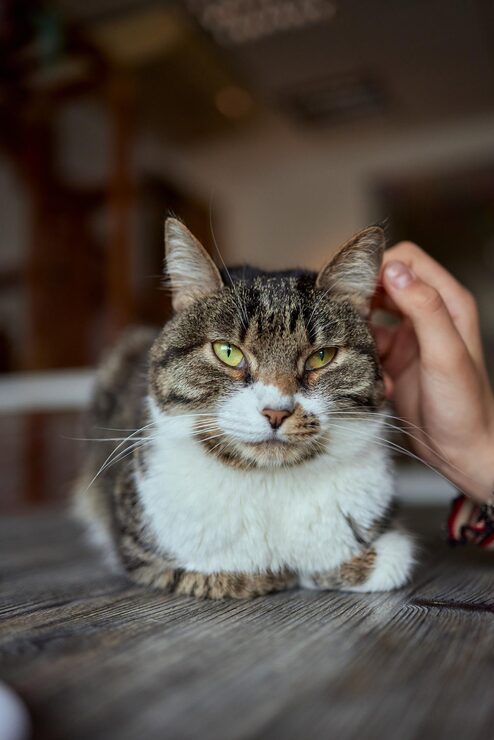
Cloudy Eyes and Vision Changes
Cloudiness or changes in vision should never be dismissed as simply “old age.”
Cats may develop cloudy eyes for many different reasons, including:
- Corneal disease
- Cataracts
- Inflammation
- Glaucoma
- High blood pressure
- Age-related lens changes
- Retinal disease
Some cats experiencing vision changes may begin bumping into objects, hesitate when jumping, become startled more easily, or appear less confident in unfamiliar environments.
One particularly important condition in older cats is high blood pressure, also known as hypertension. High blood pressure can cause sudden retinal damage and blindness in cats, particularly those with underlying kidney disease or hyperthyroidism.
In some cases, owners may notice suddenly dilated pupils or abrupt vision loss at home.
Because certain causes of blindness may be partially reversible if treated quickly, immediate veterinary attention is extremely important whenever sudden vision changes occur.
Glaucoma and Increased Eye Pressure
Glaucoma is a serious condition involving increased pressure within the eye. This pressure can damage delicate structures inside the eye and may eventually lead to blindness if not treated promptly.
Cats with glaucoma may develop:
- Enlarged eyes
- Redness
- Cloudiness
- Squinting
- Vision loss
- Behavioural changes due to pain
Glaucoma can be extremely uncomfortable, even though cats may hide their pain remarkably well.
During eye examinations, veterinarians may use specialized equipment to measure pressure within the eye. Early diagnosis and treatment are important to help preserve comfort and vision whenever possible.
Treatment may include medicated eye drops, oral medications, pain management, or referral to a veterinary ophthalmologist depending on the severity and underlying cause.
Uveitis in Cats
Uveitis refers to inflammation inside the eye and is considered a potentially serious condition.
Signs of uveitis may include:
- Redness
- Squinting
- Cloudiness
- Small pupil size
- Pain
- Vision changes
Unlike some more localized eye problems, uveitis is often associated with underlying systemic disease. Potential causes may include infections, immune-mediated disease, trauma, cancer, or other inflammatory conditions.
Because uveitis can sometimes indicate broader medical concerns elsewhere in the body, additional diagnostic testing such as bloodwork or blood pressure measurement may be recommended.
Treatment focuses both on reducing inflammation within the eye and identifying the underlying cause whenever possible.
Eye Examinations for Cats
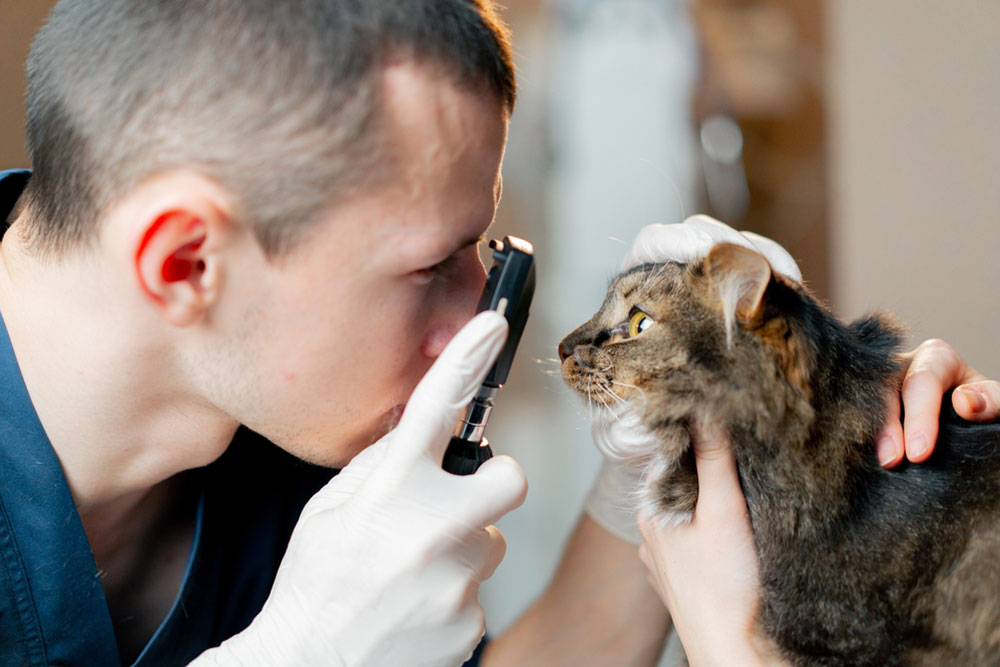
Cat eye examinations involve much more than simply looking at the surface of the eye.
During an eye evaluation, veterinarians carefully assess:
- The eyelids
- Corneal surface
- Tear production
- Eye pressure
- Pupil responses
- Internal eye structures
- Retinal appearance
- Vision function
Specialized tools and diagnostic tests may be used depending on the symptoms present.
These tests may include:
- Fluorescein staining to detect ulcers
- Tear production testing
- Pressure measurement
- Retinal examination
- Blood pressure assessment
- Diagnostic imaging
- Bloodwork
Because some cats become stressed during eye examinations, our team focuses heavily on gentle handling and minimizing anxiety whenever possible. We understand that many cats are sensitive to restraint and unfamiliar environments, particularly when they are already uncomfortable or painful.
Administering Eye Medication to Cats
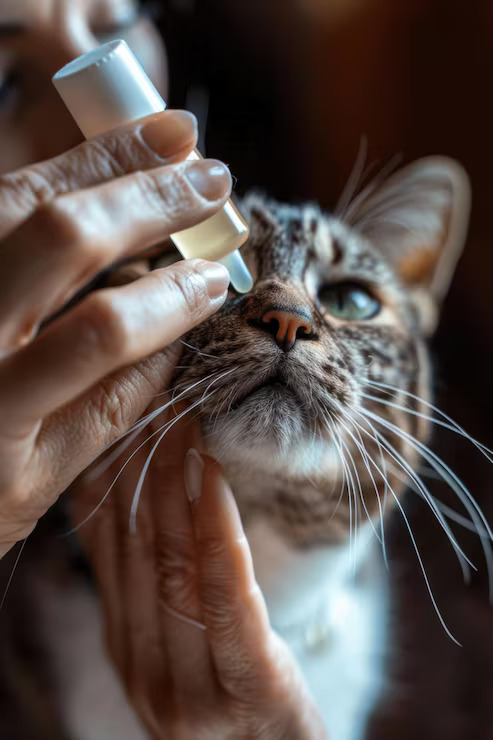
Treating eye conditions in cats often involves medicated eye drops or ointments. While some cats tolerate eye medications relatively well, others may find the process stressful or frustrating.
Our team takes time to demonstrate how medications should be administered safely and effectively at home. In many cases, small adjustments in handling technique can make the process significantly easier for both cats and owners.
Consistency with medication is extremely important. Eye tissues are delicate, and missed treatments can sometimes allow conditions to worsen quickly.
If administering medication becomes difficult at home, owners should contact the clinic so we can help troubleshoot solutions or discuss alternative options.
Chronic Eye Conditions and Long-Term Monitoring
Some eye conditions in cats resolve completely with treatment, while others may require long-term management and monitoring.
Cats with chronic herpesvirus infections, dry eye, glaucoma, or recurrent ulcers may experience periodic flare-ups throughout life. In these situations, ongoing communication and regular monitoring become especially important.
At Parkdale Animal Hospital, we believe in building long-term relationships with both pets and owners. Chronic eye conditions often require adjustments over time, and our goal is to support owners through each stage of their cat’s care while helping maintain comfort and quality of life.
Monitoring may include repeat examinations, pressure checks, medication adjustments, blood pressure monitoring, or periodic diagnostics depending on the condition involved.
The Importance of Early Intervention
One of the most important things cat owners can do is seek veterinary attention promptly when eye abnormalities are noticed.
Unlike some minor skin or digestive issues that may occasionally improve on their own, eye conditions can deteriorate very quickly. Delaying treatment may increase the risk of pain, scarring, chronic inflammation, or permanent vision loss.
Cats are also exceptionally good at adapting to discomfort, which means that serious eye conditions may appear less dramatic than they truly are.
Subtle changes matter.
A cat that suddenly begins squinting, develops eye discharge, or starts hiding more frequently may be experiencing significant discomfort even if they continue eating and acting relatively normal otherwise.
Compassionate, Thorough Feline Eye Care
At Parkdale Animal Hospital, we understand how important your cat’s comfort and vision are to their overall wellbeing. Our team is committed to providing thorough, compassionate, and individualized eye care while helping owners understand both the condition itself and the reasoning behind treatment recommendations.
As an independently owned hospital, we are able to focus on relationship-based medicine built around communication, education, and tailored patient care. We believe owners deserve clear explanations, thoughtful recommendations, and support throughout every stage of their cat’s treatment.
Whether your cat is experiencing mild eye irritation, chronic discharge, sudden vision changes, or a more serious ocular emergency, our team is here to help guide you through the process with honesty, compassion, and attention to detail.
If you are concerned about your cat’s eyes or vision, please contact Parkdale Animal Hospital at 519-885-1200 or click here to schedule an examination. Early evaluation and treatment can often make an important difference in preserving both comfort and long-term eye health.