
Dog Flea and Tick
Fleas and ticks are among the most common parasites that affect dogs in Ontario.
Dog Flea and Tick Prevention
While many people think of them as simply annoying pests, these parasites can lead to a wide range of health problems that may affect your dog’s comfort, wellbeing, and long-term health. Preventive care plays an important role in protecting dogs from parasite-related disease and reducing the risk of infestations in both pets and households.
At Parkdale Animal Hospital, we work closely with families to create personalized flea and tick prevention plans based on each dog’s lifestyle, age, medical history, and exposure risk. Every dog is different, and the right prevention strategy often depends on how much time your pet spends outdoors, where they travel, and the activities they enjoy throughout the year.
Many owners are surprised to learn how common fleas and ticks have become across Ontario. Tick populations have expanded significantly over the last several years, and flea infestations are still frequently diagnosed in both urban and rural environments. Even dogs that spend most of their time indoors can still be exposed through backyard visits, walks around the neighborhood, trips to parks, or contact with other animals.
Because parasites are easier to prevent than to treat after a problem develops, routine prevention is one of the most important parts of maintaining your dog’s health.

Understanding Fleas in Dogs
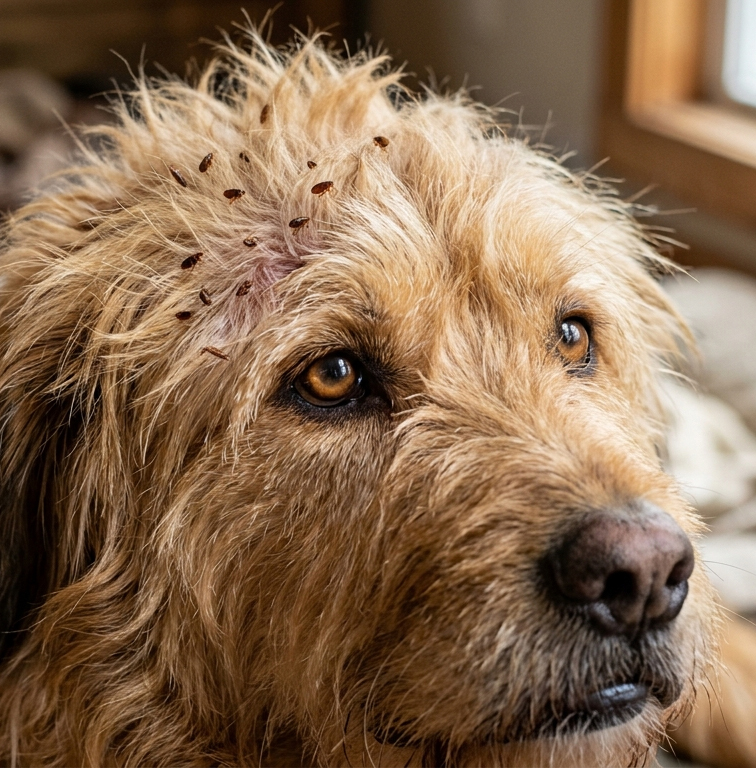
Fleas are tiny insects that survive by feeding on the blood of animals. Although they are small, fleas can create major problems for dogs and their families. Flea infestations may develop quickly, especially during warmer months, and can become difficult to eliminate once established in the home environment.
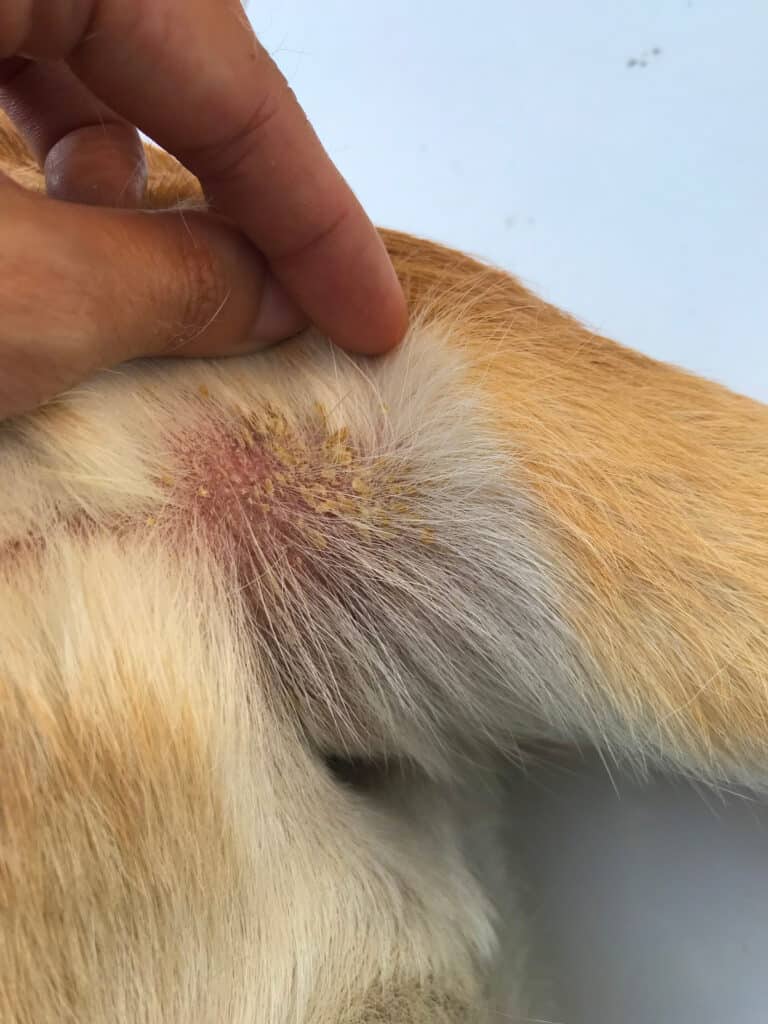
One of the earliest signs of fleas is itching. Dogs with fleas may scratch excessively, chew at their skin, or seem restless and uncomfortable. Some dogs develop red or irritated skin, while others may experience hair loss, scabs, or hot spots caused by persistent scratching and inflammation.
Certain dogs are especially sensitive to flea bites and can develop flea allergy dermatitis. In these pets, even a small number of flea bites can trigger significant itching and skin irritation. This allergic reaction may lead to ongoing discomfort and secondary skin infections if left untreated.
Fleas can also contribute to other medical concerns. Heavy flea infestations may lead to anemia, particularly in puppies or small dogs. Fleas are also capable of transmitting tapeworms when infected fleas are accidentally ingested during grooming.
One of the most challenging aspects of flea infestations is that adult fleas visible on your dog often represent only a small portion of the total flea population. Flea eggs, larvae, and pupae may be present throughout carpets, furniture, bedding, and other areas of the home. This is why early prevention and prompt treatment are so important.
Understanding Ticks in Ontario
Ticks have become increasingly common throughout Ontario, including many areas surrounding Waterloo Region. These parasites attach to animals while feeding and may transmit several serious diseases to dogs.
Ticks are commonly found in wooded areas, tall grass, hiking trails, parks, and conservation areas. However, exposure can also occur in suburban neighbourhoods and backyard environments. Dogs do not need to travel far into wilderness areas to encounter ticks.
Many owners associate ticks only with camping or hiking trips, but even routine daily walks can create opportunities for exposure. Dogs that spend time outdoors during spring, summer, and fall are particularly at risk, although ticks may remain active during milder winter temperatures as well.
One of the biggest concerns associated with ticks is their ability to spread disease. Lyme disease is among the most well-known tick-borne illnesses affecting dogs in Ontario. Lyme disease is transmitted through the bite of infected blacklegged ticks, sometimes called deer ticks.
Dogs infected with Lyme disease may develop symptoms such as fever, lethargy, joint pain, limping, decreased appetite, or swollen lymph nodes. Some dogs may show only subtle signs initially, while others can become significantly ill. In rare cases, more severe complications involving the kidneys may develop.
Ticks may also transmit other infections that can affect a dog’s health. Because these illnesses may sometimes be difficult to recognize in early stages, prevention remains one of the safest and most effective strategies for reducing risk.
Why Flea and Tick Prevention Is Important
Preventive care helps protect dogs before parasites have the opportunity to cause illness or discomfort. Many flea and tick products work by killing the tick before they can establish infestations or transmit disease.
Preventing parasites is generally far easier, safer, and more cost-effective than treating advanced infestations or tick-borne disease after exposure occurs. Once fleas enter a home environment, treatment may require repeated cleaning, environmental management, and treatment of all pets within the household.
Similarly, tick-borne diseases may sometimes require extensive medical treatment and monitoring. Early prevention significantly lowers the likelihood of these complications developing.
Parasite prevention also helps improve comfort and quality of life for dogs. Dogs experiencing flea infestations often become uncomfortable, restless, and itchy. Chronic scratching can lead to skin trauma, hair loss, and secondary bacterial infections that may require additional treatment.
By maintaining regular preventive care, owners can help their dogs remain healthier, more comfortable, and protected throughout the year.
Common Signs of Flea and Tick Problems
The signs of flea or tick exposure can vary widely depending on the severity of infestation, the dog’s sensitivity, and whether disease transmission has occurred.
Dogs with flea infestations commonly experience itching and scratching. Some dogs may bite or chew at their skin, especially near the tail base, abdomen, or hind legs. Redness, irritation, hair loss, and scabbing may also develop over time.
Owners may occasionally see fleas moving through the coat or notice small black specks called flea dirt, which is flea feces containing digested blood.
Ticks are sometimes easier to identify visually because they attach directly to the skin while feeding. Ticks may appear as small bumps attached to the body and are commonly found around the ears, neck, face, underarms, or between the toes.
If tick-borne illness develops, dogs may show more generalized symptoms such as fatigue, fever, stiffness, limping, decreased appetite, or reluctance to exercise. Because some of these symptoms can resemble many other medical conditions, veterinary evaluation is important whenever dogs appear unwell.
Choosing the Right Preventive Product
There are many flea and tick preventive products available today, but not all products provide the same level of protection. Some over-the-counter products may be less effective, while others may not adequately protect against ticks or tick-borne disease.
At Parkdale Animal Hospital, our veterinary team helps owners select safe and effective products tailored to their dog’s specific needs. Recommendations may vary based on age, weight, lifestyle, existing medical conditions, and parasite exposure risk.
Modern preventive options often include oral medications, topical treatments, or combination products designed to protect against multiple parasites simultaneously. Some products provide protection against fleas and ticks alone, while others may also help prevent heartworm disease or intestinal parasites.
Consistency is important with parasite prevention. Missed doses or interruptions in protection may increase the risk of infestation or disease exposure. Our team can help create a schedule that is easy to follow and appropriate for your dog’s needs.
Because some parasite medications are not safe for every pet, it is important to consult with a veterinarian before starting new products. Dogs with certain medical conditions, young puppies, or households with multiple species may require additional considerations when selecting preventive care.
Environmental Control and Household Prevention
Preventing fleas and ticks involves more than treating the pet alone. Environmental management also plays an important role in reducing exposure and preventing reinfestation.
For fleas, household cleaning can help remove eggs and immature flea stages from the environment. Washing bedding regularly, vacuuming carpets and furniture, and cleaning areas where pets spend time may help reduce flea populations within the home.
Outdoor maintenance may also help reduce tick exposure. Keeping grass trimmed short, removing leaf litter, and minimizing overgrown vegetation can make yards less attractive to ticks.
After outdoor activities, owners should check their dogs carefully for ticks, especially after walks in wooded or grassy areas. Prompt removal of attached ticks may reduce the likelihood of disease transmission.
Regular grooming and routine physical examinations can also help owners detect skin abnormalities, parasites, or signs of irritation earlier.

Year-Round Protection in Ontario
Historically, many owners focused on flea and tick prevention only during warmer months. However, changing weather patterns and increasing parasite populations have made year-round prevention increasingly important across Ontario.
Ticks may remain active during cooler temperatures whenever conditions are mild enough to support activity. Fleas can also survive indoors throughout the year, particularly in heated home environments.
For many dogs, continuous protection provides the most reliable defense against parasite-related illness. Dogs that travel, attend daycare, visit parks, or spend time outdoors regularly may face exposure risks even outside traditional parasite seasons.
Our veterinary team can help determine the most appropriate prevention schedule for your dog based on lifestyle and regional parasite activity.
Protecting Your Dog’s Long-Term Health
Parasite prevention is an important part of comprehensive wellness care. Along with routine examinations, vaccinations, nutrition, and dental care, flea and tick prevention helps support your dog’s long-term health and comfort.
Many parasite-related illnesses are preventable with appropriate veterinary guidance and consistent preventive care. Early intervention also allows problems to be identified before they become more serious or difficult to manage.
At Parkdale Animal Hospital, we are committed to helping families make informed decisions about preventive healthcare. Our goal is to provide compassionate, evidence-based recommendations that help keep dogs healthy and protected throughout every stage of life.
Schedule a Wellness Visit
If you would like to discuss flea and tick prevention for your dog, the team at Parkdale Animal Hospital is here to help. We can recommend safe, effective prevention strategies tailored to your dog’s individual lifestyle and risk factors.
To schedule a wellness visit or learn more about parasite prevention, please contact our hospital at 519-885-1200 or click here.