
Cat Spaying and Neutering
Spaying and neutering are among the most common and important surgical procedures performed in veterinary medicine.
Cat Spaying and Neutering
Beyond preventing unwanted litters, these procedures play a major role in supporting long-term health, reducing certain medical and behavioural concerns, and helping cats live safer, healthier lives.
At Parkdale Animal Hospital, we understand that choosing surgery for your cat can feel emotional or even overwhelming, especially for first-time pet owners. Our goal is to guide owners through the process with clear communication, compassionate care, and thoughtful recommendations tailored to each individual patient.
Spaying and neutering are routine procedures, but they are still surgeries requiring careful planning, anesthesia, monitoring, pain management, and recovery support. We take every procedure seriously and focus heavily on patient safety, comfort, and individualized care before, during, and after surgery.
Whether you have recently welcomed a new kitten into your family or are considering surgery for an older cat, understanding the benefits, timing, and recovery process can help owners feel more confident and prepared.
What Is Spaying and Neutering?
Spaying refers to the surgical sterilization of female cats. During a spay procedure, the ovaries and the uterus are removed while the cat is under general anesthesia.
Neutering refers to the surgical sterilization of male cats. During a neuter procedure, the testicles are removed under general anesthesia.
Both procedures permanently prevent reproduction.
Spaying and neutering are extremely common surgeries in cats and are considered important components of preventative healthcare.
Why Spaying and Neutering Are Important
Many owners initially think of spaying and neutering only in terms of preventing pregnancy, but these procedures provide several additional health and behavioural benefits.
Benefits may include:
- Prevention of unwanted litters
- Reduced risk of reproductive cancers
- Prevention of uterine infections
- Reduced roaming behaviours
- Reduced urine spraying
- Reduced fighting between cats
- Lower risk of certain infections and injuries
- Reduced stress associated with reproductive behaviours
Spaying and neutering also help reduce overpopulation and the number of homeless cats entering shelters and rescue systems.
At Parkdale Animal Hospital, we believe preventative care involves not only treating illness, but also helping reduce avoidable health risks before they develop.
Spaying Female Cats
Female cats who are not spayed will eventually enter heat cycles once sexually mature.
Cats in heat may display behaviours such as:
- Loud vocalization
- Increased restlessness
- Rolling
- Attempts to escape outdoors
- Increased affection or clinginess
- Urine marking
Many owners are surprised by how intense and persistent heat cycle behaviours can become.
Unlike dogs, cats may cycle repeatedly during breeding season if they do not become pregnant. This can create ongoing stress for both the cat and household.
Spaying eliminates heat cycles entirely and prevents pregnancy.
Health Benefits of Spaying
Spaying significantly reduces the risk of several serious medical conditions.
One of the most important benefits is prevention of pyometra, a potentially life-threatening uterine infection that commonly affects unspayed female animals.
Pyometra may cause symptoms such as:
- Lethargy
- Vomiting
- Increased thirst
- Decreased appetite
- Vaginal discharge
- Weakness
Emergency surgery is often required once pyometra develops.
Spaying also dramatically reduces the risk of mammary cancer, particularly when performed before repeated heat cycles occur.
Because mammary tumors in cats are frequently malignant, reducing this risk is especially important.
Neutering Male Cats
Male cats who are not neutered often develop hormonally driven behaviours as they mature.
These may include:
- Roaming
- Fighting
- Urine spraying
- Strong-smelling urine
- Increased territorial behaviour
- Attempts to escape outdoors
Unneutered male cats are also more likely to become involved in fights with other cats, increasing the risk of injury, abscesses, and transmission of infectious diseases such as feline leukemia virus (FeLV) and feline immunodeficiency virus (FIV).
Neutering often significantly reduces hormonally driven behaviours and may help cats become calmer and less focused on territorial activity.
When Should Cats Be Spayed or Neutered?
Timing recommendations may vary depending on the individual cat, health status, and household circumstances.
Many cats are spayed or neutered during kittenhood before reaching full sexual maturity – usually around six (6) months of age.
Early sterilization helps prevent:
- Accidental litters
- Heat cycle behaviours
- Urine spraying
- Roaming behaviours
At Parkdale Animal Hospital, recommendations are individualized based on the cat’s age, health, lifestyle, and overall development.
Our team discusses timing considerations carefully with owners to help determine the most appropriate plan for their pet.
Preparing for Surgery
Before surgery, every cat will undergo a physical examination to ensure they are healthy enough for anesthesia.
Pre-anesthetic bloodwork is commonly recommended to help evaluate:
- Kidney function
- Liver function
- Blood sugar
- Red blood cell levels
- Overall health status
Even healthy-appearing cats can have underlying medical conditions that are not externally visible.
Pre-anesthetic testing helps our team tailor anesthetic protocols to the individual patient while improving overall safety.
Owners will also receive instructions regarding fasting before surgery and what to expect on the day of the procedure.
Anesthesia Safety for Cats
At Parkdale Animal Hospital, anesthesia safety is taken extremely seriously.
Although spays and neuters are routine procedures, every patient receives individualized anesthetic planning and monitoring.
Cats undergoing anesthesia are carefully monitored throughout the procedure using advanced equipment that tracks:
- Heart rate
- Oxygen levels
- Carbon dioxide levels
- Blood pressure
- ECG activity
- Temperature
Our veterinary team continuously monitors patients during both anesthesia and recovery to help ensure comfort and safety throughout the entire process.
Pain management is also an extremely important part of surgical care.
Pain Management After Surgery
Cats experience pain just like people do, even though they often hide discomfort extremely well.
At Parkdale Animal Hospital, we strongly believe pain management is an essential part of high-quality surgical care.
Pain control may involve:
- Injectable pain medication
- Oral medications
- Anti-inflammatory medications
- Individualized pain management plans
Most cats recover surprisingly well after surgery when appropriate pain management and post-operative care are provided.
Owners are often pleasantly surprised by how quickly many cats return to eating, moving around, and behaving normally after surgery.
Recovery After Spaying and Neutering
Recovery recommendations vary slightly depending on the procedure and individual patient.
In general, owners should expect:
- Mild grogginess after anesthesia
- Reduced activity initially
- Temporary appetite changes
- Need for activity restriction
- Monitoring of the incision site
Most cats recover smoothly with proper home care.
Activity restriction is especially important after spay procedures because female surgeries involve entering the abdomen and require more internal healing.
Owners are usually advised to:
- Limit jumping and rough activity
- Prevent licking at the incision
- Monitor for swelling or discharge
- Ensure normal appetite and litterbox use
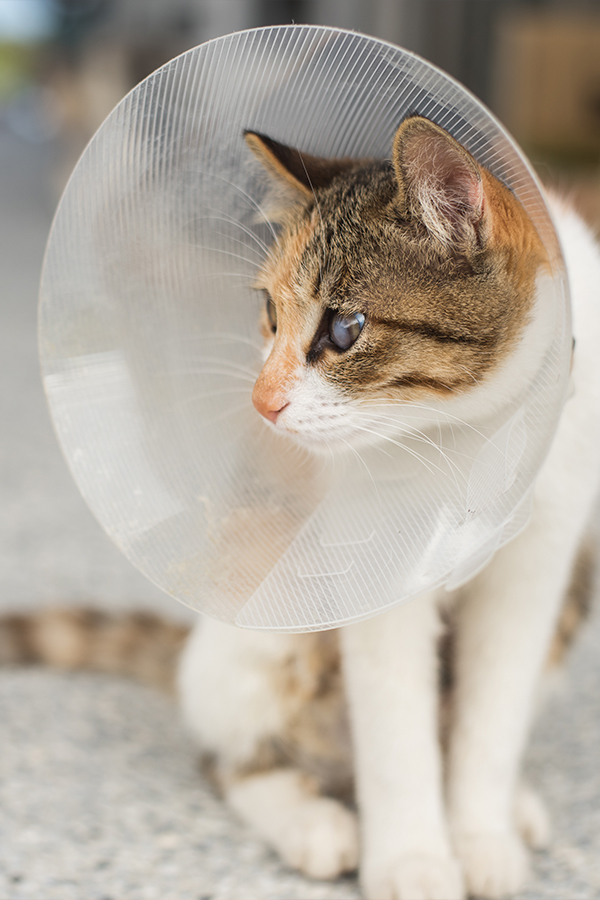
An Elizabethan collar or recovery suit may be recommended to help protect the incision site.
Monitoring the Incision
After surgery, owners should monitor the incision daily.
Mild redness or bruising may occur initially, but owners should contact the clinic if they notice:
- Significant swelling
- Bleeding
- Discharge
- Opening of the incision
- Excessive licking
- Sudden lethargy
- Appetite loss
Most surgical incisions heal very well when activity restriction and post-operative instructions are followed appropriately.
Microchipping During Surgery
Many owners choose to have their cat microchipped during spay or neuter procedures while their pet is already under anesthesia.
Microchips provide permanent identification and significantly improve the chances of a lost cat being reunited with their family.
Because indoor cats can still escape unexpectedly, microchipping is an important additional layer of protection for cats of all lifestyles.
Behavioural Benefits of Sterilization
While every cat is unique, spaying and neutering often reduce several hormonally influenced behaviours.
Potential behavioural improvements may include:
- Reduced urine spraying
- Reduced roaming
- Reduced vocalization during heat cycles
- Less territorial aggression
- Reduced escape attempts
However, behavioural habits already well established before surgery may not always disappear completely.
This is one reason earlier sterilization is often beneficial.
Compassionate Surgical Care
At Parkdale Animal Hospital, we understand that surgery can feel stressful for owners, even when procedures are routine.
Our team focuses heavily on compassionate handling, clear communication, individualized anesthetic planning, and attentive post-operative support. We believe owners deserve to feel informed and supported throughout every stage of the surgical process.
As an independently owned hospital, we are able to prioritize relationship-based care centered around trust, education, and personalized recommendations rather than simply moving patients through a system.
Every cat is treated as an individual, and our goal is always to provide thoughtful, high-quality care focused on both medical safety and emotional wellbeing.
Whether your cat is ready for kitten spay or neuter surgery or you simply have questions about the process, our team is here to help guide you every step of the way.
If you would like to learn more about cat spaying and neutering or schedule a surgical consultation, please contact Parkdale Animal Hospital by phone at 519-885-1200 or click here to schedule an appointment.