
Dog Dental Care
Dental disease is one of the most common medical conditions affecting dogs, yet it is also one of the most overlooked.
Dog Dental Care
Many dogs begin developing signs of dental disease at a surprisingly young age, often long before owners notice obvious symptoms at home. Because dogs naturally hide pain very well, significant oral discomfort may be present even when a dog continues eating normally and behaving relatively well.
At Parkdale Animal Hospital, we believe dental health is an essential part of overall wellness and quality of life. Chronic dental disease can affect far more than just the teeth and gums. Ongoing oral infection and inflammation may contribute to pain, difficulty eating, reduced energy levels, and progression of disease throughout the body.
Our veterinary team provides comprehensive dental care focused on prevention, early detection, treatment, and long-term oral health management. Whether your dog requires a routine dental assessment, professional cleaning, dental radiographs, or treatment for advanced periodontal disease, our goal is always to improve comfort while supporting long-term health and wellbeing.

Why Dental Health Is So Important for Dogs
Many owners think of dental care primarily as a cosmetic issue related to bad breath or tartar buildup, but dental disease is actually a significant medical condition.
The mouth contains large amounts of bacteria. When plaque and tartar accumulate along the teeth and beneath the gumline, inflammation and infection begin developing within the surrounding tissues. Over time, this can lead to periodontal disease, painful infection, gum recession, bone loss, and eventually tooth instability or tooth loss.
Dental disease can also create chronic inflammation throughout the body. Bacteria associated with advanced oral disease may enter the bloodstream and potentially affect organs such as the heart, liver, and kidneys.
Dogs with untreated dental disease may experience constant discomfort that gradually affects eating habits, activity levels, mood, and quality of life. Unfortunately, because these changes often occur slowly over time, many owners do not realize how painful dental disease has become until treatment is completed and their dog’s behaviour noticeably improves afterward.
Routine dental care is one of the most important components of preventive veterinary medicine and plays a major role in helping dogs live healthier and more comfortable lives.
Understanding Periodontal Disease in Dogs
Periodontal disease is the most common dental condition diagnosed in dogs. In fact, the majority of dogs develop some degree of periodontal disease during their lifetime.
The process usually begins with plaque accumulation on the tooth surface. Plaque is a soft film of bacteria that forms naturally after eating. If plaque is not removed regularly through brushing or professional cleaning, it hardens into tartar.
As tartar accumulates, inflammation develops within the gums. Early inflammation is called gingivitis and may cause redness, swelling, and bleeding around the gumline.
Without treatment, periodontal disease progresses deeper below the gumline where infection begins damaging the supporting tissues and bone surrounding the teeth. Eventually this may lead to loose teeth, chronic pain, abscess formation, and significant oral infection.
One of the most important things owners should understand is that much of periodontal disease occurs beneath the gumline where it cannot be seen easily at home. Even dogs with only moderate visible tartar may have substantial hidden disease below the surface.
Because periodontal disease typically worsens over time, early intervention is extremely important for preserving oral health and minimizing discomfort.
Common Signs of Dental Disease in Dogs
Many dogs continue eating despite significant oral pain, which can make dental disease difficult for owners to recognize initially.
Bad breath is often one of the earliest and most noticeable signs. While many people assume “dog breath” is normal, persistent foul odour frequently indicates underlying bacterial infection and periodontal disease.
Other signs of dental disease may include visible tartar buildup, red or swollen gums, drooling, pawing at the mouth, dropping food while eating, chewing more slowly, or reluctance to chew harder treats and toys.
Some dogs develop bleeding from the mouth, facial swelling, or obvious discomfort when their face is touched. In advanced cases, owners may notice loose teeth, reduced appetite, or changes in behaviour related to chronic pain.
Importantly, the absence of obvious symptoms does not necessarily mean a dog’s mouth is healthy. Many dogs with advanced dental disease show only subtle changes until the condition becomes severe.
Fractured Teeth in Dogs
Broken or fractured teeth are another common dental problem, especially in dogs that chew aggressively on hard objects.
Chewing antlers, bones, hard nylon toys, rocks, or other rigid materials can sometimes fracture teeth. Trauma from accidents or rough play may also cause dental injuries.
When a tooth fractures deeply enough to expose the sensitive inner pulp tissue, the tooth becomes extremely painful and vulnerable to infection. Even dogs that continue eating normally may be experiencing significant discomfort.
Fractured teeth often require treatment to prevent ongoing pain and infection. Depending on the severity and location of the fracture, treatment may involve extraction or referral for advanced dental procedures.
Owners are often surprised at how much more comfortable their dog becomes once painful fractured teeth are properly treated.
Retained Baby Teeth in Puppies
During normal development, puppy teeth fall out as adult teeth erupt into position. Occasionally, baby teeth remain present even after the permanent teeth have emerged.
Retained deciduous teeth are especially common in smaller breed dogs.
When retained teeth remain crowded beside adult teeth, tartar accumulation and periodontal disease may develop more quickly because food debris and bacteria become trapped between the teeth.
Early identification and treatment of retained teeth can help improve long-term oral health and reduce future dental complications.
Routine puppy examinations allow veterinarians to monitor dental development and identify retained teeth before more significant problems develop.
Oral Masses and Growths
Any lump, swelling, or abnormal tissue growth within the mouth should be evaluated by a veterinarian promptly.
Oral masses may represent benign growths, inflammatory tissue changes, infection, or oral cancer. Unfortunately, some oral tumors can progress aggressively if not diagnosed early.
Dogs are often very tolerant of oral masses initially, meaning significant abnormalities may be present before obvious symptoms appear.
Regular oral examinations are important because early diagnosis can significantly improve treatment options and long-term outcomes.
Professional Dental Examinations
Routine dental examinations are an important part of preventive healthcare throughout every stage of a dog’s life.
During a dental assessment, veterinarians or RVTs evaluate the teeth, gums, oral tissues, bite alignment, tartar accumulation, and signs of pain or infection. These examinations help identify developing problems before they become severe.
Dental assessments are especially important in senior dogs because dental disease often progresses gradually over many years.
Even dogs receiving regular home dental care still benefit from professional examinations since many problems occur below the gumline or in areas difficult to evaluate at home.
Professional Dental Cleaning in Dogs
Professional dental cleaning involves far more than simply removing visible tartar from the surface of the teeth.
At Parkdale Animal Hospital, dental procedures are performed under general anesthesia to allow for a complete and thorough oral examination and cleaning. Anesthesia allows the veterinary team to safely clean beneath the gumline where periodontal disease develops while also minimizing stress and discomfort for the patient.
A professional dental procedure includes scaling above and below the gumline, polishing the teeth, periodontal assessment, dental charting, dental radiographs, and treatment of diseased teeth if necessary.
Cleaning below the gumline is one of the most important aspects of professional dental care because this is where hidden infection and bone loss often occur.
Polishing the teeth afterward also helps smooth the tooth surface and reduce future plaque accumulation.
Why Dental Radiographs Are So Important
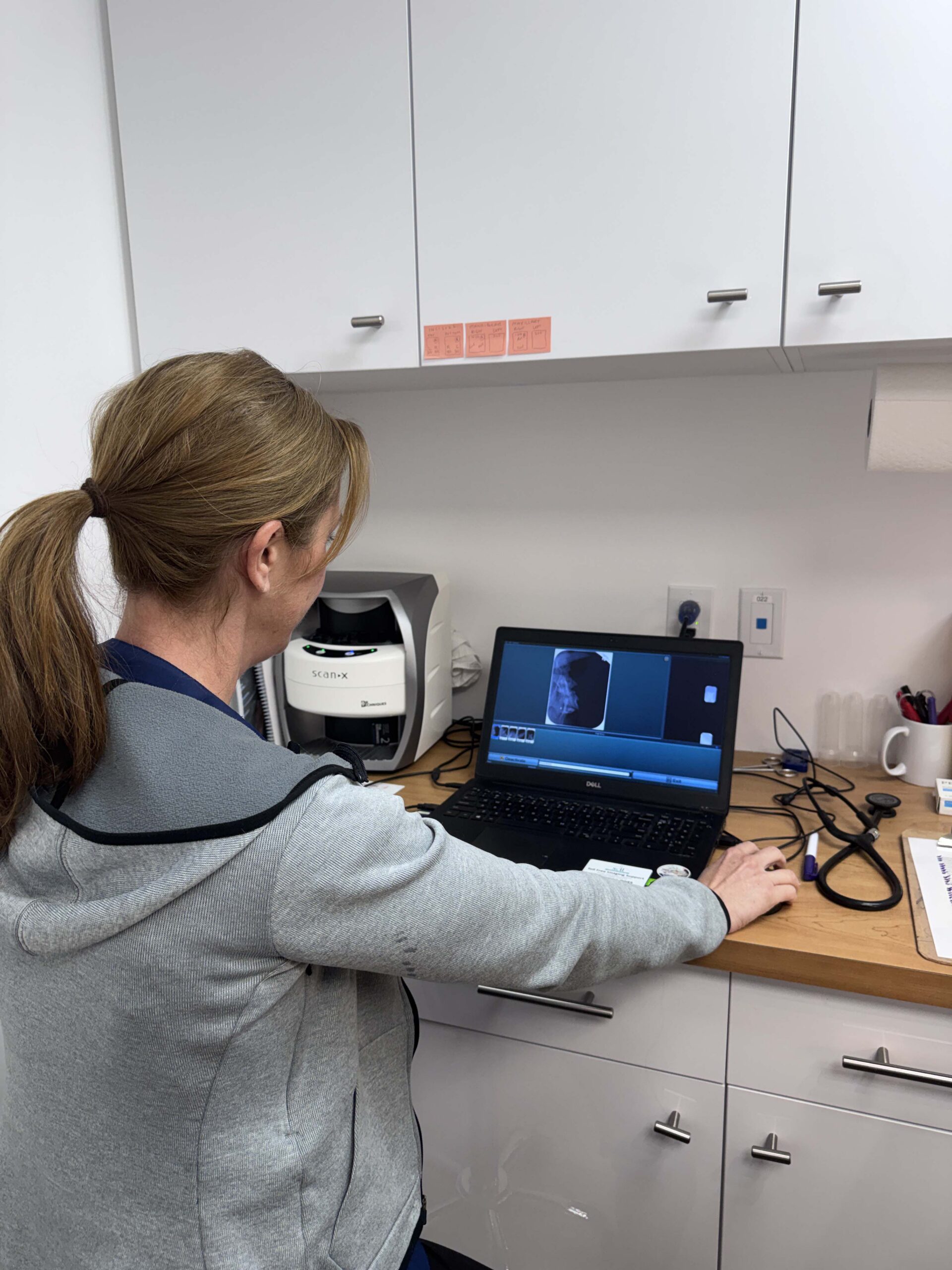
Dental radiographs, commonly called dental X-rays, are an extremely important part of veterinary dental care.
Much of a tooth’s structure exists below the gumline and cannot be evaluated visually during a routine examination. Dental radiographs allow veterinarians to identify hidden disease affecting the roots, surrounding bone, and deeper oral tissues.
X-rays may reveal tooth root abscesses, fractures, retained roots, bone loss, impacted teeth, or severe periodontal disease that would otherwise remain undetected.
In many cases, teeth that appear relatively normal externally may actually have significant painful disease beneath the surface.
Dental radiographs help ensure that treatment decisions are based on a complete understanding of your dog’s oral health.
Tooth Extractions in Dogs
Some teeth become too severely damaged or infected to save safely and comfortably. In these situations, extraction may be the best option for eliminating pain and infection.
Many owners feel nervous when they hear their dog may need tooth extractions, but removing painful diseased teeth often results in substantial improvement in comfort, appetite, energy levels, and quality of life.
Dogs generally adapt remarkably well following dental extractions and are usually much more comfortable afterward than they were living with chronic oral pain.
At Parkdale Animal Hospital, patient comfort and pain management are major priorities during every dental procedure. Our team carefully monitors patients throughout anesthesia and recovery while providing individualized pain control plans tailored to each patient’s needs.
Anesthesia Safety and Monitoring
Understandably, anesthesia is one of the most common concerns owners have regarding dental procedures.
Modern veterinary anesthesia is highly individualized and carefully monitored. Before anesthesia, patients typically receive a physical examination and may undergo pre-anesthetic bloodwork to help evaluate organ function and identify potential risk factors.
During dental procedures, patients are closely monitored using advanced equipment that tracks heart rate, oxygen levels, blood pressure, respiratory rate, and temperature.
Tailored anesthesia protocols allow us to select medications appropriate for each dog’s age, medical history, and overall health condition.
Safety remains a top priority throughout every stage of the procedure. Click here for more information about anesthetic safety at Parkdale Animal Hospital.
Home Dental Care for Dogs
Professional dental cleanings are extremely important, but home dental care also plays a major role in maintaining oral health between procedures.
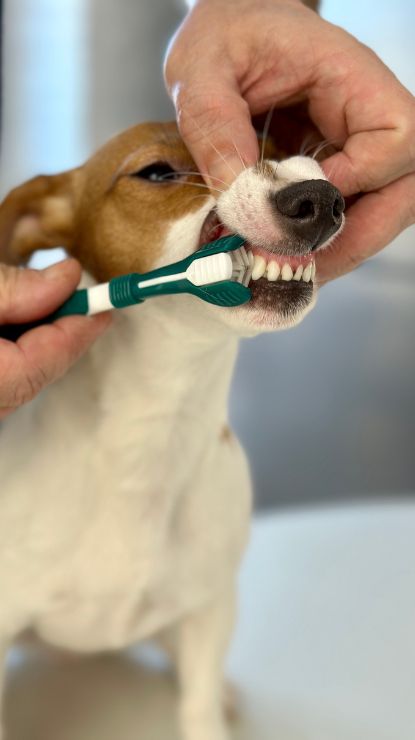
Daily tooth brushing remains one of the most effective ways to reduce plaque accumulation and slow progression of periodontal disease. While many owners assume dogs will not tolerate brushing, most dogs can learn to accept it gradually with positive reinforcement and patience.
Veterinary-approved dental diets, dental chews, water additives, and oral hygiene products may also help support oral health when used appropriately. When selecting dental products for your dog, it is helpful to look for the Veterinary Oral Health Council (VOHC) seal. The VOHC seal indicates that a product has been scientifically tested and shown to help reduce plaque and/or tartar accumulation in pets. Because many dental products are marketed with limited scientific evidence, the VOHC seal can help owners identify products that have demonstrated measurable dental benefits.
Not all dental products are equally effective, so it is important to discuss safe and evidence-based options with your veterinarian. It is also important to remember that some very hard chews and toys, including antlers, bones, and hard nylon products, may increase the risk of painful tooth fractures in some dogs.
Consistency is far more important than perfection. Even small improvements in home dental care routines can provide meaningful long-term benefits.
Dental Care for Puppies
Good dental habits begin early in life. Puppies benefit from positive early experiences involving tooth brushing, oral handling, and routine examinations.
Establishing healthy dental routines during puppyhood often makes lifelong home care significantly easier.
Monitoring dental development also allows veterinarians to identify retained baby teeth, bite abnormalities, or other developmental concerns before they create larger problems later on.
Dental Care for Senior Dogs
Senior dogs are especially prone to advanced dental disease and often benefit greatly from regular oral health assessments.
Many older dogs experience chronic oral pain silently for long periods before owners recognize symptoms. Treating dental disease in senior pets can often improve appetite, energy levels, comfort, mobility, and overall quality of life far more than owners expect.
Age alone does not automatically prevent dogs from safely undergoing dental treatment. Individual health status, diagnostic findings, and anesthetic planning are all considered carefully when evaluating senior patients.
Preventing Dental Disease
Preventive care remains the best approach to maintaining long-term oral health.
Routine veterinary examinations combined with consistent home dental care can help reduce tartar accumulation, infection, pain, tooth loss, and the need for more advanced dental procedures later in life.
Because dental disease progresses gradually, regular monitoring allows problems to be identified and treated earlier when intervention is often simpler and more effective.
At Parkdale Animal Hospital, we are committed to providing high-quality dental care in a safe, compassionate, and supportive environment. We understand dental procedures can feel stressful for owners, and our team takes the time to explain examination findings, treatment recommendations, anesthesia protocols, and recovery expectations clearly and thoroughly.
Our goal is always to improve your dog’s comfort, health, and long-term wellbeing.
If your dog has bad breath, tartar buildup, oral discomfort, or has not had a recent dental examination, contact our team today at 519-885-1200 or click here to schedule a dental assessment.