
Dog Spay and Neuter
Spaying and neutering are among the most common surgical procedures performed in veterinary medicine and are an important part of preventive healthcare for dogs.
Dog Spay and Neuter Services
These procedures not only help prevent unwanted litters, but they also provide a variety of long-term health and behavioural benefits that can improve your dog’s overall quality of life.
At Parkdale Animal Hospital, we understand that choosing a veterinarian for your dog is an important decision. Our veterinary team is committed to providing compassionate, individualized care while prioritizing safety, comfort, and pain management throughout every stage of the procedure. We use modern surgical techniques, advanced anesthesia monitoring, and comprehensive recovery protocols to help ensure your dog receives the highest standard of care.
Whether you have recently welcomed a new puppy into your family or are considering surgery for an older dog, our team is here to guide you through the process, answer your questions, and help you make informed decisions about your pet’s health.
What Is the Difference Between Spaying and Neutering?
Spaying refers to the surgical sterilization procedure performed on female dogs. During a spay surgery, the reproductive organs (uterus and ovaries) are removed to prevent pregnancy and eliminate heat cycles.
Neutering refers to the sterilization procedure performed on male dogs. During neuter surgery, the testicles are removed, preventing reproduction and reducing hormone-driven behaviours associated with intact males.
Both procedures are performed under general anesthesia and are considered routine surgeries in veterinary medicine. While these procedures are common, every patient receives individualized care and monitoring based on their age, breed, health status, and specific needs.
The Benefits of Spaying and Neutering
Spaying and neutering offer many important benefits for both pets and their families. In addition to preventing unplanned litters, these procedures can reduce the risk of certain medical conditions and behavioural concerns.
One of the most significant benefits of spaying female dogs is the prevention of uterine infections and a greatly reduced risk of mammary cancer when performed early in life. Pyometra, a severe and potentially life-threatening uterine infection, is commonly seen in unspayed female dogs and often requires emergency surgery. Spaying completely eliminates the risk of this condition.
Spaying also eliminates heat cycles, which can be stressful for both dogs and owners. Female dogs in heat may experience behavioral changes, vaginal bleeding, increased vocalization, restlessness, and attraction from male dogs in the area.
Neutering male dogs can help reduce hormone-driven behaviours such as roaming, mounting, urine marking, and some forms of territorial aggression. Intact male dogs are often more likely to wander in search of a mate, increasing the risk of injury, getting lost, or being involved in accidents.
Neutering also eliminates the risk of testicular cancer and may reduce the likelihood of certain prostate conditions later in life.
Beyond the individual health benefits, spaying and neutering also play an important role in reducing dog overpopulation. Every year, many unwanted dogs enter shelters or rescue organizations due to accidental litters. Preventive sterilization helps reduce the number of homeless dogs in the community.
When Should a Dog Be Spayed or Neutered?
The ideal timing for spay or neuter surgery is not always the same for every dog. Recommendations can vary depending on breed, size, growth patterns, lifestyle, and medical history.
Traditionally, many dogs were spayed or neutered around six months of age. However, recent research has shown that timing may affect growth and development differently depending on the breed and size of the dog. Larger breed dogs, for example, may benefit from waiting longer before surgery to allow for proper skeletal development.
Some medical or behavioural factors may also influence the recommended timing of surgery. Female dogs with repeated false pregnancies, males with significant hormone-driven behaviours, or dogs with certain medical concerns may require individualized recommendations.
At Parkdale Animal Hospital, we take a personalized approach when discussing spay and neuter timing. Our veterinary team will evaluate your dog’s breed, age, lifestyle, and overall health to help determine the most appropriate plan for your pet.
Preparing for Surgery
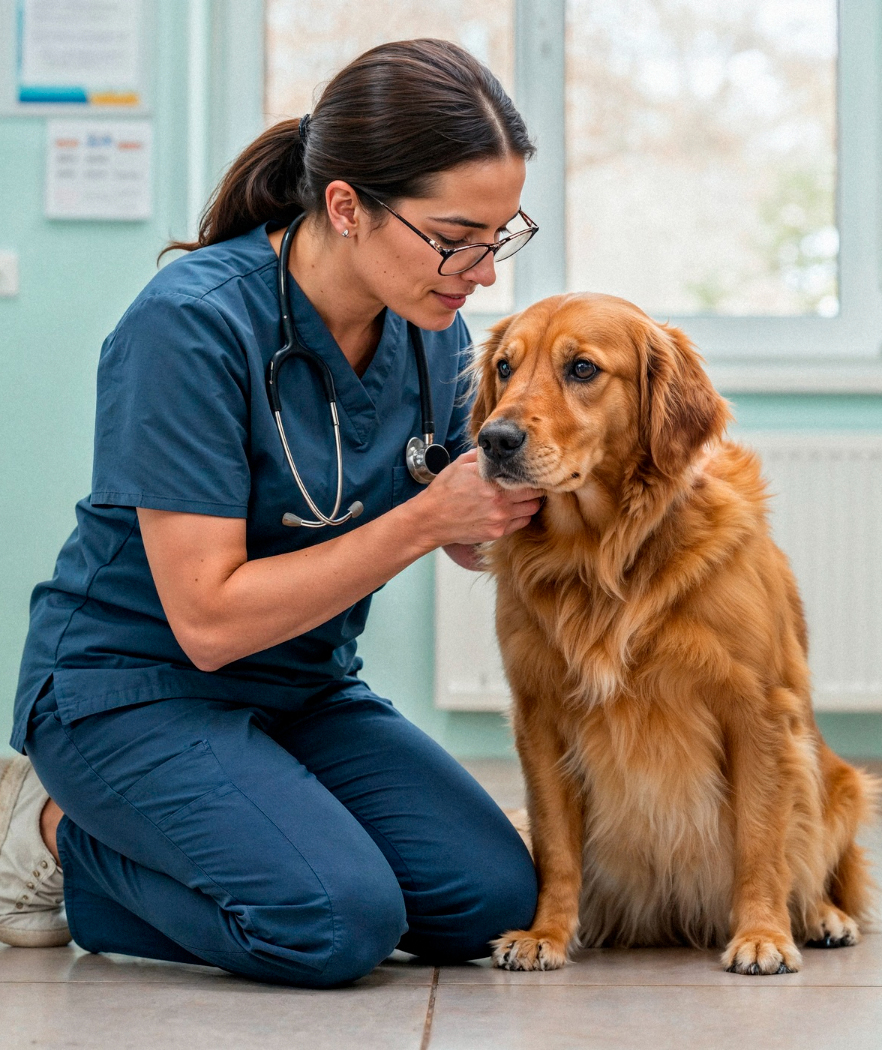
Before surgery, your dog will undergo a thorough physical examination to help ensure they are healthy enough for anesthesia and surgery. This examination allows the veterinary team to identify any concerns that may need further evaluation before proceeding.
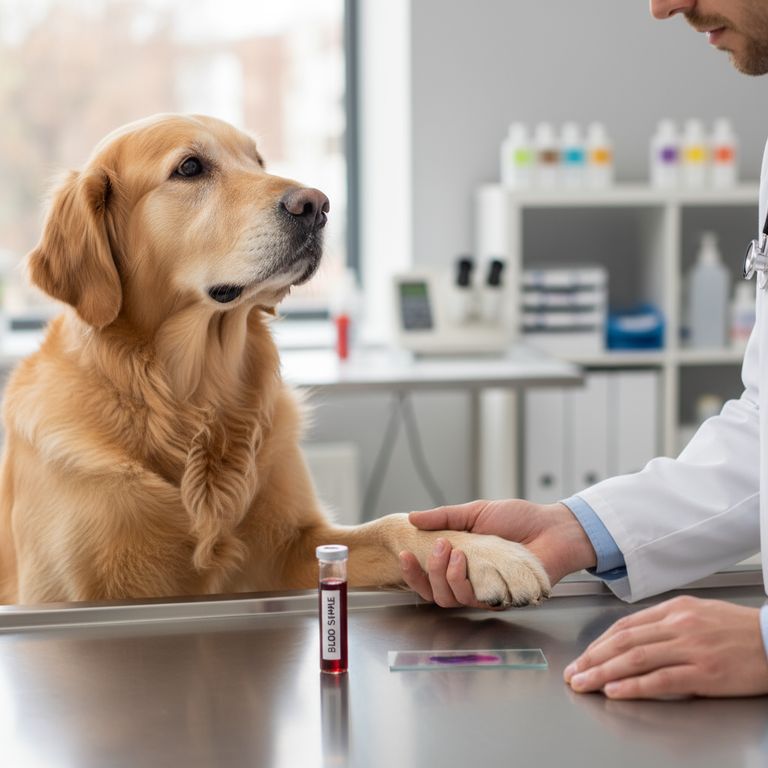
Pre-anesthetic bloodwork is often recommended prior to surgery. Blood testing helps assess organ function, blood sugar levels, hydration status, and overall health. Even young and seemingly healthy pets can occasionally have underlying abnormalities that are not visible during a physical examination alone.
Depending on your dog’s age or medical history, additional screening tests may sometimes be recommended.
Owners are given instructions regarding fasting prior to surgery. In most cases, food is withheld overnight before anesthesia, although access to water may still be permitted depending on your veterinarian’s recommendations.
Our team understands that surgery day can feel stressful for pet owners. We are always happy to answer questions beforehand and ensure you feel informed and comfortable throughout the process.
What Happens During Spay or Neuter Surgery?
On the day of surgery, your dog will first receive a pre-anesthetic assessment and individualized anesthetic plan. Safety during anesthesia is one of our highest priorities.
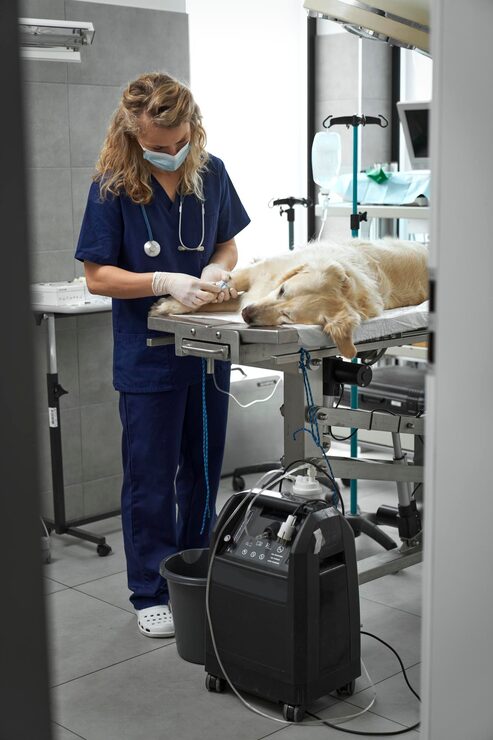
Patients are placed under general anesthesia so they remain fully asleep, pain-free, and unaware during the procedure. Throughout surgery, trained veterinary professionals continuously monitor vital signs including heart rate, respiratory rate, blood pressure, oxygen levels, temperature, and anesthetic depth.
Modern monitoring equipment allows the surgical team to carefully track your pet’s condition throughout the procedure and respond immediately if adjustments are needed.
Pain management begins before surgery even starts and continues throughout the entire procedure and recovery period. Managing pain proactively helps reduce stress, improve healing, and increase comfort after surgery.
During a spay procedure, the reproductive organs (uterus and ovaries) are surgically removed through an abdominal incision. During a neuter procedure, the testicles are removed through a smaller surgical incision just in front of the scrotum.
Every patient receives sterile surgical preparation and careful surgical technique designed to minimize discomfort and support healing.
Pain Management and Patient Comfort
Many pet owners worry about pain after surgery, which is completely understandable. Fortunately, veterinary medicine has advanced significantly in recent years, and pain management is now considered a critical part of surgical care.
At Parkdale Animal Hospital, pain control protocols are tailored to each patient. Dogs receive pain medication before surgery, during anesthesia, and after the procedure to help keep them comfortable throughout recovery.
Pain medications may include injectable medications administered in the hospital as well as oral medications sent home for continued care.
Most dogs recover surprisingly well after spay or neuter surgery, especially when activity restrictions and medication instructions are followed carefully. While some mild tiredness or decreased appetite can occur temporarily after anesthesia, many dogs are back to their usual personalities within a few days.
Recovery After Surgery
The recovery period following spay or neuter surgery is an important part of the healing process. Most dogs recover very well at home when proper instructions are followed.
After surgery, your dog may feel sleepy or quieter than normal for the first evening due to the effects of anesthesia and medication. This is usually temporary and improves within the next day.
Activity restriction is extremely important during recovery. Running, jumping, rough play, and excessive activity can place strain on the incision and increase the risk of swelling or complications. Most dogs require restricted activity for approximately 10 to 14 days following surgery.
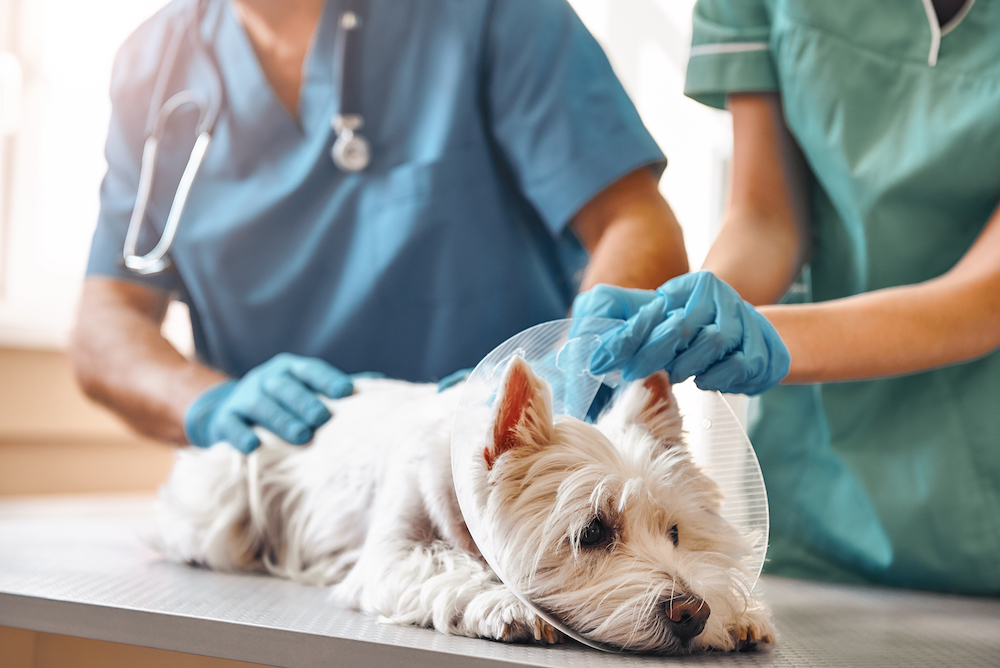
Your dog’s incision should be monitored daily for redness, swelling, discharge, or excessive licking. Preventing licking is very important because it can lead to irritation, infection, or opening of the incision. An e-collar or recovery cone will be sent home to protect the surgical site during healing.
Owners will receive detailed discharge instructions outlining feeding recommendations, medication schedules, incision monitoring, and signs of potential complications to watch for at home.
Common Myths About Spaying and Neutering
There are many misconceptions surrounding spay and neuter surgery, and it is understandable for pet owners to have questions or concerns.
One common myth is that spaying or neutering will dramatically change a dog’s personality. In reality, these procedures do not change a dog’s core personality traits. Your dog will still remain the same loving companion they were before surgery. However, some hormone-driven behaviours may decrease over time.
Another common concern is weight gain after surgery. While metabolism can change slightly following sterilization, weight gain is not inevitable. Proper nutrition, portion control, and regular exercise are the most important factors in maintaining a healthy body condition.
Some owners also believe that female dogs should experience one heat cycle or have a litter before being spayed. There is no medical benefit to allowing a dog to have puppies before surgery, and delaying spaying can increase the risk of certain health conditions.
Our veterinary team is always available to discuss concerns, provide evidence-based information, and help owners make decisions that are best for their pets.
Why Choose Parkdale Animal Hospital?
At Parkdale Animal Hospital, we understand that every dog is unique. Our goal is to provide safe, compassionate surgical care while supporting both pets and their families throughout the entire experience.
From pre-surgical planning and anesthesia monitoring to pain management and recovery support, our team is committed to treating every patient with the same care and attention we would want for our own pets.
We believe that education and communication are an important part of veterinary care. We take the time to answer questions, explain procedures clearly, and ensure owners feel comfortable and informed before, during, and after surgery.
Click here for more information about anesthetic procedures at Parkdale Animal Hospital.
Schedule a Spay or Neuter Consultation
Spaying or neutering is an important investment in your dog’s long-term health and well-being. Whether you are considering surgery for a young puppy or discussing options for an older dog, our team is here to help guide you through the process.
To learn more about spay and neuter surgery or to schedule a consultation, contact Parkdale Animal Hospital by phone at 519-885-1200 or click here.