
Cat Medications
Giving medication to a cat is not always easy.
Cat Medications and Tips for Giving Medication at Home
While some cats accept medication without much trouble, many are experts at detecting hidden pills, avoiding restraint, or disappearing the moment they sense something unusual is about to happen. Medication time can quickly become stressful for both cats and owners, especially when treatment needs to continue for several days or weeks.
At Parkdale Animal Hospital, we understand that administering medication to cats can feel intimidating or frustrating at times. Our goal is not only to prescribe appropriate treatment, but also to help owners feel more comfortable and confident giving medications safely and effectively at home.
Medications can come in many forms including tablets, capsules, liquids, topical medications, eye drops, ear medications, injections, and transdermal formulations. Every cat is different, and sometimes finding the best method of administration requires flexibility, creativity, and patience.
Most importantly, medication should never feel like a battle whenever possible. Reducing stress and maintaining trust between cats and owners is an important part of successful long-term treatment.
Why Medications Are Important in Cats
Cats may require medication for many different reasons throughout their lives.
Medications are commonly used to help manage:
- Infections
- Pain and inflammation
- Allergies
- Diabetes
- Anxiety and stress
- Heart disease
- Kidney disease
- Hyperthyroidism
- Eye and ear conditions
- Gastrointestinal disease
- Parasites
Some medications are short-term treatments, while others may become part of a long-term management plan for chronic conditions.
Because cats are extremely sensitive animals, medications should always be prescribed specifically for them. Certain medications that are safe for people or dogs can be highly toxic to cats, even in very small amounts.
For this reason, owners should never give over-the-counter or human medications unless specifically instructed to do so by a veterinarian.
Tips for Giving Oral Tablets and Capsules
Pills are often one of the biggest challenges for cat owners.
Cats are extremely skilled at detecting medication hidden in food and may spit pills out surprisingly effectively. However, a few small adjustments can sometimes make oral medication much easier.
One of the most helpful strategies is to remain calm and confident. Cats often become more anxious if they sense hesitation or frustration from their owner.
Whenever possible:
- Prepare everything ahead of time
- Choose a quiet environment
- Keep the process quick and calm
- Reward afterward if possible
Some cats will accept pills hidden in soft treats, canned food, pill pockets, cream cheese, plain yogurt, or small amounts of Churu-style treats. For particularly suspicious cats, placing the medication inside a very small “special” treat given only during medication time may help build a more positive association.
Many owners also find success using:
- Marshmallow pieces
- Tuna
- Sardines
- Meatballs made from canned food
- Butter or cream cheese coatings
However, not every medication can safely be crushed or hidden in food. Some medications have protective coatings or taste extremely bitter once altered, so owners should always confirm with their veterinarian before crushing tablets or opening capsules.
How to Give a Pill Directly
Some cats require direct pilling rather than hiding medication in food.
When giving a pill directly:
- Gently hold the top of the head
- Tilt the nose slightly upward
- Open the lower jaw carefully
- Place the pill as far back on the tongue as possible
- Close the mouth gently
- Encourage swallowing afterward
Following the pill with a small amount of water or food is often important because certain medications can irritate the esophagus if they remain stuck.
Pill guns or pill poppers may also help some owners administer medication more safely and efficiently.
If direct pilling becomes extremely stressful or unsafe, owners should contact the clinic to discuss alternative formulations or strategies rather than continuing a negative struggle at home.
Tips for Giving Liquid Medications
Some cats tolerate liquid medication more easily than tablets, while others strongly dislike the taste or sensation.
Liquid medications are typically administered slowly into the side of the mouth rather than directly down the throat.
Helpful tips include:
- Insert the syringe gently behind the canine teeth
- Administer the medication slowly
- Allow swallowing between small amounts
- Avoid tilting the head too far backward
- Stay calm and gentle
Giving liquid medication too quickly may increase the risk of aspiration or cause the cat to panic.
Some pharmacies can also compound medications into flavored liquids specifically designed for cats. While flavoring sometimes improves acceptance, cats can still be very particular about tastes and textures.
Transdermal Medications for Cats
Certain medications may be compounded into transdermal formulations that are absorbed through the skin, usually applied to the inside of the ear flap.
These medications are especially helpful for cats who are extremely difficult to medicate orally.
Transdermal medications are commonly used for certain chronic conditions such as hyperthyroidism.
Owners should always:
- Wear gloves if instructed
- Apply only the prescribed amount
- Alternate ears when directed
- Keep medication away from children and other pets
Not every medication can be absorbed effectively through the skin, so transdermal options are only appropriate for certain drugs.
Giving Eye Medications to Cats
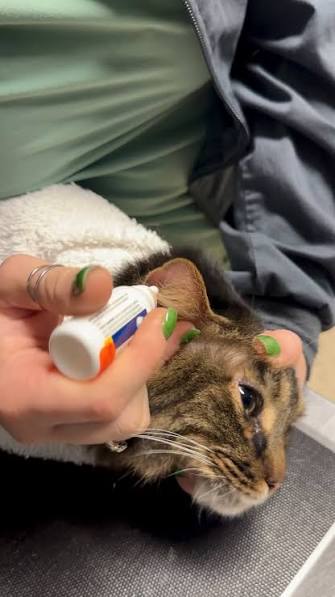
Eye medications can feel intimidating initially, particularly if the eye is already painful or irritated.
Fortunately, many cats tolerate eye medications better than owners expect once a consistent routine is established.
Helpful tips for eye medications include:
- Stay calm and gentle
- Avoid sudden movements
- Hold the medication ready beforehand
- Gently stabilize the head
- Apply drops from above rather than directly approaching the eye head-on
Most eye drops only require a single drop to be effective. More is not better.
For ointments, a small ribbon of medication is typically applied along the lower eyelid.
If multiple eye medications are prescribed, spacing them several minutes apart is often recommended so each medication has time to absorb properly.
Because eye conditions can worsen quickly, consistency with treatment is extremely important.
Giving Ear Medications to Cats
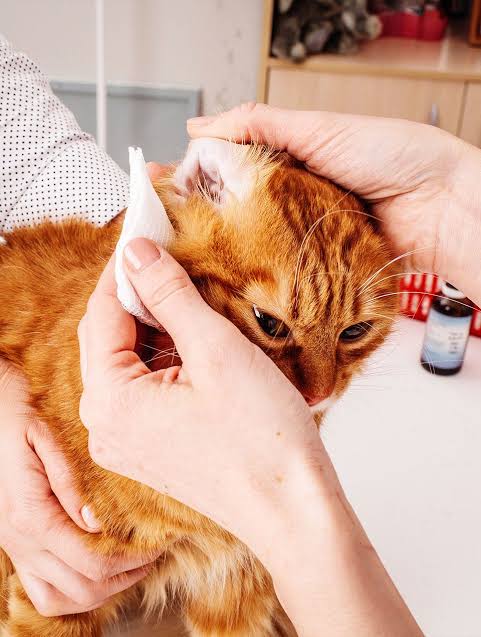
Ear medications are commonly prescribed for infections, inflammation, mites, or irritation.
Cats may dislike ear handling if the ears are painful, so gentle restraint and calm handling are important.
Helpful tips include:
- Lift the ear flap gently
- Apply medication into the ear canal
- Massage the base of the ear afterward
- Allow the cat to shake their head afterward if needed
Some cats respond better when medication is administered during calm moments such as meal times or cuddling sessions rather than chasing or restraining them suddenly.
Owners should avoid inserting cotton swabs deeply into the ear canal because this may cause injury or push debris further inward.
Topical Medications and Flea Prevention
Topical medications are commonly used for flea, tick, and parasite prevention in cats.
These medications are usually applied to the skin between the shoulder blades where cats cannot easily lick them off.
When applying topical medications:
- Separate the fur completely
- Apply directly to the skin rather than the haircoat
- Prevent other pets from grooming the area
- Allow the product to dry fully
Because cats are highly sensitive to certain chemicals, only veterinarian-approved products labeled specifically for cats should be used.
Dog flea products should never be used on cats unless specifically directed by a veterinarian, as some ingredients can be extremely toxic to cats.
Injectable Medications for Cats
Some medications are given by injection either in the clinic or occasionally at home.
Common examples include:
- Insulin for diabetic cats
- Certain arthritis medications
- Vitamin injections
- Fluids for chronic kidney disease
Many owners feel nervous initially about giving injections, but most become surprisingly comfortable with practice and guidance.
Cats often tolerate injections much better than owners expect, especially when routines remain calm and predictable.
Our team demonstrates proper technique carefully and works closely with owners to ensure they feel confident and comfortable before administering injections independently at home.
Tips for Reducing Stress During Medication Time
One of the most important aspects of medicating cats is minimizing stress whenever possible.
Medication struggles can damage trust and make future treatments increasingly difficult.
Helpful strategies may include:
- Keeping routines predictable
- Using rewards afterward
- Staying calm and confident
- Avoiding punishment or frustration
- Using towels for gentle restraint if needed
- Giving breaks if stress escalates
- Administering medications during calm moments
Some cats also respond very well to food-based rewards immediately after medication administration.
For highly fearful cats, veterinarians may recommend pre-visit or anti-anxiety medications to reduce stress surrounding treatment.
What to Do If You Miss a Dose
Missing a medication dose occasionally happens, particularly in busy households or with difficult-to-medicate cats.
Owners should avoid doubling doses unless specifically instructed by a veterinarian.
If a dose is missed or a cat spits medication out, contacting the clinic for guidance is often the safest approach. Recommendations may vary depending on the medication involved and the timing of the missed dose.
Monitoring for Side Effects
Like all medications, veterinary medications may occasionally cause side effects.
Potential side effects vary depending on the medication but may include:
- Vomiting
- Diarrhea
- Decreased appetite
- Lethargy
- Behavioural changes
- Increased thirst
- Skin irritation
Owners should contact the clinic if they notice concerning symptoms or sudden changes after starting a medication.
Monitoring is especially important with long-term medications because periodic bloodwork or follow-up testing may be necessary to ensure treatment remains both safe and effective.
Never Stop Medications Abruptly Without Guidance
Certain medications should never be stopped suddenly without veterinary guidance.
Abruptly discontinuing some drugs may worsen disease control or create additional complications.
If medication administration becomes difficult, owners should contact the clinic rather than simply discontinuing treatment at home. In many cases, alternative formulations or strategies can be explored.
Working Together to Help Your Cat
At Parkdale Animal Hospital, we understand that medicating cats is not always straightforward. Every cat has a different personality, tolerance level, and comfort zone, and sometimes finding the right approach requires patience and flexibility.
Our goal is to work together with owners to create realistic treatment plans that prioritize both medical care and quality of life. We believe owners should feel comfortable asking questions, discussing challenges, and exploring alternative options if medication administration becomes stressful or overwhelming.
As an independently owned hospital, we focus on individualized care, honest communication, and relationship-based medicine centered around what works best for both the cat and family involved.
Whether your cat requires short-term antibiotics, chronic pain management, insulin therapy, eye medications, parasite prevention, or long-term disease management, our team is here to help guide and support you every step of the way.
If you have questions about your cat’s medications or are struggling with medication administration at home, please contact Parkdale Animal Hospital by phone at 519-885-1200 or click here to schedule an appointment. We are always happy to help troubleshoot techniques, discuss alternative options, and support both you and your cat throughout treatment.