
Cat Diagnostic Imaging
Cats are experts at hiding pain and illness. In many cases, the first signs something is wrong are subtle.
Cat Diagnostic Imaging
Your cat may sleep more often, hesitate before jumping, eat differently, hide more than usual, or simply seem “off.” Because cats instinctively mask discomfort, important medical conditions can progress quietly before obvious symptoms appear at home.
Diagnostic imaging helps us look beneath the surface to better understand what your cat is experiencing. At Parkdale Animal Hospital, advanced imaging technology allows our veterinary team to evaluate areas of the body that cannot be assessed through a physical examination alone. Whether your cat is dealing with vomiting, limping, dental pain, breathing concerns, urinary issues, or unexplained behavioural changes, diagnostic imaging often provides critical information that helps guide the next steps in their care.
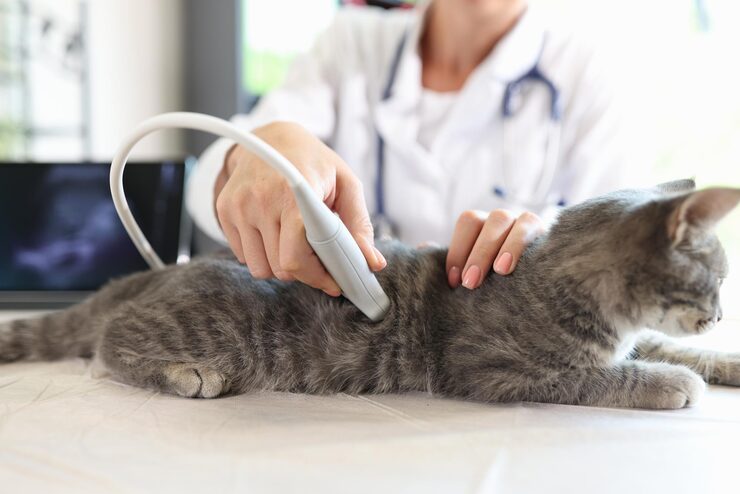
Our hospital uses modern digital imaging tools including body x-rays, dental x-rays, and ultrasound. These technologies help us diagnose illness earlier, monitor ongoing conditions, evaluate injuries, and create more tailored treatment plans for each individual patient.
Most importantly, diagnostic imaging allows us to make more informed decisions for your cat while minimizing unnecessary guesswork. Our goal is always to provide clear answers, thoughtful recommendations, and compassionate care centered around both you and your cat.
Why Diagnostic Imaging Is Important for Cats
Cats are very different from dogs when it comes to showing illness and pain. Many cats continue eating, walking, and behaving relatively normally even when significant disease is present. By the time obvious symptoms develop, conditions may already be more advanced.
Diagnostic imaging gives veterinarians the ability to see what is happening internally in a safe and non-invasive way. It allows us to evaluate bones, joints, teeth, organs, and soft tissues that cannot otherwise be fully assessed during a routine examination.
Imaging may help diagnose conditions such as:
- Arthritis and spinal disease
- Broken bones and injuries
- Dental disease hidden below the gumline
- Bladder stones
- Heart and lung disease
- Intestinal blockages
- Chronic gastrointestinal disease
- Kidney and liver abnormalities
- Foreign material ingestion
- Certain masses or tumors
In many cases, imaging allows us to identify problems earlier, before a cat’s quality of life is significantly affected. Earlier diagnosis often means earlier intervention, improved comfort, and more treatment options.
At Parkdale Animal Hospital, we focus heavily on tailoring recommendations to each individual cat. Some patients may require imaging urgently due to sudden symptoms or trauma, while others may benefit from imaging as part of monitoring chronic medical conditions or evaluating subtle changes that owners have noticed at home.
Cat X-Rays
Digital radiographs, more commonly known as x-rays, are one of the most frequently used diagnostic tools in veterinary medicine. X-rays use very small amounts of radiation to create images of structures inside the body, allowing veterinarians to evaluate areas that cannot be seen externally.
X-rays are especially useful for examining:
- Bones and joints
- The chest cavity
- The lungs
- The heart
- The abdomen
- The bladder
- Certain types of foreign material
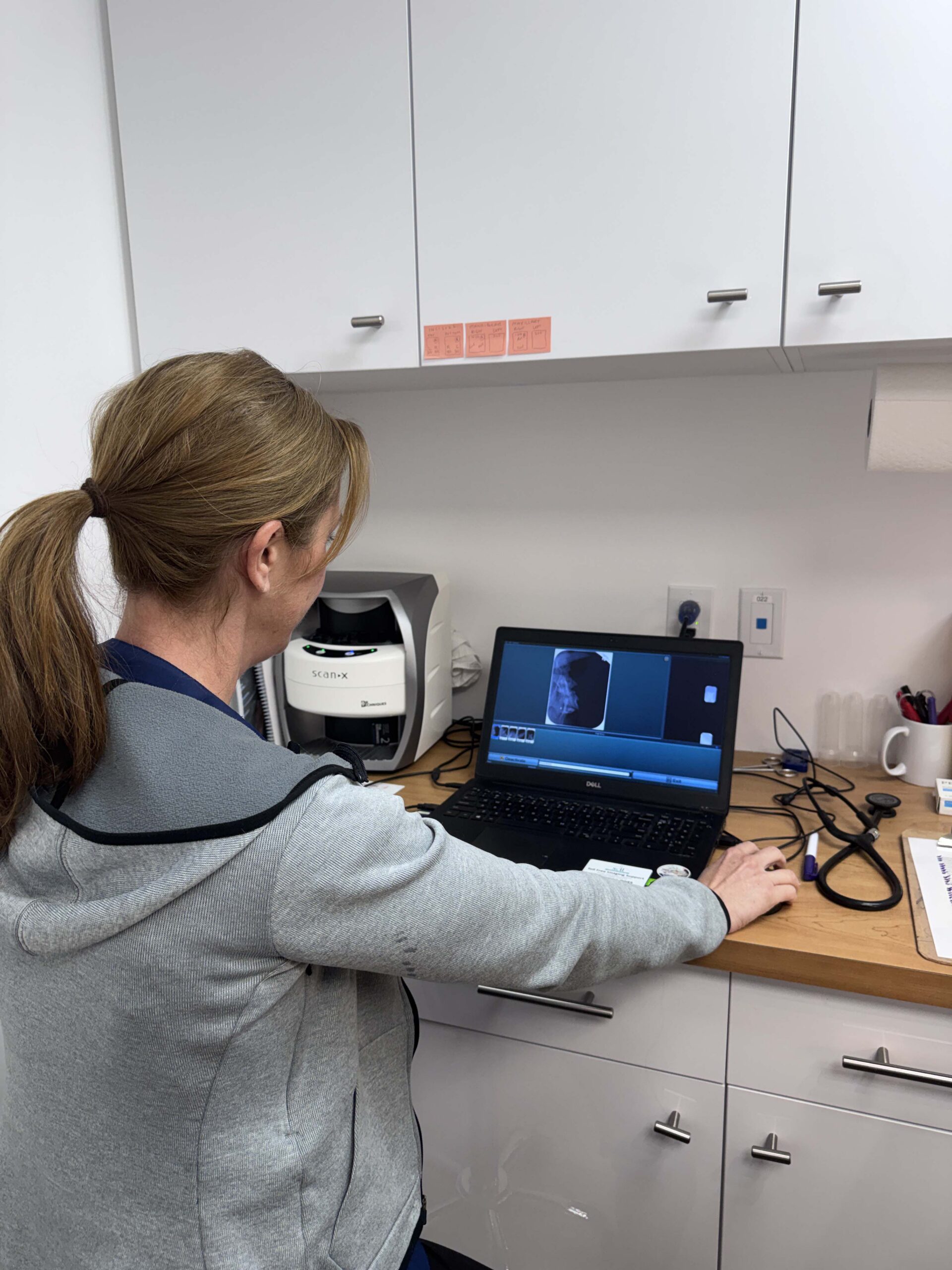
At Parkdale Animal Hospital, we use digital x-ray technology rather than traditional film x-rays. Digital imaging provides clearer images almost immediately, allowing our team to assess your cat more efficiently while reducing stress and handling time.
Digital technology also allows us to enlarge images and adjust contrast to better evaluate subtle abnormalities that may otherwise be difficult to detect. If needed, images can also be electronically shared with veterinary specialists for additional interpretation.
When Cats May Need X-Rays
X-rays are recommended for a wide variety of medical concerns. Sometimes they provide immediate answers. Other times, they help narrow down possible causes and determine whether additional testing may be beneficial.
Your veterinarian may recommend x-rays if your cat is experiencing:
- Limping or difficulty jumping
- Pain or stiffness
- Breathing changes or coughing
- Vomiting or diarrhea
- Weight loss
- Loss of appetite
- Difficulty urinating
- Trauma or suspected injury
- Chronic constipation
- Swelling or abdominal discomfort
For example, if a cat suddenly stops eating and begins vomiting, x-rays may help determine whether an intestinal blockage or swallowed foreign object is present. If a cat develops breathing difficulties, chest x-rays allow us to evaluate the lungs and heart. If arthritis or injury is suspected, orthopedic x-rays help assess bones and joints for abnormalities or degeneration.
Because cats often hide discomfort so well, imaging can play an especially important role in identifying problems that might otherwise remain undetected.
What to Expect During Your Cat’s X-Rays
Most x-rays are quick, painless, and non-invasive. Your cat will be gently positioned on an x-ray table while trained veterinary professionals obtain images from specific angles. Multiple views are usually required to provide the most complete assessment possible.
Some cats tolerate x-rays very well while awake. Others may require mild sedation, particularly if they are painful, anxious, stressed, or unable to comfortably remain still during positioning. Sedation is not only used for image quality. In many cases, it also helps reduce stress and makes the experience more comfortable for your cat.
At Parkdale Animal Hospital, minimizing fear and anxiety is an important part of our approach to cat care. We recognize that veterinary visits can feel stressful for some cats, and our team works carefully to make the process as calm and gentle as possible.
Modern digital x-rays use extremely low radiation levels and are considered very safe. Once the images are obtained, your veterinarian will review the findings with you and discuss any recommended next steps.
Cat Dental X-Rays
Dental disease is one of the most common medical conditions seen in cats, yet much of it occurs below the gumline where it cannot be seen during a routine oral examination.
This is why dental x-rays are such an important part of modern cat dentistry.
Many dental problems in cats are hidden beneath the surface. A tooth may appear relatively normal externally while significant pain, infection, or damage is occurring underneath the gums. Dental radiographs allow veterinarians to evaluate the roots of the teeth, surrounding bone, and other structures that would otherwise remain invisible.
Without dental x-rays, serious disease can easily be missed.
Why Dental X-Rays Matter in Cats
Cats are particularly prone to painful dental conditions such as tooth resorption. Tooth resorption occurs when the body begins breaking down the tooth structure over time. These lesions often develop below the gumline and may not be visible during a conscious oral exam.
Cats are also extremely good at hiding oral pain. Many continue eating despite advanced dental disease because eating is driven by survival instinct. Owners are often surprised to learn how uncomfortable their cat truly was once dental disease is identified and treated.
Dental x-rays help us evaluate:
- Tooth roots
- Bone surrounding the teeth
- Tooth resorption lesions
- Fractured teeth
- Infection and abscesses
- Retained tooth roots
- Bone loss from periodontal disease
- Developmental abnormalities
In many cases, dental x-rays significantly change treatment recommendations because they reveal disease that cannot otherwise be seen.
Following dental treatment, owners commonly notice positive changes such as improved appetite, increased grooming, more interaction, better energy levels, and a return to normal behaviours that may have slowly diminished over time.
Dental Imaging During Anesthesia
Dental x-rays are performed while your cat is under anesthesia during a professional dental procedure. This allows us to obtain detailed, high-quality images safely and comfortably without causing stress or discomfort.
At Parkdale Animal Hospital, anesthesia safety is taken extremely seriously. Every cat receives individualized anesthetic planning and continuous monitoring throughout their procedure and recovery.
Our team closely monitors parameters such as heart rate, oxygen levels, carbon dioxide levels, ECG, blood pressure, and temperature while your cat is under anesthesia. We also tailor anesthetic protocols based on your cat’s age, medical history, bloodwork results, and individual needs.
Full-mouth dental radiographs are often recommended because disease can exist even in areas that appear normal externally. Comprehensive imaging allows us to provide more accurate treatment and avoid leaving painful disease undetected.
Cat Ultrasound
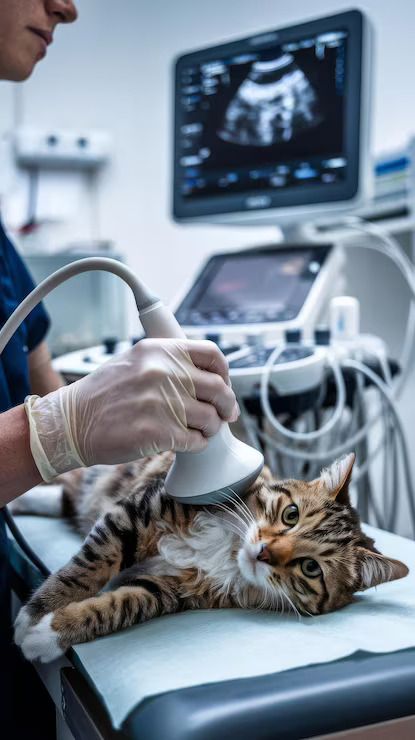
Ultrasound is another highly valuable imaging tool used in veterinary medicine. Unlike x-rays, which create still images, ultrasound uses sound waves to produce real-time images of internal organs and soft tissues.
Ultrasound allows veterinarians to examine structures in far greater detail than x-rays alone can provide, particularly when evaluating soft tissue organs.
Ultrasound is commonly used to assess:
- Liver
- Kidneys
- Bladder
- Spleen
- Intestines
- Pancreas
- Gallbladder
- Lymph nodes
- Fluid within the body
- Certain masses or abnormalities
Because ultrasound provides live imaging, it allows veterinarians to observe organ movement and tissue structure in real time.
When Cats May Need an Ultrasound
Ultrasound is often recommended when bloodwork, physical examination findings, symptoms, or x-rays indicate that more detailed imaging is needed.
Your veterinarian may recommend an ultrasound if your cat is experiencing:
- Chronic vomiting or diarrhea
- Weight loss
- Changes in appetite
- Increased thirst or urination
- Urinary concerns
- Abnormal bloodwork
- Abdominal pain
- Fluid buildup
- Suspected masses
- Chronic gastrointestinal disease
For example, bloodwork may show changes related to the liver or kidneys, but ultrasound helps us examine the structure of those organs more closely. Similarly, x-rays may reveal abnormal intestinal patterns, while ultrasound provides additional detail regarding intestinal thickness, layering, and surrounding tissues.
Ultrasound is often especially helpful in cats because many cat diseases can present with vague or subtle symptoms.
What to Expect During Your Cat’s Ultrasound
Ultrasound is painless, non-invasive, and does not involve radiation.
During the procedure, your cat is usually positioned comfortably on a padded surface while a small handheld probe is gently placed against the skin. Some fur usually needs to be clipped to improve contact and image quality.
Most cats tolerate ultrasound very well. Some patients may require mild sedation if they are particularly anxious or uncomfortable, but many remain awake and relaxed throughout the procedure.
The ultrasound probe sends sound waves into the body, which then bounce back to create detailed images on a monitor in real time. These images allow veterinarians to evaluate organ structure and identify abnormalities that may not be visible on x-rays alone.
In some situations, ultrasound may also help guide procedures such as obtaining urine samples or collecting small tissue samples for additional testing.
X-Rays vs Ultrasound: Understanding the Difference
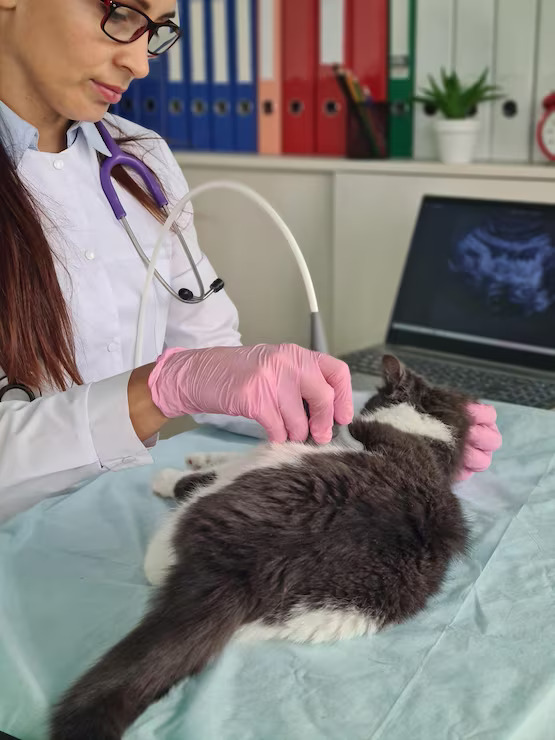
X-rays and ultrasound are not competing tests. Instead, they provide different types of information and often work together to give the clearest understanding of your cat’s condition.
X-rays are generally better for evaluating bones, joints, the lungs, the chest cavity, bladder stones, and certain foreign objects. They provide an excellent overview of body structure and are often one of the first imaging tools used during an investigation.
Ultrasound is generally better for evaluating soft tissues and internal organs in greater detail. It allows veterinarians to assess organ architecture, intestinal layering, fluid-filled structures, and subtle tissue abnormalities that may not appear clearly on x-rays.
In many cases, both imaging modalities complement one another and provide a more complete picture of your cat’s health.
Working Together to Provide Answers
At Parkdale Animal Hospital, diagnostic imaging is about much more than simply taking pictures. It is about helping us answer important medical questions, identify problems earlier, reduce uncertainty, and guide thoughtful treatment decisions for your cat.
We understand that recommendations for testing can sometimes feel overwhelming. Our team takes the time to explain why imaging is being recommended, what information we hope to gain, and how the results may influence your cat’s care moving forward.
We also recognize that every cat and every family is different. Recommendations are always tailored to the individual cat, their medical needs, and your goals for their care.
As an independently owned hospital, we are able to focus on what matters most: providing thorough, compassionate, relationship-based medicine centered around your cat’s wellbeing.
Whether your cat requires dental x-rays during a routine dental procedure, chest x-rays for breathing concerns, or an abdominal ultrasound to investigate chronic symptoms, our team is here to support you every step of the way.
If you have questions about feline diagnostic imaging or would like to learn more about the imaging services available at Parkdale Animal Hospital, we would be happy to help. Call us at 519-885-1200 or click here to schedule an appointment.