
Cat Preventative Care
Preventative care is one of the most important ways to help cats live longer, healthier, and more comfortable lives.
Cat Preventative Care and Wellness
Because cats are exceptionally skilled at hiding illness and discomfort, many medical conditions can develop quietly long before obvious symptoms appear at home. Routine preventative healthcare allows veterinarians to identify subtle concerns earlier, monitor changes over time, and help reduce the risk of more serious disease later in life.
At Parkdale Animal Hospital, we believe preventative care is about much more than vaccines or annual checkups. It involves building a long-term understanding of your cat’s overall health, lifestyle, behaviour, nutrition, mobility, and quality of life. Preventative medicine helps us create a foundation for lifelong wellness while also strengthening the relationship between owners, pets, and the veterinary team.
Our approach focuses on individualized care because no two cats are exactly alike. Age, lifestyle, medical history, behaviour, environment, and risk factors all influence what preventative healthcare recommendations may be most appropriate for your cat.
Whether you have a playful kitten, an active adult cat, or a senior companion entering their golden years, preventative care plays an essential role throughout every stage of life.
Why Preventative Care Matters for Cats
Cats naturally hide weakness and illness as a survival instinct. Because of this, even significant medical conditions may initially appear as only very subtle changes at home.
Some early signs of illness in cats may include:
- Sleeping more
- Decreased grooming
- Weight loss
- Increased thirst
- Changes in appetite
- Behavioural changes
- Reduced activity
- Vomiting
- Changes in litterbox habits
Unfortunately, by the time symptoms become obvious, disease may already be more advanced.
Preventative care helps veterinarians identify problems earlier through regular physical examinations, diagnostic testing, and ongoing monitoring. Early detection often allows for:
- Earlier intervention
- More treatment options
- Improved comfort
- Better long-term management
- Slower disease progression
- Improved quality of life
Routine wellness care also creates an opportunity for owners to ask questions, discuss concerns, and better understand what changes to monitor as their cat ages.
Routine Wellness Examinations
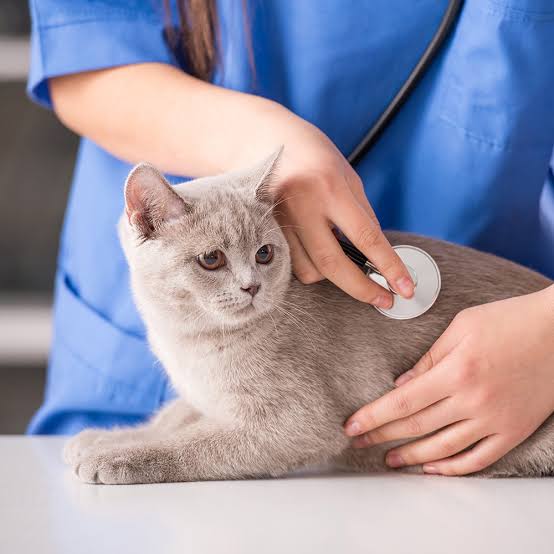
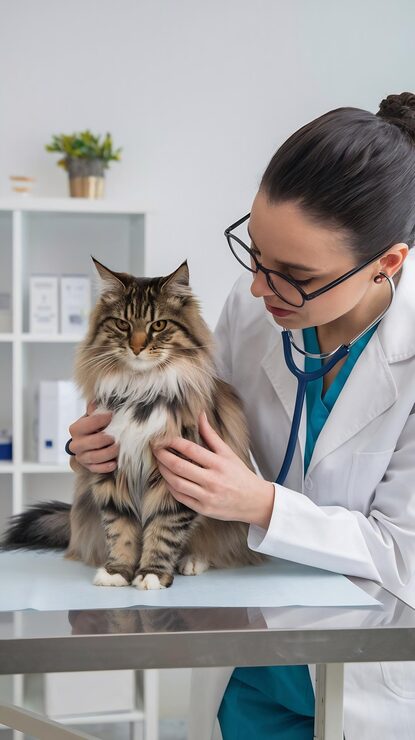
Regular physical examinations are one of the most important parts of preventative feline healthcare.
Even healthy-appearing cats benefit from routine veterinary visits because many medical conditions cannot be identified based on outward appearance alone.
During a wellness examination, veterinarians assess:
- Weight and body condition
- Heart and lung function
- Eyes and ears
- Oral health
- Skin and coat condition
- Hydration
- Mobility and joints
- Abdomen and internal organs
- Behaviour and overall demeanor
Subtle changes noted during physical examination may help identify medical concerns before symptoms become severe.
At Parkdale Animal Hospital, wellness visits are also an opportunity to discuss nutrition, behaviour, lifestyle, parasite prevention, mobility, dental health, and any questions owners may have regarding their cat’s care.
Preventative Care for Kittens
The first year of life is an especially important time for preventative healthcare.
Kittens experience rapid growth and development, and early veterinary care helps ensure they receive the support and protection needed during this critical stage.
Kitten preventative care commonly includes:
- Vaccinations
- Parasite prevention
- Growth monitoring
- Nutritional guidance
- Behaviour and socialization support
- Spay or neuter planning
- Microchipping
Early visits also help kittens become more comfortable with veterinary handling and medical care, which can significantly reduce stress during future appointments later in life.
Our goal is to create positive experiences whenever possible while helping owners feel confident navigating kitten care and development.
Vaccinations for Cats
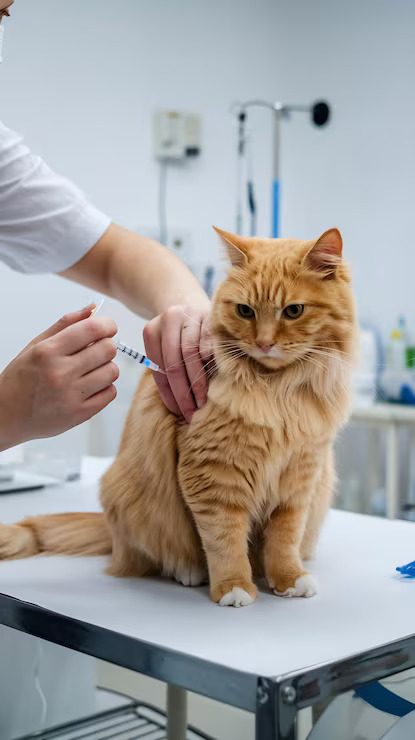
Vaccinations are an important component of preventative healthcare because they help protect cats against several potentially serious infectious diseases.
Core feline vaccines commonly help protect against:
- Feline panleukopenia
- Feline herpesvirus
- Feline calicivirus
- Rabies
Some cats may also benefit from additional vaccines depending on lifestyle and exposure risk.
Vaccination recommendations are not identical for every cat. Factors such as indoor versus outdoor lifestyle, exposure to other cats, travel, and medical history all influence vaccine planning.
At Parkdale Animal Hospital, we tailor vaccine recommendations to each individual patient while balancing protection with thoughtful preventative care.
Parasite Prevention
Preventing parasites is another important part of feline wellness care.
Cats may be exposed to parasites through:
Even indoor cats may still be at risk for certain parasites.
Preventative care may involve protection against:
- Fleas
- Ticks
- Heartworm Disease
- Intestinal Parasites
- Ear Mites
Parasites can contribute to skin irritation, gastrointestinal disease, allergic reactions, anemia, infectious disease transmission, and overall discomfort.
Routine prevention is often significantly easier and safer than treating an active infestation or parasite-related illness later.
Dental Preventative Care
Dental disease
Because cats hide discomfort so effectively, dental disease often progresses quietly over time.
Preventative dental care may include:
- Routine oral examinations
- Professional dental cleanings
- Dental x-rays
- Home dental care recommendations
- Monitoring for early disease
Maintaining oral health is important not only for comfort, but also for overall wellbeing. Chronic dental disease may contribute to inflammation, infection, and reduced quality of life.
Owners are often surprised by how much better their cat feels after painful dental disease is addressed.

Nutritional Preventative Care
Nutrition is one of the most important long-term investments owners can make in their cat’s health.
Proper nutrition helps support:
- Healthy weight maintenance
- Organ function
- Immune health
- Skin and coat quality
- Mobility
- Energy levels
Cats are obligate carnivores with very specific nutritional requirements. Diet recommendations should always consider:
- Age
- Lifestyle
- Body condition
- Medical conditions
- Activity level
At Parkdale Animal Hospital, nutritional guidance is individualized rather than “one-size-fits-all.” Some cats may benefit from prescription diets for disease management, while others require support with weight control, hydration, or gastrointestinal health.
Weight Management and Obesity Prevention
Obesity is one of the most common health concerns seen in cats today.
Excess weight increases the risk of numerous medical conditions including:
- Diabetes
- Arthritis
- Urinary disease
- Reduced mobility
- Grooming difficulties
- Cardiovascular strain
Unfortunately, gradual weight gain is often easy to overlook.
Routine wellness visits allow veterinarians to monitor body condition trends over time and intervene early before obesity begins significantly affecting health and quality of life.
Healthy weight management focuses on realistic, sustainable calorie control rather than rapid weight loss, which can be dangerous in cats.
Wellness Bloodwork and Early Disease Detection
Laboratory testing is an extremely valuable part of preventative healthcare because many cat diseases develop silently.
Routine bloodwork and urine testing may help detect:
- Kidney disease
- Hyperthyroidism
- Diabetes
- Liver abnormalities
- Anemia
- Urinary disease
- Electrolyte imbalances
Middle-aged and senior cats especially benefit from routine wellness screening because many chronic illnesses become increasingly common with age.
Early detection often allows treatment to begin sooner, potentially slowing disease progression and improving long-term comfort.
At Parkdale Animal Hospital, we frequently recommend baseline wellness bloodwork even for healthy-appearing cats because it provides valuable information for future comparison and monitoring.
Senior Cat Preventative Care
Senior cats often require more frequent monitoring because aging increases the risk of chronic disease.
Common conditions affecting older cats include:
- Kidney disease
- Hyperthyroidism
- Arthritis
- Dental disease
- Heart disease
- Weight loss
- Diabetes
Many age-related changes occur gradually and may initially appear subtle at home.
Preventative care for senior cats often involves:
- Routine bloodwork
- Urinalysis
- Blood pressure monitoring
- Weight tracking
- Mobility assessments
- Dental evaluations
- Nutritional adjustments
Our goal is not simply helping cats live longer, but helping them maintain comfort, mobility, and quality of life as they age.

Behavioural Health and Stress Management
Preventative care also involves emotional wellbeing and behavioural health.
Cats are highly sensitive animals, and stress may contribute to:
- Urinary disease
- Overgrooming
- Behavioural changes
- Appetite changes
- Anxiety
- Inter-cat conflict
Environmental enrichment is extremely important for feline wellbeing.
Healthy enrichment may include:
- Scratching posts
- Climbing structures
- Interactive toys
- Safe hiding spaces
- Window perches
- Predictable routines
At Parkdale Animal Hospital, we recognize that physical health and emotional wellbeing are closely connected. Behavioural concerns are often important indicators that something within the environment or medical condition may need attention.
Low-Stress Feline Veterinary Care
Many cats experience stress during veterinary visits, which can make preventative care feel challenging for owners.
Our team focuses heavily on gentle handling and minimizing fear and anxiety whenever possible.
Helping cats feel more comfortable may involve:
- Quiet handling techniques
- Gentle restraint
- Comfortable exam environments
- Calming recommendations before visits
- Allowing cats time to adjust
Positive veterinary experiences are especially important because they help make ongoing preventative care more manageable throughout life.
Building a Long-Term Relationship
Preventative healthcare works best when there is an ongoing relationship between the veterinary team, owner, and patient.
Routine visits allow veterinarians to better understand your cat’s:
- Personality
- Normal behaviour
- Medical history
- Lifestyle
- Long-term health trends
This familiarity often helps subtle changes become easier to recognize over time.
At Parkdale Animal Hospital, we strongly believe relationship-based medicine leads to better long-term care. Preventative medicine is not simply about checking boxes during annual visits. It is about partnering with owners to help cats remain healthy, comfortable, and supported throughout every stage of life.
Compassionate, Individualized Preventative Care
Preventative care is one of the most valuable ways to support your cat’s long-term health and quality of life. Through regular examinations, diagnostics, nutrition, parasite prevention, dental care, and early disease detection, we can often identify concerns sooner and help cats remain healthier and more comfortable as they age.
If you would like to schedule a wellness examination or discuss preventative healthcare for your cat, please contact Parkdale Animal Hospital at 519-885-1200 or click here. Our team is here to help support both you and your cat through every stage of life.