
Cat Microchipping
Cats are naturally curious animals. Even indoor cats may occasionally slip through open doors, push through damaged screens, dart into garages, or escape unexpectedly during stressful situations.
Cat Microchipping and Permanent Identification
Unfortunately, once a cat becomes lost, they can be extremely difficult to locate. Many frightened cats hide silently nearby rather than coming when called, and some travel much farther than owners expect.
At Parkdale Animal Hospital, we believe microchipping is one of the simplest and most effective ways to help protect cats throughout their lives. A microchip provides permanent identification that stays with your cat regardless of whether collars or tags are lost, removed, or damaged.
While collars and identification tags remain very important, microchips add an additional layer of protection that significantly increases the chances of a lost cat being reunited with their family.
Microchipping is quick, safe, and minimally invasive, yet it can make an enormous difference during an emergency or unexpected situation.
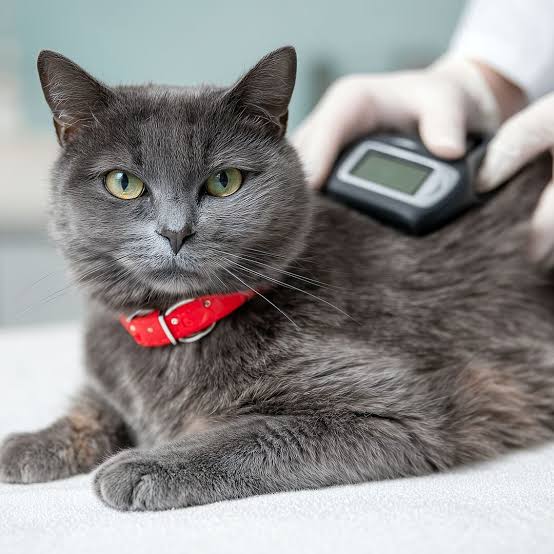
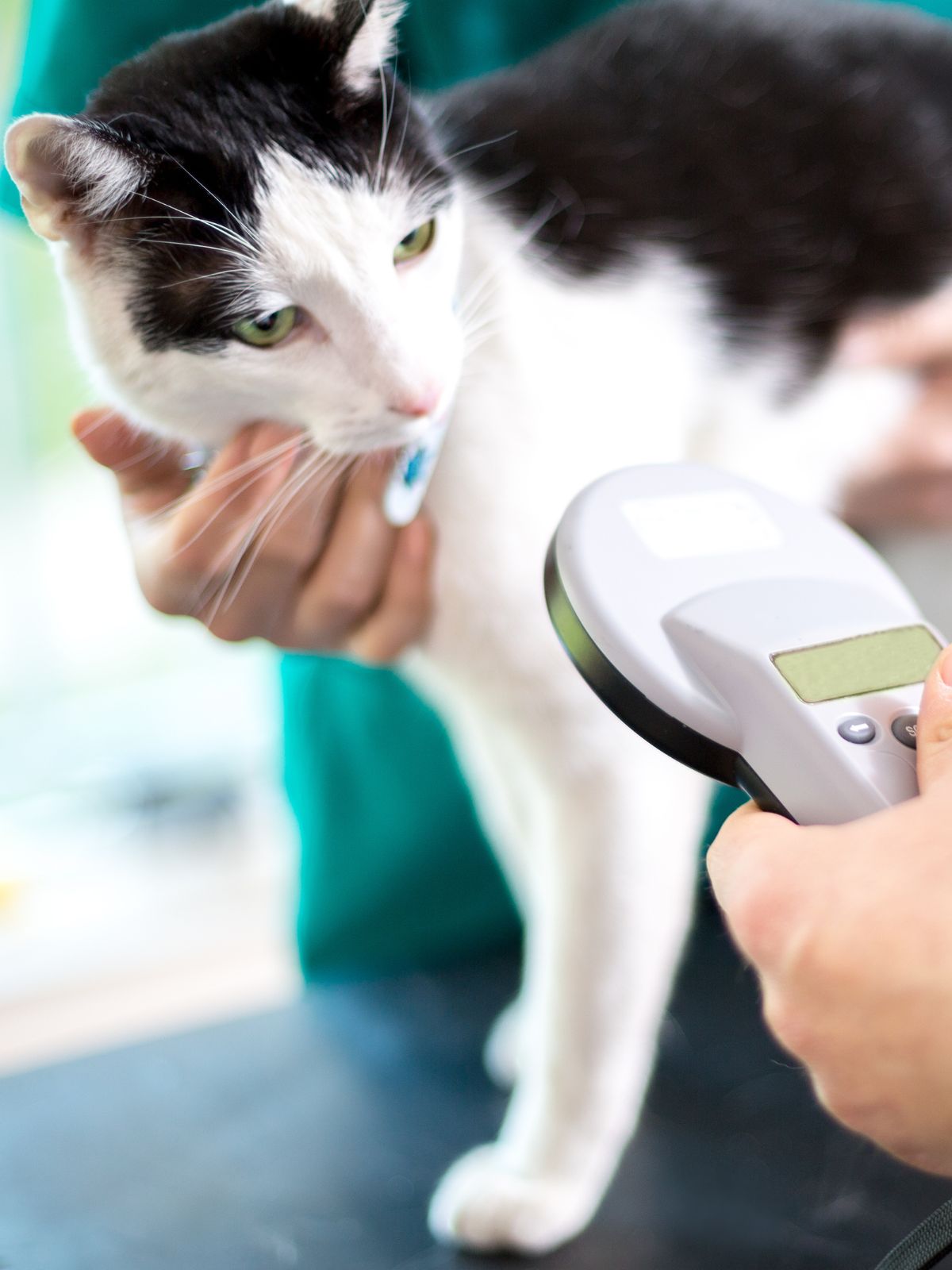
Why Microchipping Matters for Cats
Many owners assume their indoor cat is unlikely to become lost, but indoor cats commonly escape during:
- Open doors
- Moving homes
- Veterinary visits
- Loud noises or emergencies
- Deliveries or visitors
- Home renovations
- Fire alarms or stressful situations
Unlike dogs, frightened cats often do not approach strangers for help. Many hide quietly under decks, sheds, bushes, or vehicles for extended periods of time. Others may be brought to veterinary clinics, shelters, or rescue organizations by people who assume they are stray cats.
Without permanent identification, it can be extremely difficult to reconnect a lost cat with their family.
A microchip helps provide a direct link between your cat and your contact information, even if a collar has fallen off or identification tags are missing.
What Is a Microchip?
A microchip is a very small electronic identification device, approximately the size of a grain of rice.
Each microchip contains a unique identification number that can be detected using a handheld scanner. The number itself does not contain personal information or GPS tracking capabilities. Instead, it links to a registration database containing the owner’s contact information.
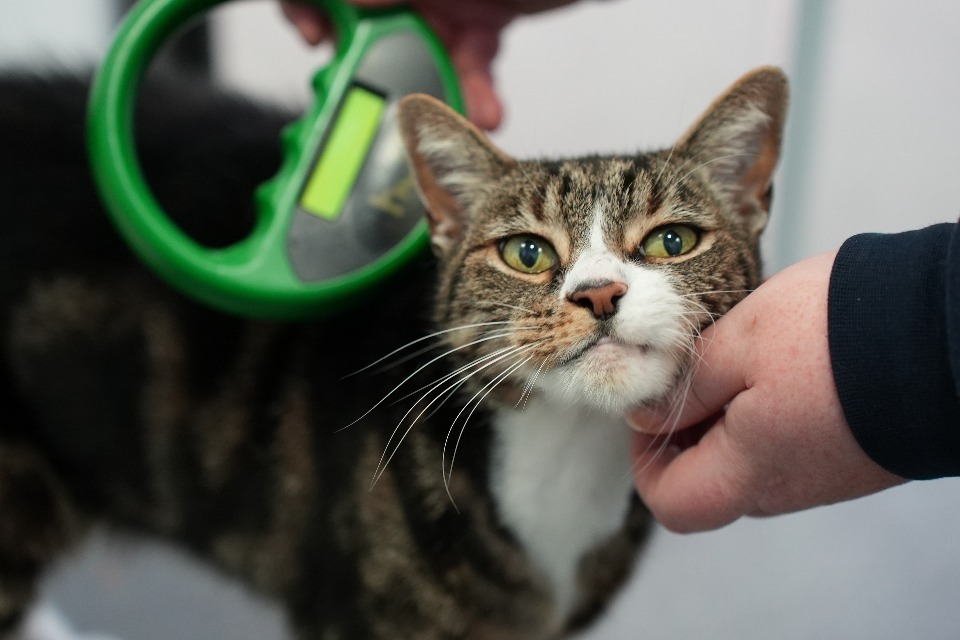
When a lost cat is brought to a veterinary clinic, animal shelter, or rescue organization, staff can scan for a microchip and contact the registered owner if one is detected.
Microchips are designed to remain functional for the lifetime of the pet.
How Microchips Work
Microchips work using radio frequency identification technology.
When a scanner passes over the microchip area, the chip transmits its unique identification number to the scanner. That number is then used to search the registration database and retrieve the owner’s contact information.
The process is quick, painless, and non-invasive.
Importantly, microchips are not GPS trackers. They do not actively track your cat’s location or provide live monitoring. Instead, they function as permanent identification that can be read whenever a lost cat is scanned.
The Importance of Registration
One of the most important parts of microchipping is ensuring the registration information remains accurate and up to date.
A microchip alone does not automatically identify ownership unless the chip is properly registered.
Owners should update registration information whenever:
- Phone numbers change
- Addresses change
- Ownership changes
- Emergency contacts change
Unfortunately, one of the most common reasons lost pets cannot be reunited with their owners is outdated registration information.
At Parkdale Animal Hospital, we encourage owners to regularly confirm that their microchip information remains current throughout their cat’s life.
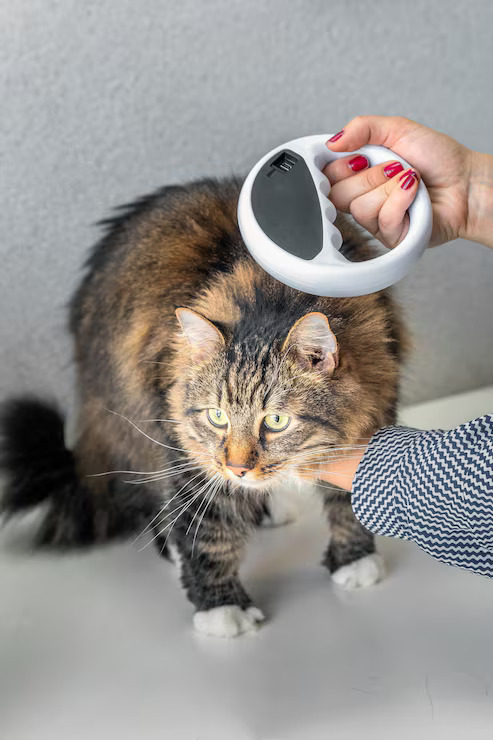
Does My Indoor Cat Really Need a Microchip?
This is one of the most common questions cat owners ask.
While indoor cats generally have lower risk of becoming lost than outdoor cats, they are certainly not immune to accidental escape. In fact, many lost cats presented to shelters and veterinary clinics are described as “strictly indoor cats.”
Indoor cats may escape during moments of stress or confusion and often become frightened very quickly once outside.
Because indoor cats are unfamiliar with outdoor environments, they may hide silently nearby rather than returning home openly.
Microchipping provides an important safety net for indoor cats in case an unexpected escape occurs.
Collars and Tags vs Microchips
Collars and identification tags are still extremely valuable and are often the fastest way for someone to contact an owner immediately.
However, collars can:
- Break off
- Become stuck
- Be intentionally removed
- Slip off unexpectedly
Microchips provide permanent identification that cannot fall off or be lost.
Ideally, cats benefit from both visible identification and a registered microchip for maximum protection.
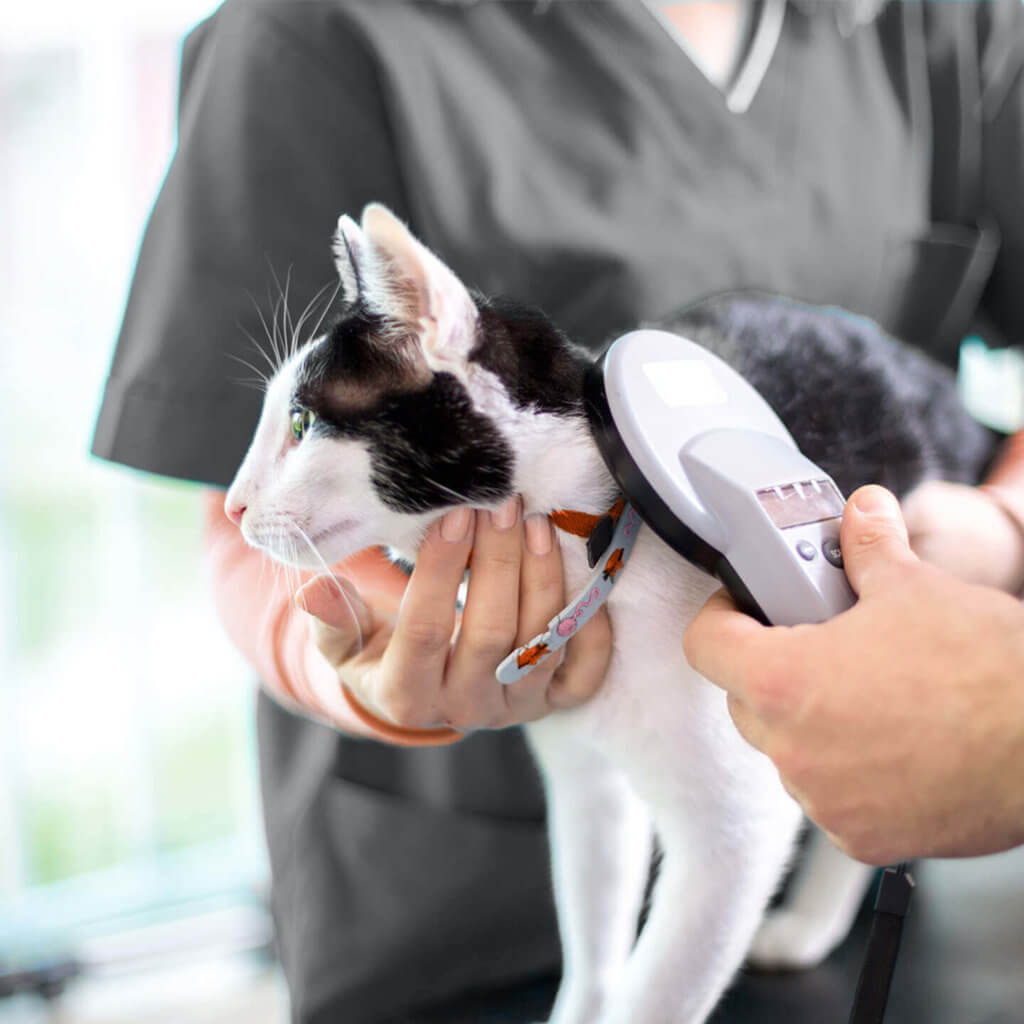
What to Expect During Microchipping
Microchipping is a very quick procedure.
The microchip is inserted under the skin using a sterile needle, typically between the shoulder blades. The process is similar to receiving a vaccination.
Most cats tolerate microchip placement very well and experience only brief, mild discomfort.
Microchipping can often be performed during:
- Routine wellness visits
- Vaccination appointments
- Spay or neuter procedures
- Dental procedures
- Surgical procedures
Some owners choose to have the microchip implanted while their cat is already under anesthesia for another procedure, although anesthesia is not required for microchip placement itself.
Is Microchipping Safe for Cats?
Microchipping is considered extremely safe and has been used successfully in veterinary medicine for many years.
Complications are very uncommon.
Most cats experience no long-term issues following implantation. Occasionally, mild temporary swelling or irritation may occur at the injection site, but serious reactions are rare.
The microchips used in veterinary medicine are biocompatible and specifically designed to remain safely beneath the skin long-term.
At Parkdale Animal Hospital, we use veterinarian-approved microchip systems and proper sterile technique during implantation.
Can a Microchip Move?
In some cases, a microchip may shift slightly from the original implantation site over time. This is normal and usually does not interfere with its function.
Veterinary clinics and shelters are trained to scan broadly over the body when checking for microchips to account for minor movement beneath the skin.
Routine scanning during veterinary visits may also help confirm the chip remains functional and detectable.
Microchipping Kittens
Kittens can safely receive microchips at a young age, often during spay or neuter procedures.
Early microchipping helps ensure permanent identification is established before accidental escapes become possible.
Young cats are often especially curious and adventurous, making early identification an important preventative step.
Microchipping kittens also helps simplify future identification if ownership disputes, relocation, or emergencies ever arise later in life.
Microchips and Travel
Microchipping is essential for cats who travel or cross borders.
Many travel documents, international regulations, and import/export requirements involve microchip identification.
For owners relocating or traveling internationally with their cat, microchips become an essential part of travel preparation and identification verification for documents.
What Happens If a Lost Cat Is Found?
When a lost cat is brought to a veterinary clinic or shelter, one of the first steps is scanning for a microchip.
If a chip is detected, staff can:
- Identify the microchip company
- Access the registration database
- Contact the registered owner
- Help facilitate reunification
Microchips significantly improve reunion rates for lost pets.
Without identification, many lost cats may never be connected back to their families, particularly if they are not wearing collars or if they appear outwardly healthy and are assumed to be stray animals.
Why Permanent Identification Is So Valuable
Microchips provide peace of mind because they remain with your cat permanently throughout life.
Unlike collars or tags, they cannot:
- Fall off
- Become unreadable
- Be removed accidentally
- Wear down over time
While no identification method is perfect on its own, microchips dramatically improve the chances of a lost cat being identified and returned home safely.
For many owners, the hope is that the microchip will never actually need to be used. However, if an emergency or unexpected escape does occur, having permanent identification already in place can make an enormous difference.
Common Misconceptions About Microchips
There are several common misunderstandings surrounding microchips.
“Microchips track my cat’s location.”
Microchips are not GPS devices and cannot track your cat in real time. They only provide identification when scanned.
“Indoor cats do not need microchips.”
Indoor cats escape far more commonly than many owners expect. Microchips remain valuable even for strictly indoor pets.
“Microchips replace collars.”
Microchips are meant to complement collars and tags, not replace them entirely. Visible identification is still extremely helpful whenever possible.
“Microchipping is painful.”
Most cats tolerate implantation very well, and the process is very quick.
Compassionate Preventative Care
At Parkdale Animal Hospital, we believe preventative care involves much more than vaccines and routine examinations. It also means helping protect cats in unexpected situations and giving owners additional peace of mind.
Microchipping is one of the simplest and most effective long-term safety measures available for cats. It is quick, safe, permanent, and can make an enormous difference if a pet ever becomes lost.
As an independently owned hospital, we focus on individualized, relationship-based care centered around education, prevention, and long-term wellbeing. Our team is always happy to answer questions about microchipping, registration, and identification options so owners can make informed decisions about their cat’s care.
Whether you have recently adopted a new kitten, added another cat to your family, or simply want to improve your cat’s identification protection, our team is here to help guide you through the process.
If you would like to learn more about feline microchipping or schedule a microchip appointment for your cat, please contact Parkdale Animal Hospital by phone at 519-885-1200 or clicking here.