
Cat Lab Work
Cats are exceptionally good at hiding illness and discomfort
Cat Laboratory Testing and Diagnostic Lab Work
In many cases, significant medical conditions can develop quietly for weeks, months, or even years before obvious symptoms appear at home. Because of this, laboratory testing plays an incredibly important role in cat healthcare.
At Parkdale Animal Hospital, laboratory testing helps us look beneath the surface to better understand your cat’s overall health, identify illness earlier, monitor chronic medical conditions, and guide treatment decisions with greater accuracy and confidence.
Lab work is much more than simply “running tests.” It provides valuable information about how the body is functioning internally and often helps us detect subtle abnormalities long before visible symptoms become severe. In many cases, bloodwork and other diagnostic testing allow us to identify medical concerns earlier, giving us more opportunities to intervene and help support long-term comfort and quality of life.
Whether your cat is visiting for routine preventative care, showing signs of illness, preparing for anesthesia, or managing an ongoing medical condition, laboratory testing is often an essential part of providing thoughtful, individualized veterinary care.
Why Laboratory Testing Is Important for Cats
Cats instinctively hide weakness and illness. As a result, they often continue eating, interacting, and behaving relatively normally despite significant disease developing internally.
Some cats show only very subtle changes such as:
- Sleeping more
- Weight loss
- Increased thirst
- Changes in appetite
- Decreased grooming
- Behavioural changes
- Vomiting
- Increased urination
- Reduced activity
Unfortunately, by the time symptoms become obvious, disease may already be more advanced.
Laboratory testing allows veterinarians to evaluate organ function, hydration status, blood cells, hormone levels, infection markers, and many other important aspects of health that cannot be assessed through a physical examination alone.
Routine lab work can help:
- Detect disease earlier
- Establish baseline health values
- Monitor chronic illness
- Evaluate unexplained symptoms
- Assess organ function before anesthesia
- Guide treatment decisions
- Monitor medication safety
- Identify infections or inflammation
Early detection is one of the most valuable aspects of cat healthcare because many conditions are easier to manage when identified sooner rather than later.
Bloodwork in Cats
Bloodwork is one of the most commonly performed diagnostic tests in veterinary medicine.
A blood sample provides important information about your cat’s internal health and may help identify abnormalities involving:
- Kidneys
- Liver
- Blood sugar
- Thyroid function
- Electrolytes
- Red blood cells
- White blood cells
- Hydration status
- Infection or inflammation
Blood testing is often divided into two major categories: blood chemistry testing and complete blood counts.
Blood Chemistry Testing
Blood chemistry testing evaluates how various organs and body systems are functioning.
These tests may help assess:
- Kidney function
- Liver function
- Blood sugar levels
- Protein levels
- Electrolyte balance
- Pancreatic values
- Calcium levels
Chemistry panels are especially important in middle-aged and senior cats because many chronic diseases develop gradually and may not cause obvious symptoms initially.
For example, early kidney disease may first appear as mild bloodwork changes before a cat begins showing increased thirst or weight loss at home.
Similarly, elevated thyroid hormone levels may help identify hyperthyroidism before more dramatic symptoms develop.
Complete Blood Counts (CBC)
A complete blood count evaluates the cells circulating within the bloodstream.
This includes:
- Red blood cells
- White blood cells
- Platelets
A CBC may help identify:
- Anemia
- Infection
- Inflammation
- Immune system abnormalities
- Blood clotting concerns
- Certain cancers
Changes in white blood cell counts may suggest inflammation or infection, while abnormalities involving red blood cells may indicate anemia or chronic disease.
Platelets are also evaluated because they help the body clot properly.
Wellness Bloodwork for Healthy Cats
One of the most important uses of laboratory testing is preventative wellness screening.
Many owners assume bloodwork is only necessary when a cat is visibly sick, but routine screening often allows veterinarians to identify medical concerns before symptoms become severe.
Wellness bloodwork is especially valuable for:
- Senior cats
- Middle-aged cats
- Cats with chronic medical conditions
- Cats taking long-term medications
- Cats preparing for anesthesia
Routine screening may detect early:
- Kidney disease
- Hyperthyroidism
- Diabetes
- Liver abnormalities
- Anemia
- Electrolyte imbalances
Because cats hide illness so effectively, preventative screening often provides information that owners would otherwise have no way of detecting at home.
Pre-Anesthetic Bloodwork
Before anesthesia or sedation, bloodwork is commonly recommended to help evaluate overall health and identify potential risks that may not be visible externally.
Pre-anesthetic testing helps assess:
- Kidney function
- Liver function
- Blood sugar
- Hydration status
- Red blood cell levels
- Infection or inflammation
Even healthy-appearing cats can have underlying medical conditions that influence anesthetic planning and medication choices.
At Parkdale Animal Hospital, anesthesia safety is taken extremely seriously. Pre-anesthetic lab work helps our team tailor anesthetic protocols to each individual patient while reducing risk and improving overall safety.
Urine Testing in Cats
Urinalysis is another extremely valuable diagnostic tool in cat medicine.
Urine testing provides important information about:
- Kidney function
- Hydration
- Urinary tract health
- Infection
- Blood sugar regulation
- Inflammation
- Crystal formation
Urinalysis is often recommended alongside bloodwork because the two tests complement one another and provide a more complete understanding of overall health.
Cats are especially prone to urinary issues, kidney disease, and stress-related bladder inflammation, making urine testing particularly important in feline medicine.
Infectious Disease Testing
Certain blood tests are designed to screen for infectious diseases that may affect cats.
Common examples include testing for:
- Feline leukemia virus (FeLV)
- Feline immunodeficiency virus (FIV)
These viruses can affect immune system function and overall health.
Testing may be recommended for:
- Newly adopted cats
- Sick cats
- Cats exposed to unknown cats
- Cats entering multi-cat households
- Outdoor cats
Knowing a cat’s infectious disease status helps guide medical recommendations and household management decisions.
Fecal Testing and Parasite Screening
Fecal testing helps identify intestinal parasites that may affect cats, particularly kittens or cats with outdoor exposure.
Parasites may contribute to symptoms such as:
- Diarrhea
- Vomiting
- Weight loss
- Poor growth
- Digestive upset
Common intestinal parasites may include:
- Roundworms
- Hookworms
- Giardia
- Coccidia
Some parasites may also pose risks to people, particularly young children or immunocompromised individuals.
Routine parasite screening and prevention are important aspects of preventative feline healthcare.
Monitoring Chronic Disease
Many cat illnesses require ongoing monitoring over time.
Conditions such as:
- Kidney disease
- Hyperthyroidism
- Diabetes
- Liver disease
- Heart disease
Often involve repeat laboratory testing to help evaluate progression, treatment response, and medication safety.
Monitoring allows veterinarians to adjust treatment plans as needed while helping maintain comfort and quality of life.
At Parkdale Animal Hospital, we believe chronic disease management should focus not only on laboratory values, but also on the cat’s day-to-day wellbeing, appetite, comfort, behaviour, and overall quality of life.

What to Expect During Blood Collection
Many owners worry that bloodwork will be stressful or painful for their cat.
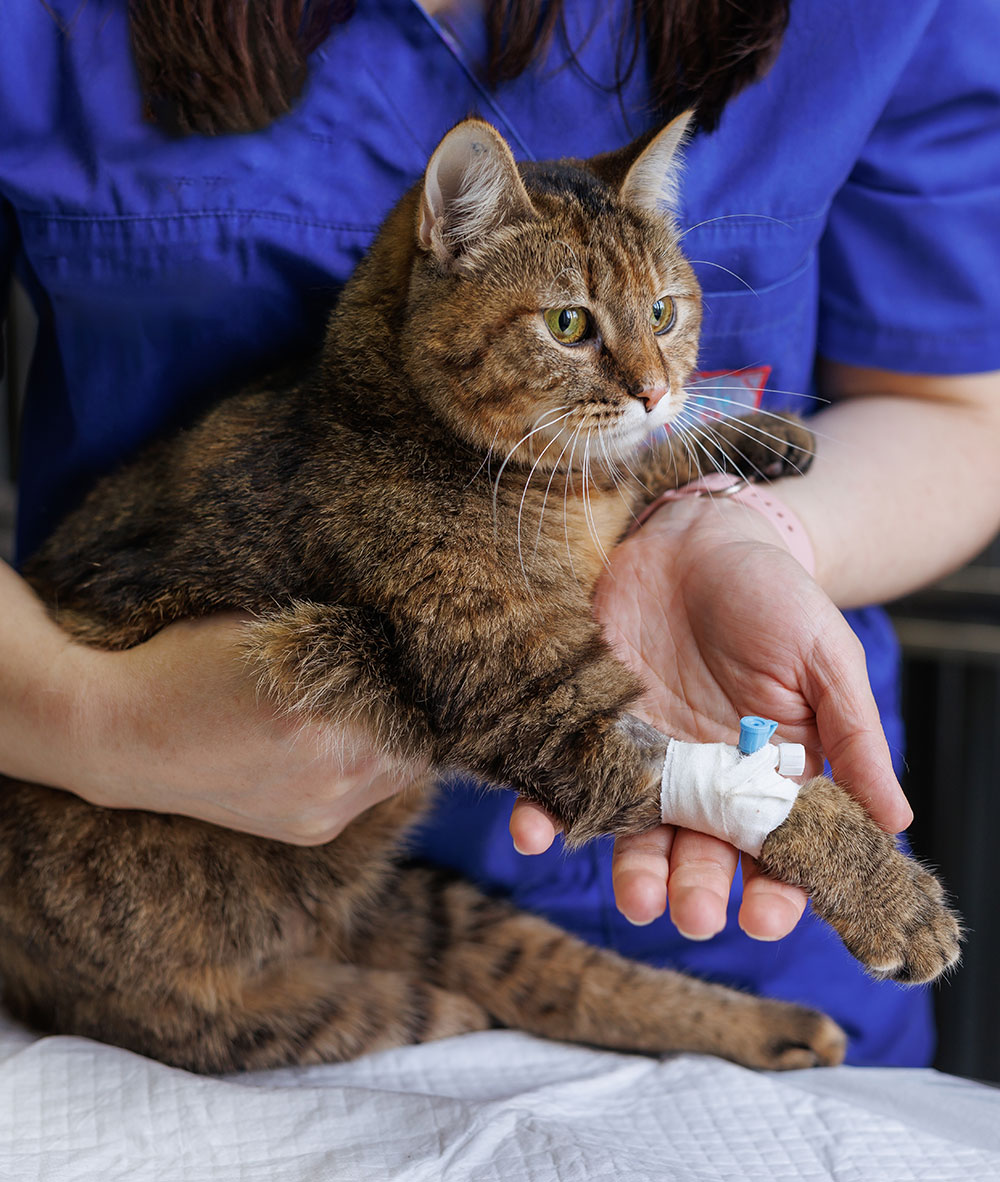
In most cases, blood collection is quick and very well tolerated. Samples are typically collected from a vein in the leg or neck using gentle restraint techniques designed to minimize stress whenever possible.
Because cats are highly sensitive to handling and unfamiliar environments, our team focuses heavily on low-stress feline handling techniques.
Some anxious or fearful cats may benefit from calming strategies or mild sedation depending on the situation, but many tolerate routine blood collection surprisingly well.
Our goal is always to make the experience as calm, safe, and comfortable as possible.
Understanding Your Cat’s Results
Laboratory testing is most valuable when interpreted within the context of the entire patient.
No test result exists in isolation. Veterinarians consider:
- Physical examination findings
- Symptoms
- Age
- Medical history
- Lifestyle
- Previous test results
When interpreting laboratory values.
Some abnormalities may require immediate treatment, while others may simply warrant monitoring over time.
At Parkdale Animal Hospital, we believe owners deserve clear explanations and thoughtful discussions regarding diagnostic findings. Our team takes time to explain what results mean, why they matter, and how they may influence your cat’s care moving forward.
Early Detection and Preventative Healthcare
One of the greatest advantages of routine laboratory testing is the ability to detect disease earlier.
Cats often appear outwardly healthy even while significant changes are occurring internally. Preventative screening allows us to identify concerns sooner, monitor subtle trends over time, and make informed medical decisions before disease progresses further.
Preventative healthcare helps support:
- Longer lifespan
- Improved comfort
- Better disease management
- Earlier intervention
- More treatment options
- Better quality of life
Routine lab work is not about looking for problems unnecessarily. It is about helping us better understand your cat’s health so we can provide the most thoughtful and individualized care possible.
Compassionate, Individualized Diagnostic Care
At Parkdale Animal Hospital, laboratory testing is an important part of our commitment to thorough, relationship-based feline medicine.
As an independently owned hospital, we are able to focus on individualized recommendations tailored to each patient rather than applying the same approach to every cat. We believe in combining diagnostics, communication, education, and compassionate care to help owners make informed decisions about their pet’s health.
Whether your cat requires routine wellness bloodwork, urine testing, chronic disease monitoring, or diagnostics for illness, our team is here to guide you through the process with honesty, transparency, and support.
If you have questions about feline laboratory testing or would like to discuss preventative health screening for your cat, please contact Parkdale Animal Hospital by phone at 519-885-1200 or click here so schedule an appointment. Early detection and ongoing monitoring can make an important difference in helping cats live healthier, more comfortable lives.