
Cat Senior Care
Cats are living longer than ever before thanks to advances in veterinary medicine, improved nutrition, preventative care, and stronger relationships between pets and their families.
Senior Cat Care and Healthy Aging
Many cats now live well into their teenage years, and some continue thriving into their late teens or even twenties. While aging is a natural process, senior cats have unique medical, behavioural, and nutritional needs that require thoughtful monitoring and individualized care.
At Parkdale Animal Hospital, we believe senior cats deserve proactive, compassionate care focused not only on longevity, but also on comfort, mobility, emotional wellbeing, and quality of life. Because cats are exceptionally good at hiding illness and discomfort, many age-related conditions develop gradually and quietly over time. Routine senior wellness care allows veterinarians to detect subtle changes earlier, monitor chronic disease more effectively, and help cats remain comfortable as they age.
Our goal is to partner with owners throughout every stage of the aging process while helping senior cats maintain the best possible quality of life for as long as possible.
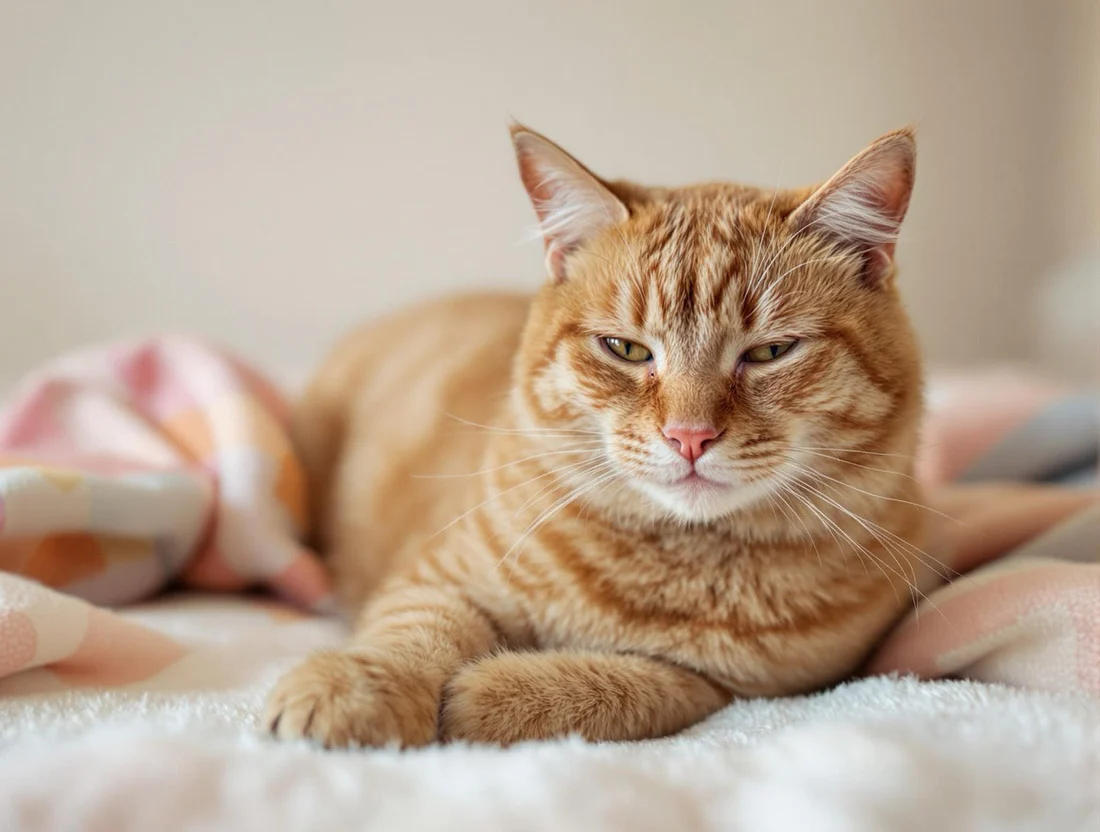
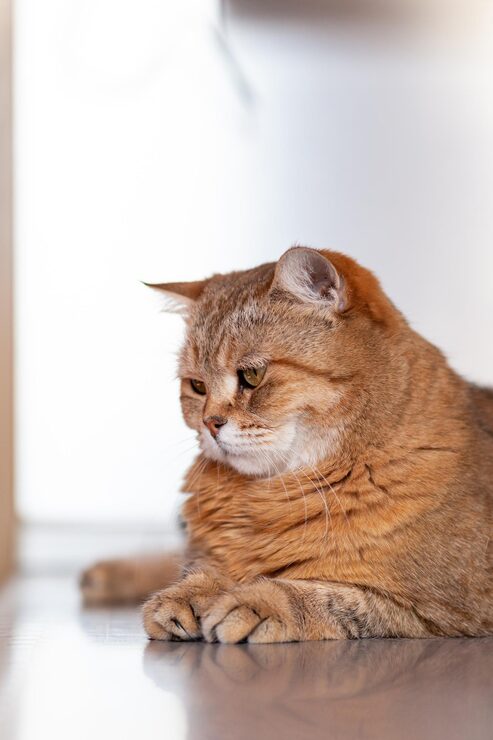
When Is a Cat Considered a Senior?
Cats generally begin entering their senior years around 10 years of age, although some age-related changes may begin earlier.
As cats age, their bodies gradually become more vulnerable to chronic disease, arthritis, dental disease, kidney changes, muscle loss, and metabolic conditions. However, aging itself is not a disease.
Many changes commonly dismissed as “just getting older” may actually indicate treatable medical conditions or chronic pain.
For example, owners may notice their cat:
- Sleeping more
- Jumping less
- Grooming less
- Losing weight
- Becoming less interactive
- Vocalizing more
- Missing the litterbox
- Becoming more irritable
These changes should never automatically be assumed to be normal aging without veterinary evaluation.
Why Senior Wellness Care Is So Important
Cats instinctively hide weakness and discomfort. Because of this, significant medical conditions may progress quietly before symptoms become obvious at home.
Routine wellness care helps veterinarians detect subtle changes earlier through:
- Physical examinations
- Weight monitoring
- Bloodwork
- Urinalysis
- Blood pressure measurement
- Mobility assessments
- Behavioural discussions
Early detection often allows:
- Earlier intervention
- Improved disease management
- Better comfort
- Slower progression of chronic illness
- More treatment options
- Improved quality of life
At Parkdale Animal Hospital, we strongly believe that preventative and proactive monitoring are among the most important aspects of senior feline healthcare.
Common Health Conditions in Senior Cats
Several medical conditions become increasingly common as cats age.
These include:
- Kidney disease
- Hyperthyroidism
- Arthritis
- Dental disease
- Diabetes
- High blood pressure
- Heart disease
- Cancer
- Cognitive decline
Many senior cats develop more than one condition simultaneously, which is why individualized care and monitoring become especially important.
Kidney Disease in Senior Cats
Chronic kidney disease is one of the most common illnesses affecting older cats.
The kidneys perform many essential functions including filtering waste products, regulating hydration, and maintaining electrolyte balance. Over time, kidney function may gradually decline.
Signs of kidney disease may include:
- Increased thirst
- Increased urination
- Weight loss
- Decreased appetite
- Vomiting
- Poor coat condition
- Muscle loss
- Lethargy
Because kidney disease often progresses slowly, symptoms may initially be very subtle.
Routine wellness bloodwork and urinalysis frequently allow kidney disease to be detected earlier, sometimes before obvious symptoms appear at home.
Although kidney disease cannot typically be cured, early management may help slow progression and improve quality of life.
Treatment may involve:
- Prescription diets
- Hydration support
- Medication
- Blood pressure management
- Ongoing monitoring
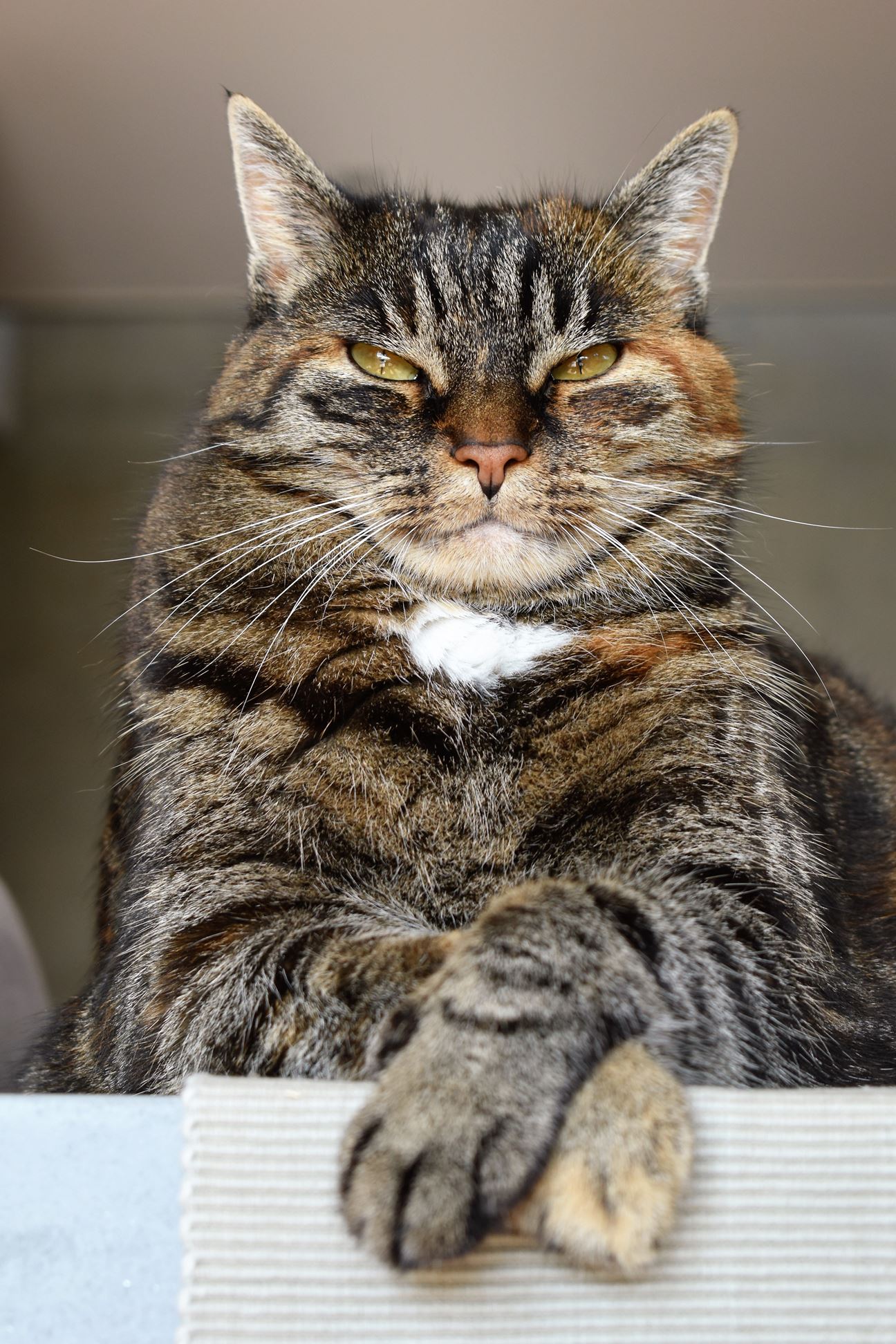
Arthritis and Mobility Changes
Arthritis is extremely common in senior cats, yet it is also one of the most underdiagnosed conditions in feline medicine.
Unlike dogs, arthritic cats often do not limp noticeably. Instead, signs are usually subtle and behavioural.
Senior cats with arthritis may:
- Jump less frequently
- Hesitate before climbing
- Sleep more
- Become less interactive
- Groom less effectively
- Avoid stairs
- Miss/avoid the litterbox
- Become irritable when touched
Many owners assume these changes are simply “normal aging,” when in reality chronic pain may be significantly affecting comfort and mobility.
At Parkdale Animal Hospital, we believe pain management is an essential part of senior cat care. Even relatively small improvements in mobility and comfort can have a major impact on quality of life.
Arthritis management may include:
- Weight management
- Pain medication
- Joint supplements
- Environmental modifications
- Mobility support
- Lifestyle adjustments
Dental Disease in Senior Cats
Dental disease becomes increasingly common as cats age.
Unfortunately, many senior cats continue eating despite significant oral pain because eating is driven strongly by survival instinct.
Signs of dental disease may include:
- Bad breath
- Dropping food
- Pawing at the mouth
- Weight loss
- Reduced grooming
- Irritability
- Decreased appetite
Many dental problems occur below the gumline and cannot be fully evaluated without dental x-rays.
Untreated dental disease can significantly affect comfort, quality of life, and overall health.
Owners are often surprised by how much brighter, more interactive, and more comfortable their cat seems after painful dental disease is addressed.
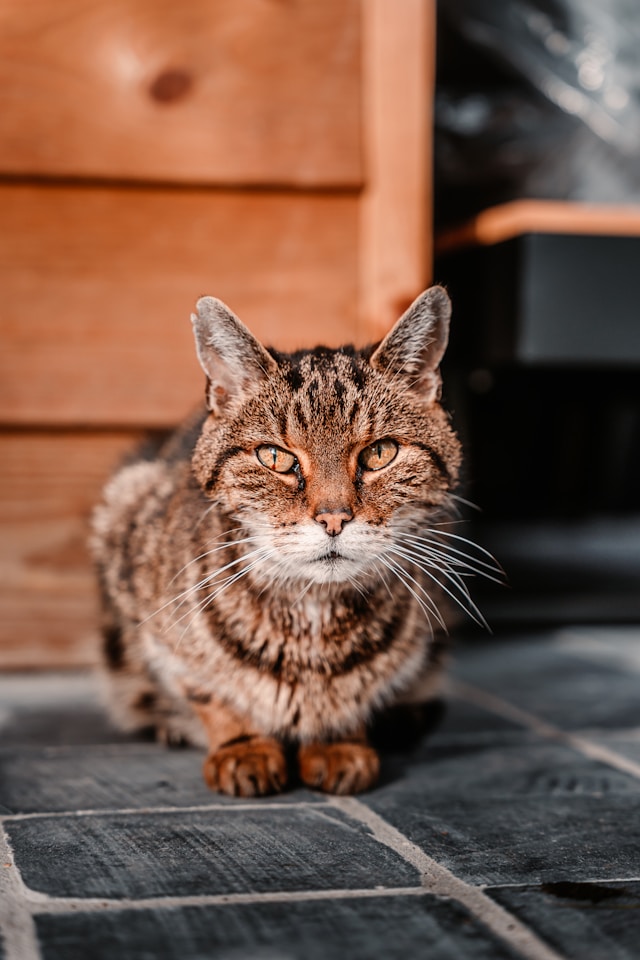
Weight Loss and Muscle Loss in Senior Cats
Weight loss in older cats should never automatically be assumed to be normal aging.
Senior cats commonly lose muscle mass over time, particularly along the spine and hindquarters. This may occur due to:
- Kidney disease
- Hyperthyroidism
- Diabetes
- Cancer
- Dental disease
- Chronic inflammation
- Reduced calorie intake
Routine weight monitoring is extremely important because gradual changes are often difficult for owners to recognize day-to-day at home.
Even relatively small weight fluctuations can provide important clues regarding underlying health changes.
Cognitive Changes in Aging Cats
Some senior cats experience cognitive decline as they age, similar to dementia-like changes seen in people.
Possible signs may include:
- Increased vocalization
- Nighttime restlessness
- Disorientation
- Changes in sleep patterns
- Altered social interactions
- Litterbox accidents
- Increased anxiety
Because many medical conditions can mimic cognitive changes, veterinary evaluation is important whenever behavioural changes occur.
Environmental support, routine consistency, and medical management may help improve comfort and reduce confusion in some senior cats.
Nutrition for Senior Cats
Nutritional needs often change with age.
Senior cats may require adjustments to support:
- Kidney health
- Weight maintenance
- Muscle preservation
- Joint support
- Digestive health
- Hydration
Some older cats struggle to maintain body condition despite eating relatively normally, while others become less active and gain excess weight more easily.
Cats are also prone to dehydration as they age, particularly if kidney disease develops.
Nutritional recommendations should always be individualized based on the cat’s medical conditions, body condition, appetite, and overall lifestyle.
At Parkdale Animal Hospital, we help owners navigate these changes while focusing on realistic and sustainable nutritional support.
Wellness Bloodwork and Diagnostic Testing
Routine diagnostic testing becomes especially valuable in senior cats because many age-related diseases initially develop silently.
Senior wellness testing may include:
- Bloodwork
- Urinalysis
- Blood pressure measurement
- Thyroid testing
- X-rays
- Ultrasound
These tests often help identify disease earlier, monitor progression, and guide treatment decisions.
Many owners are surprised when routine bloodwork identifies medical conditions in cats who appeared relatively normal at home.
Early detection often provides more treatment options and may help preserve comfort and quality of life longer.
Monitoring Quality of Life
One of the most important aspects of senior care is regularly assessing quality of life.
Cats rarely vocalize discomfort clearly, so owners often need to monitor subtle indicators such as:
- Appetite
- Grooming habits
- Mobility
- Social interaction
- Comfort
- Litterbox habits
- Energy levels
- Interest in normal activities
At Parkdale Animal Hospital, we focus heavily on individualized quality of life discussions because every cat and family situation is unique.
Our goal is not simply extending lifespan, but helping senior cats remain comfortable, engaged, and supported throughout the aging process.
Environmental Support for Senior Cats
Small environmental adjustments can make a significant difference for aging cats.
Helpful modifications may include:
- Lower litterbox entry points
- Additional litterboxes
- Ramps or steps
- Soft bedding
- Heated resting areas
- Easier access to food and water
- Non-slip surfaces
Senior cats often benefit from minimizing the need to jump excessively or navigate difficult stairs.
Because cats value routine and predictability, maintaining a stable environment may also help reduce stress and confusion.
The Importance of Routine Veterinary Visits
Senior cats generally benefit from more frequent veterinary monitoring than younger adults.
Because health changes can occur more quickly with age, regular visits help veterinarians:
- Track subtle trends
- Adjust medications
- Monitor chronic disease
- Identify emerging concerns
- Support comfort and mobility
Routine care also allows owners to discuss concerns early before problems become more advanced.
Compassionate, Individualized Preventative Care
At Parkdale Animal Hospital, we understand how deeply people bond with their senior cats. Aging pets are cherished family members, and watching them grow older can bring both gratitude and emotional challenges.
As an independently owned hospital, we focus on relationship-based medicine centered around communication, education, honesty, and individualized care. We believe senior cats deserve thoughtful monitoring, compassionate support, and realistic treatment plans tailored to both the pet and family involved.
Every senior cat ages differently. Some remain highly active well into their later years, while others require increasing medical support and mobility assistance over time. Our role is to help guide owners through those changes while preserving comfort, dignity, and quality of life as much as possible.
Whether your cat requires routine senior wellness care, chronic disease management, arthritis support, nutritional guidance, or monitoring for age-related changes, our team is here to help every step of the way.
If you have questions about your senior cat’s health or would like to schedule a wellness examination, please contact Parkdale Animal Hospital by phone at 519-885-1200 or click here to schedule an appointment. Early monitoring and individualized care can make an important difference in helping senior cats remain healthy, comfortable, and supported throughout their golden years.