
Cat Vaccination
Vaccinations are one of the most important parts of preventative healthcare for cats.
Cat Vaccination
They help protect against several serious and potentially life-threatening infectious diseases while supporting long-term health and wellbeing throughout every stage of life.
At Parkdale Animal Hospital, we believe vaccination plans should always be individualized based on each cat’s age, lifestyle, environment, health status, and overall risk factors. Vaccines are not simply “routine shots.” They are carefully selected medical tools designed to help protect cats from diseases they may realistically encounter throughout life.
Because cats are exceptionally good at hiding illness, infectious diseases can sometimes progress rapidly before symptoms become obvious. Preventative protection through vaccination remains one of the safest and most effective ways to reduce the risk of many serious infections.
Our goal is to help owners understand what cat vaccines protect against, why vaccination schedules matter, and how preventative care recommendations are tailored to each individual patient.
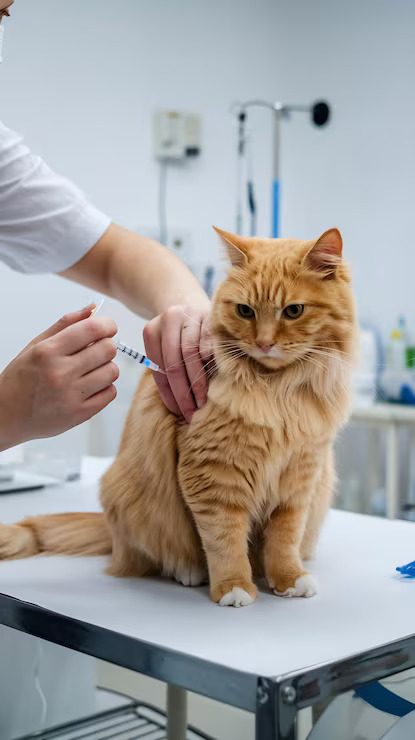

How Vaccines Work
Vaccines help prepare the immune system to recognize and respond more effectively to specific infectious diseases.
When a vaccinated cat is later exposed to a disease-causing virus or bacteria, the immune system is often able to respond more quickly and effectively, helping reduce the severity of illness or prevent infection altogether.
Vaccines do not guarantee that a cat will never become ill, but they significantly reduce the risk of severe disease and complications in many situations.
Vaccination is especially important because some cat infectious diseases are highly contagious and can spread rapidly between cats.
Why Vaccinations Are Important for Cats
Cats may encounter infectious diseases through:
- Contact with other cats
- Shared environments
- Boarding facilities
- Outdoor exposure
- Wildlife exposure
- Contaminated surfaces
- Airborne respiratory particles
Even indoor cats are not completely isolated from risk.
Certain viruses can survive in the environment for extended periods, while others may spread indirectly through contaminated clothing, carriers, hands, or objects.
Vaccination helps reduce the risk of severe illness, hospitalization, and long-term complications associated with preventable infectious disease.
Core Vaccines for Cats
Core vaccines are vaccines generally recommended for most cats because the diseases they protect against are either widespread, highly contagious, potentially severe, or carry public health significance.
Core feline vaccines commonly include protection against:
- Feline panleukopenia
- Feline herpesvirus
- Feline calicivirus
- Rabies
These vaccines are commonly combined into a single injection depending on the vaccine product used.
Feline Panleukopenia
Feline panleukopenia is a highly contagious and potentially life-threatening viral disease.
It affects rapidly dividing cells within the body and may cause:
- Severe vomiting
- Diarrhea
- Fever
- Dehydration
- Immune suppression
- Sudden death in severe cases
Kittens are especially vulnerable.
Panleukopenia can survive in the environment for long periods of time, making prevention through vaccination especially important.
Fortunately, vaccination is highly effective at reducing the risk of this serious disease.
Feline Herpesvirus and Calicivirus
Feline herpesvirus and calicivirus are common causes of upper respiratory infections in cats.
These viruses may contribute to symptoms such as:
- Sneezing
- Eye discharge
- Nasal discharge
- Congestion
- Fever
- Mouth ulcers
- Reduced appetite
Kittens, shelter cats, boarding cats, and multi-cat households are often at increased risk for respiratory disease exposure.
Some cats infected with herpesvirus may continue carrying the virus long-term and experience flare-ups during periods of stress later in life.
Vaccination helps reduce the severity of illness and complications associated with these infections.
Rabies Vaccination
Rabies is a fatal viral disease that affects the nervous system of mammals, including cats and humans.
Because rabies carries significant public health risk, vaccination is extremely important even for indoor cats.
Rabies exposure may occur through contact with wildlife such as:
- Bats
- Raccoons
- Skunks
- Foxes
In Ontario, rabies vaccination is required by law.
Lifestyle Vaccines for Cats
Some cats may benefit from additional non-core vaccines depending on lifestyle and exposure risk.
Recommendations are individualized based on
factors such as:
- Outdoor access
- Exposure to unknown cats
- Boarding
- Multi-cat households
- Rescue or foster involvement
- Geographic risk factors
One example is the feline leukemia virus (FeLV) vaccine.
Feline Leukemia Virus (FeLV)
Feline leukemia virus is a contagious viral infection that affects the immune system and may contribute to:
- Immune suppression
- Anemia
- Cancer
- Chronic illness
The virus is primarily spread through close contact between cats such as grooming, shared bowls, bite wounds, or prolonged social interaction.
Cats at higher risk may include:
- Outdoor cats
- Young cats
- Cats living with infected cats
- Cats with unknown exposure history
Vaccination may be recommended depending on lifestyle and individual risk assessment.
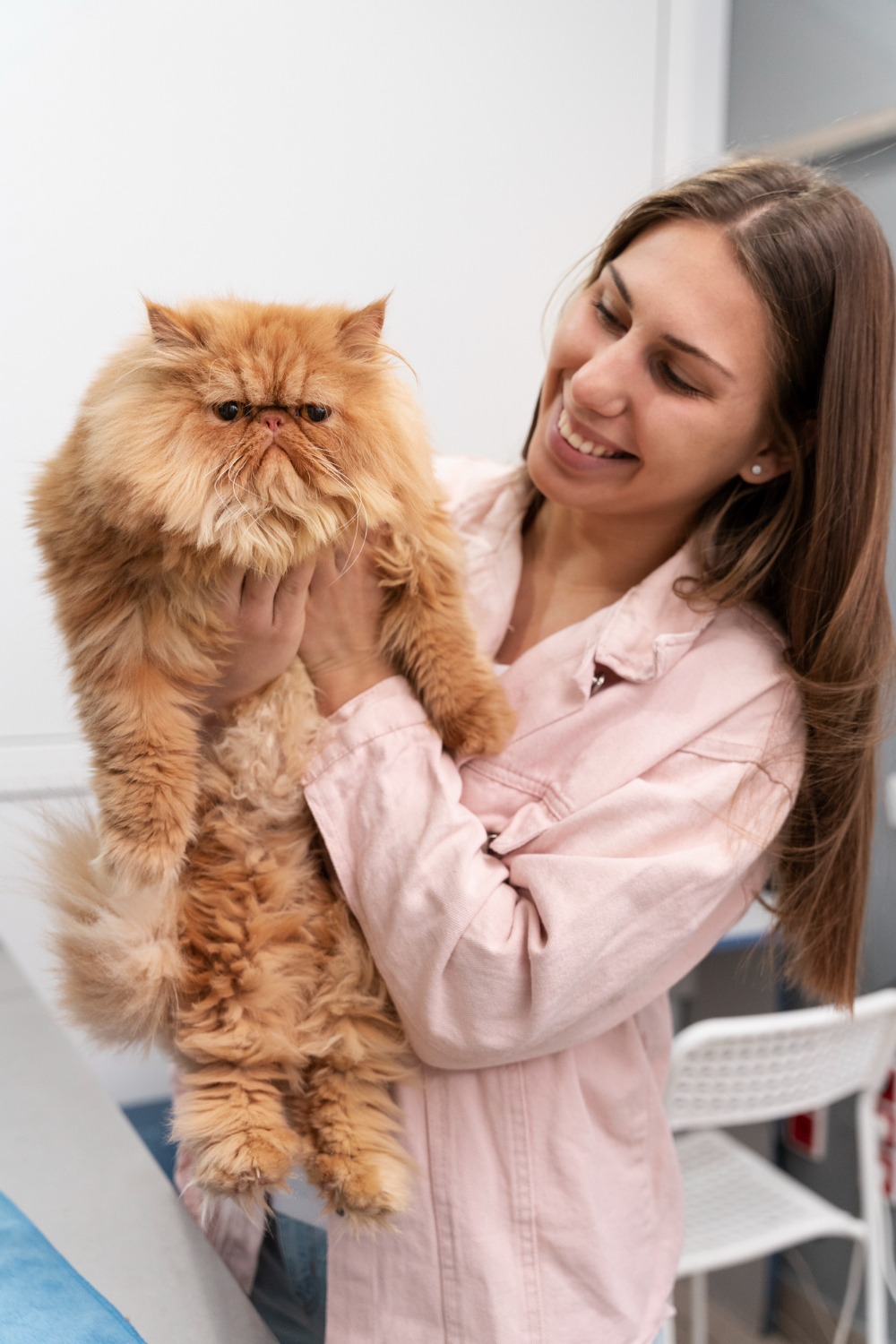
Vaccinations for Kittens
Kittens require a series of vaccines rather than a single injection.
Young kittens initially receive temporary immune protection from their mother’s antibodies. However, these maternal antibodies gradually decline over time, creating a period where kittens become increasingly vulnerable to infection.
Because maternal antibodies can interfere with vaccination effectiveness early in life, kittens receive multiple vaccines spaced over several weeks to help ensure proper immune protection develops.
Kitten vaccination schedules are carefully timed to provide protection during this critical developmental period.
At Parkdale Animal Hospital, we help owners understand the timing and purpose of each stage of the vaccine series while tailoring recommendations to the individual kitten.
Vaccinations for Adult Cats
Adult cats continue requiring booster vaccines periodically to help maintain immunity over time.
The frequency of booster vaccinations depends on several factors including:
- Vaccine type
- Lifestyle
- Risk exposure
- Medical history
- Age
Some vaccines require more frequent boosters than others.
Routine wellness examinations are important opportunities to review vaccination status and ensure preventative care recommendations remain appropriate as a cat’s lifestyle changes over time.
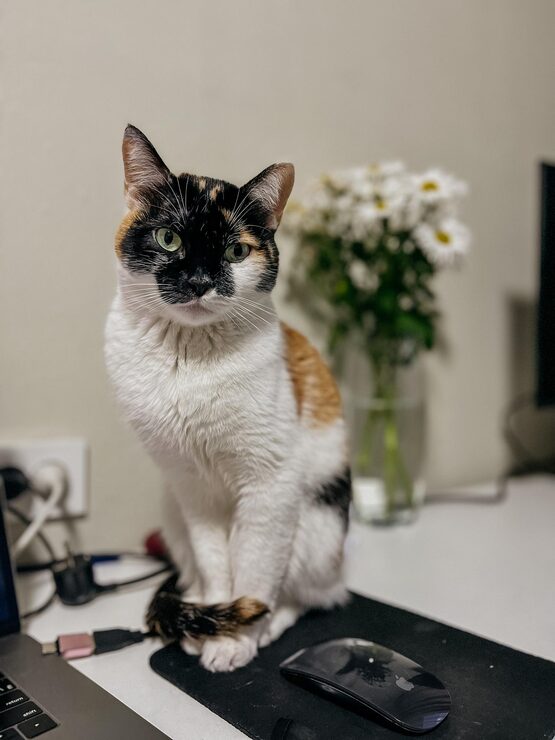
Indoor Cats and Vaccination
One of the most common misconceptions is that indoor cats do not require vaccinations.
While indoor cats generally face lower exposure risk than outdoor cats, they are not completely protected from infectious disease.
Potential exposure may still occur through:
- Veterinary visits
- Boarding
- Open windows or doors
- New pets entering the home
- Owners carrying infectious material indoors
- Wildlife exposure
Vaccination recommendations for indoor cats are often tailored differently than for outdoor cats, but preventative protection still remains important.
Vaccine Safety in Cats
Modern veterinary vaccines undergo extensive safety testing and are considered very safe when used appropriately.
Most cats tolerate vaccination extremely well.
Some mild temporary reactions may occasionally occur, including:
- Mild soreness
- Temporary tiredness
- Reduced appetite for a short period
- Mild swelling at the injection site
More significant reactions are uncommon but can occur with any medical treatment.
At Parkdale Animal Hospital, vaccine recommendations are individualized carefully to balance disease protection with thoughtful medical decision-making.
We also monitor patients closely and encourage owners to contact us if they notice anything concerning after vaccination.
Vaccine-Associated Sarcomas
Owners occasionally hear concerns regarding vaccine-associated sarcomas in cats.
These are rare but serious tumors that may develop at injection sites in a very small number of cats.
While the overall risk is considered extremely low, veterinarians remain very aware of this concern and follow current recommendations regarding vaccine selection and administration techniques.
Importantly, the diseases vaccines protect against are often significantly more common and dangerous than the risk of vaccine-associated complications.
Our team discusses vaccination recommendations thoughtfully while balancing both risks and benefits for each individual patient.
Wellness Visits and Vaccination Appointments
Vaccination appointments involve much more than simply administering injections.
At Parkdale Animal Hospital, wellness visits allow us to evaluate:
- Weight and body condition
- Heart and lung health
- Oral health
- Mobility
- Skin and coat condition
- Behaviour
- Nutrition
- Parasite prevention
- Overall wellbeing
These visits create valuable opportunities for early disease detection, preventative planning, and ongoing discussions about your cat’s health and quality of life.
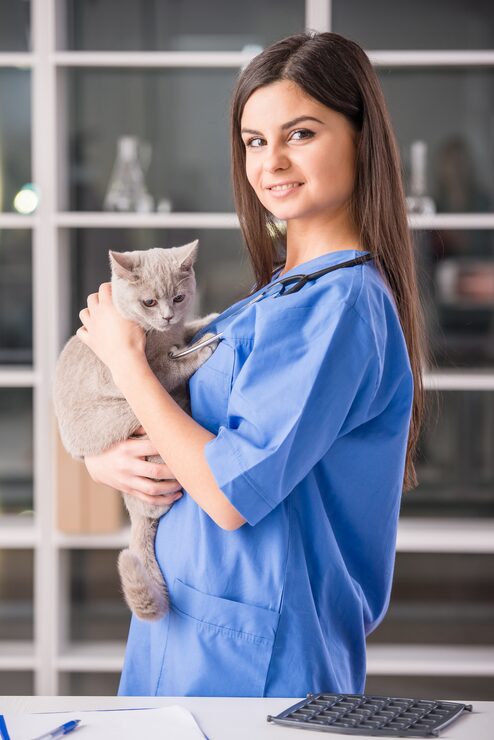
Stress Reduction During Veterinary Visits
Many cats experience stress during veterinary visits, which can make preventative care feel difficult for owners.
Our team focuses heavily on low-stress cat handling techniques designed to minimize fear and anxiety whenever possible.
Helpful strategies may include:
- Gentle handling
- Quiet environments
- Carrier training recommendations
- Calming products
- Allowing time for adjustment
Positive veterinary experiences help make ongoing preventative care easier and less stressful throughout a cat’s life.
Vaccinations as Part of Preventative Healthcare
Vaccinations are one important component of a larger preventative healthcare plan.
Preventative care may also include:
- Wellness examinations
- Laboratory testing
- Dental care
- Parasite prevention
- Nutritional guidance
- Weight management
- Behavioural support
Together, these measures help support long-term health, earlier disease detection, and improved quality of life.
At Parkdale Animal Hospital, we believe preventative medicine should always be individualized, thoughtful, and tailored to the cat sitting in front of us rather than applying the exact same approach to every patient.
Compassionate, Individualized Preventative Care
At Parkdale Animal Hospital, we understand that owners want to make informed decisions about their cat’s health. Vaccination discussions can sometimes feel overwhelming, especially with so much conflicting information available online.
As an independently owned hospital, we focus on relationship-based medicine centered around communication, education, and individualized recommendations. Our goal is never to pressure owners, but rather to provide clear information and thoughtful guidance tailored to each cat’s specific lifestyle, health status, and risk factors.
Vaccinations remain one of the safest and most effective ways to help protect cats from several serious infectious diseases. Through individualized preventative care, regular wellness visits, and open communication, we work together with owners to help support long-term health and wellbeing throughout every stage of life.
If you have questions about feline vaccinations or would like to discuss the best preventative healthcare plan for your cat, please contact Parkdale Animal Hospital by phone at 519-885-1200 or click here to schedule an appointment.