
Dog Exercise
Regular exercise is one of the most important parts of keeping your dog healthy throughout their life.
Dog Exercise
It affects far more than just physical fitness. A well-exercised dog tends to be calmer, more balanced emotionally, and better able to cope with everyday life. Exercise supports healthy body weight, keeps joints moving comfortably, strengthens the heart and lungs, and contributes to overall wellbeing in a way that medication or diet alone cannot achieve.
At Parkdale Animal Hospital, we often talk with pet owners about exercise as part of a bigger picture of preventive care. Every dog is different, and what is appropriate for one dog may not be suitable for another. Age, breed, medical conditions, and lifestyle all play a role in shaping what a healthy exercise routine should look like. The goal is not to push every dog to the same level of activity, but rather to find a routine that supports their individual health and happiness over the long term.
When exercise is appropriate and consistent, it becomes one of the most powerful tools we have for preventing disease and improving quality of life.

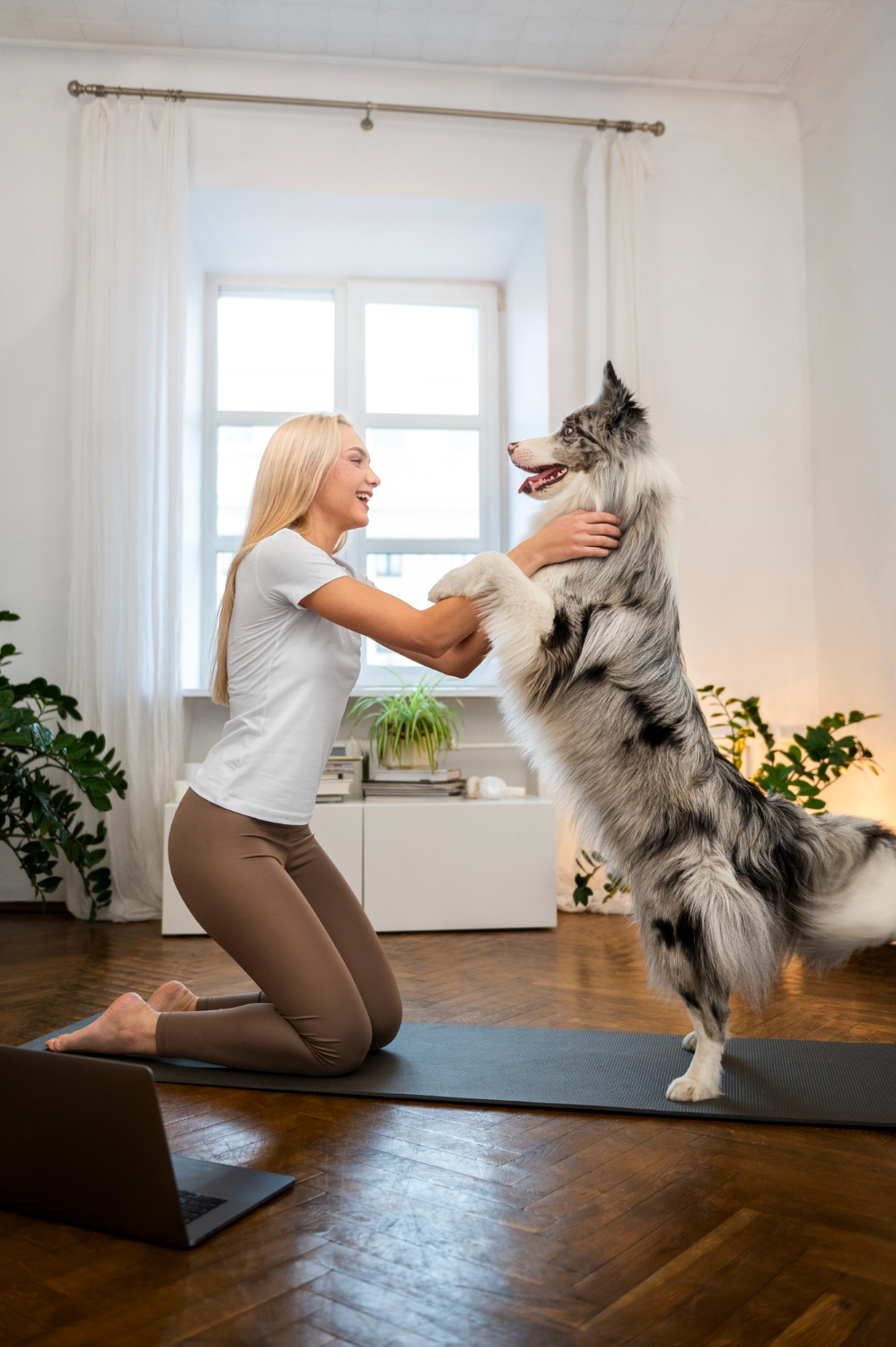
Why Exercise Matters for Dogs
Exercise affects almost every system in a dog’s body. Dogs that are regularly active tend to maintain healthier body weight, which reduces strain on joints and decreases the risk of obesity-related conditions. Excess weight is not just a cosmetic issue; it can significantly impact a dog’s health, contributing to arthritis, diabetes, heart disease, and a reduced lifespan.
Physical activity also plays an important role in cardiovascular health. Just like in people, a dog’s heart and lungs become stronger and more efficient with regular movement. This helps them tolerate daily activities more easily and can improve their overall stamina.
Muscle strength and joint mobility are also closely tied to exercise. Without regular movement, muscles weaken and joints become stiffer over time. This is particularly important in older dogs, where maintaining mobility can make a major difference in comfort and independence.
Beyond the physical benefits, exercise has a strong impact on behaviour and emotional wellbeing. Dogs that do not receive enough physical or mental stimulation often develop unwanted behaviours such as excessive barking, chewing, or restlessness. Regular activity helps release energy in a healthy way and contributes to a more settled, balanced temperament.
Every Dog Has Different Exercise Needs
There is no single exercise plan that works for all dogs. A young Border Collie, for example, will have very different needs compared to a senior Bulldog or a small companion breed. Understanding these differences is essential when building a routine that is both safe and effective.
Breed plays a major role in determining energy levels. Some breeds were developed for endurance work, herding, or hunting, and naturally require more activity and mental engagement. Others were bred primarily for companionship and may be satisfied with shorter, less intense activity.
Age is another important factor. Puppies are naturally energetic, but their bodies are still developing. Adult dogs generally require more structured exercise, while senior dogs may need gentler, more controlled activity depending on their health status.
Weight and overall fitness also influence how much exercise a dog can comfortably handle. Dogs that are overweight or deconditioned should begin slowly and gradually build endurance to avoid injury or strain.
Medical conditions such as arthritis, heart disease, or respiratory issues may also affect what types of exercise are appropriate. In these cases, exercise is still important, but it often needs to be modified to ensure comfort and safety.
Exercise in Puppies
Puppies are often full of energy, and it can be tempting to assume they need long periods of intense exercise. In reality, their bodies are still developing, and too much strenuous activity can place stress on growing bones and joints.
Instead of long runs or extended walks, puppy exercise should focus on short bursts of play, gentle movement, and positive social experiences. Playtime with people or other well-matched dogs can provide both physical activity and important social learning opportunities.
Training sessions are also a valuable form of mental and physical exercise for puppies. Learning basic commands, practicing recall, and working on simple tasks helps engage their minds and tires them in a healthy way.
Short walks are appropriate, but they should be kept brief and paced according to the puppy’s energy level. It is often better to allow puppies to explore at their own speed rather than forcing them into long, structured walks.
The key with puppies is balance. They need enough activity to support healthy development and prevent boredom, but not so much that it risks injury or fatigue.
Exercise in Senior Dogs
Older dogs often slow down, but this does not mean they no longer benefit from exercise. In fact, regular movement becomes even more important as dogs age. Gentle, consistent activity can help maintain muscle tone, support joint health, and preserve mobility.
Many senior dogs experience conditions such as arthritis, which can make movement more difficult. However, appropriate exercise can actually help manage these conditions by keeping joints flexible and reducing stiffness. The goal is not intensity, but consistency.
Short, comfortable walks are often ideal for senior dogs. Some may also benefit from light play or controlled indoor movement, especially during poor weather. The key is to observe the dog closely and adjust activity based on their comfort level.
Mental stimulation is also very important for older dogs. Even if physical activity decreases, engaging their mind through gentle interaction, scent work, or simple training exercises can significantly improve quality of life.
In some cases, exercise plans for senior dogs need to be adjusted over time as health conditions change. Regular veterinary check-ups help ensure that activity levels remain appropriate and supportive.
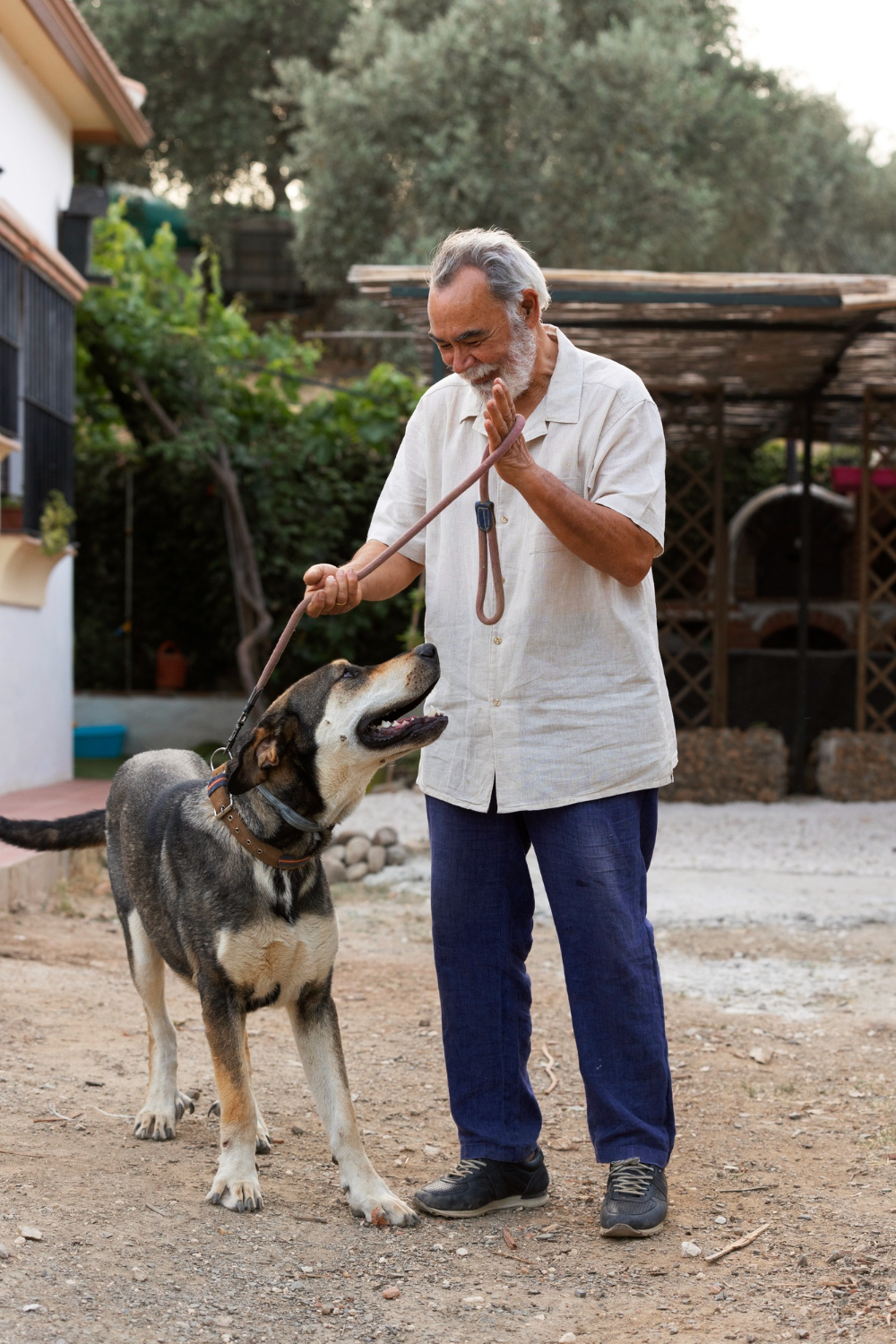
Exercise and Weight Management
Weight management is one of the most common health discussions in veterinary care, and exercise plays a central role in it. Obesity in dogs is more than just a cosmetic issue; it is a medical condition that can significantly affect quality and length of life.
Extra weight places additional stress on joints, which can worsen arthritis or lead to earlier onset of mobility issues. It also increases the risk of metabolic diseases such as diabetes and can contribute to decreased cardiovascular efficiency.
Exercise alone is not always enough to manage weight, but when combined with appropriate nutrition, it becomes a powerful tool. Regular activity helps burn calories, maintain muscle mass, and improve overall metabolic health.
For dogs that need to lose weight, exercise should be introduced gradually. Sudden increases in activity can lead to injury or excessive fatigue, especially in dogs that are not used to regular movement.
Mental Enrichment and Emotional Health
Exercise is often thought of as purely physical, but mental stimulation is just as important. Dogs are intelligent animals, and without opportunities to engage their minds, they can become bored or frustrated.
Mental enrichment can take many forms. Puzzle toys that require problem-solving, training sessions that challenge learning, and scent-based games that encourage natural instincts are all valuable tools. Even simple activities like changing walking routes or introducing new environments can provide mental stimulation.
Interactive feeding, where dogs have to work for their food rather than eating from a bowl, can also be an effective way to engage both body and mind.
Social interaction is another important component. For many dogs, spending time with their owners or appropriately matched dogs provides emotional fulfillment that supports overall wellbeing.
When physical exercise and mental enrichment are combined, the result is a more balanced, content, and well-adjusted dog.
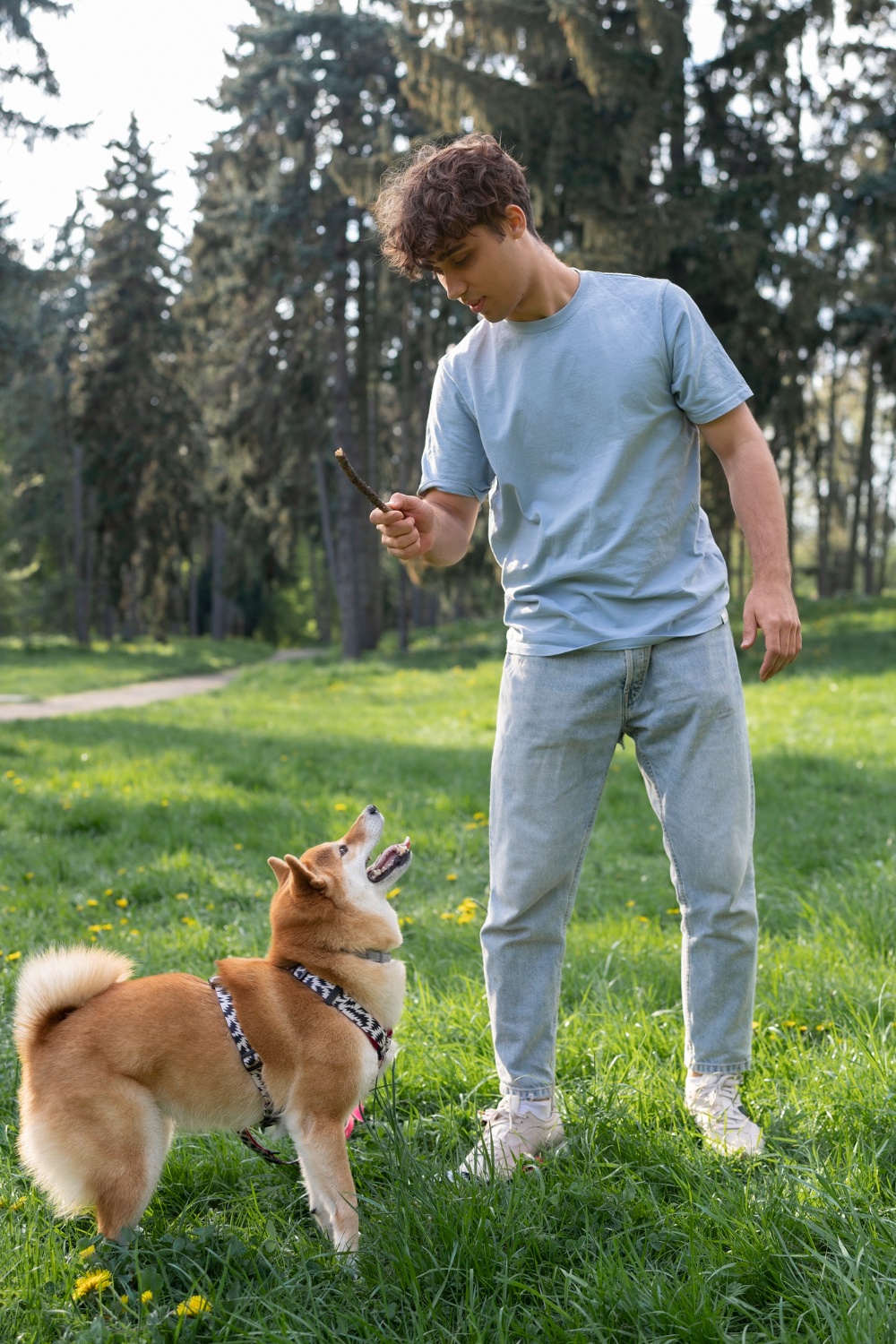
Safe Exercise Practices
While exercise is beneficial, it is also important to approach it safely. Dogs can overheat, become injured, or become fatigued if activity is not managed appropriately.
During warmer weather, it is best to avoid exercising during the hottest parts of the day. Heat can quickly become dangerous for dogs, especially those with thick coats or underlying health conditions. Providing access to fresh water at all times is essential.
Activity should always be increased gradually, particularly for dogs that are not used to regular exercise. Sudden increases in intensity or duration can lead to muscle strain or joint injury.
It is also important to pay attention to signs of fatigue or discomfort. Excessive panting, slowing down, limping, or reluctance to continue are all signals that a dog may need rest.
Parasite prevention is another important consideration, especially for dogs that spend time outdoors in grassy or wooded areas.
Supporting Lifelong Fitness
At Parkdale Animal Hospital, we view exercise as a key part of lifelong wellness. It is not something that applies only to young or highly active dogs, but rather something that evolves throughout a dog’s life.
We often work with pet owners to develop exercise plans that reflect their dog’s current health, lifestyle, and future needs. These plans may change over time, especially as dogs age or develop medical conditions, but the goal remains the same: to keep dogs comfortable, active, and engaged in life.
Schedule a Wellness Examination
If you have questions about your dog’s exercise routine, mobility, or weight management, a wellness examination is a good place to start. These conversations allow us to look at the full picture of your dog’s health and provide guidance that is tailored specifically to them. Call us at 519-885-1200 or click here to schedule an appointment now.