
Dog Eye Care
Eye health plays a major role in a dog’s overall comfort and quality of life.
Dog Eye Care
Vision allows dogs to navigate their environment, interact confidently with their surroundings, and engage safely in everyday activities. Because the eyes are delicate and highly sensitive structures, problems can develop quickly and sometimes progress faster than dog owners expect.
Eye conditions in dogs are often uncomfortable or painful, even when the outward signs seem mild at first. A small amount of redness or discharge, for example, may be an early indication of a more significant underlying issue. For this reason, it is always best to have eye changes assessed promptly rather than waiting to see if they improve on their own.
At Parkdale Animal Hospital, we regularly diagnose and manage a wide range of canine eye conditions. Our focus is always on preserving vision whenever possible, reducing discomfort, and supporting long-term eye health through early intervention and appropriate treatment.
Signs Your Dog May Have an Eye Problem
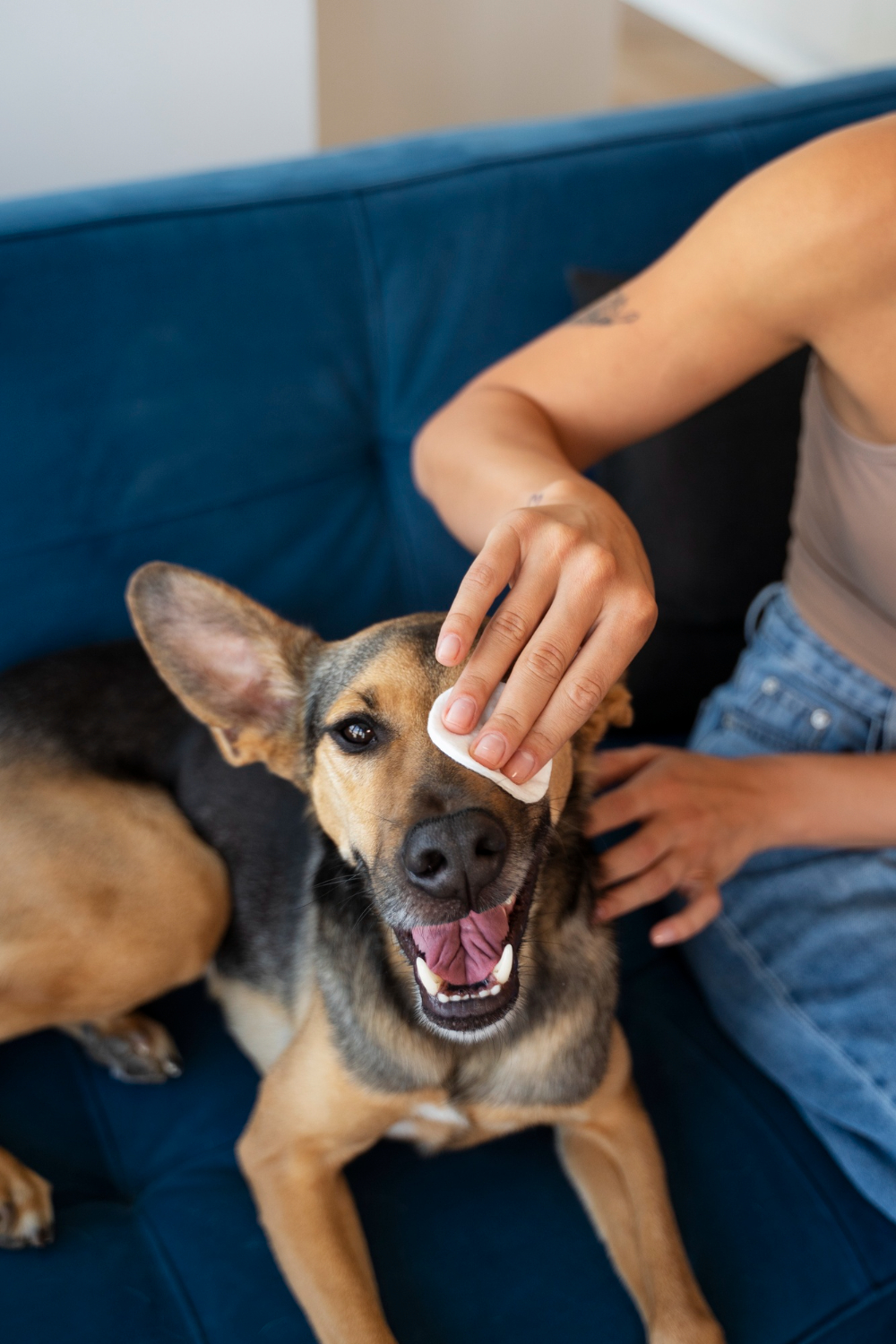
Eye disease in dogs can present in many different ways, and sometimes the signs are subtle. One of the most common indicators is redness in one or both eyes, which often suggests inflammation or irritation. You may also notice squinting or excessive blinking, which are often signs that a dog is experiencing discomfort or pain.
Some dogs begin pawing at their eyes or rubbing their face against furniture or the floor in an attempt to relieve irritation. Others may develop visible discharge, which can range from clear and watery to thick and green or yellow coloured depending on the underlying cause.
Cloudiness in the eye is another important sign, as it may indicate changes within the cornea or deeper structures of the eye. Swelling around the eye or eyelids can also occur in cases of infection, trauma, or allergic reactions.
Light sensitivity is another common symptom. Dogs with eye discomfort may avoid bright areas, squint in sunlight, or become more withdrawn in well-lit environments. In more serious cases, sudden changes in vision may be noticed, such as hesitation when moving around familiar spaces or bumping into objects.
Even when symptoms appear mild, they should not be ignored. Eye conditions can worsen quickly, and early treatment often makes a significant difference in outcomes.
Common Eye Conditions in Dogs
Dogs can develop a wide variety of eye conditions throughout their lives. Some are relatively minor and easy to treat, while others can be more serious and may threaten vision if not addressed promptly.
Eye infections are common and may involve the surface of the eye or surrounding tissues. These infections can cause redness, discharge, and discomfort, and they often respond well to appropriate medical treatment when identified early.
Corneal ulcers are another important condition. These occur when the surface of the eye becomes damaged, often due to trauma, foreign material, or underlying disease. Corneal ulcers can be very painful and may worsen rapidly without treatment.
Dry eye, also known as keratoconjunctivitis sicca, occurs when the eye does not produce enough tears to maintain proper lubrication. This can lead to chronic irritation, discharge, and potential damage to the cornea over time if not managed appropriately.
Cataracts involve clouding of the lens inside the eye and can affect vision to varying degrees. Some cataracts develop slowly over time, while others may progress more quickly depending on the underlying cause.
Glaucoma is a serious condition involving increased pressure within the eye. It can be extremely painful and may lead to vision loss if not treated promptly.
Allergic eye disease can cause redness, itching, and watery discharge, often alongside other allergy symptoms such as skin irritation.
Eyelid abnormalities, including conditions where the eyelids roll inward or outward, can lead to chronic irritation of the eye surface. Conjunctivitis, or inflammation of the conjunctival tissues, is also commonly seen and may result from infection, allergies, or other irritants.
Cherry eye, which involves the prolapse of a gland within the third eyelid, is another condition that is frequently seen in dogs and often requires surgical correction.
Diagnostic Testing for Eye Conditions
Accurate diagnosis is essential when it comes to eye disease, as many conditions can appear similar on the surface but require very different treatments. A thorough eye examination is often the first step and allows the veterinarian to assess the overall health of the eye and surrounding structures.
Tear production testing is commonly performed to evaluate whether the eyes are producing adequate moisture. This helps identify conditions such as dry eye, which require long-term management.
Fluorescein staining is another important diagnostic tool. This involves applying a special dye to the surface of the eye to highlight any damage or ulceration of the cornea. Areas of injury will take up the stain and become more visible during examination.
Measuring intraocular pressure is also an important part of eye assessment, especially when glaucoma is suspected. Elevated pressure within the eye can be painful and damaging if not addressed quickly.
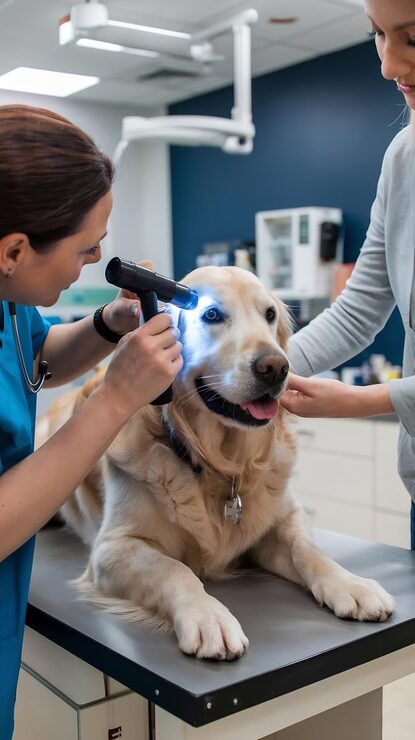
A detailed ophthalmic examination allows for close evaluation of the internal and external structures of the eye. This may involve specialized equipment to look deeper into the eye and assess structures that are not visible to the naked eye.
Early diagnosis plays a critical role in preventing complications and preserving vision wherever possible.
Eye Injuries and Emergencies
Eye injuries should always be treated as urgent situations. Even minor trauma to the eye can result in significant discomfort and may lead to more serious complications if not addressed promptly.
Scratches to the surface of the eye, foreign material lodged under the eyelid, or blunt trauma can all cause damage that worsens quickly without treatment. In some cases, what appears to be a small issue externally may actually involve deeper injury to the cornea or internal structures of the eye.
Because of the delicate nature of eye tissues, delaying treatment can increase the risk of long-term damage or vision loss. If an eye injury is suspected, prompt veterinary assessment is strongly recommended.
Eye Health in Senior Dogs
As dogs age, changes in the eyes become increasingly common. Some of these changes are normal parts of aging and may not significantly affect vision, while others can indicate developing disease.
Senior dogs may develop cloudiness in the lenses of their eyes, changes in tear production, or gradual vision decline. While some of these changes progress slowly, they still benefit from monitoring and regular veterinary evaluation.
Routine wellness examinations are especially important in older dogs, as they allow early detection of age-related eye conditions. Identifying problems early often allows for better management and improved comfort.
Even when vision cannot be fully restored, treatment can often help maintain quality of life and reduce discomfort.
Compassionate Eye Care
Eye problems can be stressful for both dogs and their owners. It can be difficult to see a dog in discomfort or notice changes in their vision, especially when those changes seem to happen suddenly.
At Parkdale Animal Hospital, our approach to eye care focuses on both medical precision and compassionate support. We take the time to explain what is happening, what we are seeing on examination, and what treatment options are available. Our goal is always to protect comfort and vision while helping families understand each step of the process.
Eye conditions often require follow-up care and monitoring, and we work closely with pet owners to ensure that treatment plans are manageable and effective over time.
Schedule an Eye Examination
If your dog is showing any signs of eye irritation, discomfort, or vision changes, it is important to have them assessed as soon as possible. Early intervention can make a significant difference in outcomes and may help prevent more serious complications.
A prompt eye examination allows us to identify the cause of the problem and begin appropriate treatment to support your dog’s comfort and vision. Call us at 519-885-1200 or click here to schedule an appointment now.