
Cat Deworming
Intestinal parasites, commonly called worms, are one of the most common health concerns seen in cats of all ages.
Cat Deworming
Many cats become infected with parasites at some point in their lives, including indoor cats that rarely leave the home. Some cats show obvious symptoms, while others may appear completely healthy despite carrying parasites that can affect their health and wellbeing over time.
Deworming is an important part of preventive veterinary care because parasites can cause digestive upset, weight loss, poor coat quality, anemia, and other serious health problems. Some intestinal parasites can also be transmitted to people, especially young children or individuals with weakened immune systems. Routine deworming and regular fecal testing help protect both cats and their families.
Understanding how cats become infected, what symptoms to watch for, and how deworming works can help cat owners make informed decisions about their pet’s health care.

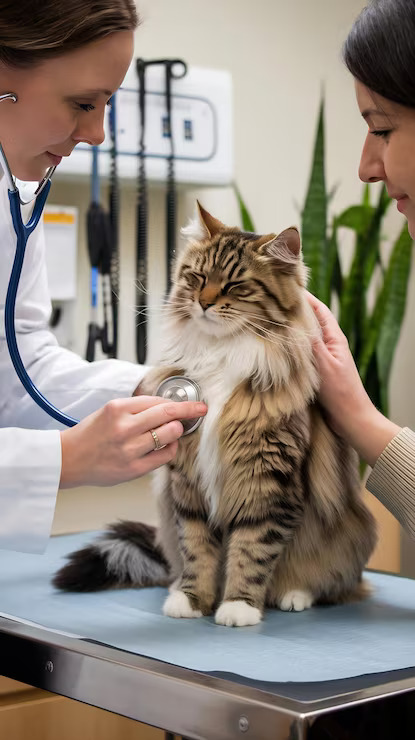
What Are the Most Common Worms in Cats?
Several different intestinal parasites can affect cats. Each parasite behaves differently, spreads in different ways, and may require specific medications for treatment.
Roundworms
Roundworms are among the most common intestinal parasites in cats, especially kittens. These worms live in the intestines and feed on nutrients consumed by the cat. In severe cases, cats may develop a pot-bellied appearance, poor growth, vomiting, diarrhea, or weight loss.
Kittens are often infected from their mother shortly after birth. Adult cats may become infected by ingesting microscopic eggs from contaminated soil, litter boxes, or prey animals such as mice.
Roundworms can occasionally be seen in vomit or stool and often resemble spaghetti.
Hookworms
Hookworms are smaller worms that attach to the intestinal lining and feed on blood. These parasites can cause anemia, weakness, dark stool, and weight loss, especially in kittens or cats with heavy infestations.
Cats usually become infected through contact with contaminated environments or by ingesting infected prey. Hookworm larvae can sometimes penetrate the skin.
Tapeworms
Tapeworms are long, segmented worms that commonly infect cats that hunt rodents or have fleas. Fleas play an important role in the tapeworm life cycle. When a cat swallows an infected flea during grooming, the tapeworm can develop inside the intestines.
Many owners first notice tapeworm segments around the cat’s anus or in bedding. These segments often resemble grains of rice and may still move when freshly passed.
Tapeworm infections may not cause obvious illness, but they indicate that flea control is needed in addition to deworming treatment.
Whipworms
Whipworms are less common in cats than in dogs but can still occur. These parasites live in the large intestine and may cause diarrhea, weight loss, and intestinal irritation.
Coccidia and Giardia
Although technically not worms, coccidia and giardia are intestinal parasites frequently discussed during deworming visits because they can cause diarrhea and gastrointestinal upset. These organisms are microscopic and cannot usually be seen in stool.
Cats infected with these parasites may experience soft stool, diarrhea, dehydration, or poor weight gain.
How Do Cats Get Worms?
Cats can become infected with parasites in many different ways. Understanding how transmission occurs helps explain why routine parasite prevention is so important.
Kittens commonly acquire worms from their mother shortly after birth. Even kittens raised indoors may already carry parasites before they are adopted.
Adult cats often become infected by ingesting parasite eggs from contaminated environments. Microscopic eggs can survive in soil, litter boxes, yards, gardens, and other outdoor areas for long periods of time.
Cats that hunt mice, birds, or other small prey animals are at increased risk because prey species often carry immature stages of parasites.
Fleas are another major source of parasite infection, particularly tapeworms. A single infected flea swallowed during grooming can transmit tapeworms to a cat.
Multi-cat households, shelters, boarding facilities, and outdoor environments increase the risk of exposure because parasites spread more easily where multiple cats share common spaces.
Even indoor-only cats are not completely protected. Parasite eggs can be tracked indoors on shoes, contaminated soil, or other pets entering the home.
Symptoms of Worms in Cats
Not all cats with parasites show symptoms. Some infections remain mild or hidden for long periods of time. When symptoms do occur, they can vary depending on the type of parasite, the severity of infection, and the overall health of the cat.
Common signs of intestinal parasites include vomiting, diarrhea, weight loss, bloated abdomen, poor hair coat, scooting, visible worms in stool, decreased appetite, and lethargy.
Kittens are particularly vulnerable because parasites can interfere with growth and nutrition. Severe infections may lead to dehydration, anemia, weakness, or even life-threatening illness if left untreated.
Some cats experience intermittent digestive upset that comes and goes over time. Others may show no obvious symptoms at all, which is why routine fecal testing remains important even in apparently healthy pets.
Tapeworm segments around the anus or in bedding are one of the more recognizable signs owners notice at home. However, many intestinal parasites are microscopic and cannot be seen without laboratory testing.
Why Routine Deworming Is Important
Many people assume deworming is only necessary if worms are visible, but this is not the case. Cats can carry intestinal parasites without obvious symptoms, and some parasites shed microscopic eggs intermittently, making infections difficult to detect without regular screening.
Routine deworming helps reduce parasite burdens before they cause significant health problems. Preventive care is especially important for kittens, outdoor cats, households with multiple pets, and homes with children.
Parasites can damage the intestinal tract, compete for nutrients, and weaken the immune system over time. Chronic infections may contribute to poor body condition, digestive problems, or decreased overall health.
Some parasites also pose risks to humans. Roundworms and hookworms are considered zoonotic parasites, meaning they can spread from animals to people under certain circumstances. Children are particularly vulnerable because they may accidentally ingest contaminated soil or have close contact with litter boxes and outdoor areas.
Consistent parasite prevention is one of the simplest and most effective ways to protect the health of both pets and families.
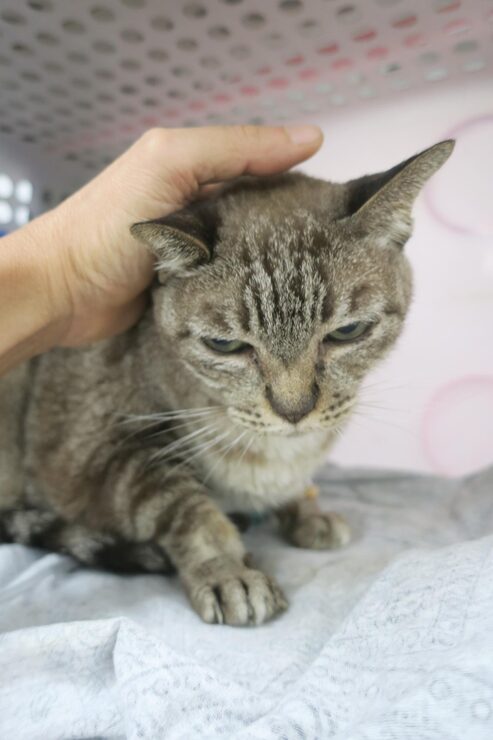
How Veterinarians Diagnose Worms
Veterinarians commonly diagnose intestinal parasites through fecal testing. A small stool sample is examined under a microscope to look for parasite eggs or organisms.
Because some parasites shed eggs inconsistently, a single negative test does not always completely rule out infection. In some cases, repeat testing may be recommended.
Veterinarians may also diagnose certain parasites based on visible worms, clinical symptoms, or the cat’s lifestyle and risk factors.
Fecal testing is recommended regularly even for healthy, indoor cats because early detection allows treatment before parasites become a larger problem.
Annual or semi-annual screening is often advised depending on the cat’s age, lifestyle, and exposure risk.
Deworming Medications for Cats
There are many safe and effective deworming medications available for cats. Different medications target different parasites, which is why proper diagnosis and veterinary guidance are important.
Some dewormers treat only roundworms, while others may also treat hookworms, tapeworms, or additional parasites. No single medication treats every possible intestinal parasite.
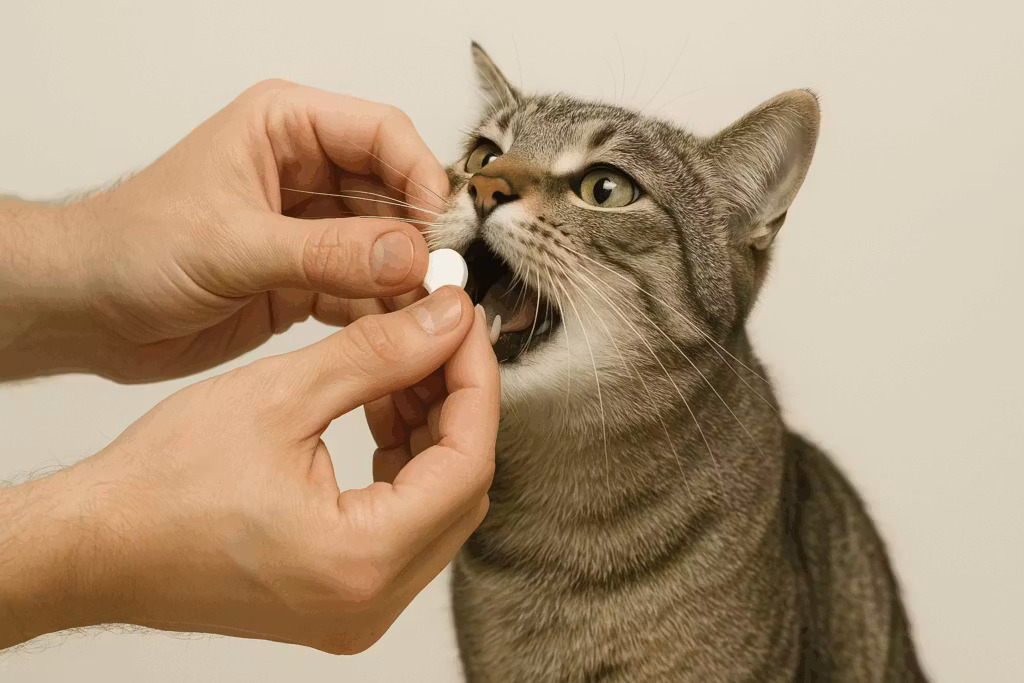
Deworming medications may come in several forms, including oral tablets, liquids or topical products applied to the skin.
Many modern parasite preventives combine deworming with flea, tick, heartworm, or ear mite protection. These broad-spectrum products can simplify preventive care by protecting against multiple parasites at once.
Treatment recommendations depend on the cat’s age, weight, health status, lifestyle, and parasite risk.
Owners should avoid using over-the-counter dewormers without veterinary guidance because some products may be ineffective, improperly dosed, or unsafe for certain cats.

Deworming Kittens
Kittens require special attention because intestinal parasites are extremely common during early life.
Even healthy-looking kittens often carry roundworms or other parasites. Since kittens have immature immune systems and smaller body reserves, parasites can affect them more severely than adult cats.
Most kittens begin deworming treatment at a young age and receive repeated treatments at regular intervals during the first few months of life. This schedule is necessary because immature parasite stages may not be eliminated by a single treatment.
Routine fecal testing and ongoing preventive care are important as kittens grow.
Kittens should also begin flea prevention early because fleas contribute to tapeworm transmission and can cause additional health problems such as anemia.
Deworming Adult Cats
Adult cats also benefit from routine parasite prevention, even if they live indoors.
Outdoor cats and cats that hunt prey are at especially high risk for recurring infections. However, indoor cats can still be exposed to parasites through contaminated environments or fleas.
The ideal deworming schedule varies depending on lifestyle and risk factors. Some cats require monthly broad-spectrum parasite prevention, while others may only need routine fecal testing and occasional treatment.
Regular veterinary examinations help determine the most appropriate preventive plan for each individual cat.
Flea Control and Deworming
Effective flea control is an essential part of parasite prevention in cats.
Because fleas transmit tapeworms, treating tapeworm infections without addressing fleas often leads to reinfection. Cats may continue swallowing infected fleas during grooming and repeatedly develop tapeworms.
Modern veterinary flea prevention products are safe, effective, and available in several convenient forms. Consistent year-round flea control greatly reduces the risk of tapeworm infection while also protecting cats from flea allergy dermatitis, skin irritation, and other flea-related problems.
Household flea management may also be necessary in some cases, especially if multiple pets are involved.
Can Humans Get Worms from Cats?
Some intestinal parasites carried by cats can infect people. While the overall risk is relatively low with proper hygiene and preventive care, zoonotic parasites remain an important public health concern.
Roundworm eggs can survive in soil for long periods and may infect people who accidentally ingest contaminated material. Hookworm larvae can occasionally penetrate human skin after contact with contaminated soil or sand.
Children are most vulnerable because they often play outdoors and may place their hands near their mouths before washing.
Good hygiene practices significantly reduce the risk of transmission. Washing hands after handling litter boxes, cleaning feces promptly, and maintaining regular veterinary care are all important preventive measures.
Routine parasite prevention helps protect the entire household.
Indoor Cats and Parasite Risk
A common misconception is that indoor cats do not need parasite prevention. While indoor cats generally have lower exposure risk than outdoor cats, they are not completely protected.
Parasite eggs can enter homes on shoes, contaminated objects, or other pets. Fleas may also enter homes through people, dogs, or wildlife near the property.
Some indoor cats occasionally escape outdoors or hunt insects or rodents inside the home, which can increase exposure risk.
Because many parasites can remain hidden for long periods, regular fecal testing and preventive care remain important for indoor cats as well.
Natural Remedies and Home Treatments
Many natural remedies for worms are discussed online, including pumpkin seeds, garlic, herbs, or dietary supplements. However, there is limited scientific evidence proving these approaches safely and effectively eliminate intestinal parasites in cats.
Some home remedies may delay proper treatment or even be harmful. Garlic, for example, can be toxic to cats.
Veterinary-approved deworming medications are carefully tested for safety and effectiveness. Using proven treatments helps ensure parasites are eliminated appropriately while minimizing risks to the cat.
Owners concerned about medication frequency or preventive options should discuss these concerns with their veterinarian to develop a safe and practical plan.
Preventing Worms in Cats
Preventing intestinal parasites involves a combination of regular veterinary care, fecal testing, parasite prevention, flea control, and environmental hygiene.
Routine wellness examinations allow veterinarians to identify risk factors and recommend appropriate preventive care based on the cat’s lifestyle.
Keeping litter boxes clean, promptly removing feces from yards, and practicing good hand hygiene all help reduce environmental contamination.
Limiting hunting behavior and maintaining consistent flea prevention further decrease parasite exposure.
Preventive care is generally simpler, safer, and more affordable than treating advanced parasite infections after they develop.
When to See a Veterinarian
Cats showing vomiting, diarrhea, weight loss, poor appetite, bloated abdomen, lethargy, or visible worms should be evaluated by a veterinarian.
Kittens with diarrhea or suspected parasites should receive prompt veterinary attention because young animals can deteriorate quickly.
Even if a cat appears healthy, regular wellness visits and fecal testing remain important parts of preventive health care.
Early diagnosis and treatment help protect long-term health and reduce the spread of parasites within households and communities.
Final Thoughts on Cat Deworming
Cat deworming is an essential part of responsible pet ownership and preventive veterinary care. Intestinal parasites are common, often difficult to detect without testing, and capable of affecting both animal and human health.
Routine fecal screening, appropriate deworming treatments, consistent flea prevention, and regular veterinary examinations all play important roles in keeping cats healthy.
Whether a cat lives indoors or outdoors, parasite prevention should remain part of their ongoing health care plan throughout life. Early detection and preventive treatment help cats live healthier, more comfortable lives while reducing risks for the entire family.
To schedule an appointment for your cat, call us at 519-885-1200 or click here.