
Dog Surgery
Hearing that your dog may require surgery can feel overwhelming for many pet owners.
Veterinary Surgery for Dogs
Whether the procedure is planned in advance or needed unexpectedly, it is natural to feel concerned about your dog’s safety, comfort, and recovery. At Parkdale Animal Hospital, we understand how important your dog is to your family, and we are committed to providing compassionate, high-quality surgical care every step of the way.
Veterinary surgery plays an important role in diagnosing, treating, and correcting a wide variety of medical conditions in dogs. Some surgeries are preventive, such as spay and neuter procedures, while others may be necessary to remove masses, repair injuries, treat illness, or address emergencies. No matter the procedure, our focus remains the same: patient safety, pain management, careful monitoring, and clear communication with pet owners.
Our veterinary team uses modern surgical techniques, advanced anesthesia protocols, and individualized recovery plans to help ensure the safest and most comfortable experience possible for every patient.
Why Dogs May Need Surgery
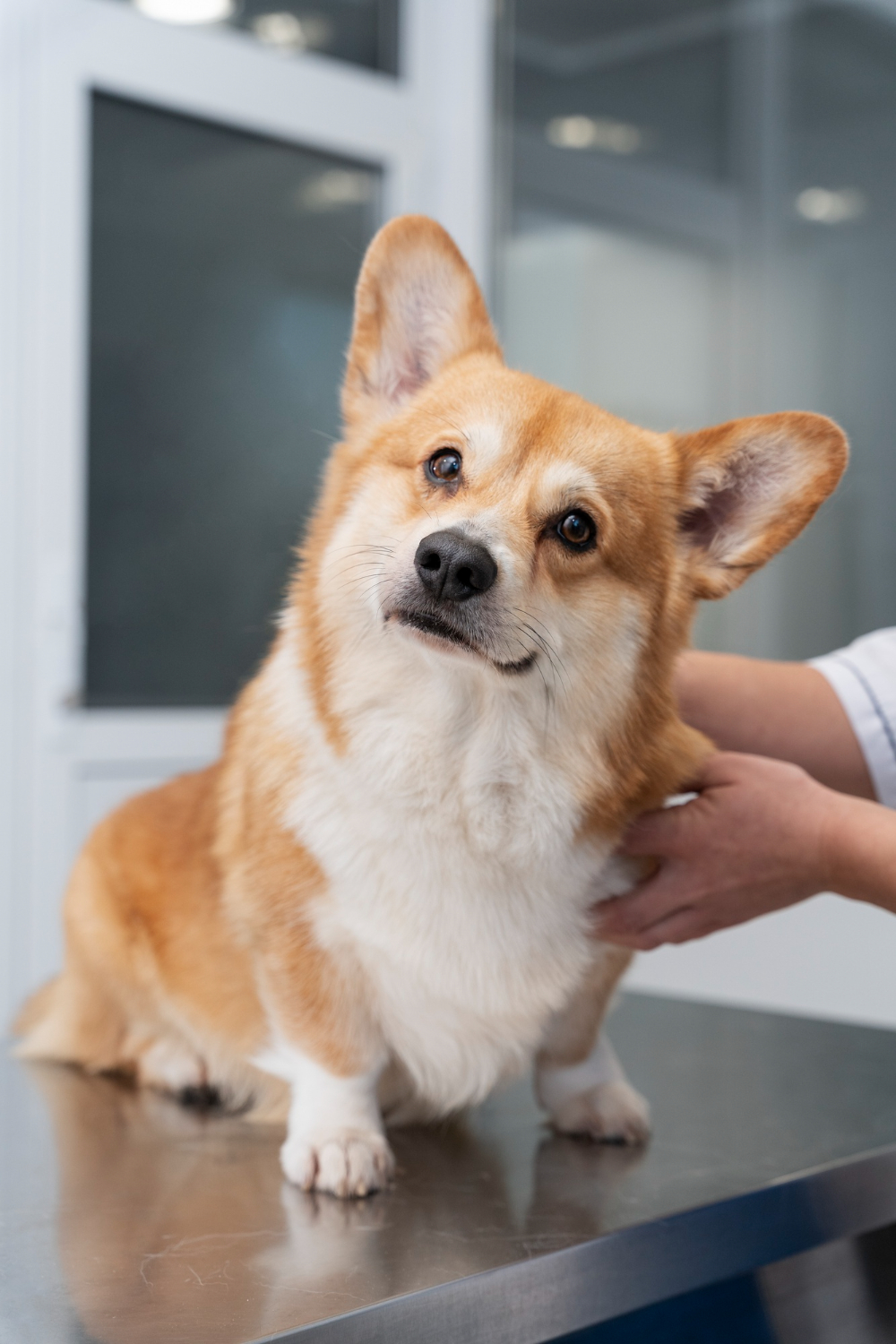
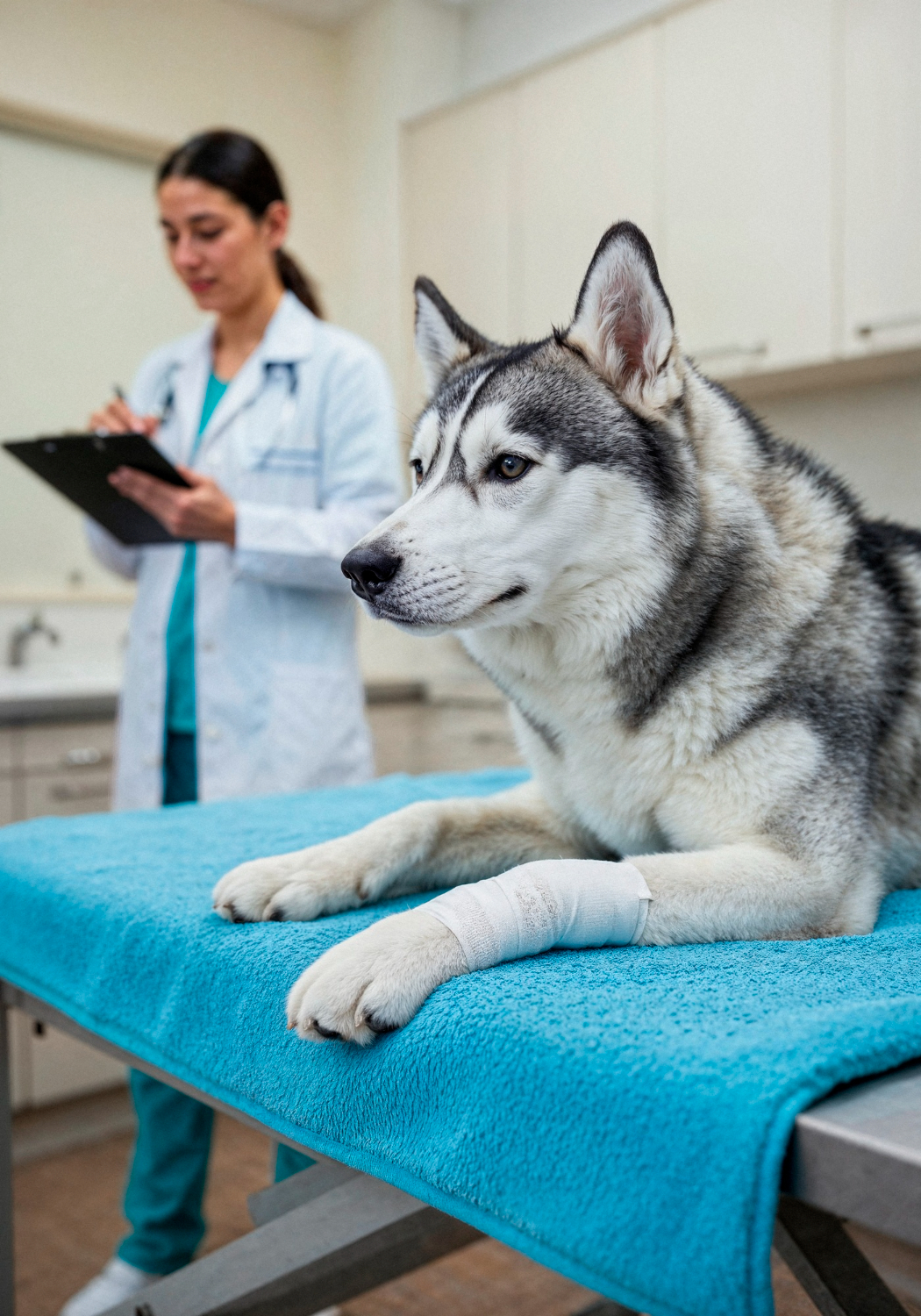
There are many different reasons a dog may require surgery throughout their lifetime. Some procedures are routine and preventive, while others are performed to improve quality of life or address urgent medical concerns.
Spay and neuter surgeries are among the most common procedures performed in veterinary medicine. These surgeries help prevent unwanted litters while also providing several long-term health and behavioural benefits.
Dogs may also require surgery to remove lumps or masses. While not every lump is cancerous, growths should always be evaluated by a veterinarian. Surgical removal may be recommended for diagnostic purposes, to prevent discomfort, or to treat cancerous changes before they spread.
Wound repair is another common surgical need. Injuries caused by accidents, bites, or trauma sometimes require surgical cleaning and closure to promote proper healing and reduce the risk of infection.
Foreign body removal surgery may be necessary when dogs swallow objects that become stuck in the stomach or intestines. Dogs are naturally curious and sometimes ingest toys, socks, bones, fabric, or other items that can create dangerous blockages requiring emergency surgery.
Dental surgery, including tooth extractions, may also be required when severe dental disease, fractured teeth, or oral infections are present. Dental pain can significantly affect a dog’s comfort and quality of life, even when symptoms are not obvious.
Soft tissue surgeries are performed to treat a wide range of internal medical conditions involving organs, skin, or body tissues. Some procedures are planned in advance, while others are performed urgently due to illness or injury.
In emergency situations, surgery may become life-saving. Conditions such as internal bleeding, intestinal blockages, severe infections, or traumatic injuries often require immediate medical intervention.
The Importance of a Pre-Surgical Evaluation
Before any surgical procedure, a thorough evaluation is performed to help ensure your dog is healthy enough for anesthesia and surgery. This assessment allows the veterinary team to identify potential risks, develop an individualized anesthetic plan, and improve overall patient safety.
Every surgical patient receives a complete physical examination prior to the procedure. During this examination, the veterinarian evaluates your dog’s heart, lungs, hydration status, body condition, temperature, and overall health.
Pre-anesthetic bloodwork is commonly recommended before surgery. Laboratory testing provides important information about organ function, blood sugar levels, infection, anemia, and other internal health concerns that may not be visible during a physical examination alone.
Even young and apparently healthy dogs can occasionally have underlying abnormalities that are only detected through blood testing. Identifying these concerns ahead of time allows the veterinary team to make safer anesthesia decisions and reduce potential complications.
In some cases, additional diagnostic imaging such as x-rays or ultrasound may be recommended prior to surgery. Imaging can help evaluate internal organs, assess injuries, confirm foreign bodies, or assist with surgical planning.
At Parkdale Animal Hospital, we believe preparation is an essential part of safe surgical care. Careful pre-surgical evaluation allows us to tailor each patient’s treatment plan to their individual needs.
Anesthesia and Patient Monitoring
One of the most common concerns pet owners have about surgery is anesthesia. While anesthesia always carries some degree of risk, modern veterinary medicine has made tremendous advances in anesthetic safety, monitoring, and pain control.
At Parkdale Animal Hospital, patient safety during anesthesia is one of our highest priorities. Every anesthetic plan is individualized based on your dog’s age, breed, medical history, and procedure type.
Before surgery begins, patients receive medications designed to reduce anxiety, provide pain control, and support a smoother anesthetic experience. Once anesthesia is induced, your dog remains fully asleep and unaware during the procedure.
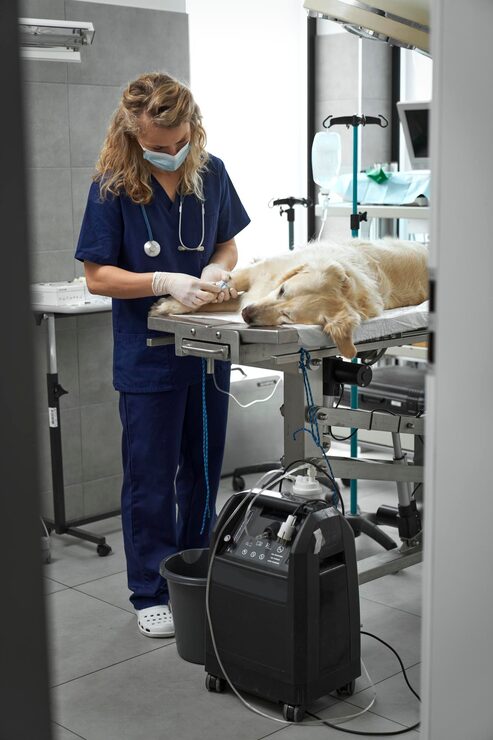
Throughout surgery, trained registered veterinary technicians (RVTs) continuously monitor vital signs using advanced monitoring equipment. Monitoring includes heart rate, respiratory rate, oxygen levels, blood pressure, body temperature, and anesthetic depth.
Continuous monitoring allows the surgical team to quickly recognize even subtle changes and respond immediately if adjustments are needed. Maintaining stable blood pressure, oxygenation, and body temperature is an important part of reducing anesthetic risks and supporting recovery.
Sterile surgical preparation and modern surgical techniques are also used to help minimize infection risk and improve healing.
Pain Management and Patient Comfort
Pain control is an essential part of veterinary surgery and recovery. In the past, dog pain was sometimes underestimated because animals cannot verbally communicate discomfort. Today, veterinary medicine recognizes that effective pain management is critical for both physical healing and emotional well-being.
At Parkdale Animal Hospital, we use individualized pain management plans tailored to each dog and procedure. Pain medications are often administered before surgery even begins, helping to prevent pain rather than simply reacting to it afterward.
Additional pain control is provided during surgery and continues throughout recovery. Depending on the procedure and patient needs, pain management may include injectable medications, oral medications, anti-inflammatory drugs, or other supportive therapies.
Proper pain control helps dogs recover more comfortably, maintain appetite, rest more effectively, and return to normal activity sooner.
Dogs experiencing pain may show signs such as restlessness, trembling, panting, reluctance to move, decreased appetite, whining, or changes in behaviour. Our team carefully monitors patients for signs of discomfort and adjusts treatment plans as needed.
Keeping your dog comfortable throughout the surgical process is one of the most important parts of the care we provide.
Common Surgical Procedures for Dogs
At Parkdale Animal Hospital, we perform a variety of surgical procedures designed to address both routine and complex medical needs.
Spay and neuter surgeries are commonly performed preventive procedures that provide health and population control benefits. These surgeries are performed under general anesthesia with careful monitoring and pain management.
Mass removals are another frequently performed surgery. Lumps and bumps should always be evaluated because early removal of concerning masses may improve treatment outcomes.
Foreign body surgeries are often necessary when dogs swallow objects that cannot pass safely through the digestive tract. Symptoms of intestinal blockage may include vomiting, lethargy, abdominal pain, decreased appetite, or inability to keep food down. Prompt treatment is extremely important in these situations.
Wound repair surgeries may involve cleaning damaged tissue, closing lacerations, or treating injuries resulting from trauma or animal bites.
Dental extractions may be recommended when teeth are severely damaged, loose, fractured, or infected. Oral health has a major impact on a dog’s overall comfort and quality of life.
Soft tissue surgeries may involve internal organs, skin, glands, or abdominal procedures. Some are planned in advance, while others may arise unexpectedly due to illness or injury.
Our veterinary team will always discuss the procedure, expected recovery, potential risks, and treatment recommendations thoroughly before surgery whenever possible.
Post-Surgical Recovery and Home Care
Recovery does not end when surgery is complete. Proper post-operative care plays a major role in healing and overall outcomes.
After surgery, dogs are carefully monitored as they wake from anesthesia. Some dogs may feel sleepy, quieter than usual, or mildly unsteady for the remainder of the day. These effects are typically temporary and improve as the anesthesia fully leaves the body.
Most dogs recover best in a quiet, comfortable environment at home with restricted activity. Running, jumping, rough play, and excessive exercise can place stress on healing tissues and increase the risk of complications.
Medication administration is also an important part of recovery. Pain medications, antibiotics, or other prescriptions should always be given exactly as directed. Even if your dog appears comfortable, completing the prescribed medication plan helps support healing and prevent complications.
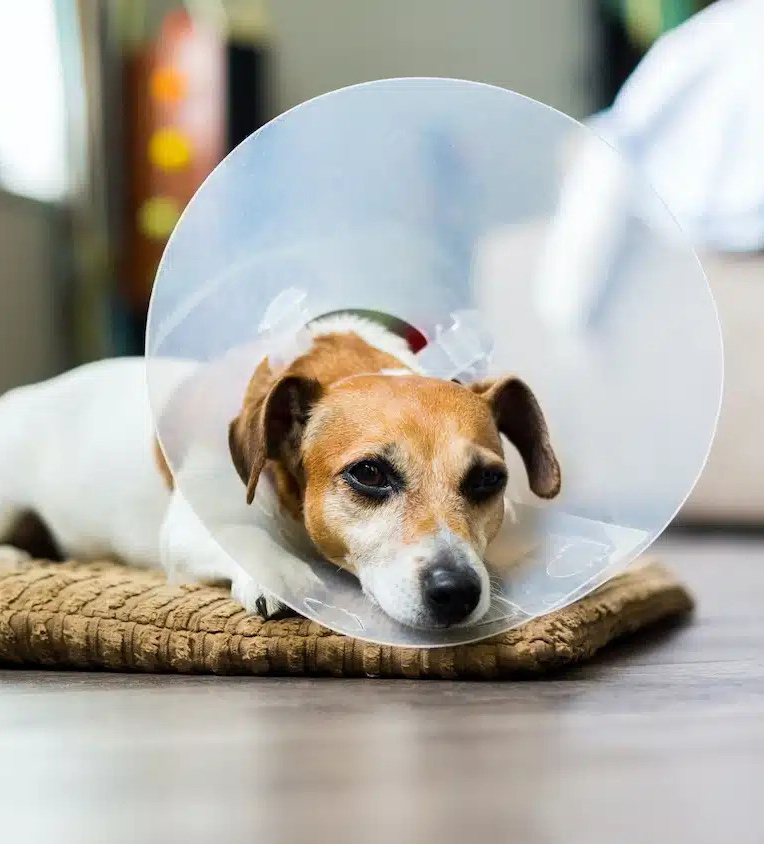
Incision care is another key aspect of recovery. Owners should monitor surgical sites daily for redness, swelling, discharge, bleeding, or excessive licking. Preventing licking is extremely important because it can delay healing and introduce infection. An e-collar or recovery cone will be sent home to be used during the healing period.
Follow-up examinations may also be scheduled to ensure recovery is progressing normally and to address any concerns.
Our team provides detailed discharge instructions and remains available to answer questions throughout your dog’s recovery process.
Emergency Surgery in Dogs
Some surgical situations require urgent or immediate treatment. Emergency surgery is often necessary when a condition threatens a dog’s life or could rapidly worsen without intervention.
Internal bleeding can occur due to trauma, ruptured masses, or other medical conditions and may require emergency stabilization and surgery.
Foreign body obstructions involving the stomach or intestines can quickly become life-threatening if untreated. When objects block the digestive tract, blood supply to the intestines may become compromised, leading to tissue damage or rupture.
Severe infections, abdominal emergencies, traumatic injuries, or complications involving internal organs may also require emergency surgical intervention.
Signs that may indicate a surgical emergency include repeated vomiting, severe lethargy, collapse, pale gums, difficulty breathing, abdominal swelling, inability to urinate, severe pain, or sudden weakness.
In emergency situations, timely veterinary care is extremely important. Our team works closely with pet owners to provide rapid assessment, stabilization, and treatment recommendations when urgent care is needed.
Supporting Pet Owners Through the Surgical Process
We understand that surgery can be stressful not only for pets, but also for the people who love them. Many owners feel anxious about anesthesia, recovery, or the possibility of complications.
At Parkdale Animal Hospital, we believe clear communication and compassionate support are an important part of quality veterinary care. We take the time to explain procedures, answer questions, discuss treatment options, and help owners feel informed throughout the process.
Our goal is to work together with dog owners to make the best decisions for each individual patient while prioritizing safety, comfort, and quality of care.
Schedule a Surgical Consultation
Whether your dog requires a routine procedure or more advanced surgical care, our veterinary team is here to help guide you through every stage of treatment and recovery.
To learn more about surgical services or to schedule a consultation, contact Parkdale Animal Hospital by phone at 519-885-1200 or click here.