
Cat Travel
Traveling with a cat can feel intimidating for many owners.
Traveling With Your Cat
Unlike dogs, most cats are deeply attached to familiar environments and routines, which means changes such as car rides, new locations, hotels, boarding facilities, airports, or even short trips to the veterinary clinic can sometimes feel very stressful for them.
At Parkdale Animal Hospital, we understand that every cat responds differently to travel. Some remain calm and adaptable, while others become anxious the moment a carrier appears. Our goal is to help owners prepare safely and thoughtfully for travel while minimizing stress and supporting both physical and emotional wellbeing throughout the experience.
Whether you are preparing for a routine veterinary visit, moving homes, traveling for vacation, boarding your cat, or planning international travel, careful preparation can make a significant difference in your cat’s comfort and safety.
Travel preparation often involves much more than simply putting a cat in a carrier. Vaccinations, parasite prevention, anxiety management, identification, medical records, and transportation safety all play important roles depending on the situation.
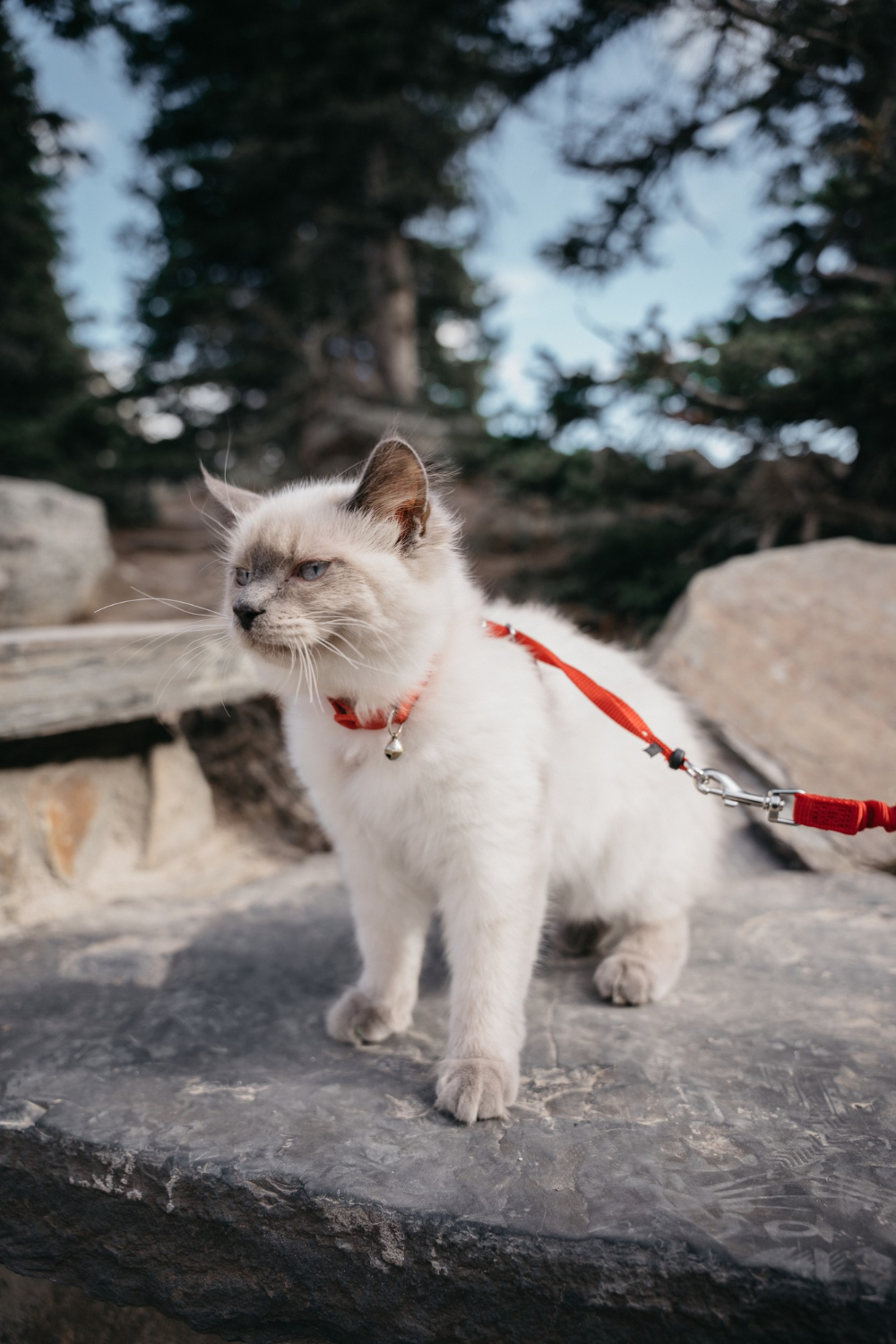

Why Travel Can Be Stressful for Cats
Cats are creatures of habit and routine. Familiar scents, sounds, and environments help them feel safe and secure.
Travel often introduces:
- Unfamiliar environments
- New sounds and smells
- Motion and vibration
- Changes in routine
- Handling and restraint
- Exposure to unfamiliar people or animals
Because cats instinctively prioritize safety and territory, sudden environmental changes may trigger stress or fear responses more strongly than many owners expect.
Some cats vocalize loudly during travel, while others may hide, pant, drool, freeze, or refuse food afterward.
At Parkdale Animal Hospital, we strongly believe minimizing stress is an important part of cat healthcare, particularly during travel and transportation.
Carrier Training Is Extremely Important
One of the most helpful things owners can do is teach cats that the carrier is a safe and positive space rather than something associated only with stressful events.
Many cats become anxious simply because the carrier only appears before veterinary visits or travel.
Ideally, carriers should remain accessible at home regularly rather than being stored away between trips.
Helpful strategies include:
- Leaving the carrier open in familiar areas
- Placing soft bedding inside
- Offering treats or meals near the carrier
- Allowing voluntary exploration
- Using calming pheromone sprays
Cats who learn to view the carrier as a normal resting area often experience significantly less stress during transportation.
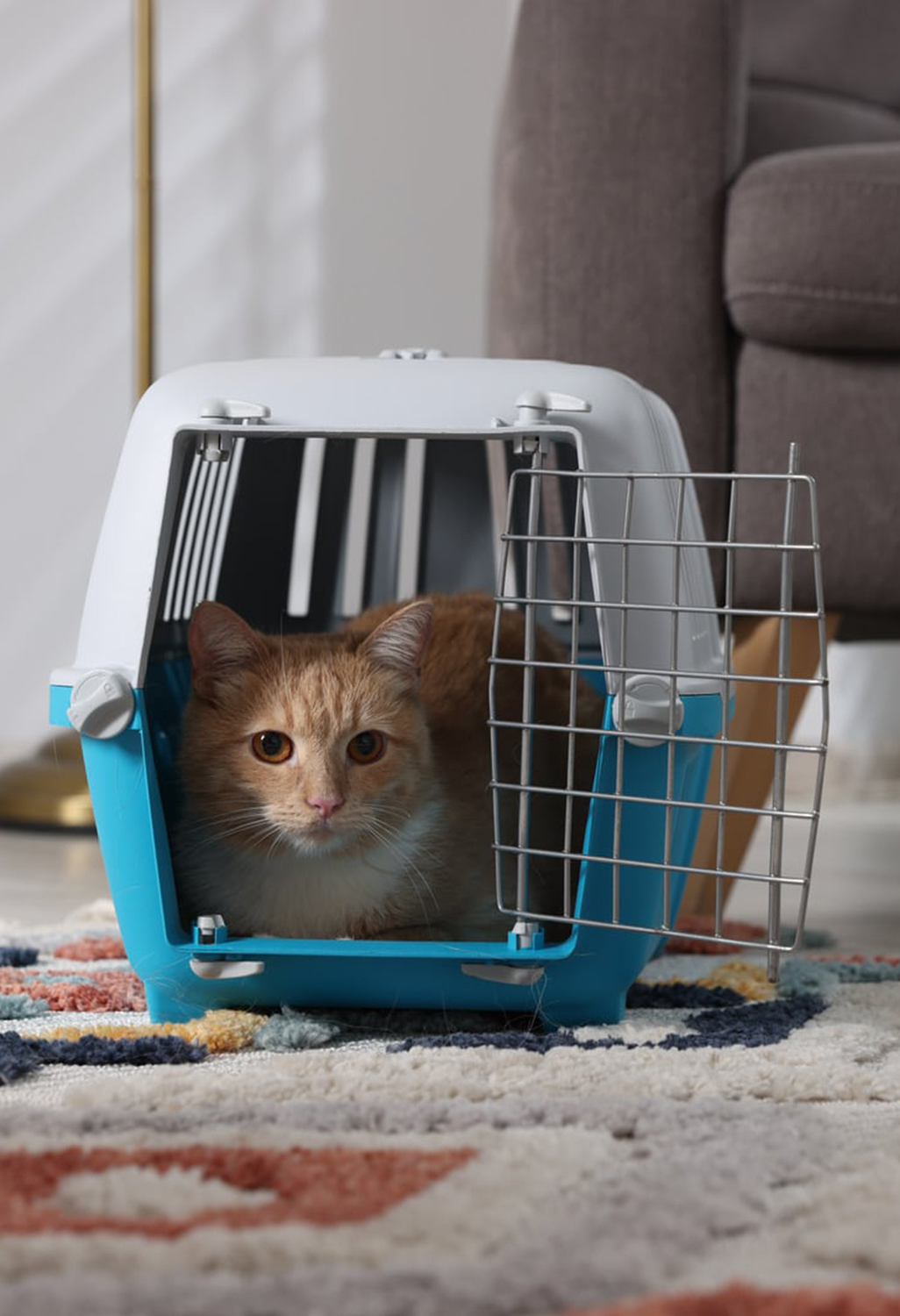
Choosing the Right Carrier
A sturdy, secure carrier is one of the most important travel tools for cats.
The ideal carrier should:
- Allow the cat to stand and turn around comfortably
- Provide good ventilation
- Be secure and escape-proof
- Be easy to clean
- Provide stability during transport
Hard-sided carriers are often preferred because they provide structure and protection, although some cats do well in soft-sided carriers depending on the travel situation.
Top-loading carriers can also make veterinary visits easier because they allow gentler removal with less stress for some cats.
Car Travel With Cats
All cats should always travel in a secure carrier rather than loose within the vehicle.
Loose cats may become frightened, interfere with driving, or hide under pedals or seats during emergencies.
For safety, carriers should ideally be:
- Secured with a seatbelt
- Positioned on a stable surface
- Kept away from direct sunlight
- Maintained at comfortable temperatures
Some cats vocalize extensively during car rides. Others remain quiet but highly stressed.
Helpful strategies to reduce stress may include:
- Covering portions of the carrier with a light towel
- Playing calm music
- Avoiding sudden loud noises
- Using familiar bedding or scents
- Using veterinarian-recommended calming products
Cats should never be left unattended in vehicles, particularly during warm weather, as temperatures can become dangerous extremely quickly.
Motion Sickness in Cats
Some cats experience motion sickness during travel.
Signs may include:
- Drooling
- Vomiting
- Restlessness
- Excessive vocalization
- Panting
If your cat consistently becomes nauseated during travel, veterinarians may recommend medications to help reduce nausea and improve comfort.
Because stress itself may worsen nausea, combining anti-nausea support with anxiety reduction strategies often provides the best results.
Anxiety and Stress During Travel
Travel-related anxiety is extremely common in cats.
Some cats experience only mild nervousness, while others become highly distressed.
Signs of travel anxiety may include:
- Panting
- Vocalization
- Trembling
- Hiding
- Aggression
- Excessive drooling
- Urination or defecation in the carrier
At Parkdale Animal Hospital, we frequently help owners develop individualized travel plans for anxious cats.
Depending on the severity of anxiety, recommendations may include:
- Carrier training
- Calming supplements
- Pheromone products
- Prescription anti-anxiety medications
- Sedation for specific situations
Travel medications should always be discussed with a veterinarian beforehand because some products are safer and more appropriate than others depending on the cat’s health and travel plans.
Flying With Cats
Air travel requires additional planning and preparation.
Airlines often have specific requirements regarding:
- Carrier dimensions
- Health certificates
- Vaccination records
- Identification
- Travel documentation
Some airlines allow cats to travel in-cabin, while others require cargo transport depending on flight regulations and destination.
Whenever possible, in-cabin travel is preferred because it allows closer monitoring and minimizes environmental stressors.
Before flying, owners should confirm all airline requirements carefully well in advance of travel dates.
Be sure to visit the CFIA for all travel information.
Health Certificates and Travel Documentation
Certain travel situations require official veterinary health certificates.
Health certificates may be needed for:
- International travel
- Airline travel
- Border crossings
- Certain boarding facilities
Travel documentation requirements vary significantly depending on the destination.
Additional requirements may include:
- Rabies vaccination verification
- Microchip identification
- Parasite prevention records
- Import permits
- Blood testing
Because international regulations may change frequently, owners should begin planning well in advance whenever possible.
At Parkdale Animal Hospital, we can help guide owners through travel-related veterinary requirements and documentation.

Microchipping and Identification
Permanent identification becomes especially important when traveling.
Even indoor cats may become frightened and escape unexpectedly in unfamiliar environments.
Microchipping significantly improves the chances of reunion if a cat becomes lost during travel.
Cats should also ideally travel with:
- Updated identification tags
- Current contact information
- Carrier labels
- Recent photos available if needed
Before traveling, owners should ensure microchip registration information is fully up to date.
Traveling With Medications
Cats taking medications may require additional planning before travel.
Owners should bring:
- Extra medication
- Copies of prescriptions
- Feeding instructions
- Medical records if needed
Medications should remain easily accessible during transport rather than packed away separately.
If a cat requires refrigeration for medications such as insulin, proper cooling and storage plans are also important.
Boarding and Pet Sitters
Some cats do better staying home with a trusted caregiver rather than accompanying owners on trips.
Options may include:
- In-home pet sitters
- Family members
- Boarding facilities
Cats often experience less stress remaining within familiar territory, particularly for shorter trips.
However, some cats do very well boarding or traveling depending on personality and previous experiences.
When choosing a boarding facility, owners should consider:
- Cleanliness
- Stress reduction practices
- Medical supervision
- Vaccination requirements
- Handling methods
- Individualized care
Feeding and Hydration During Travel
Some cats eat less during stressful situations, including travel.
Owners should bring:
- Familiar food
- Water from home if possible
- Favorite treats
- Feeding supplies
Abrupt dietary changes during travel may increase gastrointestinal upset or appetite reduction.
Hydration is also important because stressed cats may drink less than usual.
For longer trips, offering water periodically and monitoring appetite carefully is important.
Hotel and Temporary Housing Safety
Cats staying in hotels or temporary accommodations should ideally remain in a quiet, secure area initially while adjusting.
Potential escape risks should be evaluated carefully, including:
- Open windows
- Balconies
- Damaged screens
- Doors leading outdoors
Allowing cats time to acclimate gradually often helps reduce stress.
Providing familiar bedding, litterboxes, toys, and hiding spaces may help create a greater sense of security in unfamiliar environments.
Signs Your Cat May Not Be Coping Well With Travel
Some cats adapt well to travel, while others experience significant stress.
Signs of excessive stress may include:
- Refusing food
- Hiding continuously
- Vomiting
- Diarrhea
- Rapid breathing
- Persistent vocalization
- Aggression
- Extreme lethargy
If severe symptoms develop during or after travel, veterinary evaluation may be necessary.
Stress can occasionally trigger medical conditions in cats, particularly urinary disease or appetite-related complications.
Veterinary Visits and Travel Preparation
Routine veterinary visits are often an important part of travel planning.
Before major travel, veterinarians may recommend:
- Wellness examinations
- Vaccination updates
- Parasite prevention
- Health certificates
- Anxiety management plans
- Medication discussions
Senior cats or cats with chronic medical conditions may require additional monitoring before longer trips or major environmental changes.
At Parkdale Animal Hospital, we work closely with owners to create individualized travel plans that prioritize both safety and emotional wellbeing.
Compassionate, Individualized Travel Support
At Parkdale Animal Hospital, we understand that traveling with cats is not always simple. Every cat has a unique personality, comfort level, and tolerance for environmental change. Some adapt quickly, while others require significant support and preparation to travel safely and comfortably.
As an independently owned hospital, we focus on individualized care centered around communication, education, and thoughtful recommendations tailored to each cat’s needs. Our goal is not simply helping cats get from one location to another, but helping them remain as calm, comfortable, and safe as possible throughout the process.
Whether you are preparing for a veterinary visit, moving homes, boarding your cat, planning air travel, or simply trying to make car rides less stressful, our team is here to help guide you with practical advice and supportive care.
If you have questions about traveling with your cat, travel medications, health certificates, or stress management strategies, please contact Parkdale Animal Hospital by phone at 519-885-1200 or click here to schedule an appointment.