
Dog Puppy Care
Bringing home a new puppy is an exciting and rewarding experience.
Puppy Veterinary Care and Early Development
Puppies quickly become important members of the family, and the early months of life play a major role in shaping their long-term health, behaviour, and overall wellbeing. Along with the excitement of welcoming a puppy into your home comes the responsibility of providing proper veterinary care, nutrition, training, and preventive healthcare during a period of rapid growth and development.
At Parkdale Animal Hospital, we provide comprehensive puppy care focused on helping young dogs grow into healthy, confident, and well-adjusted adults. Early veterinary visits are about much more than vaccinations alone. Puppy care involves monitoring physical development, preventing infectious disease, guiding nutrition, supporting behavioural development, and helping owners establish healthy routines that will benefit their dog throughout life.
The first year of life is one of the most important stages in a dog’s development. Early experiences, preventive care, and health monitoring can have a lasting impact on both physical and behavioural health for years to come.
Why Early Puppy Care Is Important
Puppies experience extremely rapid growth and development during the first several months of life. Their immune systems are still maturing, bones and joints are developing, and they are learning how to interact with the world around them.
Proper veterinary care during this period helps support healthy growth while reducing the risk of illness and developmental problems. Early medical care also allows veterinarians to identify congenital or inherited conditions before they become more serious.
Preventive healthcare during puppyhood helps protect against infectious diseases that can be severe or life-threatening in young dogs. Puppies are particularly vulnerable because their immune systems are not yet fully developed.
In addition to physical health, puppyhood is also a critical time for behavioural and social development. Positive early experiences often help puppies become more confident, adaptable, and comfortable in new situations as adults.
Routine veterinary visits also provide important opportunities for owners to ask questions about nutrition, behaviour, training, exercise, grooming, parasite prevention, and long-term healthcare planning.
Puppy Wellness Examinations
Regular wellness examinations are an important part of early puppy care. Puppies typically require multiple veterinary visits during their first year to monitor growth, administer vaccinations, and evaluate overall health.
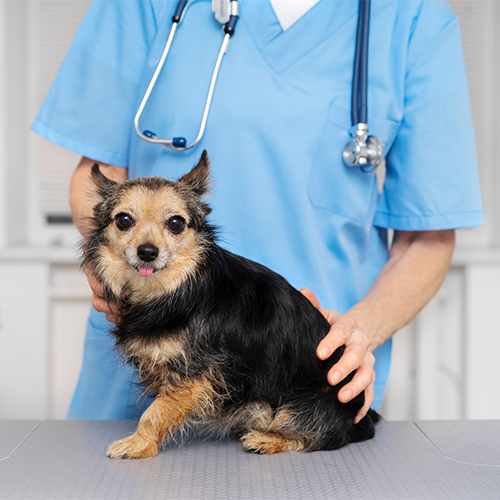
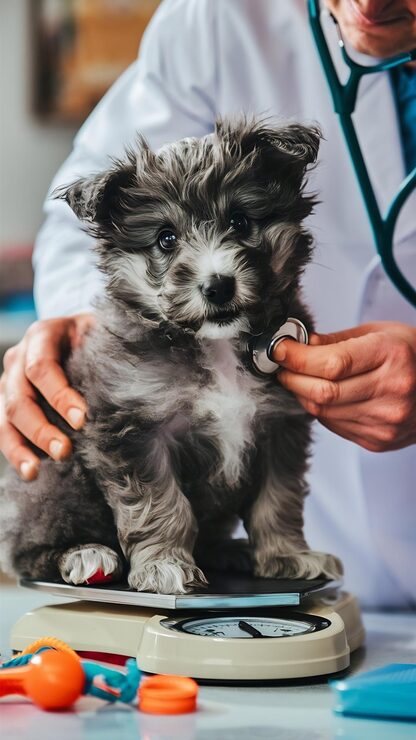
During puppy examinations, veterinarians assess body weight, growth rate, body condition, muscle development, and general physical health. Monitoring growth patterns is especially important because rapid changes occur throughout puppyhood.
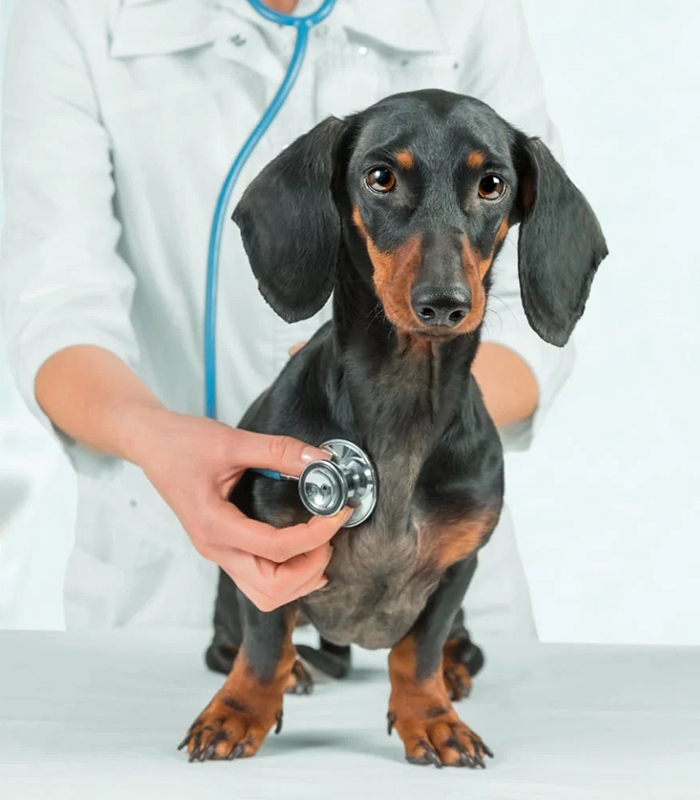
Physical examinations commonly include evaluation of the heart, lungs, abdomen, eyes, ears, skin, teeth, joints, and mobility. Veterinarians also look for signs of congenital abnormalities, developmental concerns, or early illness.
Puppy visits provide opportunities to discuss common concerns such as house training, chewing, teething, socialization, sleep schedules, exercise needs, and behavioural development.
Because puppies grow and change quickly, regular monitoring allows healthcare recommendations to be adjusted as the puppy matures.
Puppy Vaccinations and Disease Prevention
Vaccinations are one of the most important components of preventive healthcare during puppyhood. Young puppies are highly susceptible to infectious diseases because their immune systems are still developing and maternal antibodies gradually decline over time.
A series of vaccinations is required during the first several months of life to help puppies build effective immunity against serious diseases.
Core vaccines commonly protect against distemper virus, parvovirus, adenovirus, and rabies. Additional vaccines such as Bordetella and leptospirosis may also be recommended depending on lifestyle, social exposure, travel habits, and regional disease risks.
Parvovirus and distemper are particularly concerning in puppies because these diseases can cause severe illness and may become life-threatening.
Vaccination schedules are carefully timed to provide protection while accounting for the gradual loss of maternal antibodies inherited from the mother.
Because every puppy’s lifestyle and exposure risk may differ, vaccination recommendations are individualized based on the dog’s specific circumstances.
Our veterinary team works closely with families to create vaccination plans designed to provide effective protection while supporting long-term health.
Parasite Prevention for Puppies
Puppies are especially vulnerable to both internal and external parasites. Many puppies are born with intestinal parasites or become infected early in life through environmental exposure.
Common intestinal parasites in puppies include roundworms, hookworms, whipworms, and Giardia. These parasites may contribute to diarrhea, vomiting, poor growth, weight loss, bloated appearance, or general illness.
Some intestinal parasites may also pose risks to human health, particularly for young children.
Routine deworming protocols are an important part of preventive puppy care and help reduce parasite burdens during early development.
Puppies may also require flea and tick prevention depending on age, season, and lifestyle factors. Tick populations continue to increase throughout Ontario, making parasite prevention increasingly important even for young dogs.
Heartworm prevention may also be introduced as puppies become old enough and depending on regional mosquito exposure risk.
Preventive care plans are individualized based on the puppy’s age, lifestyle, and environmental exposure.
Proper Nutrition for Growing Puppies
Nutrition plays a critical role during puppyhood because proper growth and development depend on balanced dietary support.
Puppies require carefully formulated diets designed specifically for growth. These diets provide appropriate levels of protein, fat, calories, vitamins, and minerals needed to support healthy development of bones, muscles, organs, and the immune system.
Large-breed puppies often require specially formulated diets that support controlled growth and help reduce excessive strain on developing joints and bones.
Feeding inappropriate diets or excessive calories during growth may contribute to developmental orthopedic problems and long-term health concerns.
Puppies also have different feeding schedules than adult dogs and generally require more frequent meals during early development.
At Parkdale Animal Hospital, we help owners choose appropriate diets based on breed size, growth expectations, activity level, and individual health needs.
Nutritional guidance during puppyhood helps support healthy body condition while avoiding overfeeding or nutritional imbalance.
Behavioural Development and Socialization
Behavioural development during puppyhood has a major influence on how dogs respond to people, animals, and new situations throughout life.
Early socialization is one of the most important factors in helping puppies develop confidence and emotional stability. Puppies exposed to positive experiences during early development are often better able to adapt to unfamiliar environments and situations as adults.
Socialization involves gradual, positive exposure to a variety of people, sounds, surfaces, environments, handling experiences, and other animals.
Positive reinforcement training methods help puppies learn appropriate behaviours while building trust and confidence.
Puppyhood is also an ideal time to introduce grooming routines, nail trims, tooth brushing, handling exercises, and veterinary visits in a calm and positive manner.
Early training and socialization may help reduce fear, anxiety, and behavioural problems later in life.
Because behavioural development occurs rapidly during the first few months, consistent positive experiences are especially important during this period.

Monitoring for Congenital and Developmental Conditions
Early veterinary care also helps identify congenital or developmental abnormalities that may not be immediately obvious when puppies are very young.
Some congenital conditions may involve the heart, eyes, joints, bones, abdominal wall, or neurologic system.
Conditions such as heart murmurs, hernias, bone/joint abnormalities, retained baby teeth, or developmental eye conditions may sometimes be detected during routine examinations.
Early identification allows veterinarians to monitor progression, recommend additional testing when necessary, and discuss treatment or management options with owners.
Some developmental conditions benefit significantly from early intervention or monitoring before complications develop.
Routine puppy examinations provide valuable opportunities to track physical development closely during periods of rapid growth.
Dental Development During Puppyhood
Puppies undergo significant dental changes during the first several months of life. Baby teeth gradually fall out and are replaced by permanent adult teeth.
Monitoring dental development helps identify retained baby teeth, bite abnormalities, or oral health concerns early.
Teething may also contribute to chewing behaviour, mild discomfort, and increased interest in chewing objects during certain stages of development.
Introducing dental care routines early often helps dogs become more accepting of tooth brushing and oral handling as adults.
Good dental habits established during puppyhood may contribute to improved long-term oral health and reduced dental disease later in life.
Spay and Neuter Planning
Spay and neuter planning is another important topic discussed during puppy care visits.
The appropriate timing for spay or neuter procedures varies depending on breed, size, sex, lifestyle, and individual health considerations. Recommendations continue to evolve as more research becomes available regarding growth, orthopedic development, and long-term health outcomes.
Our veterinary team works with owners to discuss the potential benefits, timing considerations, and individual factors involved in making these decisions.
Planning ahead also allows owners to prepare appropriately for surgical care and recovery.
Establishing Lifelong Healthy Habits
Puppyhood is the ideal time to establish healthy routines that support lifelong wellness.
Exercise habits, nutritional management, grooming routines, dental care, training consistency, and preventive healthcare all begin during early development.
Dogs that become comfortable with routine veterinary visits, handling, grooming, and positive reinforcement training as puppies are often less stressed during future medical care.
Establishing consistent routines early also helps owners feel more confident managing their dog’s healthcare needs over time.
Preventive medicine during puppyhood lays the foundation for healthier adulthood and may help reduce the risk of future medical and behavioural problems.
Compassionate Puppy Care
At Parkdale Animal Hospital, we are committed to supporting both puppies and their families throughout every stage of development.
We understand that raising a puppy comes with many questions, and our team is here to provide guidance, education, and compassionate veterinary care during this exciting stage of life.
From vaccinations and nutrition to behavioural support and preventive healthcare, we strive to help puppies receive the healthiest possible start while supporting owners every step of the way.
Schedule a Puppy Visit
If you have recently welcomed a new puppy into your family or would like to schedule preventive care for your growing dog, the team at Parkdale Animal Hospital is here to help.
To schedule a puppy wellness examination or learn more about our puppy care services, please contact our hospital at 519-885-1200 or click here.