
Cat Grooming and Coat Care
Cats are well known for being meticulous groomers.
Cat Grooming and Coat Care
Many spend a large portion of their day cleaning themselves, maintaining their coat, and regulating body temperature through grooming behaviours. Because cats naturally groom so frequently, many owners assume they never require additional grooming support. In reality, regular grooming and coat care still play an important role in a cat’s overall health, comfort, and quality of life.
At Parkdale Animal Hospital, we view grooming as much more than simply maintaining appearance. A healthy coat and skin condition are closely connected to overall wellbeing. Changes in grooming habits, coat quality, skin health, or haircoat maintenance can sometimes indicate underlying medical conditions, pain, stress, obesity, dental disease, arthritis, or other health concerns.
Some cats are able to maintain their coat very effectively throughout life, while others eventually require assistance due to age, medical conditions, coat type, temperament, or mobility limitations. Long-haired cats, overweight cats, senior cats, and cats with arthritis are especially prone to developing mats and grooming difficulties over time.
Our goal is to help owners understand the importance of cat grooming, recognize when problems may be developing, and provide safe, compassionate support when grooming assistance is needed.
Why Grooming Is Important for Cats
A cat’s coat does much more than simply look soft and fluffy. Healthy skin and fur help protect the body, regulate temperature, provide sensory information, and support overall comfort.
Regular grooming helps:
- Remove loose hair
- Reduce matting
- Minimize hairballs
- Improve skin circulation
- Distribute natural oils throughout the coat
- Allow earlier detection of skin abnormalities
- Improve comfort and mobility
For many cats, grooming is also closely tied to emotional wellbeing and normal cat behaviour. Cats who stop grooming appropriately are often experiencing an underlying issue that deserves attention.
Because cats naturally hide discomfort, changes in grooming habits may be one of the earliest signs that something is wrong medically.
Changes in Grooming Can Signal Health Problems
Cats are creatures of habit. When grooming behaviours change, there is often an underlying reason.
A cat who suddenly stops grooming may be experiencing:
- Arthritis or joint pain
- Obesity limiting mobility
- Dental pain
- Illness
- Stress or anxiety
- Chronic pain
- Neurological disease
- General weakness
On the other hand, excessive grooming may also indicate medical or behavioural concerns.
Overgrooming may be associated with:
- Allergies
- Fleas or parasites
- Skin infections
- Stress or anxiety
- Pain
- Environmental irritation
Cats with excessive grooming sometimes develop bald patches, broken hairs, inflamed skin, or recurrent skin infections.
Because coat and grooming changes can reflect broader health issues, veterinary evaluation is often recommended when owners notice sudden or progressive differences in grooming behaviour.
Long-Haired Cats and Coat Maintenance
Long-haired cats are particularly prone to coat maintenance challenges.
Breeds such as Persians, Maine Coons, Ragdolls, and domestic long-haired cats may develop tangles and mats more easily because their coat is denser and longer. Even cats who groom themselves frequently may struggle to keep up with certain areas of the body.
Common problem areas include:
- Under the front legs
- Around the hind end
- Along the belly
- Behind the ears
- Around the tail base
Mats can become surprisingly uncomfortable over time. As they tighten against the skin, they may pull on the haircoat, restrict movement, trap moisture and debris, and contribute to skin irritation or infection underneath.
Severe matting can significantly affect comfort and quality of life, especially in older or overweight cats.
Why Mats Should Never Be Ignored
Some owners view mats as mainly cosmetic, but they can actually become quite painful for cats.
Mats pull continuously on the skin and may:
- Restrict movement
- Cause discomfort
- Trap moisture and bacteria
- Lead to skin infections
- Hide wounds or parasites
- Make grooming increasingly difficult
Cats with extensive matting often become trapped in a cycle where discomfort discourages grooming, which then allows mats to worsen further.
Attempting to cut mats out at home can also be risky. Cat skin is extremely delicate and tears easily. Serious injuries can occur accidentally when scissors or clippers are used improperly.
Professional grooming assistance is often the safest option for heavily matted cats.
Senior Cats and Grooming Difficulties
As cats age, grooming often becomes more challenging.
Arthritis is extremely common in older cats, yet many owners do not realize their cat is painful because symptoms are often subtle. Cats with arthritis may struggle to twist, bend, or reach certain parts of their body comfortably.
Signs that arthritis may be affecting grooming include:
- Greasy or unkempt fur
- Mats along the back or hind end
- Difficulty jumping
- Reduced activity
- Hesitation with stairs or furniture
- Increased sleeping
- Changes in litterbox posture
Senior cats may also lose muscle mass and flexibility, making self-grooming physically more difficult.
In some cases, grooming changes are one of the first signs that a senior cat is experiencing discomfort.
Obesity and Coat Care Challenges
Overweight cats are also at increased risk for grooming difficulties.
Cats carrying excess weight may struggle to reach certain areas of the body, particularly the lower back, belly, and hindquarters. This can lead to:
- Matting
- Greasy fur
- Dandruff buildup
- Fecal contamination around the hind end
- Skin irritation
Obesity can additionally increase the risk of arthritis and reduce overall mobility, further complicating grooming behaviours.
Helping overweight cats maintain healthy skin and coat condition often involves a combination of grooming support, weight management, and treatment of any underlying discomfort.
Hairballs in Cats
Hairballs are another common concern related to cat grooming.
As cats groom themselves, they naturally swallow loose hair. Most of this hair passes through the digestive tract normally, but some cats accumulate hair within the stomach, eventually vomiting it back up as a hairball.
Occasional hairballs may be relatively normal, particularly in long-haired cats during shedding seasons. However, frequent hairballs may indicate excessive shedding, overgrooming, poor coat maintenance, or underlying gastrointestinal concerns.
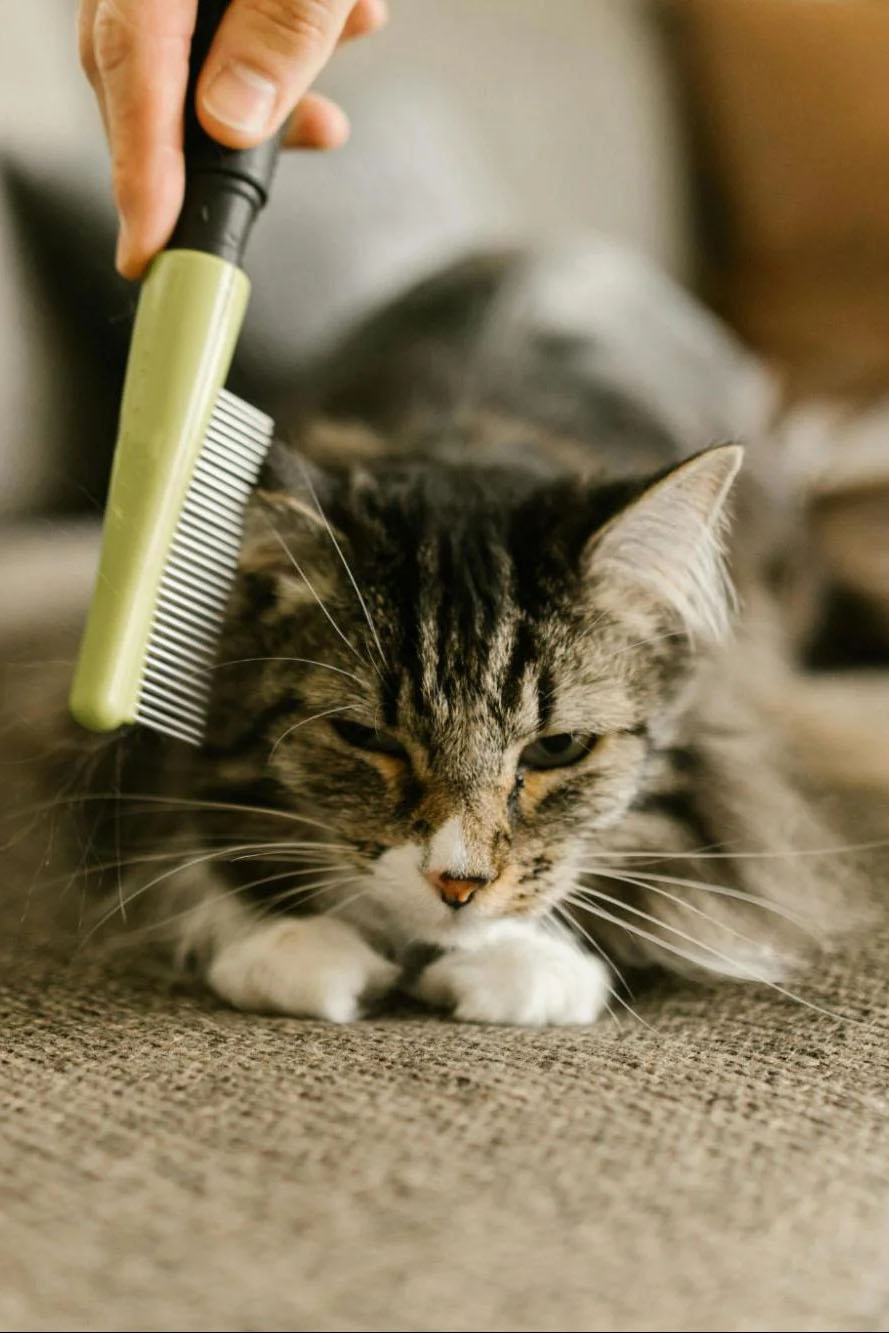
Regular brushing can help reduce loose hair and minimize hairball formation.
Owners should also contact their veterinarian if their cat is:
- Vomiting frequently
- Retching without producing a hairball
- Constipated
- Experiencing appetite changes
- Lethargic
- Having recurrent digestive upset
In some cases, symptoms initially assumed to be “just hairballs” may actually reflect more serious gastrointestinal disease.
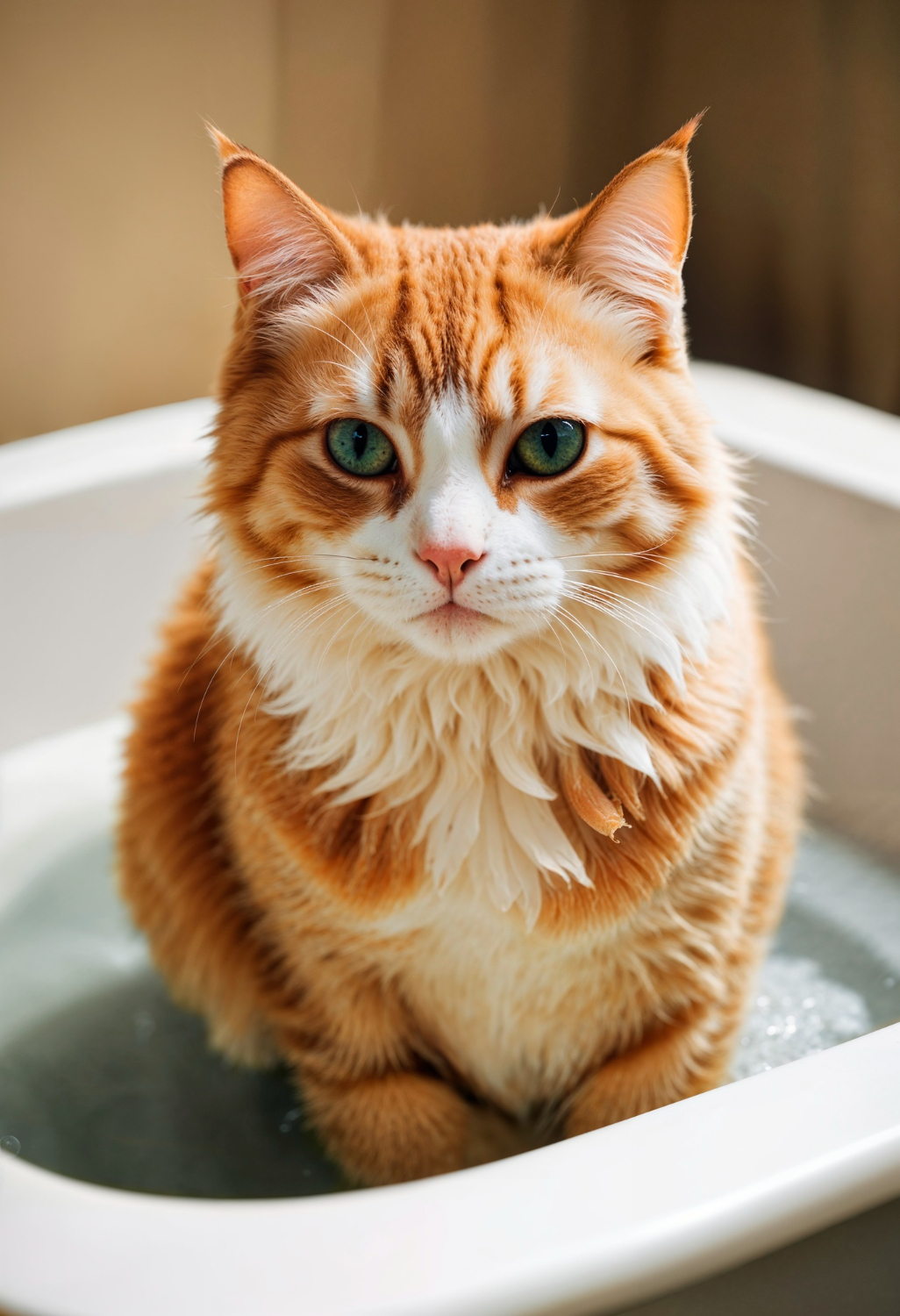
Bathing Cats
Most healthy cats do not require routine bathing because they groom themselves so effectively. However, some situations may warrant bathing support.
Bathing may occasionally be recommended for:
- Cats with skin conditions
- Cats exposed to sticky or toxic substances
- Obese cats unable to groom properly
- Cats with fecal contamination
- Certain allergy or dermatology cases
Bathing cats can be stressful for both pets and owners, particularly if the cat is fearful or painful. Improper bathing techniques may also increase stress or risk injury.
Whenever possible, grooming and bathing should be approached calmly and safely with attention to minimizing fear and anxiety.
Nail Trimming for Cats
Nail care is another important part of cat grooming.
Cats naturally shed the outer layers of their nails through scratching behaviours, but some cats still require regular nail trims, particularly:
- Indoor cats
- Senior cats
- Cats with mobility issues
- Cats with overgrown nails
- Cats prone to nails curling into the paw pads
Overgrown nails can become painful and may even grow into the footpad if left unmanaged.
Routine nail trims can help improve comfort while also reducing accidental scratches to owners, furniture, and other pets.
Grooming and Stress in Cats
Cats are highly sensitive animals, and grooming experiences can become stressful very quickly if not approached appropriately.
Fearful or anxious cats may react defensively when restrained or handled, particularly if mats or sensitive areas are painful. This is why gentle handling and low-stress techniques are so important during grooming procedures.
At Parkdale Animal Hospital, we recognize that every cat has a different comfort level and personality. Some tolerate grooming easily, while others become extremely anxious with restraint or handling.
In certain situations, mild sedation may be recommended to safely and humanely perform necessary grooming procedures for severely matted or highly stressed cats. Sedation is never used for convenience alone. Its purpose is to reduce fear, prevent injury, and improve the overall experience for cats who would otherwise experience significant distress.
Skin and Coat Health
Healthy skin and coat condition are often important reflections of overall health.
A healthy coat is typically:
- Soft and clean
- Relatively free of dandruff
- Even in appearance
- Free of strong odor
- Comfortable for the cat
Changes such as excessive dandruff, oily fur, bald patches, redness, scabs, or chronic itching may indicate underlying medical concerns.
Potential causes may include:
- Allergies
- Parasites
- Skin infections
- Hormonal disease
- Nutritional deficiencies
- Stress
- Chronic illness
Because skin conditions can have many different causes, veterinary evaluation is often necessary to determine appropriate treatment and long-term management.
Helping Your Cat at Home
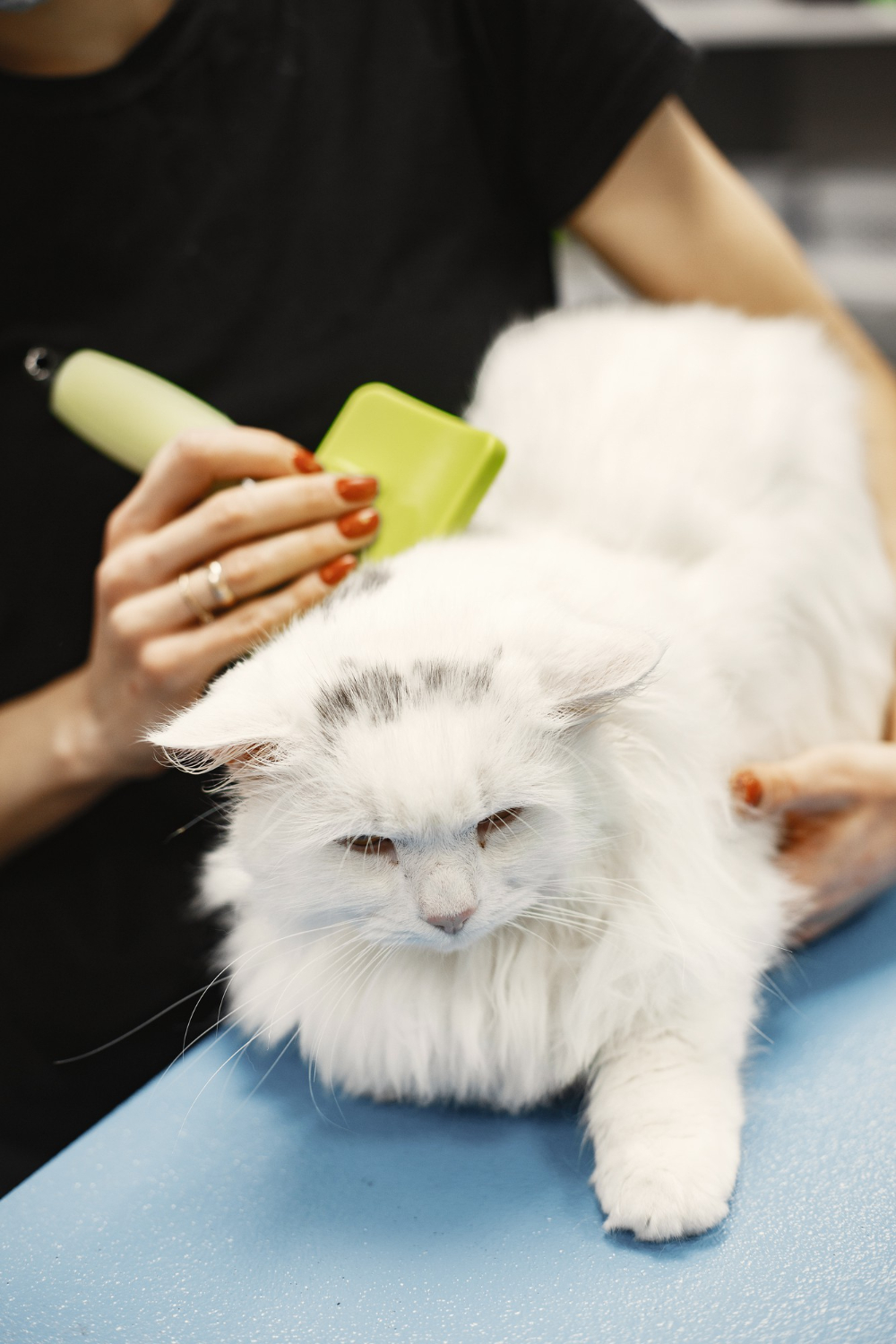
Many cats benefit from regular brushing at home, especially long-haired breeds or cats prone to shedding and matting.
Brushing helps remove loose hair before it forms tangles and may also strengthen the bond between cats and owners when introduced gradually and positively.
Some cats enjoy brushing immediately, while others require a slower introduction. Keeping grooming sessions short, calm, and rewarding often leads to better long-term success.
Owners should avoid pulling on mats or forcing grooming if their cat becomes highly stressed or painful. If grooming becomes difficult at home, veterinary assistance may help prevent problems from worsening.
Compassionate Grooming Support
At Parkdale Animal Hospital, we understand that grooming needs vary significantly from cat to cat. Some require only occasional coat maintenance, while others need more ongoing support due to age, medical conditions, temperament, or coat type.
Our team focuses on compassionate, low-stress handling while helping owners recognize when grooming concerns may indicate deeper medical issues. We believe grooming should support both physical comfort and emotional wellbeing, not simply appearance.
As an independently owned hospital, we are able to provide individualized care tailored to each cat’s unique needs. Whether your cat requires help with matting, coat maintenance, nail trims, skin concerns, or underlying medical issues affecting grooming behaviours, our team is here to help support both you and your pet.
If you have concerns about your cat’s coat, skin health, grooming habits, or matting, please contact Parkdale Animal Hospital at 519-885-1200 or by clicking here to schedule an examination. Early intervention can often prevent minor grooming concerns from developing into larger health and comfort issues over time.