
Cat Surgery
Hearing that your cat needs surgery can feel overwhelming. Many owners immediately worry about anesthesia, pain, recovery, and what the procedure means for their pet’s long-term health.
Cat Surgery and Surgical Care
At Parkdale Animal Hospital, we understand those concerns and believe that thoughtful communication, careful planning, and compassionate care are just as important as the surgery itself.
Cats are incredibly resilient animals, but they are also exceptionally good at hiding pain and illness. In many cases, surgery becomes an important step toward relieving discomfort, improving quality of life, treating disease, or preventing medical problems from progressing further.
Our approach to cat surgery focuses on patient safety, individualized anesthetic planning, advanced monitoring, pain management, and attentive recovery care. Whether your cat requires a routine procedure such as a spay or neuter, dental surgery, mass removal, abdominal surgery, or a more complex operation, our goal is to provide thorough, compassionate care tailored specifically to your pet’s needs.
We recognize that surgery affects not only the patient, but also the family who loves them. Our team is committed to helping owners feel informed, supported, and involved throughout every stage of the surgical process.
Why Cats May Need Surgery
Cats may require surgery for many different reasons throughout their lives.
Some procedures are preventative, while others are performed to diagnose, treat, or relieve medical conditions.
Common feline surgical procedures include:
- Spaying and neutering
- Dental extractions
- Mass removals
- Wound repair
- Bladder surgery
- Abdominal surgery
- Orthopedic procedures
- Foreign body removal
- Eye surgery
- Biopsies
In many situations, surgery provides the best opportunity to improve comfort, address pain, or treat disease effectively.
Because cats instinctively hide illness, some owners are surprised to learn their cat may have been uncomfortable for quite some time before symptoms became obvious.
The Importance of Pre-Surgical Planning
At Parkdale Animal Hospital, surgery begins long before the actual procedure itself.
Careful preparation and evaluation help us better understand each patient’s overall health and tailor anesthesia and treatment plans accordingly.
Before surgery, all cats will undergo:
- A physical examination
- Review of medical history
- Pre-anesthetic bloodwork
- Discussion of medications and health concerns
- Surgical planning and consent review
Pre-anesthetic testing is especially important because cats can have underlying medical conditions that are not visible externally.
Bloodwork helps evaluate:
- Kidney function
- Liver function
- Blood sugar
- Hydration status
- Red blood cell levels
- Signs of infection or inflammation
These results help guide anesthetic choices and improve overall patient safety.
Anesthesia Safety for Cats
One of the biggest concerns many owners have surrounding surgery is anesthesia.
At Parkdale Animal Hospital, anesthesia safety is taken extremely seriously. Every cat receives an individualized anesthetic plan based on factors such as:
- Age
- Breed
- Weight
- Medical history
- Bloodwork results
- Procedure type
- Overall health status
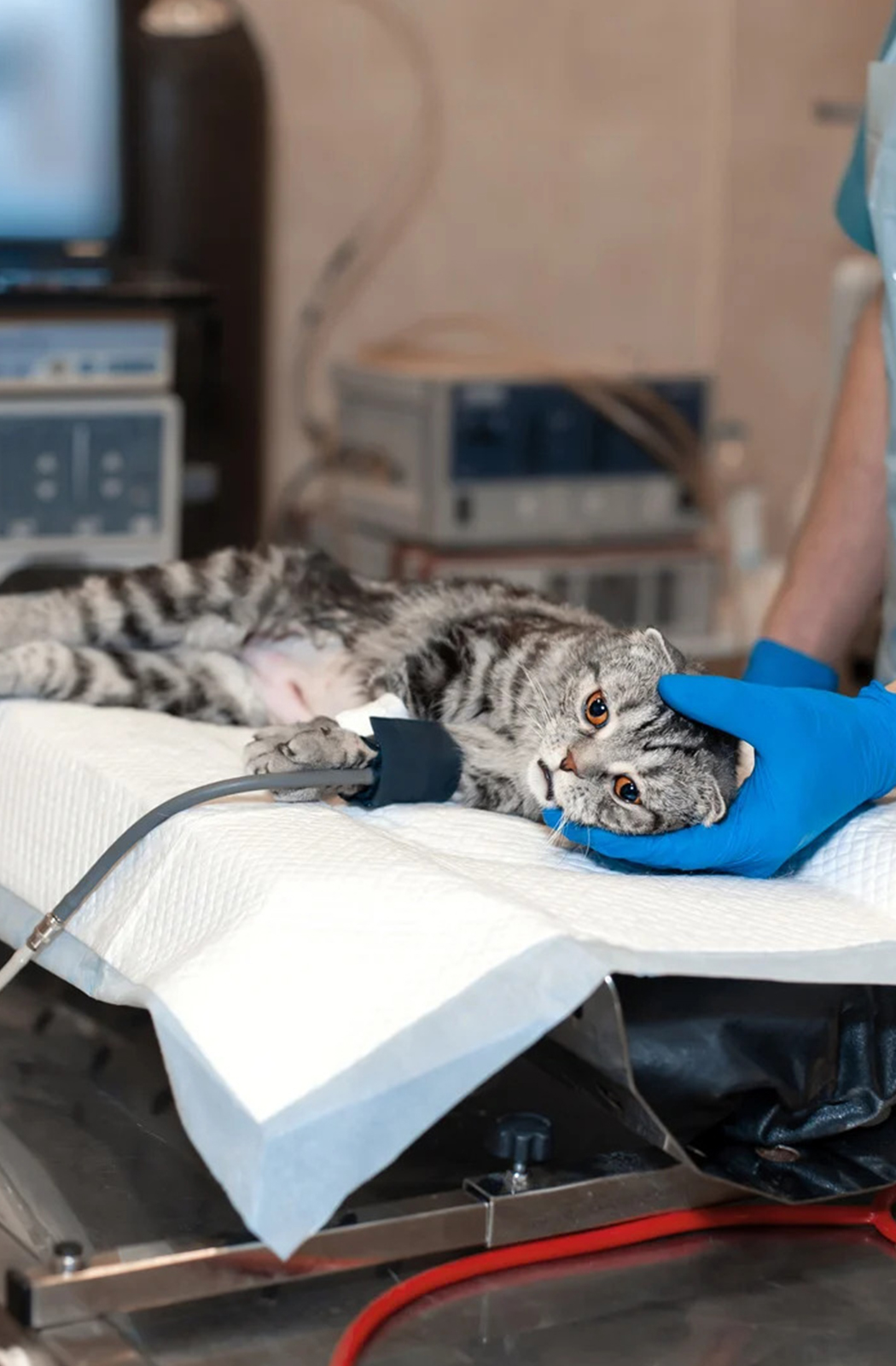
Cats undergoing anesthesia are carefully monitored throughout the procedure by trained veterinary professionals using advanced monitoring equipment.
Monitoring includes:
- Heart rate
- Oxygen levels
- Carbon dioxide levels
- ECG monitoring
- Blood pressure
- Temperature
We also use intravenous fluids during many procedures to help support circulation, blood pressure, and hydration throughout anesthesia.
Because cats can lose body heat quickly under anesthesia, active warming support is also an important part of surgical care and recovery monitoring.
Pain Management in Cats
Cats experience pain just like people do, even though they often hide discomfort extremely well.
At Parkdale Animal Hospital, we strongly believe pain management is an essential part of high-quality surgical care.
Pain control improves:
- Comfort
- Recovery
- Appetite
- Mobility
- Healing
- Overall wellbeing
Depending on the procedure, pain management may involve:
- Injectable pain medications
- Oral medications
- Anti-inflammatory medications
- Local anesthetics
- Multimodal pain management techniques
Our goal is not simply completing surgery successfully, but also ensuring patients recover as comfortably and safely as possible afterward.
Routine Surgical Procedures in Cats
Some cat surgeries are considered routine procedures and are performed commonly throughout veterinary medicine.
These include:
- Spays
- Neuters
- Dental procedures
- Minor mass removals
Even routine surgeries still require careful monitoring, sterile technique, anesthetic planning, and post-operative support.
Routine procedures often provide significant long-term health benefits and may help prevent future medical complications.
For example, spaying female cats helps prevent pyometra and reduces the risk of mammary cancer, while dental surgery may dramatically improve comfort and quality of life in cats experiencing chronic oral pain.
Dental Surgery in Cats
Dental surgery is one of the most common surgical procedures performed in cats.
Dental disease is extremely common, yet many cats continue eating despite severe oral discomfort because eating is driven strongly by survival instinct.
Dental procedures may involve:
- Professional cleaning
- Dental x-rays
- Tooth extractions
- Treatment of infection or inflammation
Many dental problems occur below the gumline and cannot be fully evaluated without dental radiographs.
Owners are often surprised by how much more comfortable, interactive, and energetic their cat seems after painful dental disease is addressed.
Mass Removal Surgery
Cats sometimes develop lumps or bumps beneath the skin that require surgical removal or biopsy.
Not all masses are cancerous, but it is important to evaluate new or changing growths appropriately.
Surgery may be recommended to:
- Remove suspicious masses
- Obtain biopsies
- Prevent growth progression
- Improve comfort
- Confirm diagnosis
Some masses are benign, while others may require additional diagnostics or ongoing monitoring afterward.
Early evaluation is important because smaller masses are often easier to remove than larger, more invasive growths.
Abdominal Surgery in Cats
Abdominal surgery may be necessary for a variety of medical concerns including:
- Foreign body ingestion
- Intestinal obstruction
- Bladder stones
- Biopsy procedures
- Tumor removal
- Gastrointestinal disease
Cats experiencing abdominal illness may show symptoms such as:
- Vomiting
- Weight loss
- Appetite changes
- Lethargy
- Abdominal pain
Because cats hide discomfort so effectively, abdominal disease may progress significantly before symptoms become obvious.
Surgery may provide both diagnostic information and treatment depending on the condition involved.
Emergency Surgery in Cats
Some cat surgeries are emergencies requiring rapid intervention.
Examples include:
- Urinary blockages
- Intestinal obstructions
- Severe trauma
- Internal bleeding
- Pyometra
- Certain eye injuries
Emergency situations can feel especially stressful because owners often have less time to process information and decisions.
During emergencies, our focus is on:
- Stabilization
- Pain management
- Diagnostics
- Clear communication
- Rapid intervention when necessary
We understand how emotional emergency situations can be and work hard to keep owners informed throughout the process.
What to Expect on Surgery Day
On the day of surgery, owners are typically asked to bring their cat to the hospital in the morning after following fasting instructions provided beforehand.
Once admitted, the veterinary team performs:
- A physical examination
- Pre-surgical preparation
- Catheter placement if needed
- Anesthetic induction
- Monitoring setup
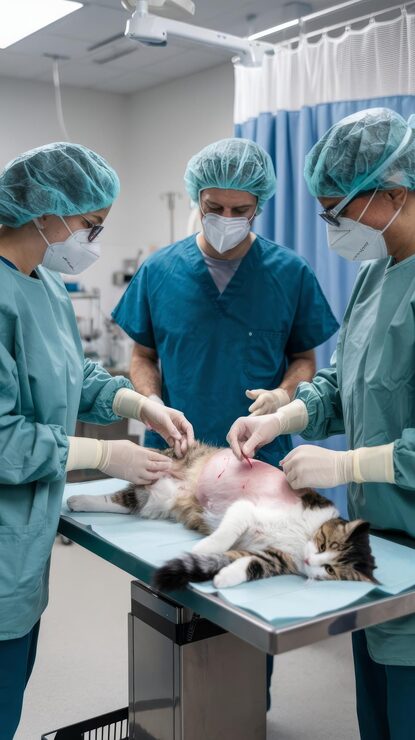
During surgery, sterile surgical technique is used to minimize infection risk and support healing.
After the procedure, cats are carefully monitored during recovery as anesthesia wears off.
Recovery monitoring includes:
- Breathing
- Temperature
- Pain assessment
- Heart rate
- Comfort level
- Mobility
Cats remain under close observation until they are awake, stable, and comfortable.
Recovery at Home After Surgery
Once home, most cats recover best in a quiet, warm, and calm environment.
Owners are usually instructed to:
- Restrict activity
- Prevent jumping and rough play
- Monitor appetite and litterbox habits
- Give medications as directed
- Monitor the incision site daily
Most cats recover surprisingly well after surgery when appropriate pain management and rest are provided.
However, owners should contact the clinic if they notice:
- Significant swelling
- Bleeding
- Discharge
- Incision opening
- Vomiting
- Severe lethargy
- Difficulty breathing
- Appetite loss
- Excessive pain
Because cats often hide discomfort, even subtle behavioural changes during recovery can be important.
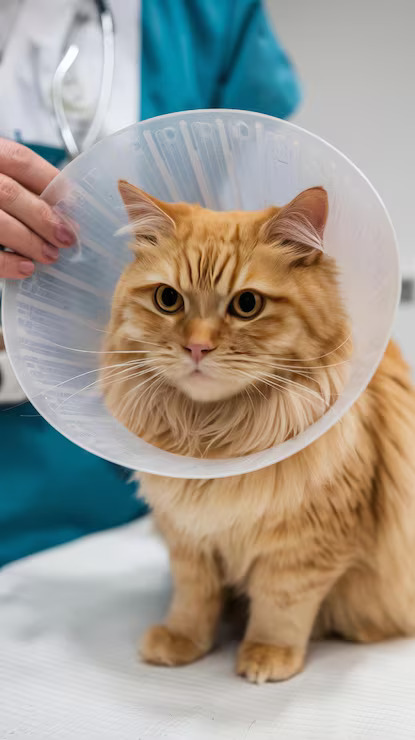
The Importance of E-Collars and Incision Protection
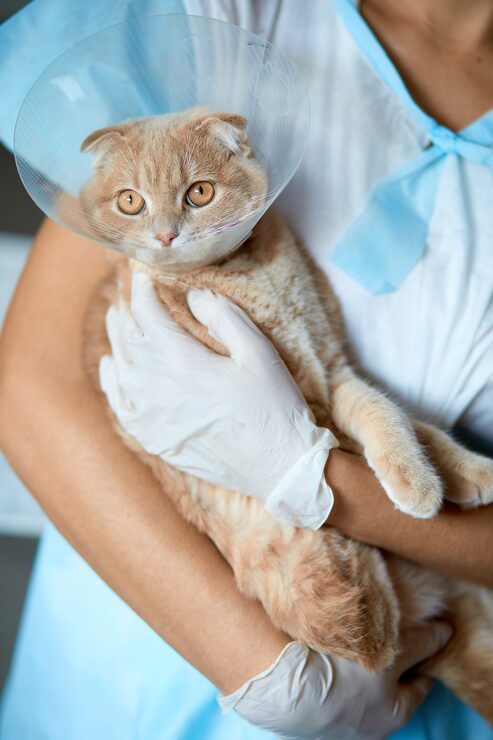
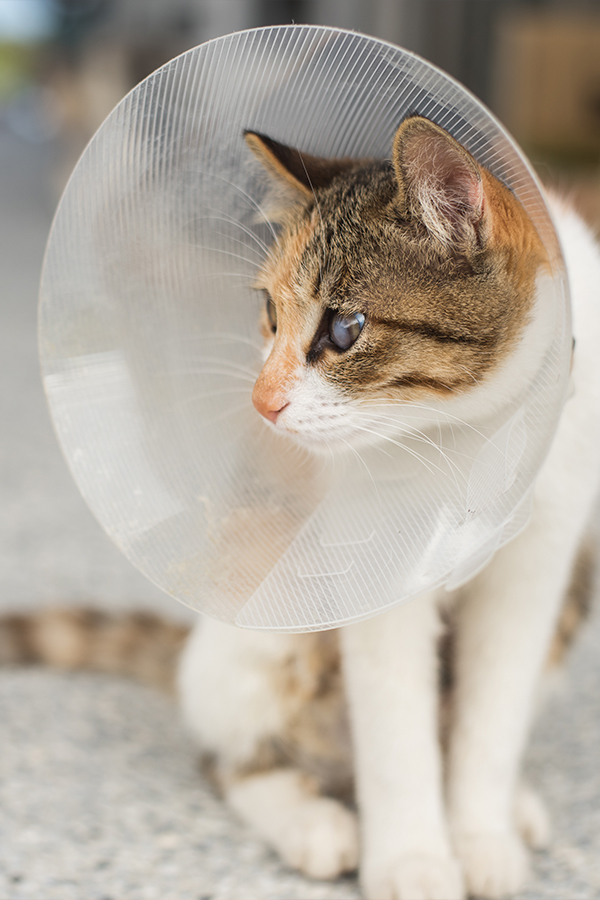
Many cats are sent home with an Elizabethan collar or recovery suit after surgery.
Although cats do not always appreciate these initially, preventing licking is extremely important.
Excessive licking may lead to:
- Infection
- Swelling
- Incision breakdown
- Delayed healing
Our team can help discuss alternative recovery options if traditional collars become especially stressful for certain patients.
Monitoring Healing and Follow-Up Care
Follow-up care is an important part of successful surgical recovery.
Depending on the procedure, recheck appointments may be recommended to:
- Evaluate healing
- Remove sutures if needed
- Review biopsy results
- Adjust medications
- Monitor comfort
Ongoing communication allows us to ensure recovery is progressing appropriately and address concerns early if they arise.
Compassionate Surgical Care
At Parkdale Animal Hospital, we understand that surgery can feel emotional and stressful for owners. Cats are cherished family members, and trusting someone else with their care during anesthesia and surgery is not something we take lightly.
As an independently owned hospital, we are able to focus on individualized, relationship-based care centered around communication, attention to detail, and patient wellbeing. Every surgical patient is treated as an individual, not simply another procedure on the schedule.
Our team is committed to providing thoughtful recommendations, careful monitoring, compassionate handling, and attentive post-operative support throughout every stage of the surgical process.
Whether your cat requires routine surgery, dental treatment, mass removal, emergency care, or a more advanced procedure, our goal is always to provide high-quality care while helping owners feel informed, supported, and confident in their pet’s treatment plan.
If you have questions about cat surgery or would like to discuss a surgical consultation for your cat, please contact Parkdale Animal Hospital by phone at 519-885-1200 or click here to schedule an appointment.