
Dog Rehabilitation and Physical Therapy
Mobility plays a major role in a dog’s overall health, comfort, and quality of life.
Dog Rehabilitation and Physical Therapy
Whether it is climbing stairs, getting up after a nap, going for walks, or simply moving comfortably around the home, everyday movement is closely tied to both physical and emotional wellbeing. When pain, injury, surgery, arthritis, or neurologic disease begins to interfere with mobility, many dogs experience frustration, reduced activity, and declining comfort over time.
At Parkdale Animal Hospital, we provide rehabilitation and physical therapy support designed to help dogs recover more comfortably, regain strength, and maintain mobility throughout every stage of life. Rehabilitation is not only for dogs recovering from major surgery or severe injuries. Many dogs with chronic arthritis, muscle weakness, spinal disease, or age-related mobility decline may also benefit from structured rehabilitation and supportive care.
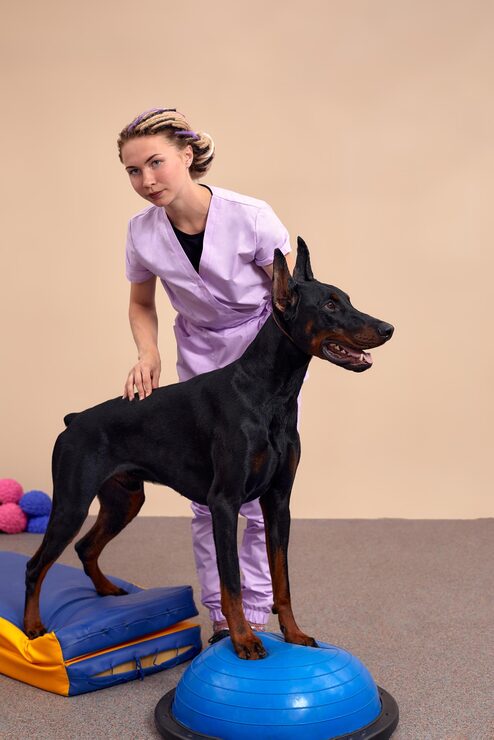
Physical rehabilitation for dogs is similar in many ways to physiotherapy used in human medicine. Treatment plans focus on improving movement, reducing pain, rebuilding strength, supporting healing, and helping dogs return to normal daily activities safely. Every patient is different, which is why rehabilitation recommendations are individualized based on the dog’s medical condition, age, activity level, and long-term mobility goals.
For some dogs, rehabilitation is short-term and focused on recovery after surgery or injury. For others, rehabilitation becomes an important part of lifelong arthritis management and mobility support. In both situations, the goal remains the same: helping dogs stay as comfortable, active, and independent as possible.
Why Rehabilitation and Physical Therapy Matter
Dogs naturally adapt to pain and mobility problems gradually. Because many dogs continue walking, eating, and participating in family life despite discomfort, early signs of mobility decline are often subtle and easy to miss.
Owners may first notice small changes such as hesitation when jumping into the car, difficulty climbing stairs, slower rising after rest, reduced endurance on walks, stiffness after exercise, or reluctance to play. Over time, dogs experiencing discomfort may become less active, which can lead to muscle loss, worsening stiffness, reduced joint support, and additional strain on the body.
Rehabilitation therapy helps address these problems by encouraging safe, controlled movement that supports healing and maintains physical function.
Maintaining muscle strength is especially important because muscles help stabilize joints and support normal movement. When dogs avoid activity due to pain, weakness can develop surprisingly quickly. Reduced muscle support may then worsen instability and discomfort, particularly in dogs with arthritis or orthopedic disease.
Rehabilitation also helps dogs recover more safely after surgery or injury. Without gradual strengthening and controlled activity, some dogs may experience delayed recovery, stiffness, or difficulty returning to normal function.
For senior dogs, rehabilitation may help preserve mobility longer and improve overall comfort during the aging process. Even modest improvements in strength, flexibility, and pain control can significantly improve day-to-day quality of life.
Conditions That May Benefit From Rehabilitation
Many medical conditions may benefit from rehabilitation and physical therapy support.
Dogs recovering from orthopedic injuries commonly require rehabilitation during the healing process. Ligament injuries, fractures, muscle injuries, and joint problems can all affect mobility and strength. Structured rehabilitation helps patients recover function while reducing the risk of overexertion or re-injury.
Arthritis is one of the most common reasons dogs participate in rehabilitation programs. Arthritis causes chronic inflammation within the joints, leading to pain, stiffness, reduced flexibility, and gradual mobility decline. Although arthritis cannot be cured, rehabilitation may help improve comfort, maintain muscle mass, and support long-term joint function.
Neurologic conditions may also affect balance, coordination, and mobility. Dogs recovering from spinal injuries, intervertebral disc disease, or nerve damage often benefit from rehabilitation focused on rebuilding strength and improving movement patterns.
Post-surgical rehabilitation is frequently recommended following orthopedic or neurologic procedures. Surgery may correct an underlying problem, but rehabilitation is often necessary to help restore normal function afterward.
Senior dogs commonly experience age-related weakness, reduced endurance, muscle loss, and stiffness. Rehabilitation programs can help aging pets maintain mobility and remain more comfortable during everyday activities.
Excess body weight may also contribute to mobility problems by increasing strain on joints and muscles. Rehabilitation is often combined with weight management to improve comfort and reduce stress on the body.
Because every dog’s condition and lifestyle are different, rehabilitation recommendations are always tailored to the individual patient.
Goals of Rehabilitation Therapy
Rehabilitation therapy focuses on improving comfort, restoring function, and supporting long-term mobility.
One of the primary goals is reducing pain. Dogs experiencing chronic discomfort often limit their activity naturally, which contributes to worsening weakness and stiffness over time. Improving comfort encourages more normal movement and better overall activity levels.
Another important goal is rebuilding strength. Muscle loss commonly develops after surgery, injury, prolonged rest, or chronic arthritis. Strengthening weakened muscles helps improve stability and support affected joints.
Flexibility and range-of-motion exercises may help reduce stiffness and improve mobility, particularly in dogs recovering from surgery or managing chronic joint disease.
Balance and coordination exercises are often useful for dogs recovering from neurologic conditions or weakness. Improving stability may help reduce falls and improve confidence during movement.
Rehabilitation also helps support safer recovery by gradually increasing activity in a controlled manner. Careful progression allows tissues to heal appropriately while minimizing excessive strain during recovery.
For dogs with chronic conditions, rehabilitation often focuses on maintaining mobility and slowing physical decline rather than achieving a complete cure.
Post-Surgical Rehabilitation and Recovery
Recovery after surgery often involves much more than incision healing alone. Many orthopedic and neurologic procedures require weeks or months of gradual rehabilitation before patients fully regain strength and mobility.
Dogs recovering from cruciate ligament surgery, fracture repair, spinal surgery, or joint procedures frequently experience temporary muscle loss, stiffness, weakness, and altered movement patterns during recovery.
Post-surgical rehabilitation helps patients regain normal function more safely and comfortably.
During the early recovery period, controlled activity restriction is often necessary to protect healing tissues. As recovery progresses, carefully monitored exercises may be introduced to improve strength, flexibility, endurance, and coordination.
Rehabilitation may help reduce stiffness, preserve muscle mass, improve weight-bearing, support joint stability, and enhance overall healing outcomes.
Recovery timelines vary considerably depending on the procedure performed, the patient’s age, overall health, and pre-existing mobility issues.
Close monitoring throughout the recovery process allows rehabilitation plans to be adjusted based on healing progress and patient comfort.
Arthritis and Chronic Pain Management
Chronic arthritis is one of the most common causes of pain and reduced mobility in adult and senior dogs.
Arthritic dogs often experience stiffness after rest, difficulty rising, slower movement, reluctance to jump, reduced stamina during walks, and decreased interest in physical activity.
Because arthritis develops gradually, many dogs adapt slowly to discomfort over time. Owners sometimes assume these changes are simply a normal part of aging when pain may actually be contributing significantly to reduced mobility.
Rehabilitation therapy is often an important component of long-term arthritis management.
Controlled exercise helps maintain muscle strength, improve joint support, and reduce stiffness without placing excessive strain on painful joints.
Maintaining muscle mass is especially important because stronger muscles help stabilize arthritic joints and improve mobility.
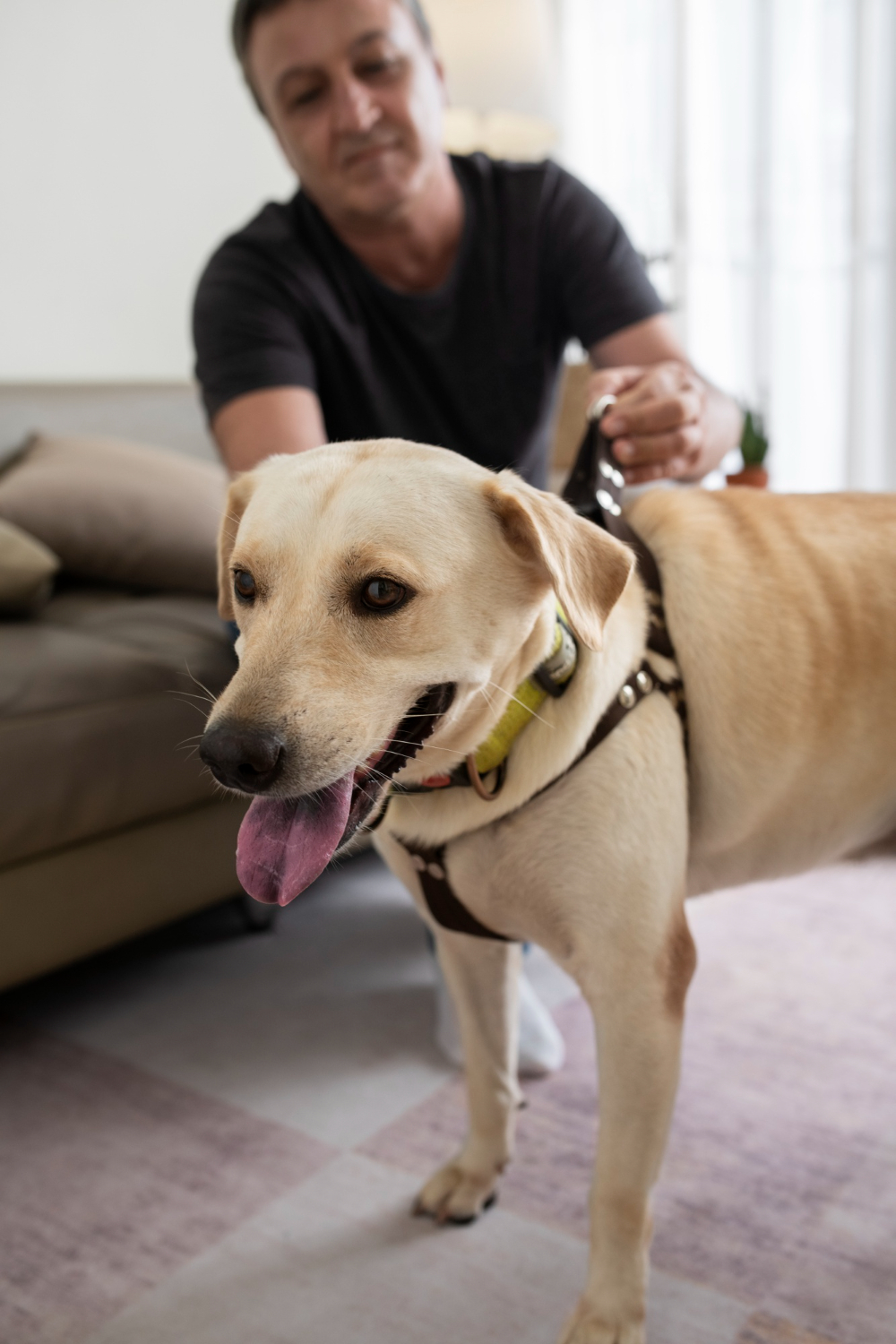
Environmental adjustments may also improve comfort for arthritic pets. Orthopedic bedding, non-slip flooring, ramps, and supportive harnesses can all help reduce strain during daily activities.
Weight management is another critical part of arthritis care. Excess weight places additional stress on joints and may worsen both inflammation and pain.
Many arthritic dogs benefit most from a multimodal treatment approach that combines rehabilitation therapy with medical pain management, nutritional support, exercise modification, and ongoing mobility monitoring.
Exercise Therapy and Strength Building
Exercise therapy is one of the core components of rehabilitation programs.
Unlike unrestricted activity, therapeutic exercise involves carefully controlled movements designed to improve strength, coordination, balance, flexibility, and endurance safely.
Programs are customized based on the dog’s condition, physical limitations, and recovery goals.
Leash walking programs are commonly used to gradually improve endurance and support consistent low-impact movement.
Range-of-motion exercises may help maintain flexibility and reduce stiffness, particularly after surgery or periods of restricted activity.
Strengthening exercises target weakened muscle groups and help improve joint stability and mobility.
Balance and coordination exercises may help dogs recovering from neurologic disease improve body awareness and stability.
Exercise progression occurs gradually to avoid overexertion or worsening discomfort. Consistency is often more important than intensity, and small improvements over time can make a significant difference in long-term function and comfort.
Pain Management and Rehabilitation
Pain management and rehabilitation work closely together.
Dogs experiencing pain often reduce their activity levels naturally, which contributes to further weakness and mobility decline. Improving comfort allows dogs to participate more effectively in rehabilitation exercises and maintain healthier movement patterns.
Pain management strategies may include medications, joint supplements, rehabilitation therapy, weight management, lifestyle adjustments, and environmental modifications.
Chronic pain can affect more than physical movement alone. Dogs experiencing ongoing discomfort may sleep differently, become less interactive, avoid certain activities, or show changes in behaviour and posture.
Addressing pain early may help improve both physical health and emotional wellbeing.
Because chronic conditions often change gradually over time, pain management plans are regularly reassessed and adjusted based on the patient’s comfort and mobility needs.
Collaboration With Rehabilitation Specialists
Some dogs benefit from advanced rehabilitation programs provided by dedicated physiotherapy and rehabilitation professionals.
At Parkdale Animal Hospital, we work collaboratively with trusted rehabilitation specialists when advanced therapy services are recommended.
We commonly partner with Canine Pain Relief, whose team provides individualized physiotherapy and rehabilitation programs tailored to each patient’s condition and mobility goals.
Collaborative care allows dogs to benefit from both ongoing veterinary medical management and specialized rehabilitation expertise.
Communication between the veterinarian, rehabilitation therapist, and pet owner is important for monitoring progress and ensuring consistent care throughout treatment.
Referral recommendations are individualized based on each patient’s specific medical condition and long-term needs.
Long-Term Mobility Support for Aging Dogs
For many dogs, mobility support becomes increasingly important with age.
Senior dogs commonly experience gradual muscle loss, arthritis progression, reduced flexibility, and declining endurance. These changes can affect comfort, confidence, and participation in normal daily activities.
Rehabilitation programs for senior pets focus on preserving mobility, maintaining strength, supporting joint function, and improving overall quality of life.
Early intervention often provides better long-term outcomes because maintaining existing strength and mobility is generally easier than attempting to rebuild function after severe decline has occurred.
Small lifestyle adjustments may also help aging dogs remain more comfortable at home. Simple changes such as providing traction on slippery floors, using ramps instead of stairs, maintaining lean body weight, and modifying exercise routines may significantly reduce strain on aging joints.
Ongoing reassessment allows mobility plans to evolve as the dog’s needs change over time.
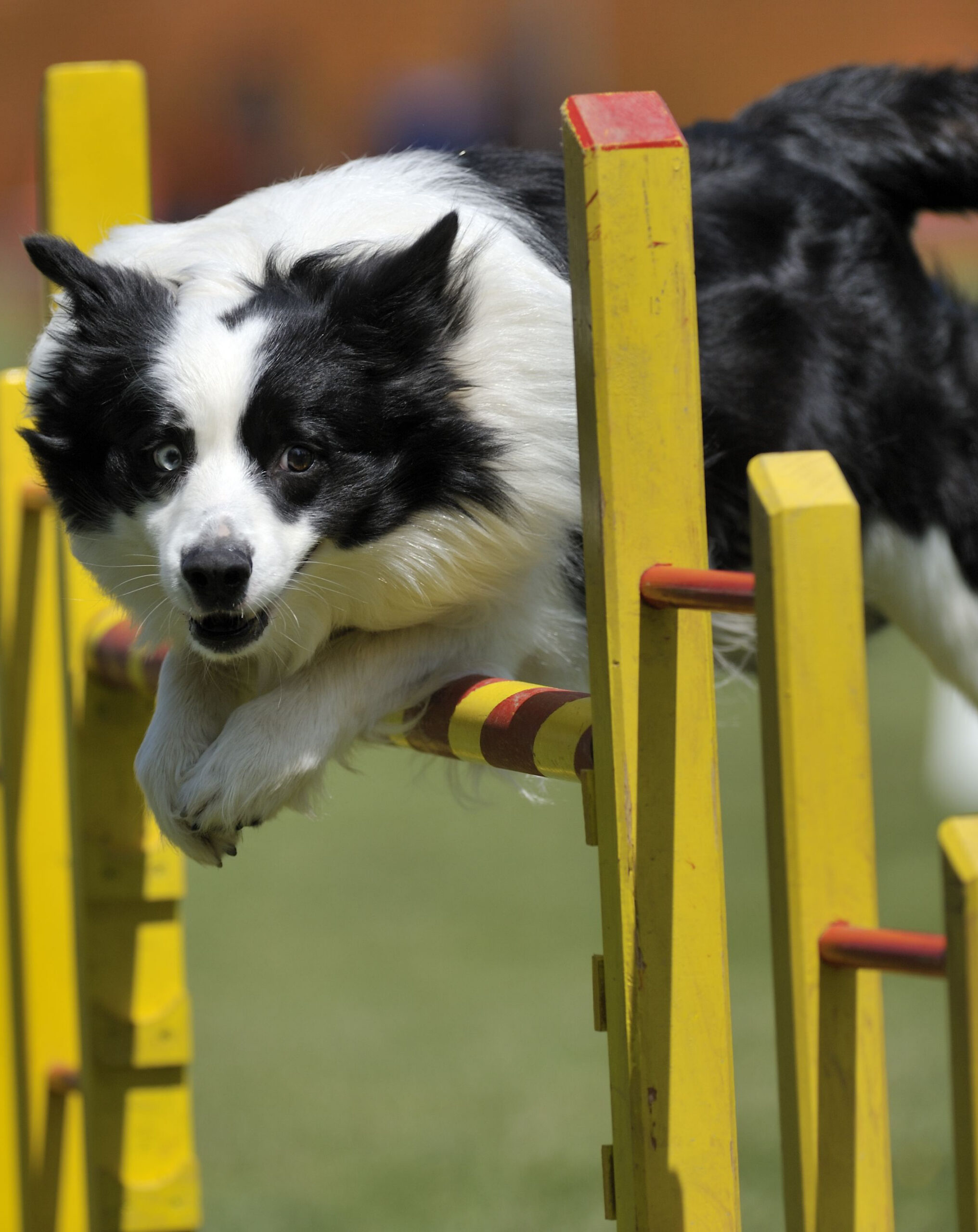
Compassionate Mobility Care
At Parkdale Animal Hospital, we understand how difficult it can be to watch a dog struggle with pain, weakness, or declining mobility.
Our goal is to provide compassionate, individualized care focused on improving comfort, supporting mobility, and helping dogs maintain the best possible quality of life.
Whether a dog is recovering from surgery, managing arthritis, experiencing neurologic disease, or simply slowing down with age, rehabilitation and physical therapy may help improve strength, comfort, and independence.
We are committed to helping dogs remain active, engaged, and comfortable for as long as possible.
Schedule a Rehabilitation Consultation
If your dog is experiencing mobility problems, chronic pain, weakness, arthritis, or recovery following surgery or injury, the team at Parkdale Animal Hospital is here to help.
To schedule an appointment or learn more about mobility support and physical therapy options, please contact our hospital at 519-885-1200 or click here.