
Cat Behaviour
Cats are often described as independent, low-maintenance pets, but anyone who shares their home with a cat knows the truth is much more complex.
Understanding What Your Cat Is Trying to Tell You
Cats are sensitive, intelligent, and deeply routine-oriented animals. When something in their world changes—whether inside their body or in their environment—it often shows up first in their behaviour.
At Parkdale Animal Hospital, we see cat behaviour concerns as an important window into overall health and wellbeing, not as “bad behaviour” or something to be corrected with discipline. A change in behaviour is communication, and our goal is always to understand what your cat is trying to say.
This guide is designed to help you better understand common cat behaviour changes, what they may mean, and when it’s time to seek support.

Why Cat Behaviour Changes Should Never Be Ignored
Unlike dogs, cats are masters at hiding discomfort. In the wild, showing weakness makes an animal vulnerable, so domestic cats have retained this instinct. This means that by the time a cat is obviously unwell or behaving differently, the issue may have been developing for some time.
Behaviour changes are often the earliest sign that something is wrong. This could be medical, emotional, or environmental. A cat that suddenly starts hiding more, acting aggressively, vocalizing excessively, or changing litter box habits is not being difficult on purpose. They are responding to something that is affecting their sense of comfort or safety.
Understanding this shift in mindset—from “problem behaviour” to “communication”—is the first step in helping your cat.
The Connection Between Medical Health and Behaviour
One of the most important things to understand about cat behaviour is that it is very often linked to physical health. Before assuming a behaviour is purely behavioural or environmental, it is essential to rule out medical causes.
Pain is a major driver of behaviour change in cats. Conditions such as arthritis, dental disease, urinary tract disease, gastrointestinal discomfort, or skin irritation can all cause subtle but significant shifts in how a cat behaves. For example, a cat with arthritis may stop jumping onto furniture or may begin eliminating outside the litter box simply because the box is difficult to access. A cat with dental pain may become withdrawn or irritable when touched near the face.
Internal illness can also present as behavioural change long before other symptoms appear. Increased hiding, decreased grooming, changes in appetite, or sudden aggression can all be early warning signs.
Because of this, our approach always begins with a full medical assessment when behaviour changes are reported. Treating underlying pain or illness often resolves or significantly improves the behavioural concern on its own.
Litter Box Problems: The Most Common Concern
Litter box issues are one of the most frequent reasons cat owners seek behavioural help. They are also one of the most misunderstood.
When a cat stops using the litter box, it is rarely due to spite or stubbornness. In almost every case, there is a reason behind it, and that reason is usually logical from the cat’s perspective.
Medical issues are a common cause. Urinary tract infections, bladder inflammation, kidney disease, and arthritis can all make using the litter box uncomfortable or painful. When this happens, the cat may begin associating the box with discomfort and choose other locations instead.
Environmental factors are equally important. Cats are very particular about cleanliness, privacy, and location. A litter box placed in a high-traffic or noisy area may feel unsafe. A box that is not cleaned frequently enough may be avoided. Even changes in litter type, scent, or texture can be enough to disrupt habits.
Household stress can also play a role. The presence of other pets, new people in the home, changes in routine, or even outdoor cats visible through windows can create anxiety that shows up through litter box avoidance.
The key to solving litter box issues is not punishment, but investigation. Understanding the “why” behind the behaviour allows us to create a solution that works for both you and your cat.
Aggression in Cats: Fear, Pain, or Overstimulation
Aggression in cats can be alarming, especially when it appears suddenly or without an obvious trigger. However, true “unprovoked” aggression is extremely rare in cats. There is almost always an underlying cause.
In many cases, aggression is rooted in fear or anxiety. A cat that feels trapped, threatened, or overstimulated may react defensively. This can happen during handling, play, or interactions with other pets. What looks like sudden aggression is often the final step in a long line of warning signals that may have been missed, such as tail flicking, ear flattening, or withdrawal.
Pain-related aggression is also common. A cat experiencing discomfort may react negatively when touched or approached in sensitive areas. This is not behavioural defiance—it is a protective response.
Redirected aggression can also occur when a cat becomes frustrated or aroused by something they cannot access, such as another animal outside. That frustration may then be directed toward a nearby person or pet.
Understanding the type and trigger of aggression is essential. Once the cause is identified, we can work toward reducing fear, improving comfort, and creating safer interactions.
Anxiety and Stress in Cats
Cats are creatures of habit, and they thrive on predictability. When their environment changes, even slightly, it can create stress that manifests in behavioural changes.
Signs of anxiety in cats can include hiding more than usual, increased vocalization, overgrooming, changes in appetite, clinginess, or withdrawal. Some cats become more reactive, while others become unusually quiet or avoidant.
Stress can be triggered by many things that may seem minor from a human perspective. Moving furniture, introducing a new pet, changes in feeding times, construction noise, visitors, or even changes in the owner’s schedule can all affect a cat’s sense of security.
Chronic stress is not just a behavioural issue—it can also impact physical health, including urinary tract function, digestion, and immune response. This is why identifying and addressing stress early is so important.
Multi-Cat Households: When Things Don’t Feel Balanced
Living with multiple cats can be rewarding, but it can also create complex social dynamics. Cats are not naturally group animals in the same way dogs are, and relationships between cats are often more about tolerance than affection.
In multi-cat households, behavioural issues may arise from competition for resources such as food, litter boxes, resting areas, or human attention. Subtle tension can exist even when overt fighting is not visible.
Signs of tension may include blocking access to rooms or resources, one cat consistently avoiding another, increased vocalization, or changes in litter box use.
Creating a balanced environment is key. Ensuring multiple litter boxes, separate feeding areas, vertical space, and safe hiding spots can significantly reduce conflict and stress.
Understanding each cat’s individual personality is also important. Some cats are naturally more social, while others prefer solitude. Respecting those differences helps create a more peaceful household.
Environmental Enrichment: Helping Cats Feel Safe and Stimulated
A common misconception is that indoor cats become bored or “lazy” without proper stimulation. In reality, cats need both mental and physical enrichment to feel secure and content.
Enrichment is not about overwhelming a cat with toys or activity. It is about providing appropriate outlets for natural behaviours such as hunting, climbing, scratching, exploring, and resting.
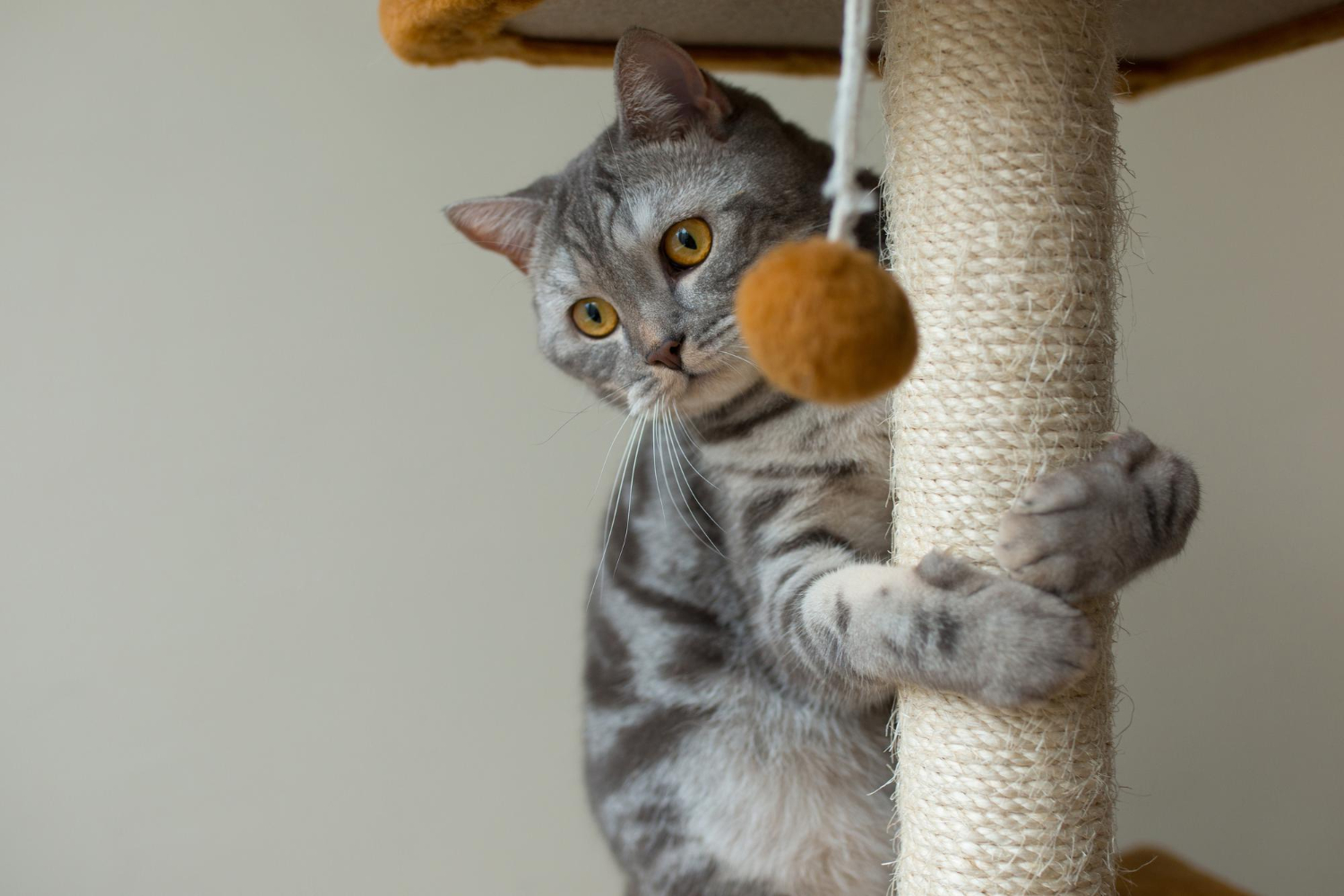
Simple changes can make a big difference. Providing vertical spaces like cat trees or shelves, offering scratching posts in multiple locations, rotating toys, and creating predictable feeding routines can all support emotional wellbeing.
Window access can also be enriching, allowing cats to observe the outside world safely. However, if outdoor cats are visible and causing stress, adjustments may be needed to reduce anxiety.
A well-enriched environment reduces stress-related behaviours and helps prevent many common behavioural concerns from developing in the first place.
When to Seek Help for Cat Behaviour Changes
It is always better to seek support sooner rather than later when you notice changes in your cat’s behaviour. Early intervention often leads to better outcomes and prevents small issues from becoming long-term problems.
You should consider reaching out if your cat is:
- Suddenly avoiding the litter box
- Showing aggression toward people or other pets
- Hiding more than usual
- Eating or drinking differently
- Grooming excessively or not at all
- Vocalizing more than normal
- Seeming withdrawn, anxious, or unusually clingy
Even subtle changes can be important. You know your cat best, and if something feels off, it is worth investigating.
How We Approach Cat Behaviour at Parkdale Animal Hospital
At Parkdale Animal Hospital, we take a calm, compassionate, and thorough approach to cat behaviour concerns. We do not view behaviour as something to “fix” in isolation. Instead, we look at the full picture—medical health, environment, routine, and emotional wellbeing.
Our first step is always to ensure there are no underlying medical issues contributing to the behaviour change. From there, we work with you to understand your cat’s environment and daily routine, identifying possible stressors or triggers.
We then focus on practical, realistic solutions tailored to your cat and your household. This may include environmental adjustments, routine changes, medical treatment if needed, or behavioural strategies designed to reduce stress and improve comfort.
Most importantly, we work with empathy for both the cat and the owner. Behaviour changes in cats can be stressful and frustrating, but they are also solvable when approached with patience and understanding.
Final Thoughts
Cat behaviour is not random, and it is never without meaning. Every change—whether subtle or sudden—is a form of communication. When we take the time to understand what a cat is trying to tell us, we are often rewarded with clearer answers and meaningful improvements in their wellbeing.
If your cat’s behaviour has changed, or if you simply want to better understand their needs, you do not have to figure it out alone. Support is available, and with the right approach, most cat behaviour concerns can be significantly improved or fully resolved.
Your cat isn’t being difficult. They are asking for help in the only way they know how. To book an appointment to discuss your cat’s behaviour concerns, please call us at 519-885-1200 or click here.