
Dog Deworming
Intestinal parasites are extremely common in dogs and can affect pets of all ages, breeds, and lifestyles.
Dog Deworming and Parasite Prevention
Many owners are surprised to learn that even healthy-looking dogs with no obvious symptoms may still carry intestinal parasites. Because some parasites can also infect people, particularly children and immunocompromised individuals, routine parasite prevention is an important part of both pet health and public health.
At Parkdale Animal Hospital, we believe parasite prevention should be tailored to each individual dog rather than approached with a one-size-fits-all plan. A dog’s parasite risk depends on many factors, including age, environment, lifestyle, travel history, wildlife exposure, diet, and contact with other animals.
Our veterinary team works closely with families to develop practical, evidence-based parasite prevention plans focused on protecting both pets and the people who care for them.
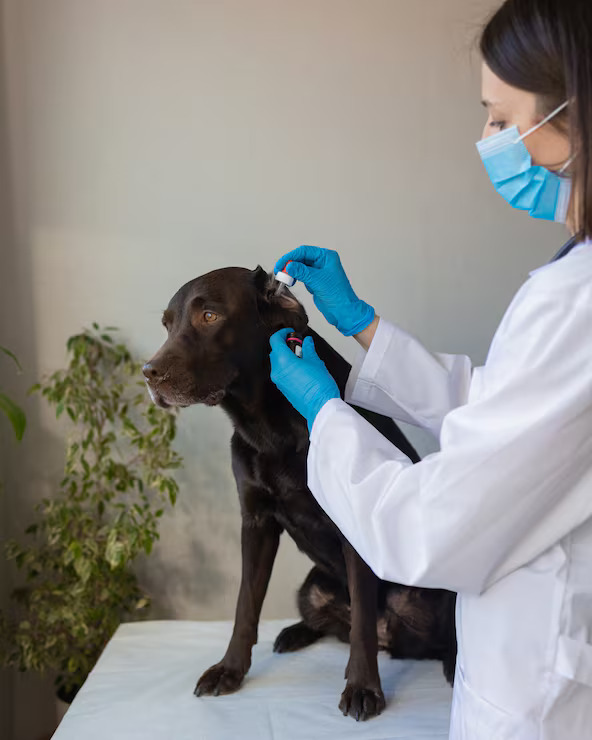

Why Parasite Prevention Matters
Many intestinal parasites live within the gastrointestinal tract where they feed on nutrients, blood, or intestinal contents. Some infections remain relatively mild, while others can cause significant illness, particularly in puppies, senior dogs, or pets with weakened immune systems.
Parasites may contribute to diarrhea, vomiting, poor growth, weight loss, dehydration, anemia, and chronic gastrointestinal inflammation. In severe cases, heavy parasite burdens can become life-threatening, especially for young puppies.
One of the challenges with intestinal parasites is that infected dogs do not always appear sick. Many adult dogs carry parasites without obvious symptoms, which means infections can easily go unnoticed without routine testing and preventive care.
Preventive parasite management helps reduce the risk of illness while also decreasing environmental contamination and reducing transmission to other pets and humans.
Common Intestinal Parasites in Dogs
Dogs may become infected with several different types of intestinal parasites throughout their lives. Some parasites are microscopic, while others are larger worms that occasionally become visible in stool or vomit.
Roundworms are among the most common parasites seen in dogs, particularly puppies. Puppies may acquire roundworms directly from their mother before birth or during nursing. Infected puppies may develop poor growth, diarrhea, vomiting, bloated abdomens, or dull hair coats.
Hookworms are small parasites that attach to the intestinal lining and feed on blood. Severe hookworm infections can cause anemia, weakness, and potentially serious illness, especially in young animals.
Whipworms commonly affect the large intestine and may contribute to chronic diarrhea, weight loss, and intestinal inflammation. Whipworm infections can sometimes be difficult to diagnose because parasite eggs are shed inconsistently.
Tapeworms are often transmitted through flea ingestion. Dogs may develop tapeworm infections after swallowing infected fleas during grooming. Owners sometimes notice small rice-like segments around the tail area or in the stool.
Giardia and coccidia are microscopic intestinal parasites that can cause diarrhea and gastrointestinal upset, particularly in puppies or dogs living in high-density environments.
Many dogs may carry more than one type of parasite at the same time, which is why comprehensive prevention and testing strategies are important.
How Dogs Become Infected with Parasites
Dogs can become exposed to intestinal parasites in many different ways, including through normal daily activities.
Parasite eggs and larvae are commonly found in contaminated soil, feces, standing water, and outdoor environments. Dogs may become infected while sniffing, licking, grooming, scavenging, or walking through contaminated areas.
Some parasites are transmitted through flea exposure, while others may be acquired through hunting behaviour or contact with wildlife.
Puppies are especially vulnerable because some parasites can be transmitted directly from mother to puppy before birth or during nursing. This is one reason why routine puppy deworming protocols are so important during early development.
Even indoor dogs are not completely protected from parasites. Eggs and larvae may still be tracked indoors on shoes, clothing, or other animals. Urban dogs, suburban dogs, and rural dogs all face different parasite risks depending on their environment and lifestyle.
Signs of Intestinal Parasites in Dogs
The symptoms associated with intestinal parasites vary depending on the type of parasite, severity of infection, age of the dog, and overall health status.
Some infected dogs show no visible signs at all, particularly during early or mild infections. Others may develop more noticeable gastrointestinal symptoms over time.
Common signs of intestinal parasites may include diarrhea, vomiting, weight loss, poor coat quality, bloated abdomen, scooting, gas, reduced appetite, or lethargy.
Puppies with heavy parasite burdens may develop pot-bellied appearances, poor growth, weakness, or dehydration. Severe infestations can occasionally cause intestinal obstruction or life-threatening anemia.
Because many symptoms overlap with other gastrointestinal conditions, fecal testing is often needed to confirm the presence of parasites accurately.
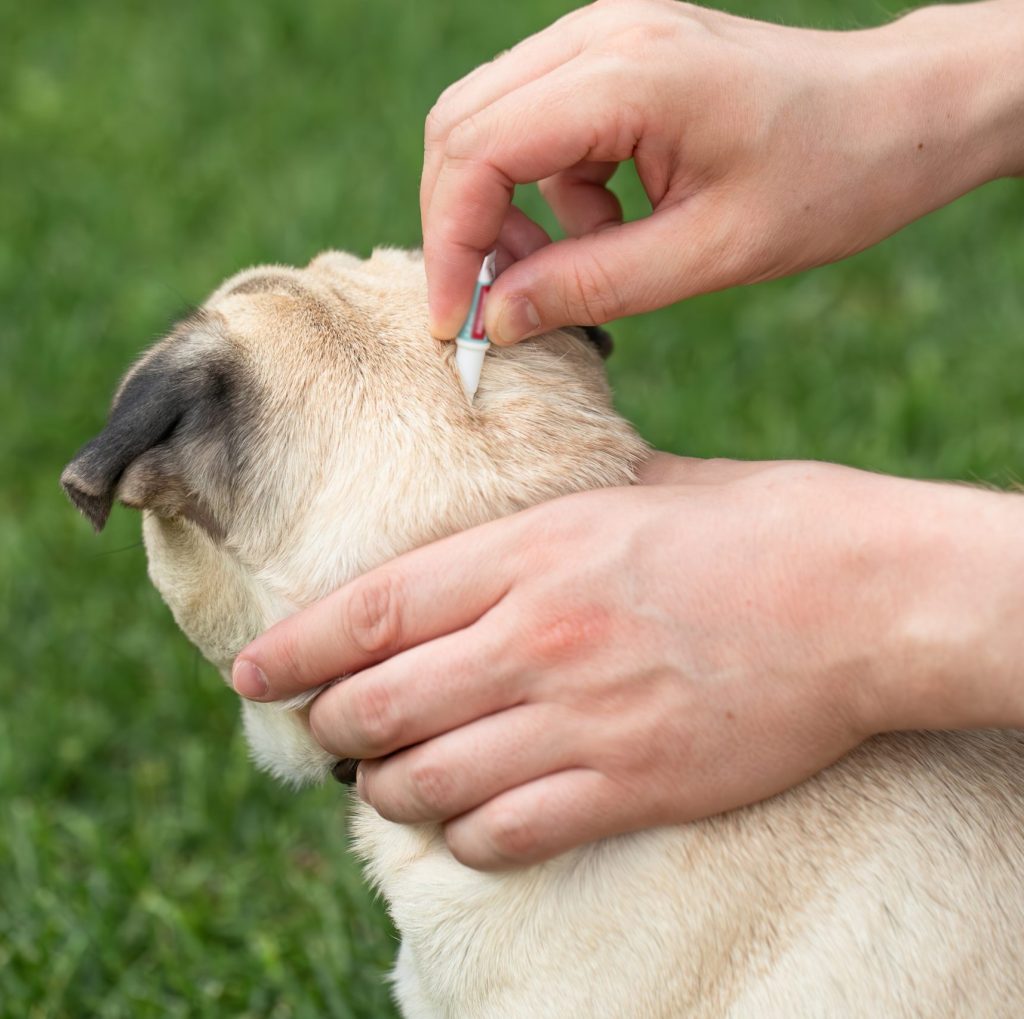
Fecal Testing and Parasite Screening
Routine fecal testing is an important part of preventive veterinary care because many parasite infections are not visible externally.
At Parkdale Animal Hospital, fecal examinations are commonly recommended during puppy visits, annual wellness examinations and anytime gastrointestinal symptoms develop.
Fecal testing allows veterinary teams to identify parasite eggs or microscopic organisms within stool samples. Early detection helps guide appropriate treatment while reducing the risk of ongoing environmental contamination and transmission.
Even dogs receiving regular preventive medications may still benefit from periodic fecal screening because no prevention program is perfect in every situation.
Regular testing is especially important for dogs that frequent dog parks, hiking trails, kennels, daycare facilities, or areas with high wildlife exposure.
Deworming Recommendations for Dogs
Deworming schedules vary depending on a dog’s age, lifestyle, geographic location, and exposure risk.
Puppies require multiple deworming treatments during early development because they are highly susceptible to parasite infection and reinfection. Even puppies that appear healthy commonly carry intestinal parasites.
Adult dogs may require ongoing parasite prevention year-round or seasonally depending on lifestyle and risk factors.
Some preventive medications protect against multiple types of intestinal parasites while also providing heartworm, tick or flea prevention. Choosing the most appropriate product depends on the individual dog and household.
Our veterinary team develops customized parasite prevention plans based on each patient’s specific needs rather than relying on a universal approach for every dog.
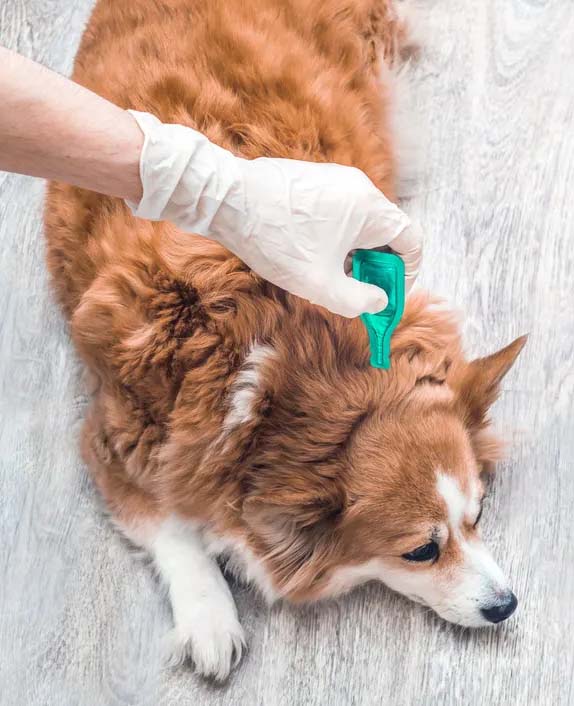
Parasite Prevention in Ontario Dogs
Parasite risks in Ontario continue to evolve due to climate changes, wildlife migration, urban expansion, and increasing movement of pets between regions.
Dogs in Waterloo Region may encounter parasites through parks, trails, communal outdoor spaces, wildlife exposure, and contact with other animals. Rural dogs may face different risks compared to dogs living primarily in urban environments.
Seasonal factors can also influence parasite exposure. Warmer temperatures may increase survival of certain parasites and expand the activity of fleas and other vectors.
Travel history is another important consideration. Dogs traveling outside Ontario or imported from other regions may encounter additional parasites not commonly seen locally.
Because parasite risks can change over time, regular veterinary guidance helps ensure prevention plans remain appropriate and effective.
Flea Prevention and Parasite Control
Many owners do not realize how closely flea prevention and parasite prevention are connected.
Fleas can transmit tapeworms and contribute to significant skin irritation, allergic reactions, and household infestations. Effective flea control is an important part of comprehensive parasite prevention.
Year-round flea prevention is often recommended because indoor heating and changing environmental conditions may allow fleas to survive even during colder months.
Preventing flea infestations not only protects your dog’s comfort but also reduces the risk of parasite transmission within the household.
Zoonotic Parasites and Human Health Risks
Some intestinal parasites carried by dogs can also infect humans. These are known as zoonotic parasites.
Children are often at increased risk because they may have closer contact with contaminated environments and are more likely to place hands or objects in their mouths. Immunocompromised individuals may also be more vulnerable to certain infections.
Good hygiene practices such as prompt stool cleanup, hand washing, routine veterinary care, and regular parasite prevention help reduce the likelihood of transmission.
Responsible parasite prevention benefits not only pets, but entire families and communities.

Preventing Parasite Infections at Home
Several practical steps can help reduce parasite exposure for dogs and households.
Promptly cleaning up feces helps reduce environmental contamination and limits the spread of parasite eggs. Preventing scavenging behaviour and limiting contact with wildlife may also reduce exposure risks.
Routine flea prevention, regular veterinary examinations, and consistent use of preventive medications are important parts of long-term parasite control.
Owners should also avoid assuming that visible worms are always present during infections. Many parasites cannot be seen without microscopic testing.
Consistent preventive care is generally far more effective and less stressful than treating advanced infections after symptoms develop.
Compassionate Preventive Care at Parkdale Animal Hospital
At Parkdale Animal Hospital, we believe parasite prevention is an essential part of lifelong wellness care. Our team is committed to helping owners understand parasite risks while providing practical, individualized recommendations tailored to their dog’s lifestyle and health needs.
We understand that parasite prevention can sometimes feel confusing given the number of products and recommendations available. Our goal is to provide clear, evidence-based guidance that helps families make informed decisions about their pet’s care.
Whether you have a new puppy, an active outdoor dog, or a senior pet requiring ongoing preventive care, we are here to help support your dog’s long-term health and wellbeing.
To discuss deworming, fecal testing, or parasite prevention for your dog, contact our team today at 519-885-1200 or click here to schedule a wellness examination.