
Cat Kitten Care
Bringing home a new kitten is an exciting experience filled with curiosity, energy, and countless memorable moments.
Kitten Care and Preventative Health
Kittens grow and develop incredibly quickly during their first year of life, and the care they receive during this important stage plays a major role in shaping their long-term health, behaviour, and overall wellbeing.
At Parkdale Animal Hospital, we understand that welcoming a new kitten into your family can feel both exciting and overwhelming. Whether this is your first kitten or you have cared for cats your entire life, questions naturally arise about vaccines, nutrition, behaviour, litter training, parasite prevention, socialization, and overall health.
Our goal is to help guide owners through every stage of kittenhood with education, support, and individualized care tailored to each kitten’s unique needs. Preventative care during the first year of life helps build the foundation for a healthier, happier future while also allowing owners to better understand their kitten’s physical and behavioural development.

The Importance of Early Veterinary Care
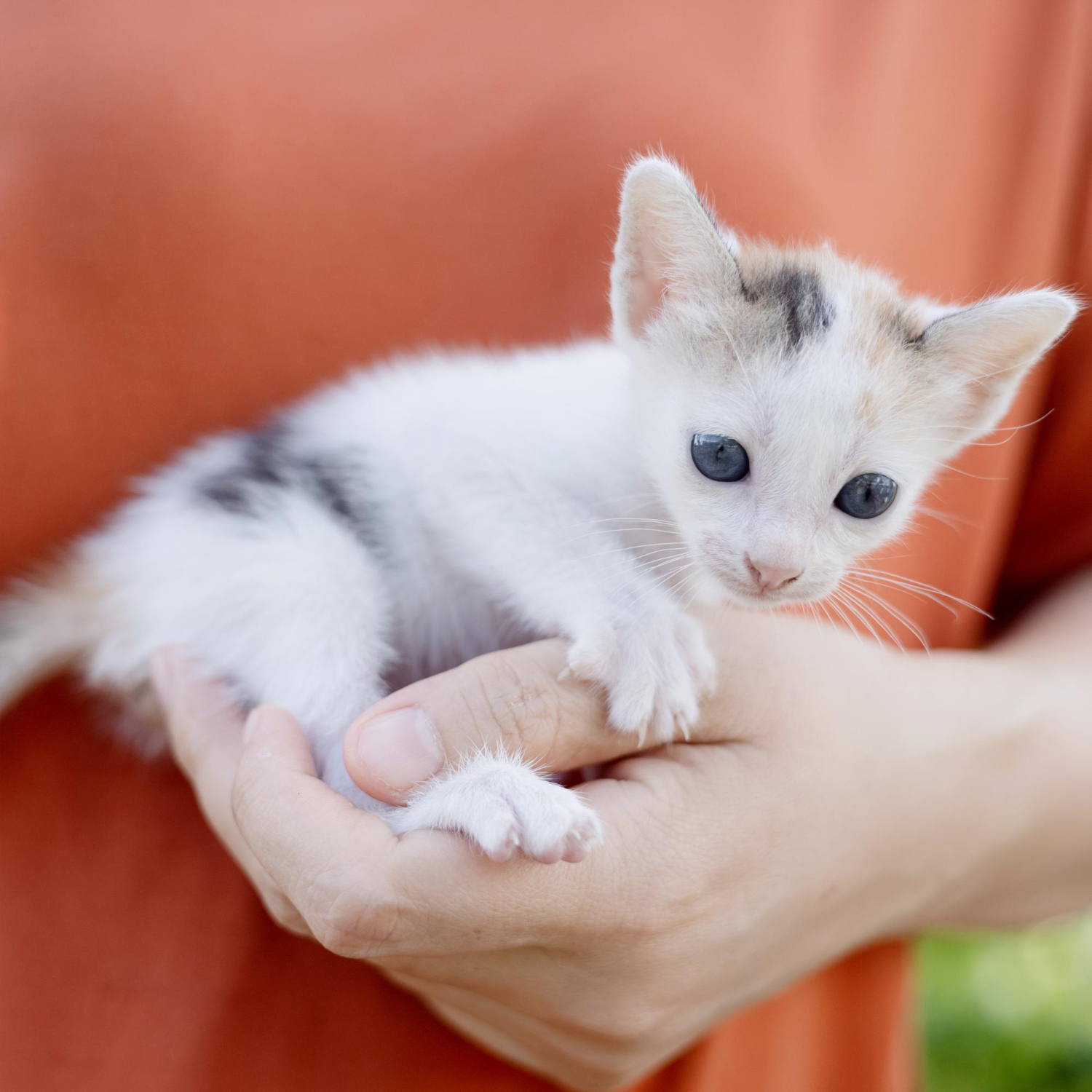
Kittens experience rapid growth and development during their first several months of life. Their immune systems are still developing, their bodies are changing quickly, and they are learning how to interact with both people and their environment.
Early veterinary care allows us to:
- Monitor growth and development
- Detect congenital or medical concerns early
- Begin vaccination protection
- Discuss parasite prevention
- Address nutrition and feeding questions
- Evaluate behaviour and socialization
- Provide guidance on preventative healthcare
Even healthy-appearing kittens benefit greatly from regular examinations during the first year of life. Many conditions are easier to manage when identified early, and routine visits also help kittens become more comfortable with veterinary handling and medical care over time.
At Parkdale Animal Hospital, we focus on creating positive experiences whenever possible so kittens can build confidence and familiarity with veterinary visits from an early age.
Your Kitten’s First Veterinary Visit
The first veterinary visit is an important opportunity to evaluate your kitten’s overall health and begin building a preventative care plan.
During this appointment, your veterinarian will typically assess:
- Weight and body condition
- Heart and lungs
- Eyes and ears
- Teeth and oral development
- Skin and coat condition
- Abdomen and internal organs
- Mobility and musculoskeletal development
- Signs of parasites or infection
We also spend time discussing lifestyle, feeding, litterbox habits, socialization, parasite prevention, and any questions owners may have.
Because kittens are still developing physically and behaviourally, early visits are often heavily focused on education and prevention.
Vaccinations for Kittens
Vaccinations play an important role in helping protect kittens against several serious infectious diseases.
Young kittens initially receive temporary protection from their mother’s antibodies, but this protection gradually decreases over time. A kitten vaccine series is designed to help protect them during this vulnerable period while their immune system matures.
Core vaccines for kittens commonly help protect against:
- Feline panleukopenia
- Feline herpesvirus
- Feline calicivirus
- Rabies
Some kittens may also benefit from additional vaccines depending on their lifestyle, environment, and risk factors.
Because maternal antibodies fade gradually, kittens require a series of vaccines spaced over time rather than a single vaccination. This schedule helps ensure the immune system develops appropriate long-term protection.
At Parkdale Animal Hospital, vaccine recommendations are tailored to each kitten’s individual lifestyle and risk factors rather than using a one-size-fits-all approach.
Why Socialization Matters in Kittens
The early months of a kitten’s life are extremely important for behavioural development.
Positive early experiences can significantly influence how a cat responds to people, other pets, new environments, grooming, handling, and veterinary visits later in life.
Healthy socialization may involve gentle exposure to:
- Different people
- Household sounds
- Carriers
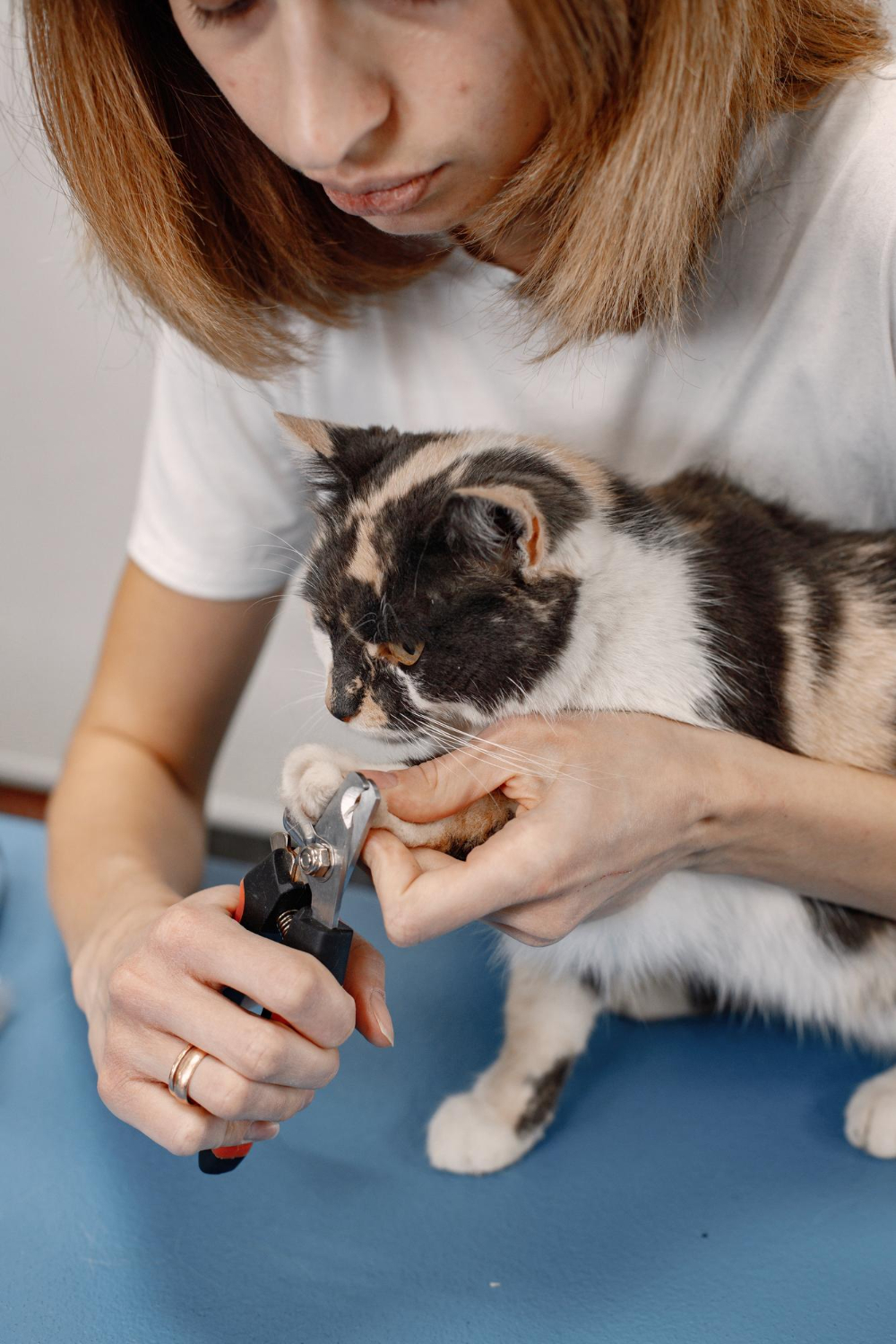
- Nail trims
- Gentle restraint
- Grooming tools
- Other animals
- Travel (including travel carriers)
Socialization should always occur gradually and positively without forcing kittens into overwhelming situations.
Kittens who experience calm, positive handling early in life are often more confident and easier to care for medically as adults.
Nutrition and Feeding for Kittens
Proper nutrition is essential during kittenhood because kittens require significantly more calories, protein, and nutrients than adult cats to support healthy growth and development.
Kittens grow rapidly during their first year and benefit from diets specifically formulated for growth.
A balanced kitten diet helps support:
- Bone development
- Muscle growth
- Brain development
- Immune system function
- Healthy skin and coat condition
Because kittens have small stomachs and high energy requirements, they often require multiple meals throughout the day when young.
At Parkdale Animal Hospital, we help owners select appropriate diets based on factors such as age, growth rate, lifestyle, and individual health considerations.
Litterbox Training and Healthy Habits
Most kittens naturally learn to use a litterbox quite quickly, particularly when introduced to a clean, easily accessible environment.
To help encourage healthy litterbox habits:
- Keep litterboxes clean
- Use easily accessible locations
- Avoid placing boxes near loud appliances
- Provide enough litterboxes for the household
- Minimize sudden changes in litter type
Changes in litterbox behaviour should never automatically be assumed to be behavioural. Medical conditions such as urinary disease, constipation, stress, or pain can all contribute to litterbox concerns.
If a kitten suddenly stops using the litterbox appropriately, veterinary evaluation is often recommended.
Parasite Prevention for Kittens
Kittens are especially vulnerable to parasites because their immune systems are still developing.
Common parasites affecting kittens may include:
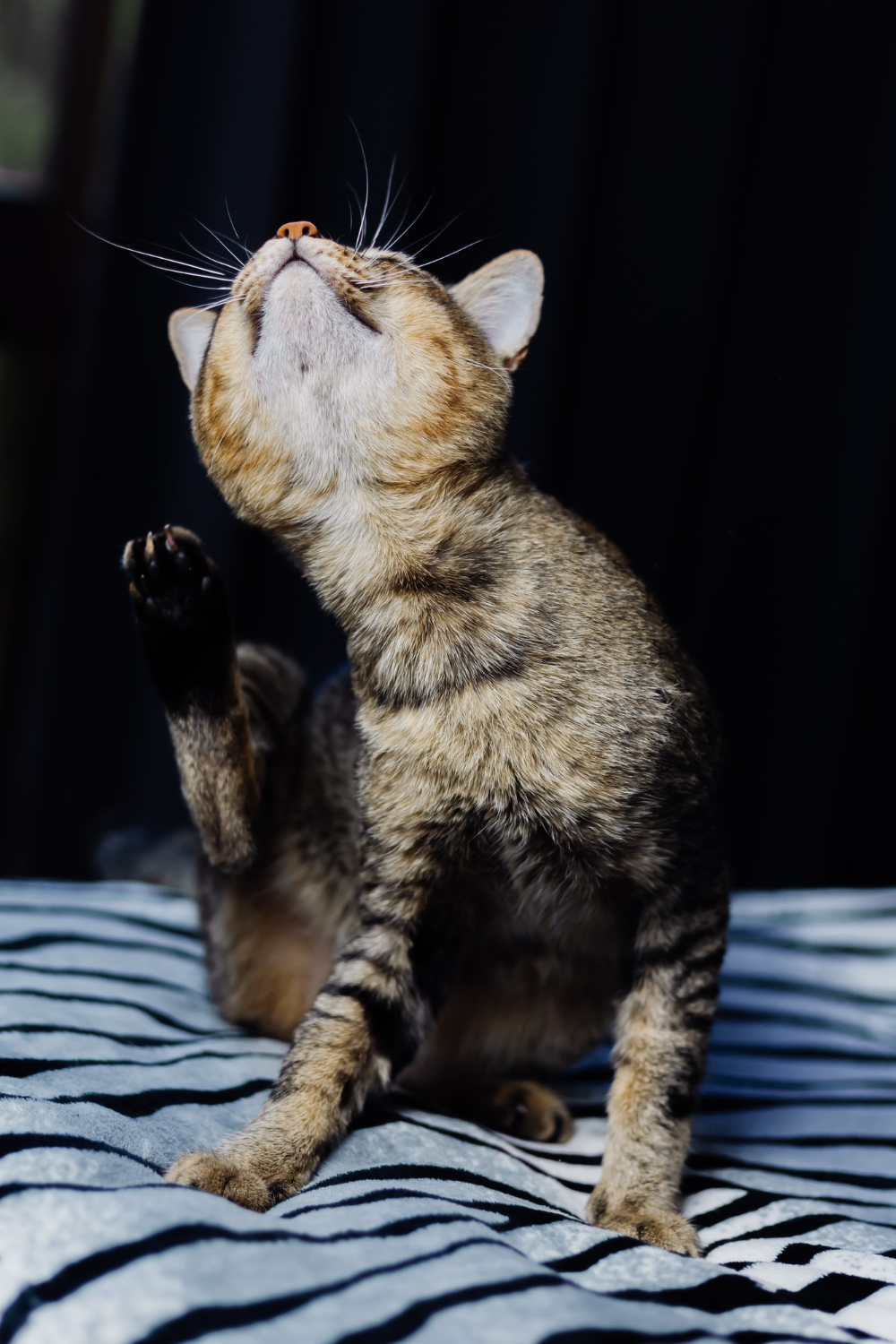
- Fleas
- Roundworms
- Hookworms
- Ear mites
- Ticks
Some intestinal parasites can even be transmitted from the mother before or shortly after birth.
Parasites may contribute to symptoms such as:
- Diarrhea
- Vomiting
- Poor growth
- Weight loss
- Pot-bellied appearance
- Skin irritation
Routine deworming and parasite prevention are important components of kitten healthcare.
At Parkdale Animal Hospital, parasite prevention recommendations are tailored to each kitten’s age, lifestyle, and risk factors.
Spaying and Neutering
Spaying and neutering are important parts of preventative healthcare for kittens.
These procedures help prevent unwanted litters while also reducing the risk of certain medical and behavioural concerns later in life.
Benefits may include:
- Prevention of reproductive cancers
- Reduced roaming behaviours
- Reduced spraying or marking
- Lower risk of certain infections
- Prevention of heat cycles in females
Timing recommendations for spaying and neutering may vary depending on the individual kitten and household circumstances.
Our team discusses the risks, benefits, and timing considerations with owners to help determine the best plan for their pet.
Dental Care for Kittens
Dental health begins much earlier than many owners realize.
Kittens gradually lose their baby teeth and develop adult teeth over the first several months of life. Monitoring oral development early helps identify concerns such as:
- Retained baby teeth
- Bite abnormalities
- Early inflammation
- Dental crowding
Introducing gentle oral handling and dental care routines early in life often makes long-term dental care much easier as cats mature.
Because dental disease is extremely common in adult cats, preventative dental habits established during kittenhood can provide long-term benefits later in life.
Common Illnesses in Kittens
Young kittens are more vulnerable to illness because their immune systems are still developing.
Common concerns seen in kittens include:
- Upper respiratory infections
- Diarrhea
- Parasites
- Eye infections
- Ear mites
- Poor growth
- Congenital abnormalities
Kittens can sometimes deteriorate quickly when ill, particularly if they stop eating or become dehydrated.
Signs that a kitten should be evaluated promptly may include:
- Loss of appetite
- Lethargy
- Diarrhea
- Vomiting
- Sneezing
- Eye discharge
- Difficulty breathing
- Weakness
- Failure to gain weight
Because kittens are so small, even relatively short periods of illness can affect them significantly.
Behaviour and Environmental Enrichment
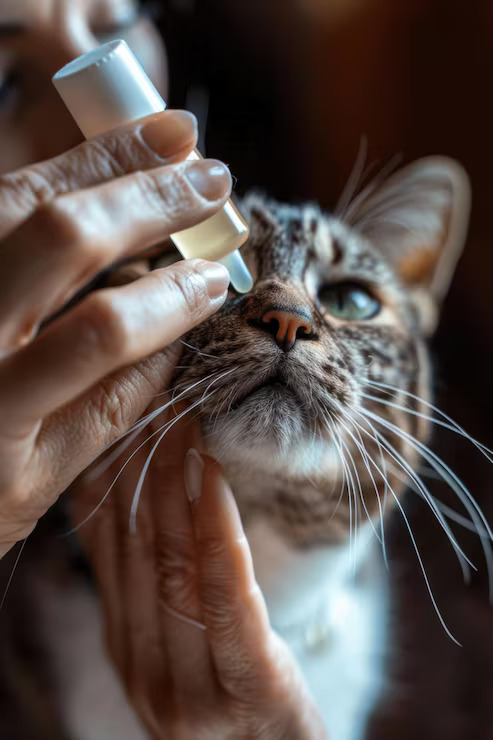
Kittens are naturally curious, playful, and energetic. Appropriate environmental enrichment is extremely important for both physical and mental wellbeing.
Healthy enrichment may include:
- Scratching posts
- Climbing structures
- Interactive toys
- Puzzle feeders
- Window perches
- Safe hiding spaces
- Play sessions
Providing appropriate outlets for normal kitten behaviours helps reduce stress and may help prevent behavioural concerns later in life.
Kittens who lack enrichment opportunities may become bored, overstimulated, or frustrated, sometimes leading to destructive behaviours or anxiety.
Helping Your Kitten Feel Comfortable at the Veterinary Clinic
Veterinary visits can feel stressful for some cats, which is why early positive experiences are so valuable.
Helping kittens become comfortable with:
- Carriers
- Gentle handling
- Nail trims
- Oral examinations
- Travel
- New environments
Can make future medical care much less stressful.
At Parkdale Animal Hospital, we focus heavily on low-stress handling and compassionate feline care. Our team understands that kittens are still learning about the world around them, and we strive to create positive, supportive experiences whenever possible.
Monitoring Growth and Development
Kittens change rapidly during their first year of life.
Routine examinations allow veterinarians to monitor:
- Weight gain
- Body condition
- Musculoskeletal development
- Dental development
- Behavioural progression
- Nutritional status
- Overall health
These visits also create opportunities for owners to ask questions and address concerns as their kitten matures.
Because no two kittens develop exactly the same way, individualized monitoring is important throughout growth stages.
Building a Foundation for Lifelong Health
Preventative care during kittenhood is about much more than vaccines and examinations. It is about building the foundation for lifelong physical health, emotional wellbeing, and positive veterinary experiences.
At Parkdale Animal Hospital, we believe in working closely with owners to help kittens grow into healthy, confident adult cats. Our approach focuses on education, relationship-based care, and individualized recommendations tailored to each kitten’s specific needs and lifestyle.
As an independently owned hospital, we are able to prioritize thoughtful communication, compassionate care, and long-term relationships with both pets and their families. We understand that every kitten is unique, and our goal is to support owners through every stage of development with honesty, guidance, and support.
Whether you have just welcomed your first kitten home or are adding another feline family member to your household, our team is here to help guide you through every stage of kitten care.
If you have questions about your kitten’s health, vaccinations, nutrition, behaviour, or preventative care, please contact Parkdale Animal Hospital to schedule an examination by phone at 519-885-1200 or clicking here. Early care and preventative health support can make an important difference in helping kittens grow into healthy, happy adult cats.