
Cat Dermatology
Skin disease is one of the most common reasons cats visit the veterinarian.
Cat Dermatology
A cat’s skin and coat are important indicators of overall health, and changes in the skin are often among the first signs that something is wrong. Cats can develop a wide variety of dermatological conditions that affect the skin, fur, ears, nails, and even the paws.
Many skin conditions can cause discomfort, itching, irritation, hair loss, scabs, or infections. Some cats show subtle signs, while others may excessively groom, scratch, chew, or develop obvious sores and bald patches. Because cats are naturally very clean animals, changes in grooming habits or coat quality are often noticeable to owners.
Dermatology refers to the diagnosis and treatment of conditions involving the skin and related structures. Veterinary dermatology focuses on identifying the underlying cause of skin problems and developing a treatment plan that improves both comfort and long-term health.
Why Skin Problems Are Common in Cats
A cat’s skin serves as a protective barrier against the environment. It helps regulate temperature, protects against infection, and supports immune function. Because the skin interacts constantly with the outside world, it is vulnerable to many different types of disease.
Skin conditions in cats may be caused by allergies, parasites, infections, immune disorders, hormonal disease, environmental irritants, stress, or underlying medical conditions. In many cases, skin disease is not simply a surface problem but rather a symptom of a deeper issue that requires investigation.
Cats can also be very sensitive to itchiness and irritation. Even mild skin problems may lead to excessive licking and grooming, which can worsen inflammation and damage the skin further.
Some dermatological conditions are short-term and easy to treat, while others are chronic conditions that require long-term management and monitoring.
Signs of Skin Disease in Cats
Skin disease does not always appear the same in every cat. Some cats develop severe itching, while others may primarily show hair loss or changes in coat quality.
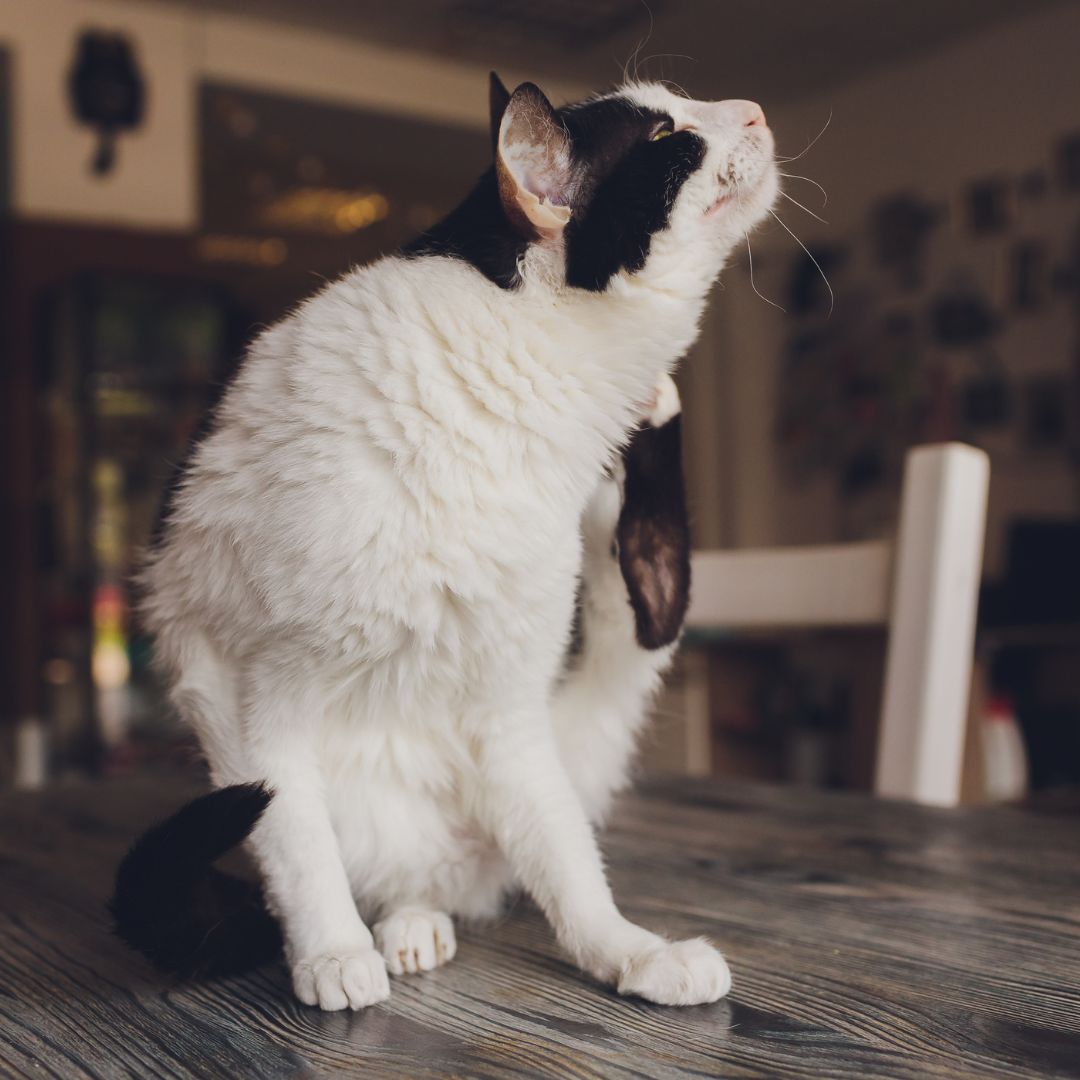
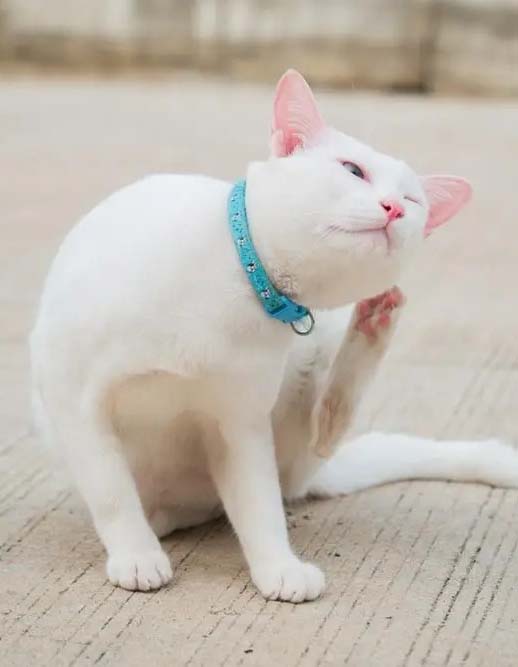
Common signs of dermatological disease include excessive grooming, scratching, biting at the skin, hair loss, scabs, redness, dandruff, greasy fur, sores, skin odor, ear debris, head shaking, or thickened skin.
Cats may overgroom so intensely that owners rarely see actual scratching. Instead, they may notice thinning hair on the belly, legs, or back. Some cats pull out fur in response to itchiness, discomfort, anxiety, or pain.
Certain skin conditions may also cause behavioral changes. Cats experiencing chronic itchiness or pain may become irritable, withdrawn, restless, or less social than usual.
Because many skin conditions can look similar on the surface, veterinary examination and diagnostic testing are often needed to determine the exact cause.
Allergies in Cats
Allergies are one of the most common causes of chronic skin disease in cats. Allergic cats develop inflammation and itchiness when their immune system overreacts to substances that are normally harmless.
Flea Allergy Dermatitis
Flea allergy dermatitis is one of the most common allergic skin diseases seen in cats. Cats with flea allergies are extremely sensitive to flea saliva, and even a small number of flea bites can trigger intense itching and inflammation.
Affected cats may excessively groom their lower back, tail base, abdomen, or inner thighs. Hair loss, scabs, and skin infections are common. In many cases, owners never actually see fleas because cats groom them away quickly.
Year-round flea prevention is one of the most important parts of managing flea allergy dermatitis. Treating the environment and all pets in the household may also be necessary.
Environmental Allergies
Environmental allergies, also called atopic dermatitis, occur when cats react to allergens such as pollen, dust mites, mold, or grasses.
These allergies may be seasonal or occur year-round depending on the trigger. Cats with environmental allergies often develop itchy skin, recurrent ear infections, excessive grooming, or skin inflammation.
Environmental allergies are typically lifelong conditions that require ongoing management. Treatment may involve medications, prescription diets, allergy testing, immunotherapy, medicated shampoos, or strategies to reduce allergen exposure.
Food Allergies
Food allergies occur when a cat develops an immune reaction to a specific dietary ingredient, most commonly a protein source.
Cats with food allergies may experience itchiness, skin infections, hair loss, ear problems, vomiting, diarrhea, or chronic grooming issues.
Diagnosing food allergies usually requires a strict veterinary-supervised elimination diet trial using a prescription diet. Because many over-the-counter diets contain ingredient cross-contamination, prescription diets are often recommended for accurate testing.
Parasites That Affect the Skin
External parasites are another major cause of dermatological disease in cats. Some parasites are visible to the naked eye, while others require microscopic examination for diagnosis.
Fleas
Fleas are extremely common and can cause severe itching, skin inflammation, scabs, and secondary infections. Even indoor cats can develop flea infestations.
In addition to skin irritation, fleas can transmit tapeworms and contribute to anemia in severe cases.
Modern veterinary flea preventives are safe, effective, and much more reliable than many over-the-counter products.
Mites
Several types of mites can affect cats. Ear mites are especially common in kittens and outdoor cats. These mites cause intense itchiness and dark debris within the ears.
Other mites can cause mange, hair loss, crusting, and skin inflammation.
Some mite infestations are contagious to other animals, and certain species may temporarily affect humans as well.

Despite its name, ringworm is not actually a worm. It is a fungal infection that affects the skin, hair, and nails.
Ringworm commonly causes circular patches of hair loss, scaling, crusting, and broken hairs. Some cats, especially long-haired cats, may carry ringworm with minimal visible symptoms while still spreading the infection to other pets or people.
Diagnosis often involves specialized testing such as fungal cultures or microscopic examination.
Treatment may require oral medications, topical therapy, and environmental cleaning because fungal spores can persist in the environment for long periods.
Skin Infections in Cats
Cats can develop bacterial or yeast infections secondary to allergies, parasites, wounds, or underlying skin disease.
Bacterial Skin Infections
Bacterial infections may cause redness, pustules, scabs, swelling, odor, or draining lesions. Cats may scratch or groom affected areas excessively.
Some bacterial infections are relatively mild, while others can become deep and painful if left untreated.
Treatment may involve antibiotics, medicated shampoos, topical therapies, or addressing the underlying cause contributing to the infection.
Yeast Infections
Yeast organisms naturally live on the skin in small numbers, but overgrowth can occur when the skin barrier becomes disrupted.
Yeast infections may cause greasy skin, odor, inflammation, itchiness, or dark discoloration.
Managing yeast infections typically involves treating both the infection itself and the underlying trigger that allowed the overgrowth to occur.
Hair Loss in Cats
Hair loss, also called alopecia, is a common concern in cat dermatology. Cats may lose fur due to itchiness, allergies, infections, hormonal disease, stress, or pain.
Overgrooming is one of the most frequent causes of hair loss in cats. Some cats groom excessively because their skin is itchy, while others may groom in response to anxiety or discomfort elsewhere in the body.
Pain from arthritis, bladder disease, or abdominal discomfort can sometimes lead cats to repeatedly lick certain areas.
Hair loss may appear symmetrical or patchy depending on the cause. Some cats develop complete bald areas, while others simply have thinning fur.
Determining the cause of alopecia often requires careful history-taking, examination, and diagnostic testing.
Ear Disease in Cats
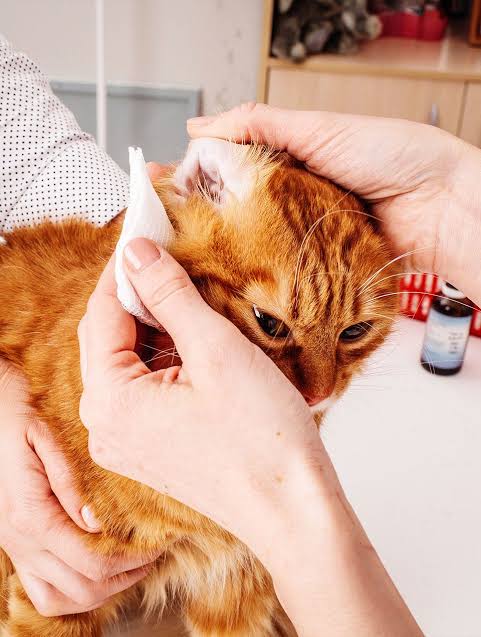
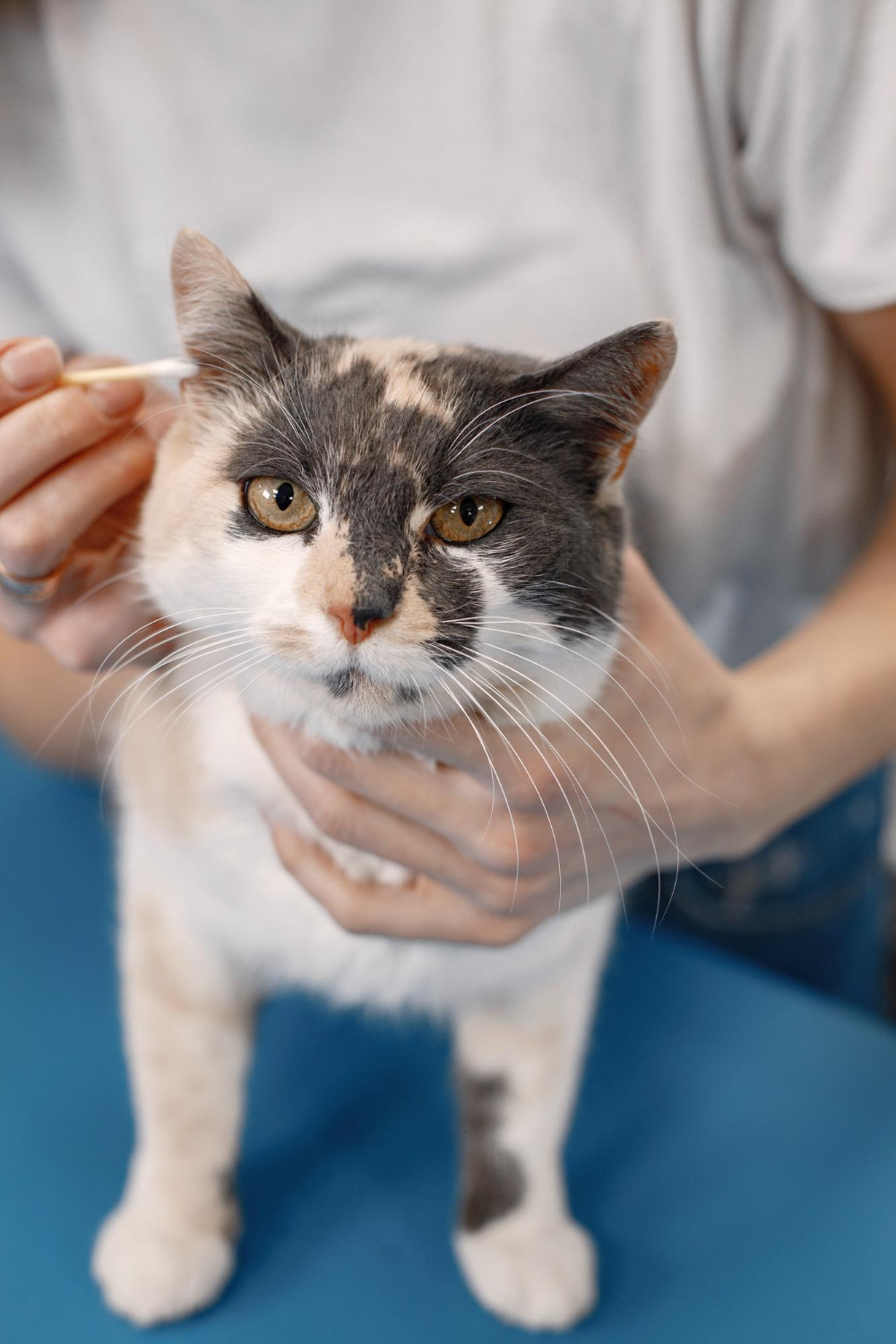
Ear disease is closely connected to dermatology because the ears are lined with skin and commonly affected by allergies and infections.
Cats with ear disease may shake their head, scratch at their ears, develop odor or discharge, or become sensitive when touched around the head.
Ear mites are a common cause of ear irritation in kittens and young cats. Allergies, bacterial infections, yeast infections, polyps, and inflammatory conditions may also contribute to chronic ear problems.
Untreated ear disease can become painful and may eventually lead to deeper infections affecting the middle or inner ear.
Regular veterinary examination is important because some ear problems can worsen significantly before becoming obvious to owners.
Feline Acne
Feline acne commonly affects the chin and lower lip area. Cats may develop blackheads, redness, crusting, swelling, or secondary infections around the chin.
The exact cause of feline acne is not always clear, but contributing factors may include grooming habits, stress, skin irritation, immune factors, or bacterial overgrowth.
Mild cases may improve with topical therapy and better hygiene, while more severe infections may require medications.
Many cats experience recurring episodes that benefit from ongoing management.
Eosinophilic Granuloma Complex
Eosinophilic granuloma complex refers to a group of inflammatory skin lesions commonly associated with allergies in cats.
Affected cats may develop ulcers on the lips, raised plaques on the skin, or inflamed lesions in the mouth or on the legs.
These lesions can sometimes appear dramatic and concerning to owners. While they are often linked to allergies, additional testing may be necessary to rule out other conditions.
Treatment focuses on controlling inflammation and identifying underlying triggers such as fleas, food allergies, or environmental allergies.
Stress and Skin Disease in Cats
Cats are sensitive animals, and stress can contribute significantly to skin problems.
Stress-related overgrooming in cats may occur due to environmental changes, household conflict, boredom, anxiety, or routine disruption. Some cats lick excessively until they create bald patches or skin irritation.
Stress can also worsen existing skin conditions by affecting immune function and increasing inflammation.
Environmental enrichment, predictable routines, appropriate resources, and stress reduction strategies are often important parts of treatment.
Because medical and behavioral causes frequently overlap, veterinary evaluation is important before assuming a skin problem is purely stress-related.
How Veterinarians Diagnose Skin Conditions in Cats
Diagnosing skin disease often requires a step-by-step approach because many conditions can look similar externally.
Veterinarians begin with a detailed history and physical examination for your cat. Information about itching, seasonality, diet, flea prevention, environmental exposure, and progression of symptoms can provide important clues.
Diagnostic testing may include skin scrapings, cytology, fungal cultures, ear swabs, flea combing, allergy testing, bloodwork, biopsies, or elimination diet trials.
Microscopic examination is commonly used to identify bacteria, yeast, mites, or inflammatory cells.
Some cats can be diagnosed quickly, while chronic or complicated skin disease may require ongoing investigation and monitoring over time.
Treatment Options for Feline Skin Disease
Treatment depends entirely on the underlying cause of the problem. Because many skin diseases are multifactorial, successful treatment often involves managing several contributing factors at once.
Common dermatology treatments include parasite prevention, antibiotics, antifungal medications, anti-inflammatory medications, allergy therapies, prescription diets, medicated shampoos, ear medications, or immune-modulating drugs.
Some cats require only short-term treatment, while others benefit from long-term management plans.
Regular follow-up appointments are often important because skin conditions can change over time, and treatment plans may need adjustment.
Owners should avoid using over-the-counter creams or medications without veterinary guidance because some products can be toxic to cats or worsen the condition.
The Importance of Early Treatment
Skin conditions rarely improve on their own without identifying and addressing the underlying cause.
Early treatment helps reduce discomfort, prevent secondary infections, and improve quality of life. Cats experiencing chronic itchiness or pain may suffer significantly even if symptoms appear mild externally.
Untreated skin disease can lead to worsening inflammation, self-trauma, infections, behavioral changes, and chronic discomfort.
In some cases, skin changes may also be the first sign of internal disease, making veterinary evaluation especially important.
The sooner dermatological problems are addressed, the easier they are often to manage.
Preventing Skin Problems in Cats
While not every dermatological condition can be prevented, consistent preventive care greatly reduces the risk of many common skin problems for cats.
Year-round flea prevention is one of the most important steps owners can take to protect their cats. Regular wellness examinations allow early detection of subtle skin changes before they become more severe.
Good nutrition, stress reduction, environmental enrichment, and proper grooming also support healthy skin and coat function.
Cats with chronic allergies or recurring skin disease benefit from ongoing monitoring and individualized management plans.
Because cats naturally hide discomfort, subtle skin changes should not be ignored.
When to See a Veterinarian
Cats should be evaluated by a veterinarian if they develop persistent itching, excessive grooming, hair loss, sores, scabs, redness, ear problems, odor, or changes in coat quality.
Any sudden or severe skin changes should be addressed promptly, especially if the cat appears uncomfortable, lethargic, or develops open wounds.
Chronic or recurring skin disease often requires more than temporary symptom relief. Identifying the underlying cause is essential for long-term improvement.
Regular veterinary care helps ensure skin problems are diagnosed accurately and treated effectively before they become more advanced.
Caring for Your Cat’s Skin Health
Healthy skin plays a vital role in a cat’s comfort, wellbeing, and overall health. Dermatological conditions can range from mild irritation to chronic diseases that significantly affect the quality of life of your cat.
Because many skin conditions appear similar externally, professional evaluation is important to determine the true underlying cause. Early diagnosis and appropriate treatment can greatly improve comfort and help prevent long-term complications.
If your cat is showing signs of itching, hair loss, overgrooming, ear problems, or skin irritation, our team at Parkdale Animal Hospital is here to help. To schedule an appointment, please call us at 519-885-1200 or click here to request an appointment through our online booking system.