Because a little extra care today can make a world of difference tomorrow.
November is a bit of a transition month here in Ontario. One day we’re enjoying a reasonably pleasant fall walk, and the next we’re wondering where we put the winter boots, why it’s dark before dinner, and whether we really need to scrape the car windows again.
Our pets notice these changes, too. Walks get shorter, routines shift, and before we know it, we’re spending a lot more time indoors. November is also a good opportunity to check in on our pets’ health, particularly our senior companions, and learn more about conditions like diabetes.
So, before winter officially settles in, let’s talk about a few things that can help keep our four-legged family members healthy, comfortable, and happy through the months ahead.
Growing Older Is a Privilege, Not a Diagnosis
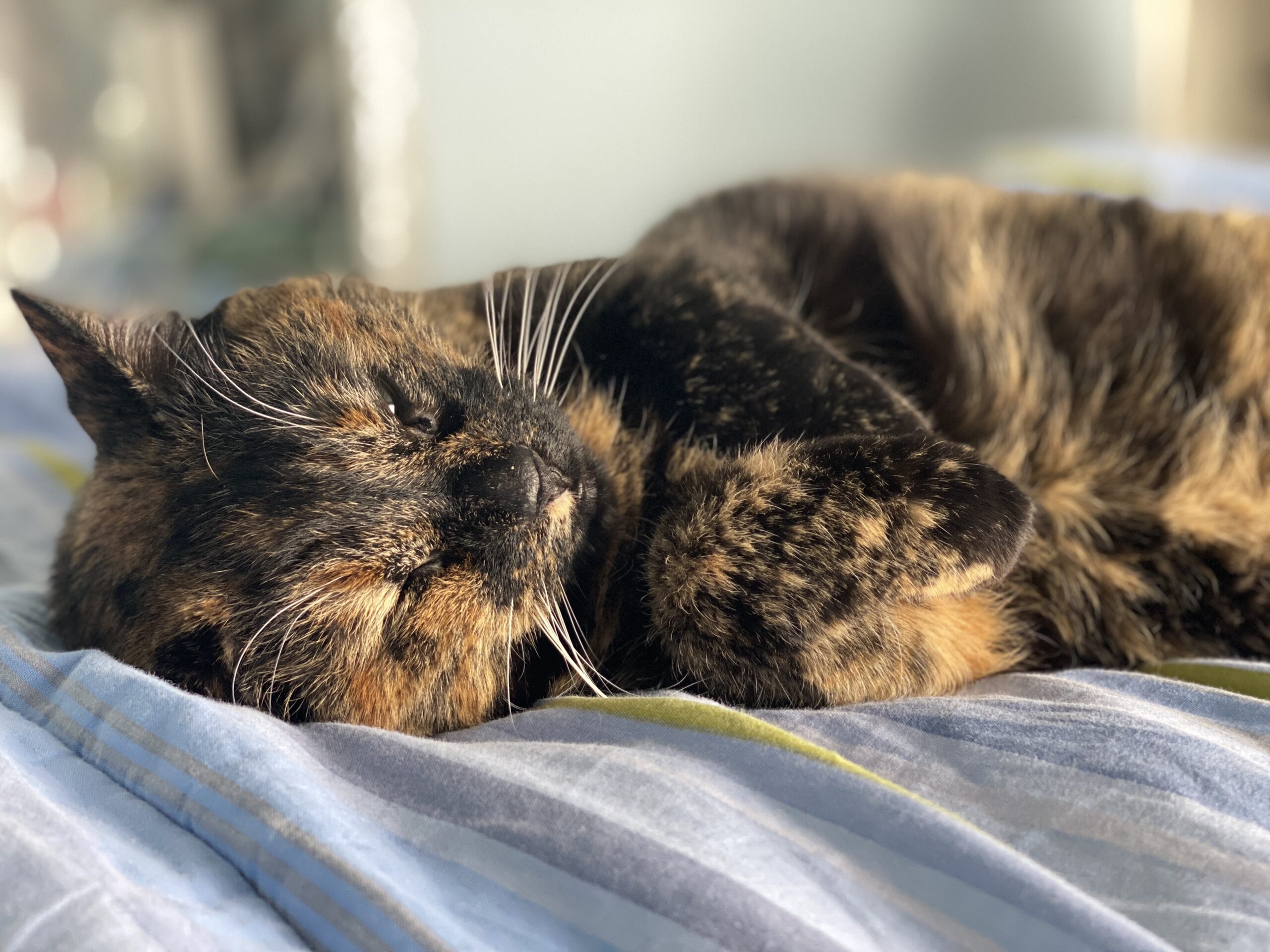
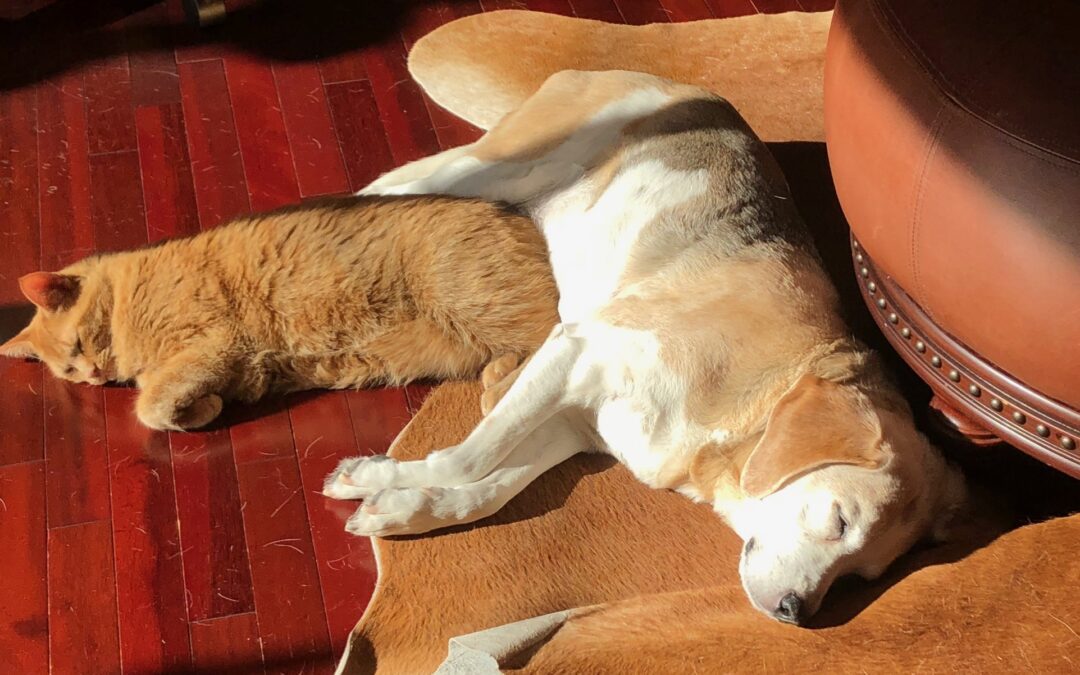
If you’ve ever lived with a senior pet, you know there’s something pretty special about them. They know the household routine, they’ve perfected their favourite sleeping positions, and they have absolutely no intention of moving off their preferred spot on the couch just because someone else would like to sit there.
But as our pets get older, their needs can change. And sometimes, those changes happen so gradually that we don’t notice them until they’ve become difficult to ignore.
November is commonly recognized as Senior Pet Month, making it a great time to pay a little extra attention to our older companions.
There isn’t one universal age when a pet officially becomes a senior. Dogs may age at different rates depending on their size and breed, while cats have their own age-related changes to consider. What matters most isn’t the number of birthdays they’ve celebrated, but how they’re feeling and functioning as they age.
Is it old age, or is something else going on?
We often hear people explain away changes in their pets by saying, “Well, they’re getting old.”
And sometimes, yes, age is a factor. But getting older doesn’t mean a pet should have to live with untreated pain or discomfort.
Maybe your dog has become reluctant to jump into the car. Perhaps your cat has stopped climbing onto the bed, is spending more time hiding, or has become a little grumpier when picked up. You might notice that your pet is sleeping more, playing less, having accidents in the house, or taking longer to get comfortable after resting.
These changes can be associated with aging, but they can also be signs of arthritis, dental disease, vision changes, kidney disease, or other medical concerns.
Pets are particularly good at hiding discomfort. They don’t always limp, cry, or make it obvious that something hurts. Sometimes, the first sign is simply that they’re not doing something they used to enjoy.
That’s why it’s important not to assume that a change is inevitable just because your pet is getting older. Your veterinary team can help determine what’s happening and whether there are ways to improve your pet’s comfort and quality of life.
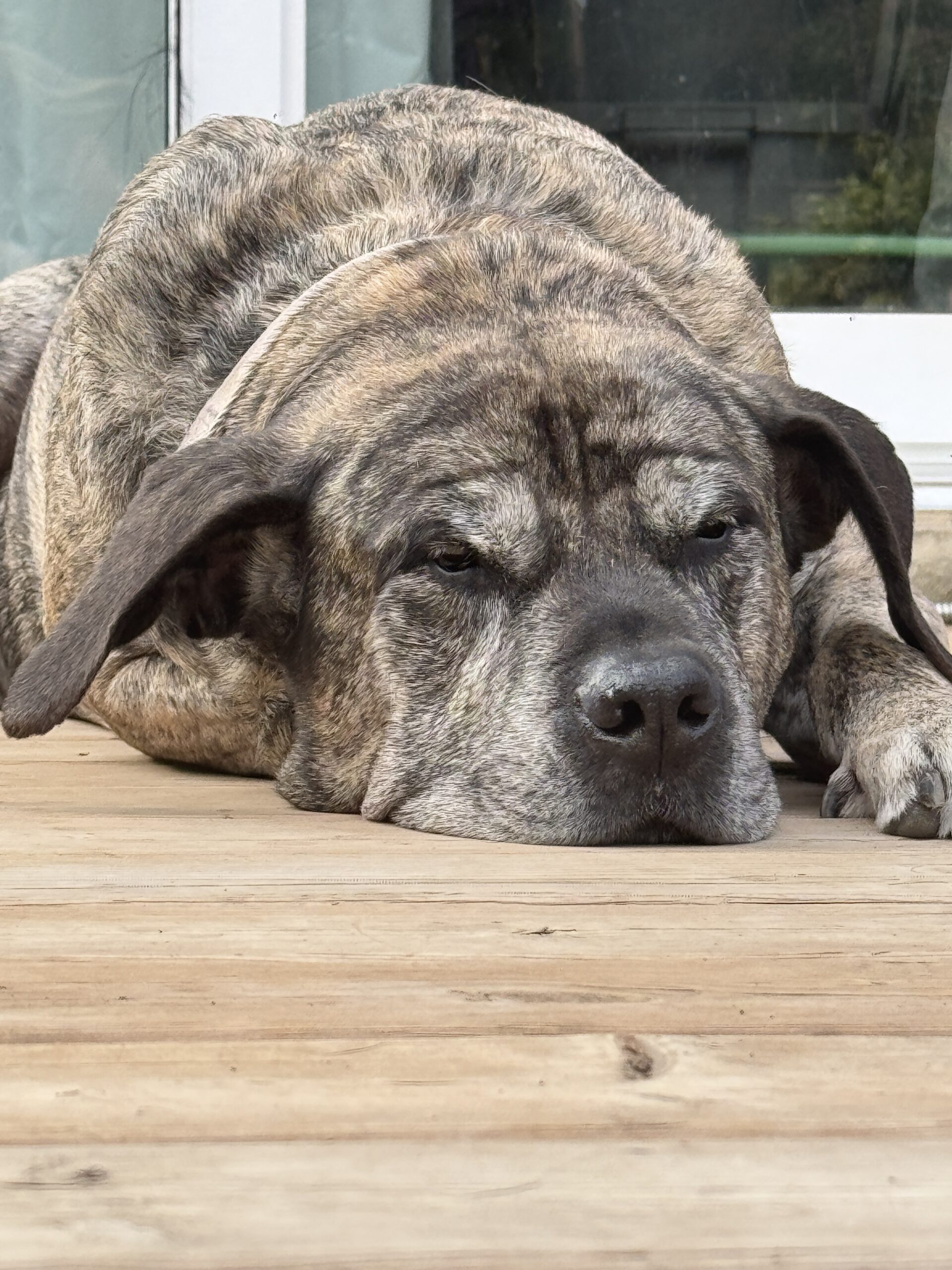
A little extra care goes a long way
Senior pets benefit from regular veterinary examinations, with the frequency and any recommended testing tailored to their individual needs.
Bloodwork and urine testing can help identify changes that may not be obvious at home. Monitoring weight, appetite, thirst, mobility, and behaviour also gives us valuable information about how a pet is doing over time.
At home, small adjustments can make a surprisingly big difference. Soft, supportive bedding, non-slip rugs, ramps or steps, and easy access to food, water, and litter boxes can help older pets navigate their surroundings more comfortably.
And please don’t underestimate the importance of keeping them mentally engaged. Short walks, gentle play, sniffing opportunities, food puzzles, and spending time together can all help maintain quality of life, even when their activity levels aren’t what they once were.
Our goal isn’t to turn back the clock. It’s to help our pets enjoy the years they have, with as much comfort, dignity, and happiness as possible.
Pet Diabetes: Knowing the Signs Could Make a Difference
November is also widely recognized as Pet Diabetes Month. Diabetes mellitus is a condition that affects both dogs and cats, and recognizing the signs early can make a meaningful difference in getting the right care started.
Diabetes occurs when the body cannot properly regulate blood glucose, commonly because it doesn’t produce enough insulin or cannot use insulin effectively. Insulin helps move glucose from the bloodstream into the body’s cells, where it can be used for energy.
Without effective insulin action, glucose builds up in the bloodstream while the body’s cells struggle to get the energy they need.
So, what should pet owners be watching for?
The signs you shouldn’t ignore
The most common signs of diabetes in dogs and cats include:
- Increased thirst. Your pet may be drinking noticeably more water than usual.
- Increased urination. You might find yourself filling the water bowl more often, cleaning the litter box more frequently, or dealing with unexpected accidents.
- Weight loss. Your pet may lose weight despite eating normally or even seeming hungrier than usual.
- Changes in appetite or energy. Some pets become hungrier, while others may seem tired or generally unwell.
In cats, diabetes can sometimes cause weakness in the hind legs, leading to an unusual, flatter-footed walking pattern. This is another reason to have new mobility changes assessed rather than assuming they’re simply part of getting older.
These signs aren’t exclusive to diabetes. Other medical conditions can cause similar changes, which is why proper veterinary assessment and testing are important.
If your pet suddenly develops significant weakness, repeated vomiting, severe lethargy, or stops eating and seems unwell, seek prompt veterinary attention. These can be signs of a more serious problem.
A diabetes diagnosis isn’t the end of the world
Hearing that your pet has diabetes can feel overwhelming. There may be new medications to learn about, monitoring to arrange, and changes to your daily routine.
The good news is that many diabetic pets can enjoy a good quality of life with appropriate treatment and consistent care.
Treatment often involves insulin injections, a feeding routine suited to the individual pet, and regular monitoring to assess how well the diabetes is controlled. Your veterinary team will help you understand how to administer medication, recognize potential problems, and determine when follow-up testing is needed.
Consistency matters, but managing diabetes is a learning process. Your pet’s needs may change over time, and treatment sometimes needs to be adjusted. Never change an insulin dose on your own; contact your veterinary team for guidance.
It is also worth remembering that diabetes isn’t always preventable. Body weight, genetics, other health conditions, and individual differences can all play a role. Maintaining a healthy weight is beneficial, but a diagnosis isn’t a reason to blame yourself.
If something seems different about your pet’s drinking, urination, appetite, or weight, don’t wait for every symptom to appear before asking questions. Sometimes, the little changes are the ones worth paying attention to.
Winter Is Coming: Let’s Get Our Pets Ready
Now for the seasonal part!
It’s not too early to think about winter pet care. In fact, November is an excellent time to prepare before the snow, ice, and truly miserable weather arrive.
We don’t all have to become winter people, but our pets still need to get outside, stay active, and remain safe regardless of what the weather decides to do.
Protect those paws
Road salt, ice, and cold surfaces can irritate your pet’s paws. Snow can also accumulate between the toes, creating uncomfortable ice balls.
After walks, wipe your dog’s paws and check between the toes for irritation, cracks, redness, or packed snow. If your pet tolerates it, keeping the hair between their paw pads neatly trimmed can help reduce snow buildup.
Pet boots can provide additional protection, provided they’re properly fitted and your pet is comfortable wearing them. If boots aren’t your pet’s thing, that’s okay. Wiping their paws after outings is still a useful habit.
Remember that pets may lick their paws after a walk, so removing salt and other outdoor residues is important. Keep them away from de-icing products and contact your veterinarian if you suspect they’ve ingested something harmful.
Not every pet needs the same winter wardrobe
Some dogs seem perfectly happy charging through the snow, while others take three steps outside and immediately reconsider every decision that led them there.
A pet’s tolerance for cold depends on several factors, including size, coat, age, body condition, and health. Small dogs, short-coated breeds, puppies, and senior pets may need extra protection.
Coats or sweaters can help some dogs stay comfortable, but clothing isn’t a substitute for paying attention to the weather and your pet’s behaviour.
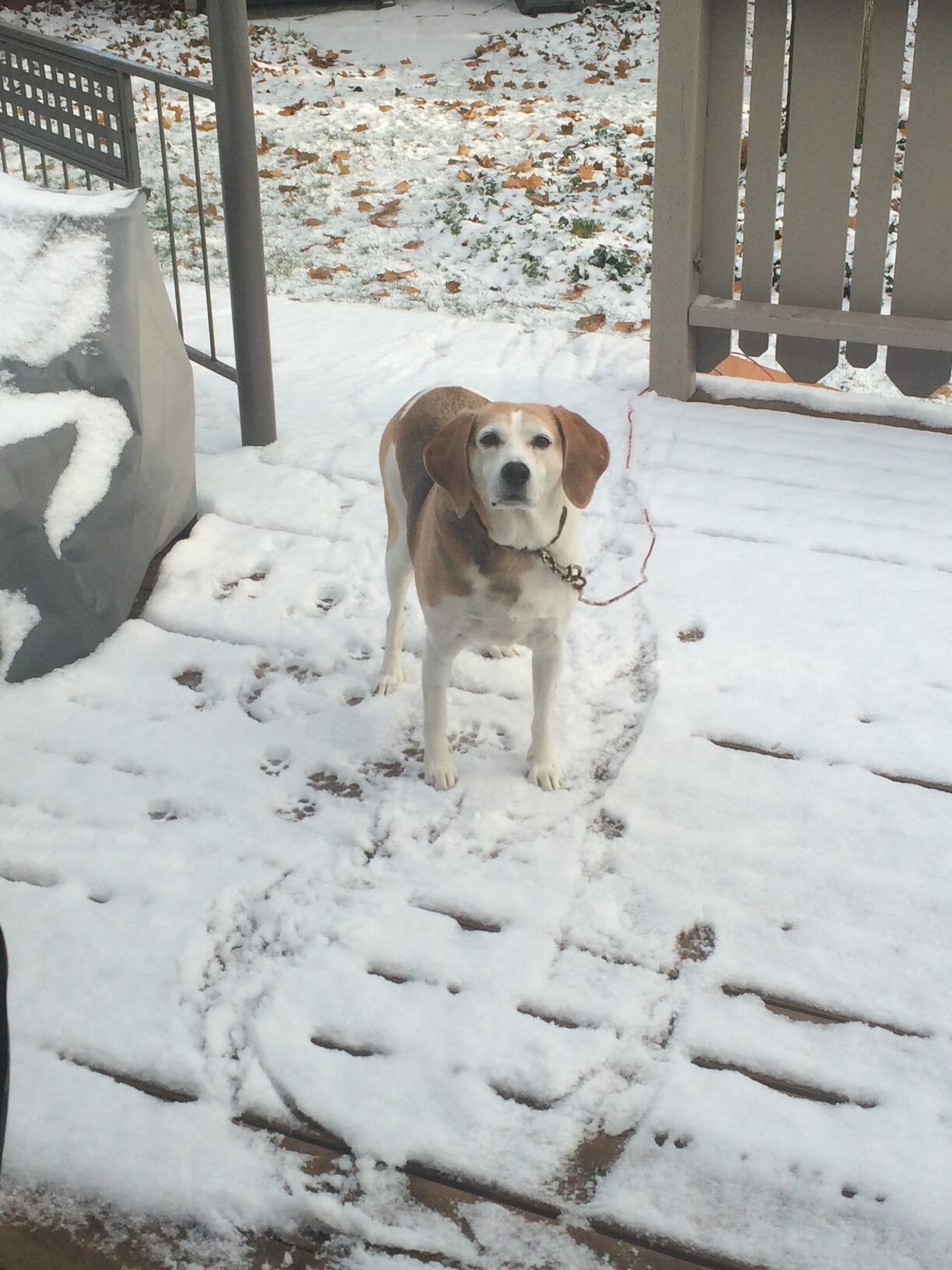
Keep walks shorter when necessary, and watch for signs that your pet is too cold, such as shivering, lifting their paws, slowing down, or trying to head home. Freezing temperatures, wind, and wet conditions can increase the risk of cold-related injury.
There’s no prize for completing your usual walking route if your dog is miserable. Adjusting the plan is perfectly acceptable.
The hazards hiding in winter
Cold weather brings a few seasonal hazards that deserve a little extra attention.
Antifreeze: Some antifreeze products contain ethylene glycol, which is highly toxic to pets. Even a small amount can cause life-threatening poisoning. Store products securely, clean up spills immediately, and contact a veterinarian or animal poison service urgently if exposure is suspected. Don’t wait for symptoms to develop.
Ice-melting products: These can irritate paws and may be harmful if swallowed. Choose products carefully, follow label directions, and keep pets away from treated areas when necessary.
Frozen ponds and waterways: Ice can be unpredictable, even when it looks solid. Keep pets away from frozen water and avoid allowing them to run freely near potentially unsafe surfaces.
Dark evenings: With daylight disappearing earlier, many of us are walking our dogs in the dark. Reflective collars, leashes, jackets, and clip-on lights can help drivers and cyclists see you and your pet. Stick to well-lit routes when possible.
Outdoor cats: Cats that spend time outdoors face additional winter risks, including exposure to cold, ice, and traffic. Keeping cats indoors is the safest option. If a cat does go outside, provide access to warmth and shelter, and check around and under your vehicle before starting it, as cats may seek warmth near the engine.
A little awareness now can help prevent a very unpleasant trip to the veterinary clinic later.
Keep walks shorter when necessary, and watch for signs that your pet is too cold, such as shivering, lifting their paws, slowing down, or trying to head home. Freezing temperatures, wind, and wet conditions can increase the risk of cold-related injury.
There’s no prize for completing your usual walking route if your dog is miserable. Adjusting the plan is perfectly acceptable.
Less Outdoor Time Doesn’t Have to Mean Less Enrichment
When the weather turns unpleasant, exercise routines often change. That’s understandable. Nobody needs to prove their dedication to their dog’s wellbeing by standing outside in freezing rain for 45 minutes.
However, our pets still need opportunities to move, explore, and use their brains.
For dogs, try short training sessions, scent games, treat puzzles, or hiding a few pieces of their regular kibble around a safe room for them to find. Even practising familiar cues for a few minutes can provide mental stimulation.
Cats benefit from interactive play, climbing opportunities, scratching posts, puzzle feeders, and places to watch the world go by from a warm window.
If your pet is less active during winter, keep an eye on their food intake and body condition. Reduced activity combined with unchanged portions can contribute to unwanted weight gain. Measure meals, account for treats, and make adjustments with your veterinary team’s guidance if needed.
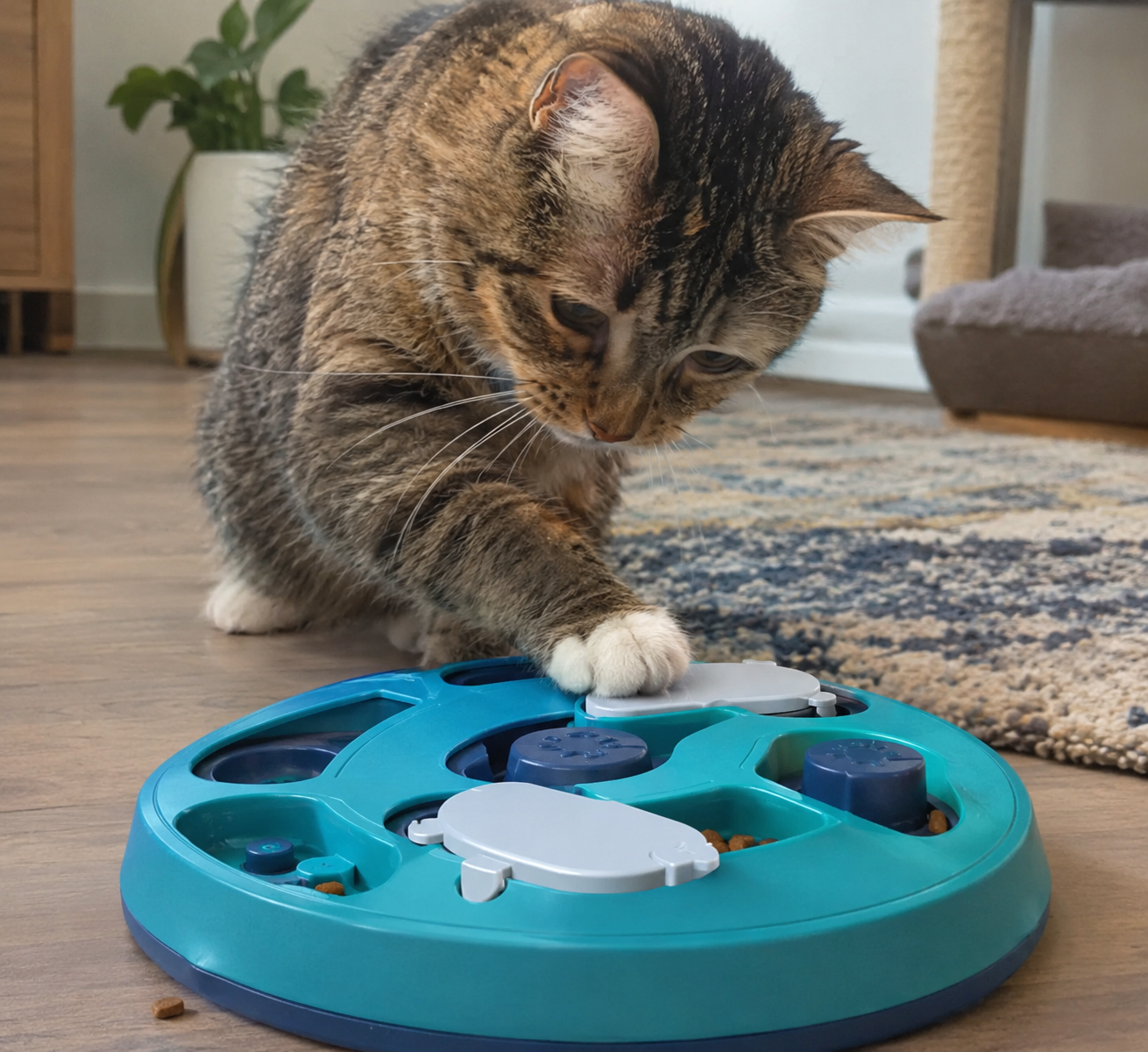
This is especially important for senior pets. Extra weight can put more strain on already uncomfortable joints, while too little activity can contribute to loss of muscle and mobility.
The answer isn’t necessarily longer or harder exercise. It’s finding activities that suit your pet’s age, abilities, and interests.
And if your older dog suddenly seems reluctant to exercise, don’t automatically assume they’re being lazy. Pain and other medical concerns can affect activity levels, and it’s worth investigating a noticeable change.
A Moment to Remember
November also brings Remembrance Day on November 11.
While this isn’t a pet-health topic, it’s an important moment for many people in our community. We take this opportunity to remember those who have served, those who continue to serve, and the people and families who carry the lasting effects of their service.
Animals have also played important roles throughout military history, including horses, dogs, and other service animals whose contributions deserve recognition.
We encourage everyone to take a moment to reflect and remember.
A Little Preparation Goes a Long Way
As we head into the colder months, November is a good reminder that caring for our pets isn’t only about responding when something goes wrong. It’s also about noticing the small changes, understanding their needs, and making adjustments before little problems become bigger ones.
For our senior pets, that might mean investigating a change in mobility or appetite rather than chalking it up to age. For a pet showing signs of diabetes, it means getting the right assessment instead of waiting to see whether things improve. And for all our pets, it means taking a few practical steps to make winter safer and more comfortable.
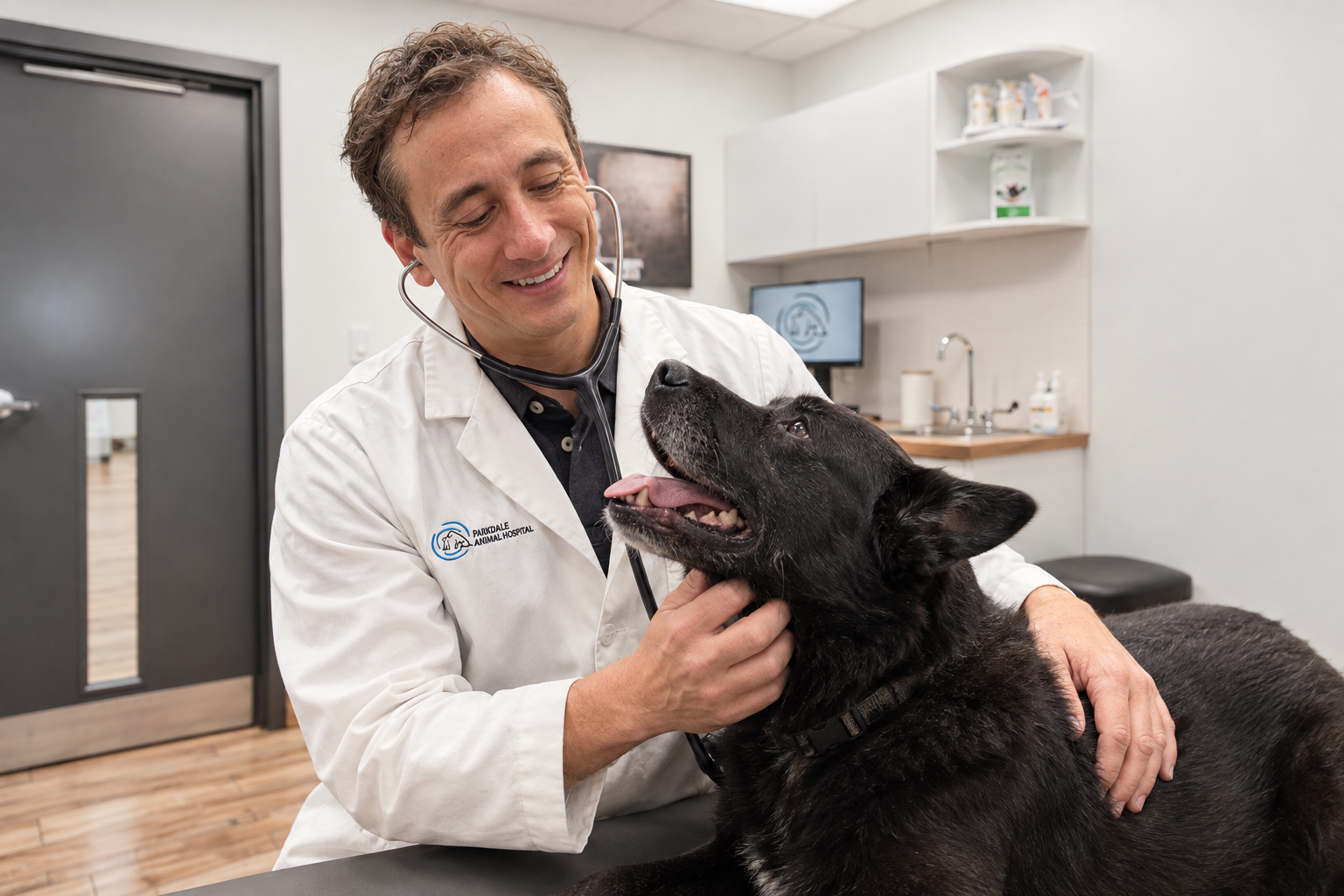
At Parkdale Animal Hospital, we believe good veterinary care starts with education, communication, and a team approach. You know your pet better than anyone, and we’re here to help you make informed decisions about their health and wellbeing.
If you’ve noticed changes in your pet’s behaviour, weight, thirst, appetite, or mobility, or you’d like some guidance on keeping them comfortable through the winter, we’re happy to help you figure out what makes sense for your individual pet.
After all, our pets spend their lives taking care of our hearts. Helping them enjoy their years with us is the least we can do in return.
From all of us at Parkdale Animal Hospital, stay warm, stay safe, and give your pets an extra cuddle from us.