
Cat Cardiology
Your cat’s heart works quietly in the background every second of every day, supporting circulation, oxygen delivery, and overall body function.
Understanding Your Cat’s Heart Health
Most of the time, we don’t think about it at all—and that’s exactly how it should be. But when something changes within the heart, the signs can be subtle, gradual, and easy to miss in cats.
At Parkdale Animal Hospital, we know that cat heart disease is often not obvious until it has progressed, and that cats are exceptionally good at hiding illness. Because of this, we take heart murmurs, subtle breathing changes, and even small shifts in energy or behaviour seriously. Cardiac disease in cats is not always dramatic or sudden. In fact, many cats continue to appear completely normal at home even while underlying heart changes are developing.
This is why cat cardiology is such an important part of preventive and ongoing veterinary care. The earlier we identify changes in the heart, the more options we have to support your cat’s health and quality of life.
Why Heart Disease in Cats Is Often Missed Early
One of the biggest challenges with cat heart disease is that many cats show very few outward signs in the early stages. Unlike some other conditions, heart disease can progress quietly without obvious symptoms until it becomes more advanced.
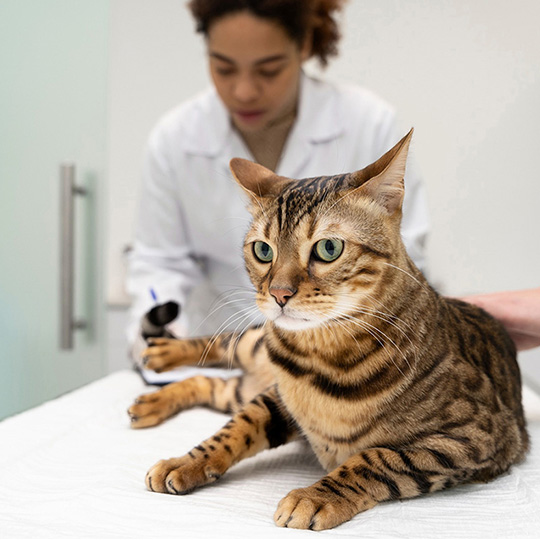
When signs do appear, they may be subtle. You might notice your cat sleeping more than usual, becoming less active, or not engaging in play the way they used to. Some cats may breathe a little faster at rest, or seem less tolerant of exercise or excitement. In other cases, the first sign of a problem may be something picked up during a routine physical exam, such as a heart murmur or irregular rhythm.
In more advanced cases, cats may develop more obvious symptoms such as open-mouth breathing, sudden weakness, or collapse. However, we always emphasize that waiting for clear symptoms is not ideal when it comes to heart disease in cats. Early detection, often before symptoms are noticeable, can make a significant difference in managing the condition.
When We Recommend Cardiac Testing
When a heart murmur is detected, or when we see signs that raise concern about cardiac function, further testing is often recommended. This does not automatically mean a serious diagnosis, but it does mean we need more information to understand what is happening.
Common diagnostic tools include an echocardiogram (cardiac ultrasound), which allows us to visualize the heart in real time and assess its structure and function. This test helps us evaluate chamber size, valve function, and overall heart performance.
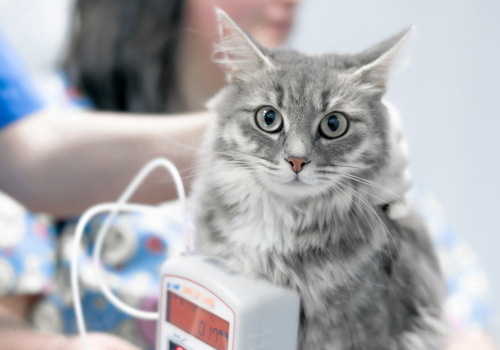
We may also recommend an electrocardiogram (ECG), which measures the electrical activity of the heart and helps us identify abnormal rhythms or conduction issues.
These tests are important because many cat heart conditions cannot be diagnosed through a physical exam alone. Cats are also very good at compensating for early disease, which makes imaging and specialized diagnostics essential for accurate assessment.
Access to Advanced Feline Cardiology Care
At Parkdale Animal Hospital, we understand how important your cat’s heart health is. To support this, we collaborate with a board-certified veterinary cardiologist who provides cardiac consultations and advanced diagnostics at our clinic as a visiting specialist.
This cardiologist is not a member of our permanent staff and travels throughout Southwestern Ontario. When a cardiac ultrasound or ECG is needed, our team contacts her to request availability, and appointments are scheduled based on the dates she is able to attend our hospital.
This partnership allows your pet to receive specialized cardiac diagnostics in a familiar environment, without the need to travel to a referral hospital. Following the consultation, results and recommendations are shared with our veterinary team so we can continue your cat’s care with a coordinated and informed plan.
Through this collaborative approach, we are able to offer access to expert cardiac care while maintaining continuity, compassion, and support for you and your cat.
Common Heart Conditions in Cats
Feline heart disease can take several forms, and some conditions are more common than others. One of the most frequently diagnosed conditions in cats is hypertrophic cardiomyopathy (HCM), a disease where the heart muscle becomes thickened and less efficient at pumping blood.
Other cats may experience heart rhythm abnormalities, valve changes, or congenital heart defects that are present from birth. Some conditions progress slowly over time, while others may remain stable for long periods before changing.
The important thing to understand is that not all heart disease progresses the same way. Every cat is different, and that is why individualized assessment and ongoing monitoring are so important.
Living with a Cat with Heart Disease
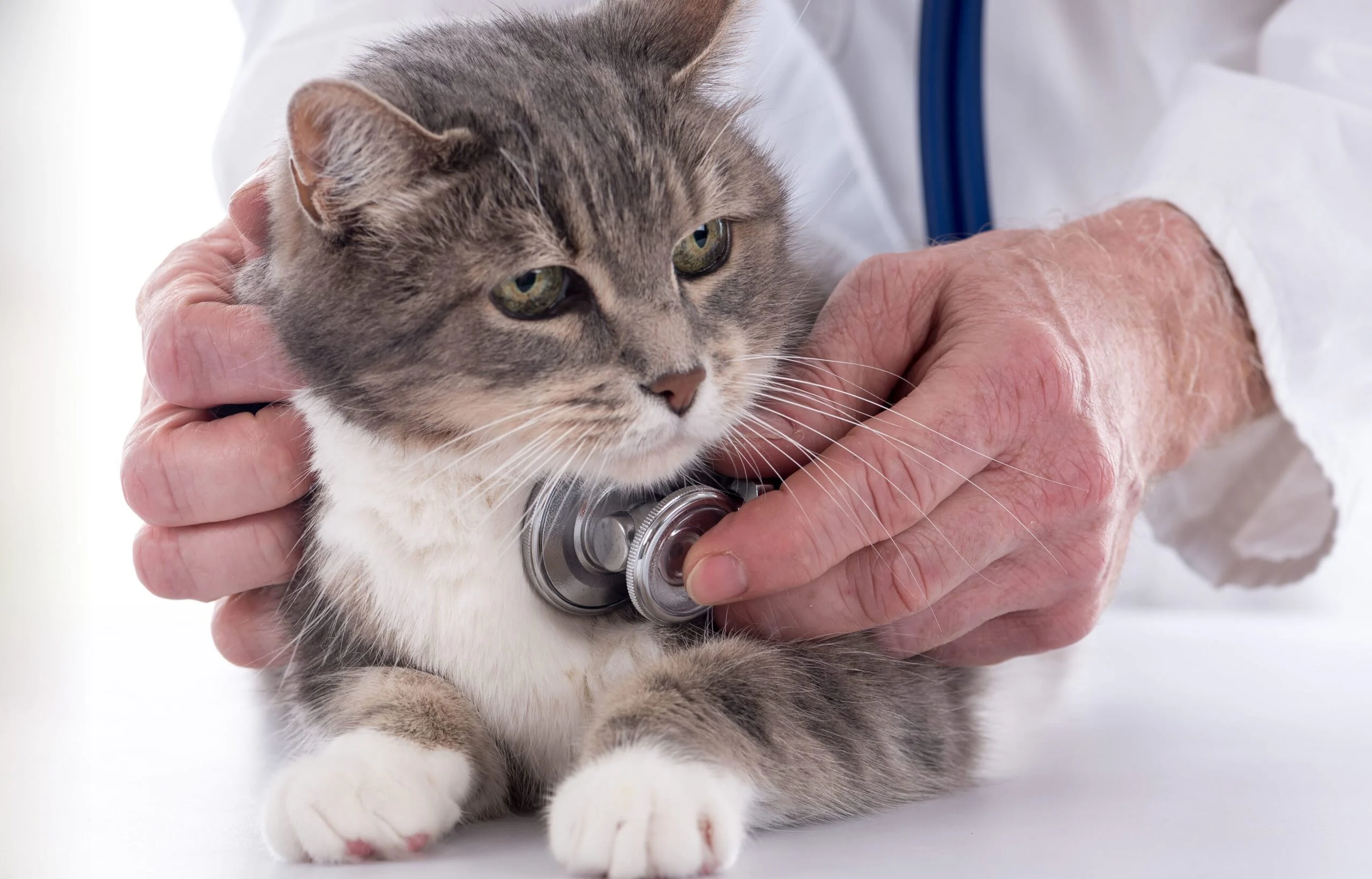
A diagnosis of heart disease can feel overwhelming at first, but many cats live comfortable and good-quality lives with appropriate monitoring and treatment. In many cases, medication may be used to support heart function, reduce strain on the heart, or manage symptoms. Some cats may only require periodic monitoring, while others may need ongoing medical support.
Follow-up care is a key part of managing cat heart disease. This may include repeat examinations, follow-up imaging, or adjustments to medication over time. Because heart disease can change gradually, ongoing monitoring helps us stay ahead of progression and adjust care as needed.
Our focus is always on maintaining quality of life. That means paying attention not only to test results, but also to how your cat is feeling, behaving, and functioning at home.
When to Seek Assessment for Your Cat
It is always appropriate to seek further evaluation if you notice changes in your cat that could be related to heart health. This includes decreased energy, changes in breathing, reduced appetite, unexplained weight loss, fainting or weakness episodes, or any concern raised during a routine veterinary exam such as a heart murmur.
Even if symptoms are mild or uncertain, early assessment is always the safest approach. Cats are very good at masking illness, and small changes can sometimes be the earliest clue that something needs attention.
Supporting Your Cat’s Heart Health at Parkdale Animal Hospital
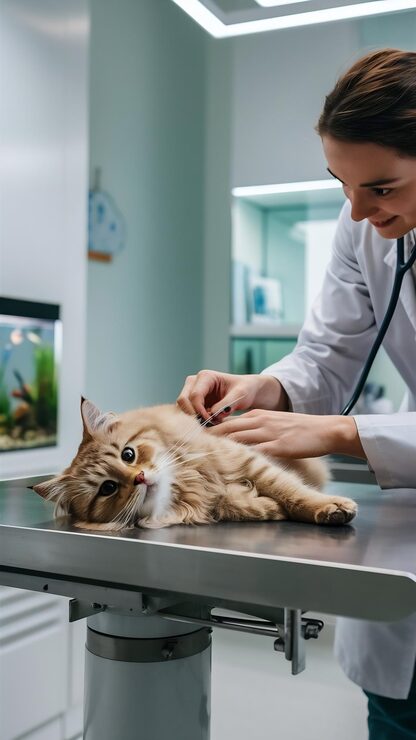
Our approach to cat cardiology is built around early detection, accurate diagnosis, and collaborative care. By working with a visiting board-certified veterinary cardiologist, we are able to offer advanced diagnostics while keeping care close to home and integrated within our hospital team.
This means your cat benefits from specialist-level assessment while still receiving ongoing care from a veterinary team who knows them and understands their overall health picture. Communication between the cardiologist and our team ensures that recommendations are clear, coordinated, and tailored to your cat’s needs.
We know that heart disease can be a stressful topic for pet owners, and our goal is always to provide clarity, support, and guidance through every step of the process.
If your cat has been diagnosed with a heart murmur, is showing signs of possible heart disease, or if you simply have concerns about their cardiac health, we are here to help.
Call us at 519-885-1200 or click here to schedule an appointment.